Education minister dismisses top official over PISA errors as she seeks to avert teachers' strike
Esther Niubó announces three disciplinary proceedings over PISA tests and says she will meet striking unions this week to try to call off next week's industrial action

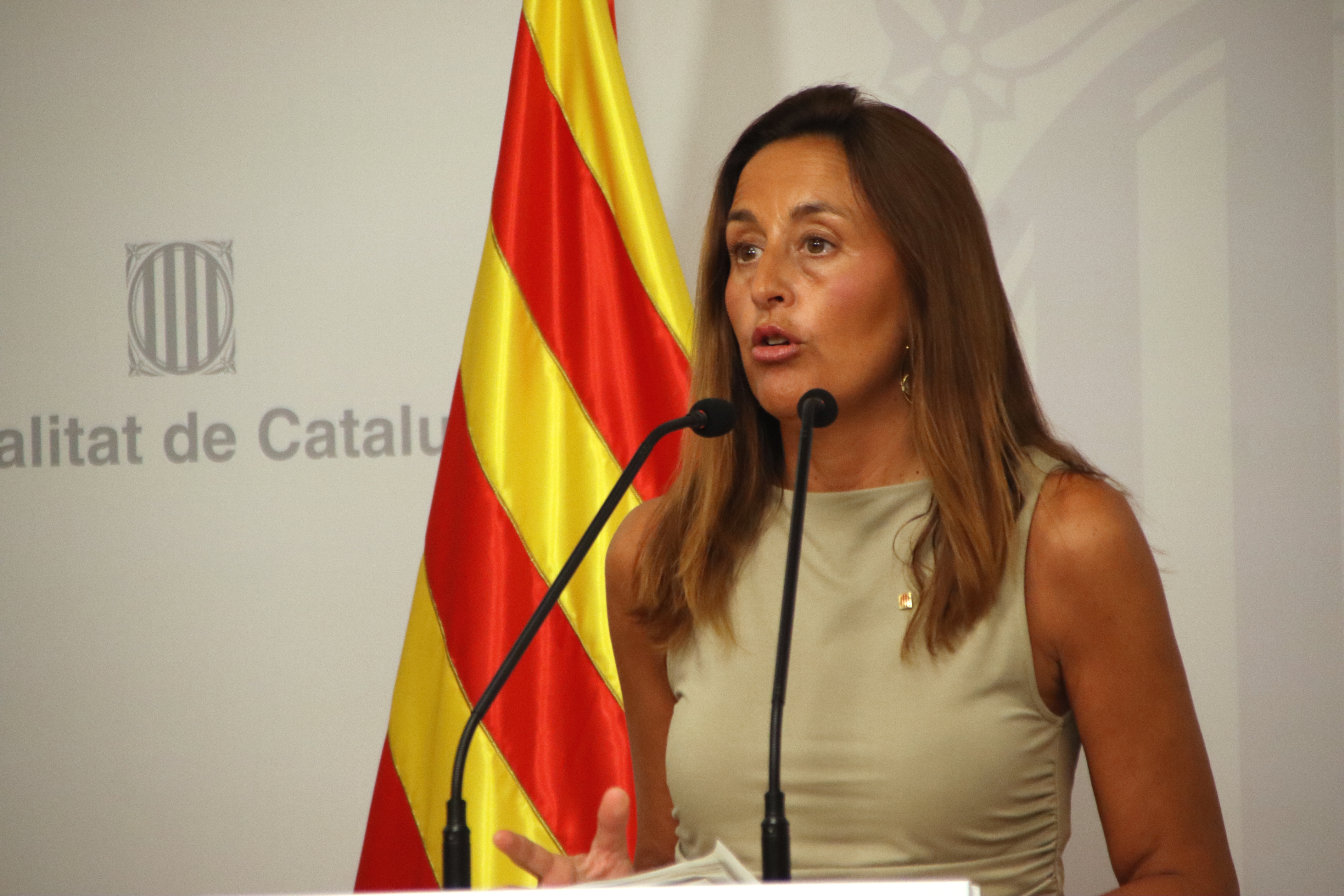
Catalonia's education minister, Esther Niubó, has dismissed the department's secretary general, Teresa Sambola, and announced three disciplinary proceedings over errors in the management of the PISA tests, as she seeks to avert a teachers' strike next week.
Niubó said Sambola’s departure was necessary to begin a "new stage" within the education department.
She said the decision was not "directly" related to the PISA errors, although the affair had exposed problems with how the department operates. Sambola's replacement will be appointed on Tuesday.
The minister also announced disciplinary proceedings against three people – two civil servants and a senior official – over the handling of the tests.
Niubó said participating schools had not received sufficiently precise information about exemption rates in the PISA tests, and that the problem was not corrected in time when it could still have been addressed.
"We are not minimising the seriousness of what happened," she said, noting that only five of the 51 schools involved complied with the exemption rate recommended by the OECD.
As a result, Catalonia's PISA results did not meet the requirements to be fully compared with results from other countries and regions, or from previous years.
Warnings over PISA
Niubó said the written information sent to participating schools was "correct" but "incomplete," because it did not state that no more than 5% of students could be exempted.
In April, Spain's National Institute for Educational Evaluation (INEE) warned that the exclusion rate at Catalan schools was too high.
Niubó said there was "no evidence that this warning reached the schools, nor that corrective measures were applied while there were still schools pending completion of the tests."
The INEE subsequently sent up to seven reports, meaning there was an opportunity to take corrective measures, "but these actions did not take place."
The minister said the problem had not been brought to her attention or reached her desk.
She said the investigation pointed to errors of interpretation and oversight, as well as shortcomings in the transmission of relevant information.
"The people who had a duty to coordinate and supervise the tests did not live up to their responsibility," she said.
Niubó again cleared school management teams of responsibility and insisted that accountability lay with the education department.
Strike talks
The education minister said Catalonia deserved a "normal" start to the school year, after a previous academic year marked "by many strikes."
Although she said she understood and in many cases "shared" teachers' demands, she described children's learning as "a red line."
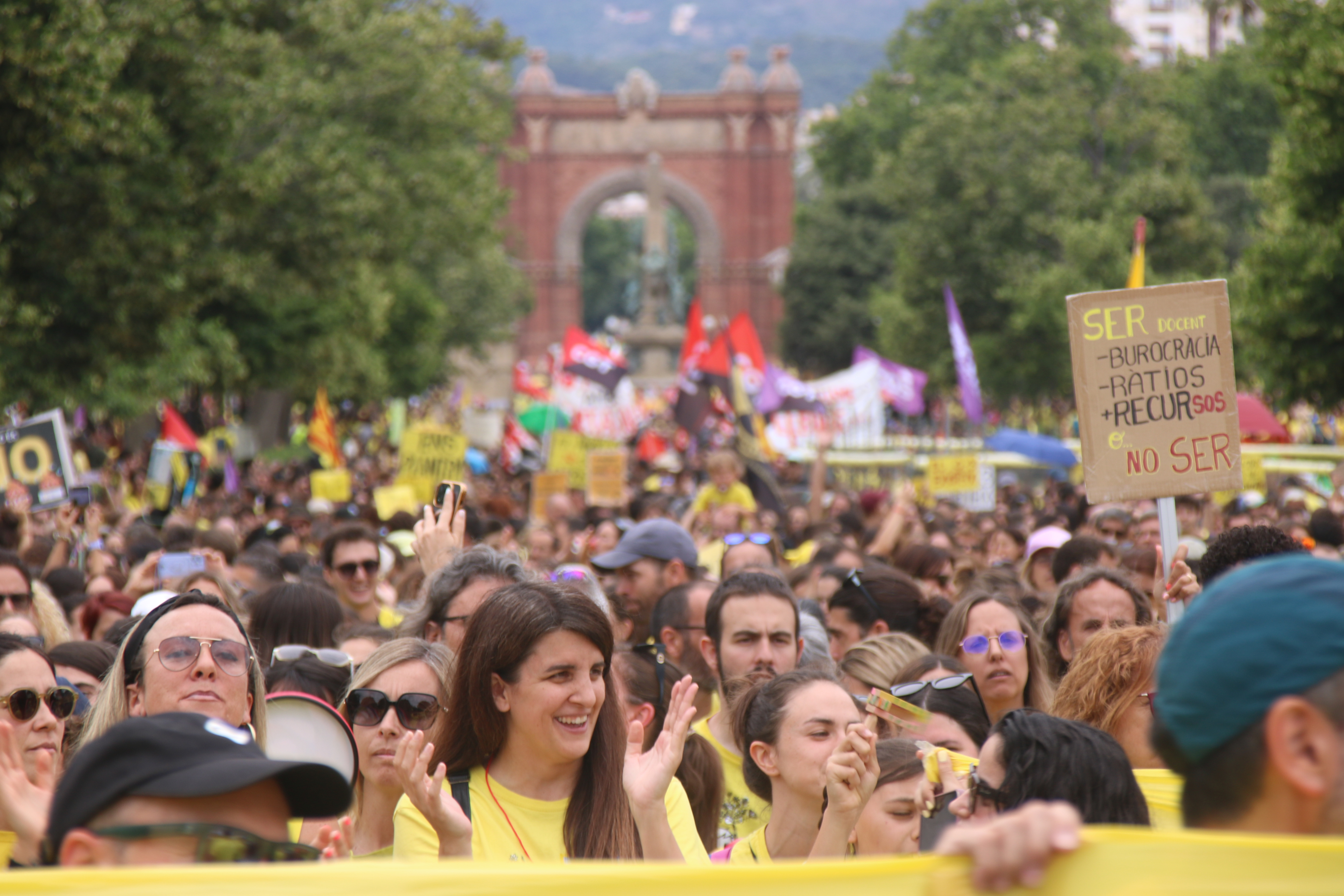
She will meet the USTEC and CGT unions on Thursday in an effort to "build bridges" to call off next week's strike.
Before that, the department will meet the other unions represented on the sectoral committee that did sign agreements with the department last year and have not called a strike.
Niubó said the new school year would begin with the implementation of "two major agreements" reached with the CCOO and UGT unions, and the Professors de Secundària (Secondary Teachers) union (aspepc·sps).
She said €2.6 billion had been mobilised through the agreements.
Record number of reception classes
The 2026-27 school year will begin with a record 2,141 reception classes for newly arrived students.
There will be a total of 85,052 teachers, 1,103 more than last year.
The education department expects to invest €257 million in school infrastructure, the highest figure since 2008, including €100 million to improve climate control in schools.
USTEC rejects minister's response
USTEC-STEs (IAC), one of the unions calling a strike on September 8, the first day of the new school year, said Sambola's dismissal "does not resolve the PISA mess."
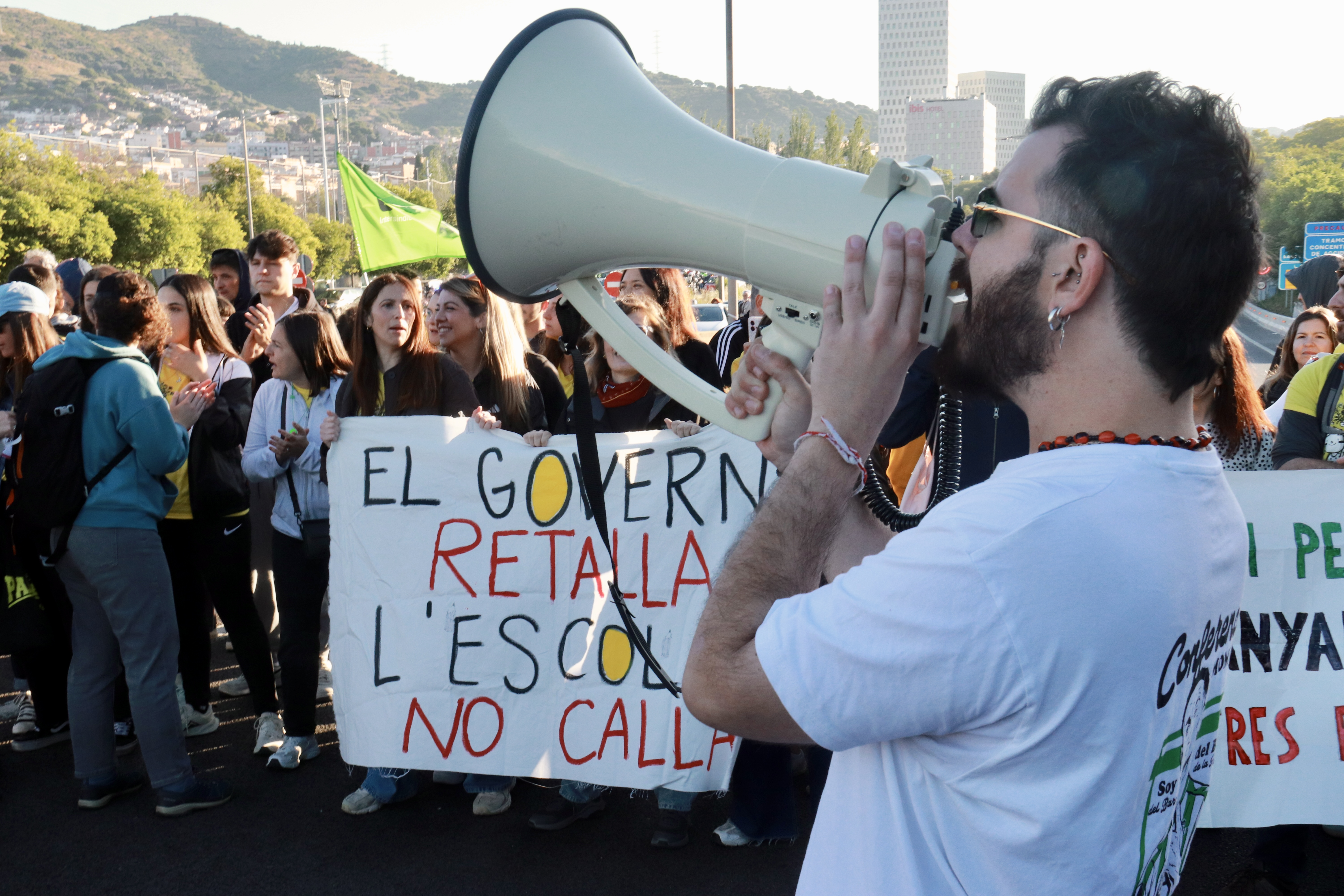
The union said "it is not about changing people, but changing the model."
It described the limit of 18 pupils per teacher in reception classes as "absolutely disproportionate," arguing that classes should have between five and 10 students to "provide quality support to students."
USTEC said Thursday's meeting with Niubó – and also the CGT union – "will only make sense" if "new, concrete, budgeted and scheduled proposals" are put forward, and the department shows a "willingness to reopen negotiations."
"We are used to the department blaming any management problem on some computer or technical issue, or pinning the responsibility on a scapegoat," said Andreu Mumbrú, USTEC's coordinator of trade union action.
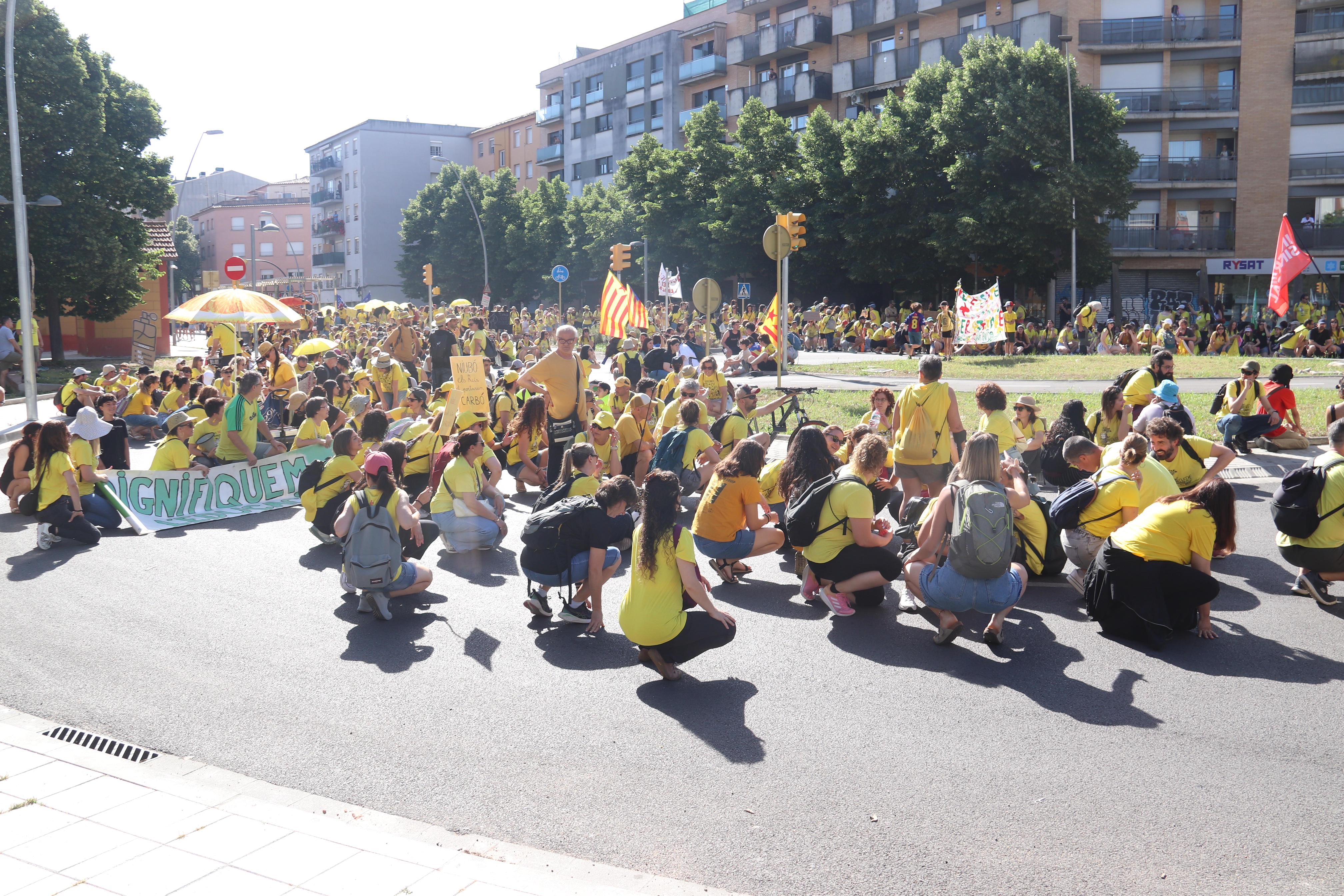
Mumbrú also called for Catalonia to distance itself from the OECD, which oversees the PISA programme, and terminate its agreement with the organisation, arguing that it operates "for economic interests" rather than safeguarding educational quality.
He also called for President Salvador Illa to become involved in the negotiations. "It would be an important gesture," he said.