10 new African swine fever deaths in wild boar confirmed as Catalonia rules out tighter restrictions
Catalan agriculture minister says further infections in wild boar were expected, while more than 200 carcasses have tested negative
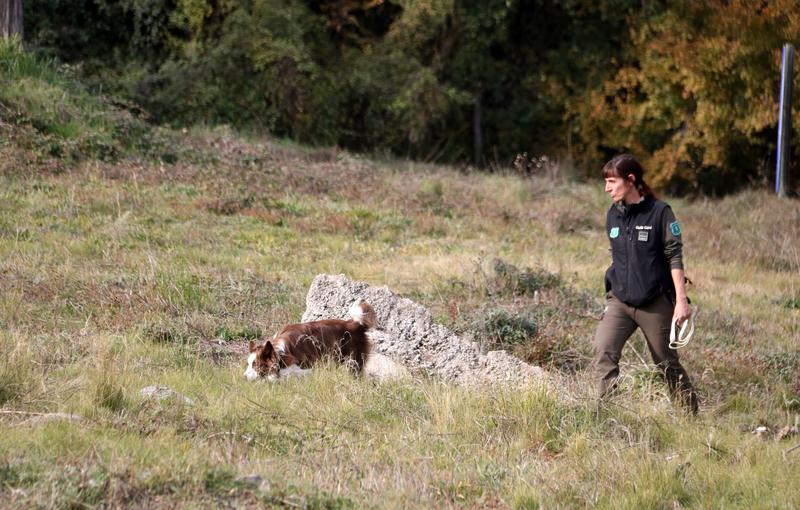

Spain's Ministry of Agriculture has confirmed 10 additional wild boar deaths from African swine fever (ASF) within the perimeter of the first outbreak detected near Cerdanyola del Vallès, close to Barcelona.
The latest cases bring the total number of infected wild animals to 26 since the outbreak began, the ministry said in a statement on Tuesday.
More than 200 animal carcasses found in the affected area – in natural settings and on roads and railway lines – have returned negative results for the virus.
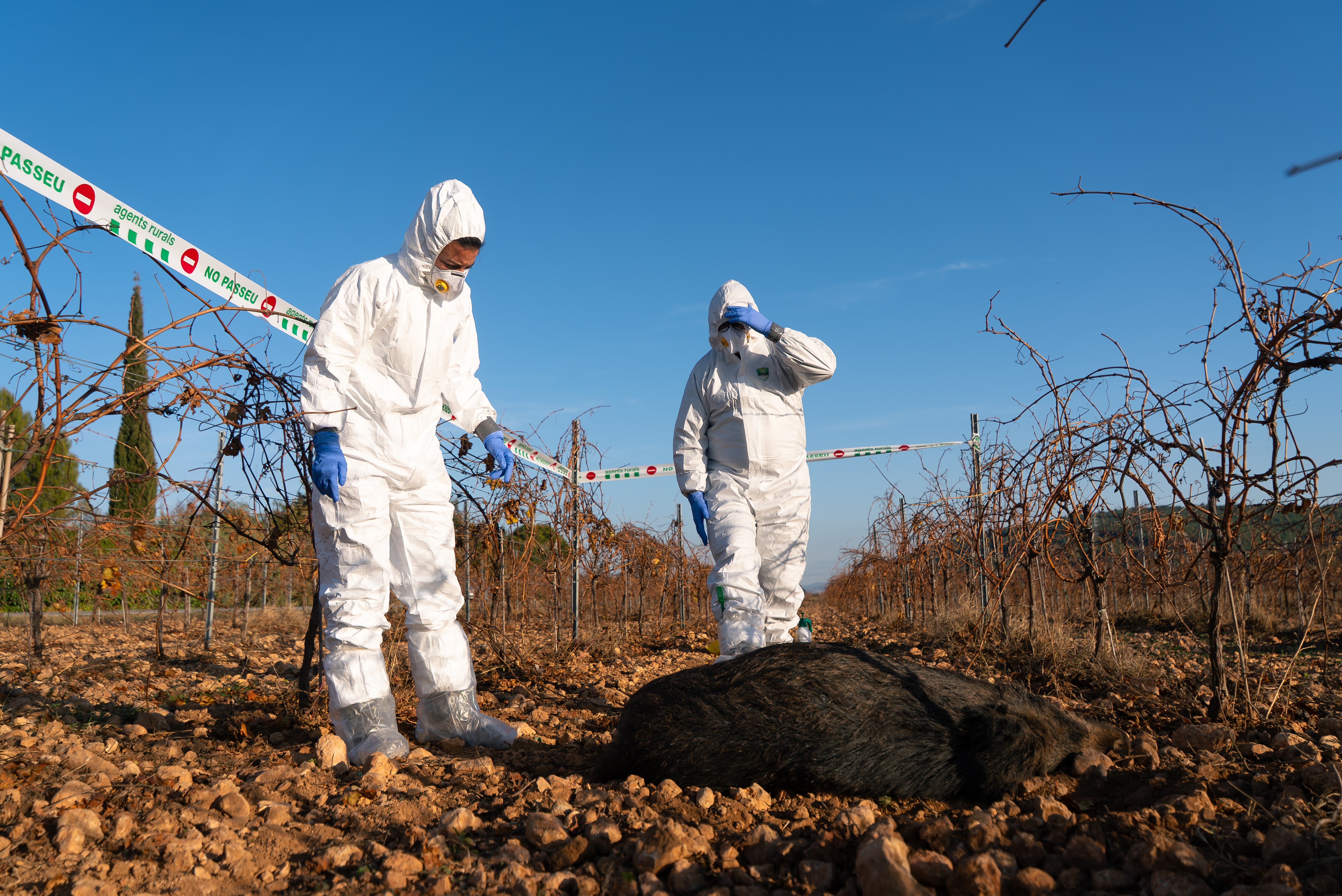
"Central and regional authorities have urged a high level of alert, with strict biosecurity measures both on livestock farms and in wild boar populations," the statement said.
African swine fever is a contagious viral disease that affects pigs and wild boar but poses no risk to human health. So far, authorities have successfully prevented the virus from reaching pig farms.
No surprise
Speaking later on Tuesday, Catalonia's agriculture minister, Òscar Ordeig, said the discovery of additional infected animals was "normal" and should not come as a surprise. "The real news would be if no further cases had appeared," he told a press conference.
Ordeig ruled out imposing additional restrictions on access to natural areas, noting that all of the newly detected cases remain within the boundaries of the initial outbreak zone, a key factor in the authorities' risk assessment.

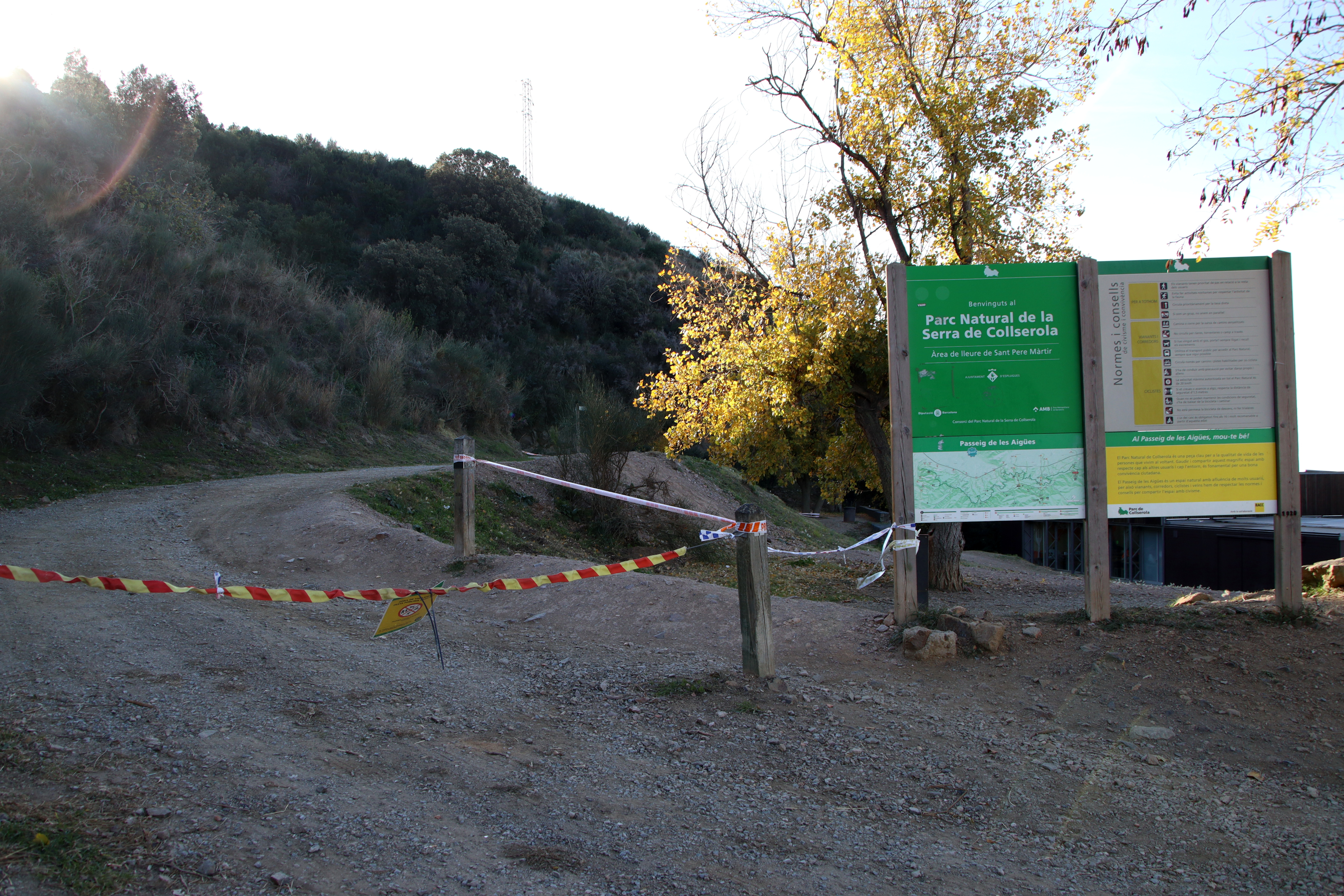
To contain the spread of the virus, the government imposed a total ban on access to natural areas in over 90 municipalities, including Collserola Natural Park.
On Monday, the government eased restrictions in municipalities located in the second zone, between six and 20 kilometres from the initial outbreak site.
Ordeig said he expects to receive an audit of the IRTA-CReSA animal health research facilities later on Tuesday or Wednesday. Amid suspicions of a possible lab leak, the lab sent the virus sequencing it had been working on to a European reference laboratory on Monday to compare it with the strain found in the infected wild boars.
Tariffs
Separately, the minister welcomed the news that China has lowered tariffs on imports of Catalan pork to 9.8%.
China announced on Tuesday that the new duties, which replace the temporary 20% tariffs imposed last September, will take effect immediately and remain in place for five years.
Lumpy skin disease
Ordeig also announced that restrictions for the recent outbreak of lumpy skin disease in cattle will be lifted in Cassà de la Selva on December 26 and in Castelló d’Empúries on January 8, with compensation rates for affected farms to be published on Tuesday or Wednesday.
The minister welcomed the news that no further cases have been detected, signaling that the outbreak has been contained.