Catalonia sends ASF virus sequencing to EU lab to compare strains amid lab leak suspicions
Results expected this week will be the "most important piece of evidence" in determining whether the virus originated at the IRTA-CReSA laboratory


Authorities are continuing to investigate the origin of the African swine fever (ASF) outbreak in Catalonia.
On Monday, the IRTA-CReSA laboratory, where there are suspicions of a possible lab leak, sent the virus sequencing it had been working on to a European reference laboratory to compare it with the strain found in the infected wild boars.
The same EU laboratory recently determined that the virus genome detected in the wild boars does not match the strains currently circulating in Europe, but instead closely resembles one linked to an outbreak in Georgia in 2007.
This type of virus genome is commonly used in laboratory research. It will now be compared with the samples held at the IRTA-CReSA facility to determine whether they match, which would further support the hypothesis that the outbreak originated from a laboratory leak.
IRTA-CReSA is the only laboratory in Catalonia conducting research and experiments with ASF, and its facilities are located less than one kilometre from where the first two infected wild boars were found.
Catalan Agriculture Minister Òscar Ordeig said this comparison would be "the most important piece of evidence" in determining whether the virus originated in the laboratory, although he called for "caution" and warned against speculation.
The results are expected later this week, along with the findings of an audit carried out by national and international experts at the research centre.
So far, 13 infected wild boars have been detected, all within a six-kilometre radius in the Collserola Natural Park, near Barcelona. No domestic pigs have been affected.
Although the virus does not affect humans, it is highly contagious among animals and is usually fatal.
Restrictions eased
To contain the spread of the virus, the government imposed a total ban on access to natural areas in 90 municipalities, all in the Barcelona metropolitan area, including the Collserola Natural Park.
On Monday, following positive results in containing the virus, the government eased restrictions in municipalities located in the second zone, between six and 20 kilometres from the initial outbreak site.
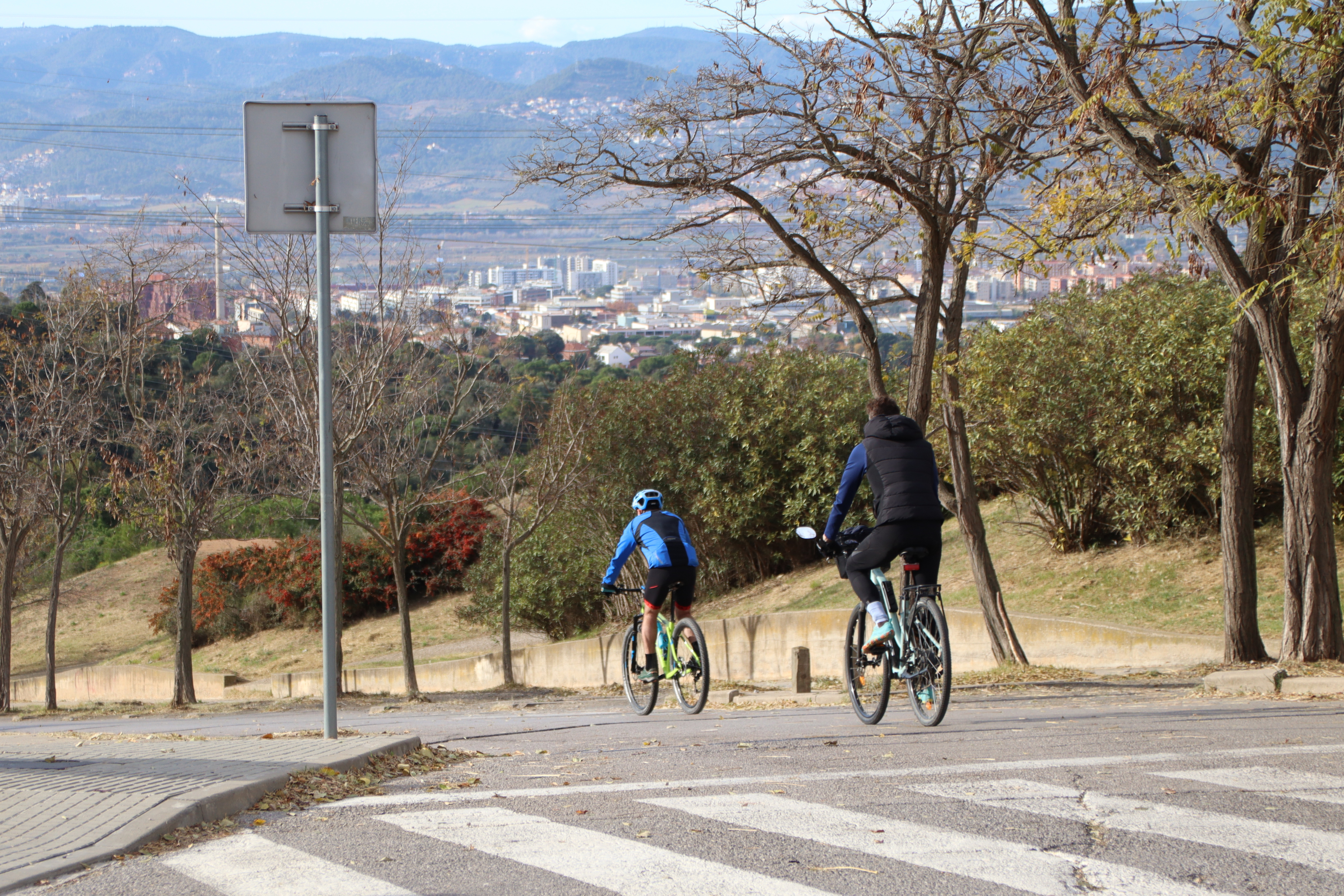
In these areas, organised leisure activities remain restricted, but individuals are now allowed to access natural areas for walking or cycling, provided they do not do so in groups.
The easing of restrictions allows residents of cities such as Barcelona, Badalona, L’Hospitalet, Granollers, Castellbisbal, Martorell, Olesa de Montserrat and Premià de Mar, among others, to return to natural spaces.
However, restrictions remain in place in the municipalities closest to the outbreak, all within the six-kilometre radius. These include Cerdanyola del Vallès, Barberà del Vallès, Badia del Vallès, Santa Perpètua de Mogoda, Ripollet, Montcada i Reixac, Sant Cugat del Vallès, Sant Quirze del Vallès, Sabadell, Polinyà, Terrassa and Rubí.