Spain's 2026 general election: A who's who guide to parties and candidates in Catalonia
Forty-eight seats are up for grabs in Catalonia on November 29
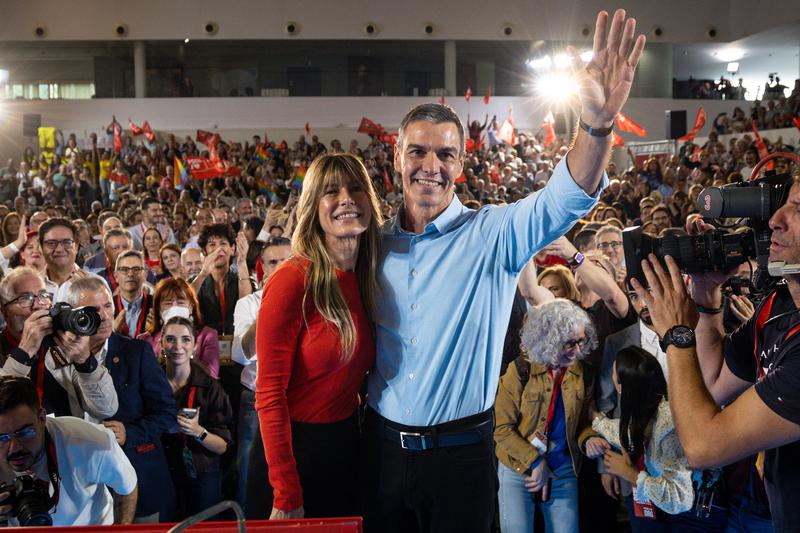

In an effort to capitalize on the left's mobilization around housing, Spanish President Pedro Sánchez announced Spain's general election early for November 29.
Catalans will see 48 candidates get elected to the Spanish Congress this November, with 32 seats up for election in Barcelona, 6 in Girona, 6 in Tarragona and 4 in Lleida.
All parties have already appointed their top names, either with an open vote among party members or simply by proposing a specific person to be ratified as the party's leader in the election.
The Catalan Socialists (PSC) are projected to win the most seats in Catalonia, while Esquerra Republicana (ERC) are expected to make gains, according to a survey by the Catalan government's Centre for Opinion Studies (CEO).
Here's a list of the relevant parties, including who is running in Barcelona and the candidates for prime minister.
Socialist Party (PSC in Catalonia, PSOE in Spain)
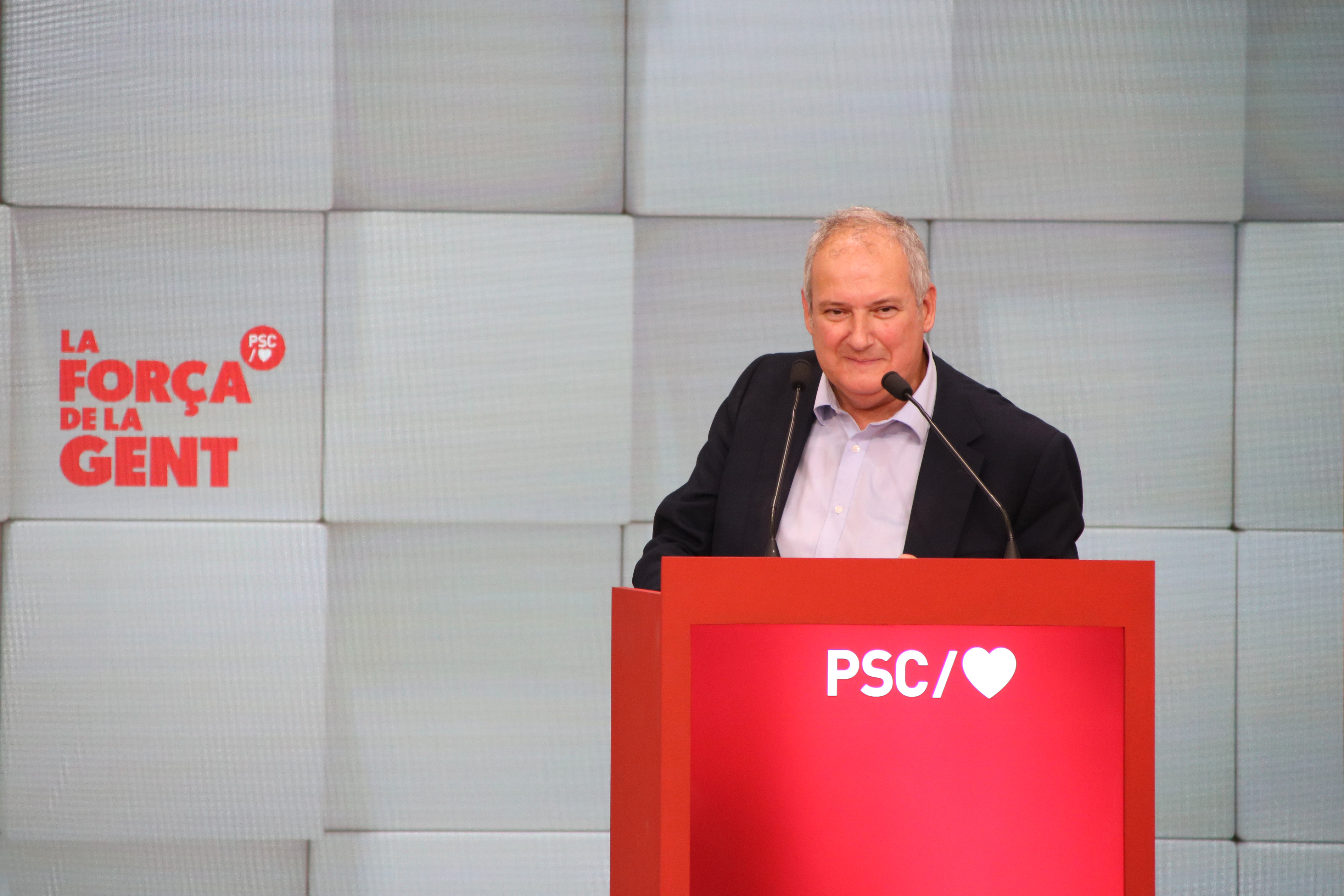
Former Barcelona mayor and current Minister of Industry and Tourism in the Spanish government, Jordi Hereu, will be Barcelona's top candidate for the Socialists.
Spanish Prime Minister Pedro Sánchez is the overall head of the Socialist party and will be their candidate for prime minister once again.
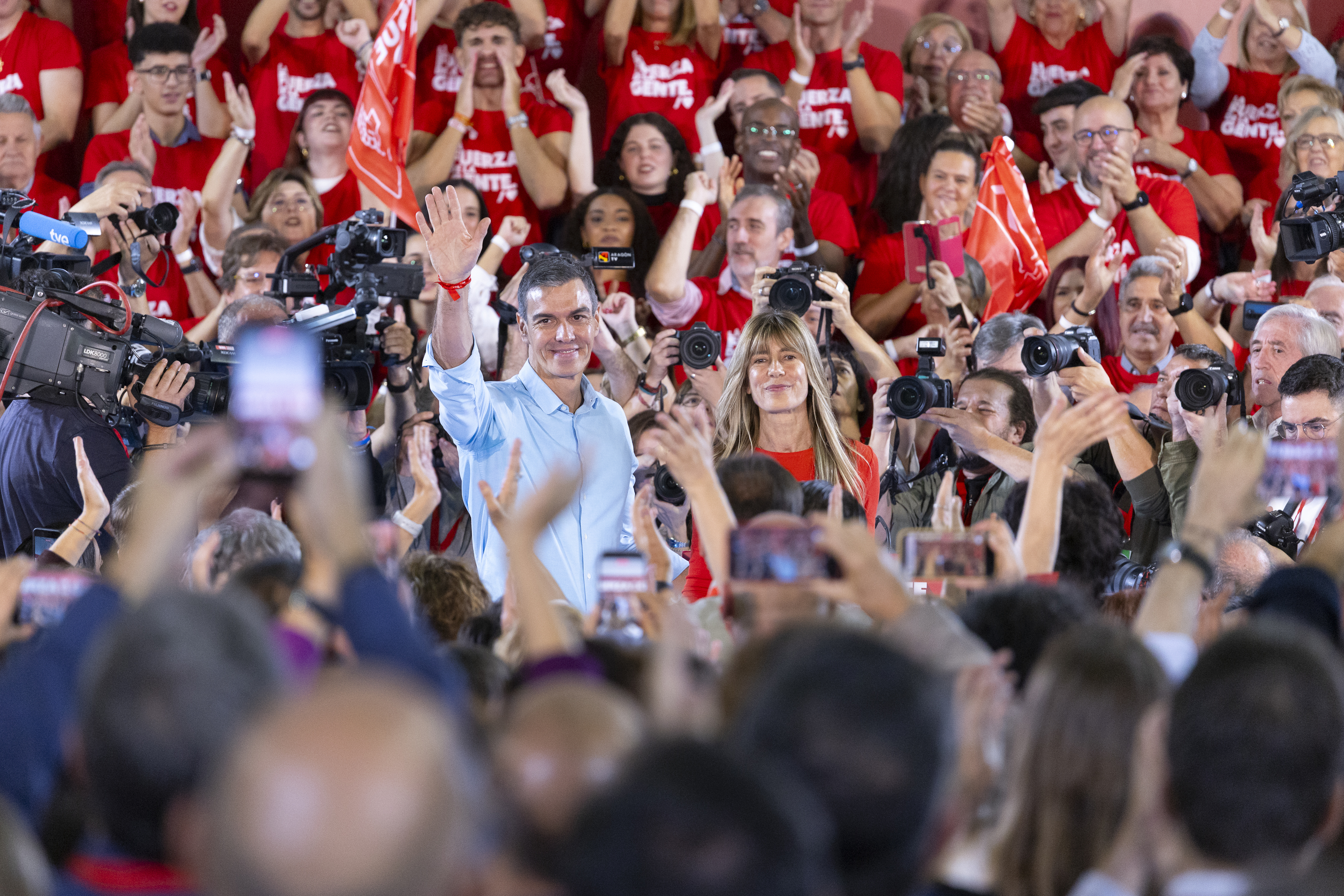
The Socialists have been in power in Spain since 2018 when Sánchez was first elected, yet have never held a majority in Congress and have relied on smaller parties to get its policies passed.
Amid major housing protests across Spain, Sánchez dissolved Congress and called the election for November 29, seeking to frame housing as the central issue.
Catalan President Salvador Illa, also a member of the Socialists, has framed the election as a choice between two options, telling citizens to decide between Sánchez and the People’s Party's Alberto Núñez Feijóo.
For his part, Hereu has championed the Socialist ballot as the "clearest and most distinct" option to "defeat" the far right at the polls, and as the "fastest and most effective" path to defending the rights of the welfare state.
The Socialists and Sánchez will be hoping to extend their eight years in power for another term, but as before, are likely to need support from other parties to have a chance of forming a government.
People's Party (PP)
The mayor of Badalona, Xavier García Albiol, will be the PP's lead candidate for Barcelona.
Albiol has had three terms as Badalona mayor, holding the position for a total of 11 years. His first stint came from 2011 to 2015 before his second term from 2020 to 2021. He was reelected mayor by an absolute majority in 2023.
It is notable that a right-leaning candidate like Albiol has held such a position for as long as he has, considering Barcelona is a region largely considered to be left-leaning. In fact, of the 32 seats available in Barcelona during the 2023 election, 22 were taken up by left-leaning candidates.
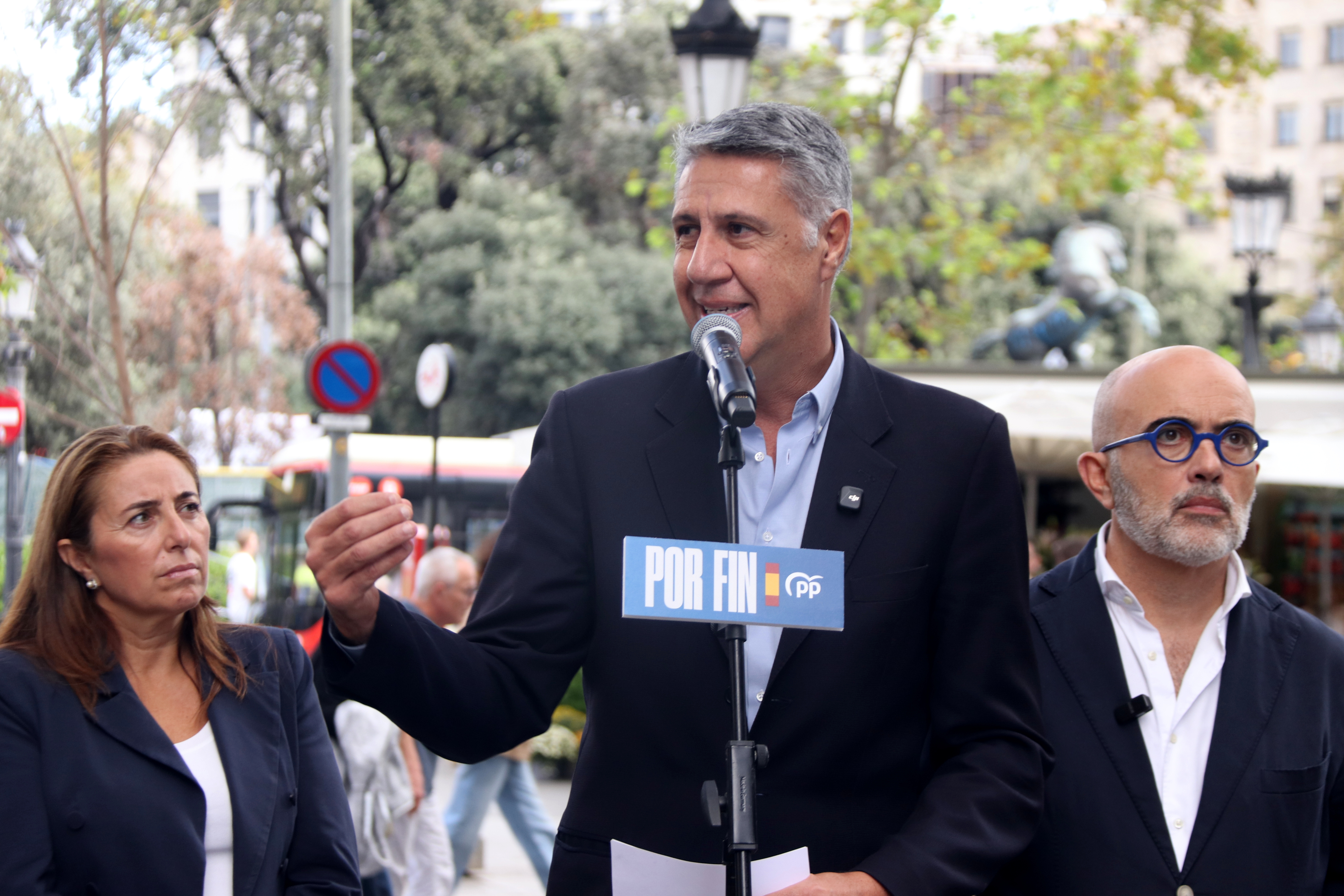
PP leader Feijóo has asked Albiol to "spearhead" the party's anti-squatting legislation at the national level and to serve as the rapporteur for the bill in Congress, with the goal of enabling evictions to be carried out within 48 hours.
Feijóo has pledged to eradicate any form of "indoctrination" in classrooms and to guarantee the teaching of Spanish throughout the country, alongside the co-official languages of the respective autonomous communities.
This is outlined in his ‘Contract with Spain,’ an agreement detailing the commitments he intends to undertake should he become the head of the Spanish government.
Albiol clarified that ensuring the use of Spanish in classrooms does not come at the expense of Catalan, saying that his responsibility was to "ensure proficiency in both languages."
Albiol has said that he would not step down as Badalona mayor, despite running for a seat in the Congress of Deputies.
Furthermore, he stated that he would work to ensure Feijóo earns the "trust" of the Catalan people, remarking, "Galicians and Catalans are not so different." Feijóo served as the Galician president from 2009 to 2022.
Feijóo will be hoping to become the first PP Prime Minister since 2018, but is likely to need Vox's support, and potentially that of other parties, to secure a majority.
Junts
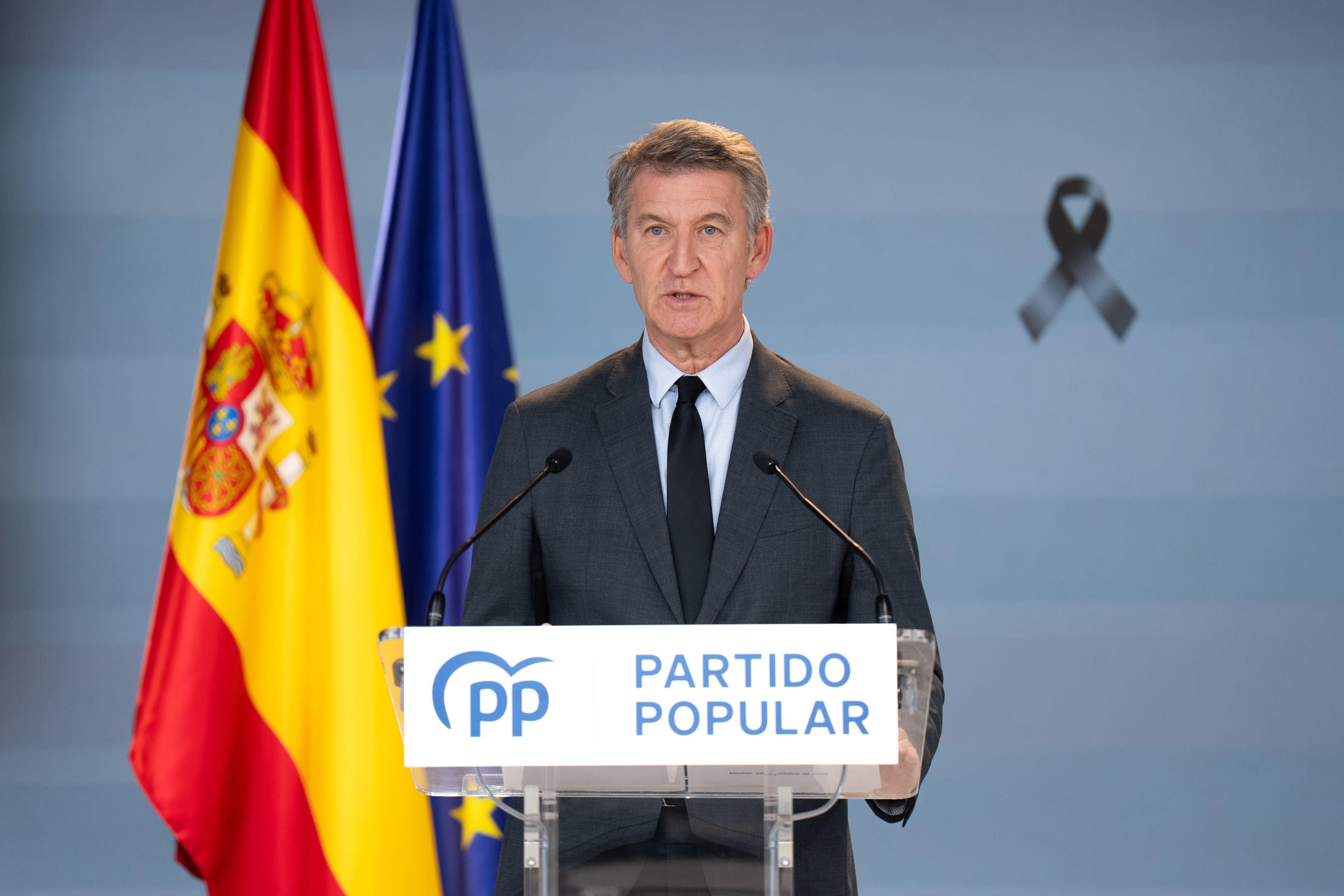
Pro-independence party Junts has again chosen Míriam Nogueras as its lead candidate for Congress.
A member of the Spanish Congress since 2016 and the party's current spokesperson in the chamber, Nogueras has described Junts as a "meeting point" for Catalans who are "tired of the extremes," and has championed its role in curbing the "two Spanish blocs."
She linked this stance to the defense of the Catalan language, the middle class and the working population, stating that the party represents "the Catalonia that works, the Catalonia that cares for others, the Catalonia that pays its way, the Catalonia that fulfills its obligations and the Catalonia that is fed up, with footing the bill for everyone else."
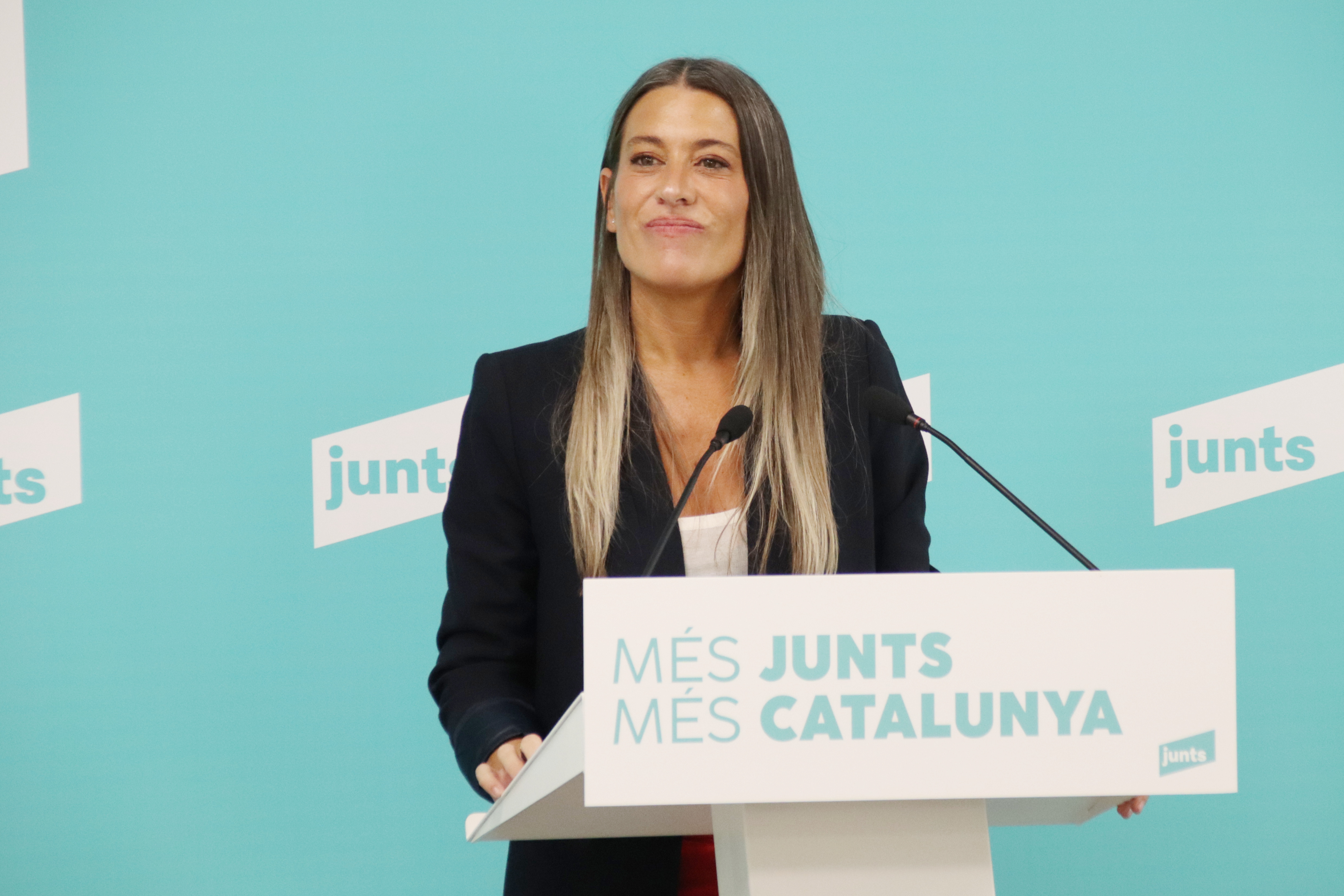
She framed the upcoming vote as a pivotal decision regarding the country's future, saying "what is at stake is Catalonia’s capacity to defend itself, to rein in the extremes, and to ensure that Madrid works for Catalonia, rather than the other way around."
She also defended the party's rejection of the two royal decrees on housing introduced by the Spanish government, labeling them as "irresponsible." She maintained that the party opposed them despite "the noise and the hypocrisy," asserting that they were the only political force with "the courage to tell the truth."
Junts are led by former Catalan President Carles Puigdemont and supported Sánchez's reelection in 2023. They have since withdrawn their support for the Spanish government, which has made it difficult for Sánchez to pass legislation during the last year.
The party will be hoping to win enough seats to influence the parliamentary arithmetic and play a key role in deciding who forms the next government, in return for concessions for Catalonia.
Esquerra Republicana (ERC)
Gabriel Rufián is once again the lead candidate for ERC, the other pro-independence party standing in the election. Rufián recently published a book titled 'Com guanyar els fatxes' which translates to 'How to Beat the Fascists.'
In this book, Rufián details the need of the political left to form a common front, to "maximize" results in light of the possibility that the PP and Vox might secure an absolute majority.
However, he has been unable to achieve his aim.
Rufián did come to an agreement with Irene Montero's party Podemos, where she will not run in Catalonia, instead urging her voters to support ERC, while Rufián campaigns for Podemos in the rest of Spain.
But a broader deal with Broad Front (previously Sumar) remained out of reach.
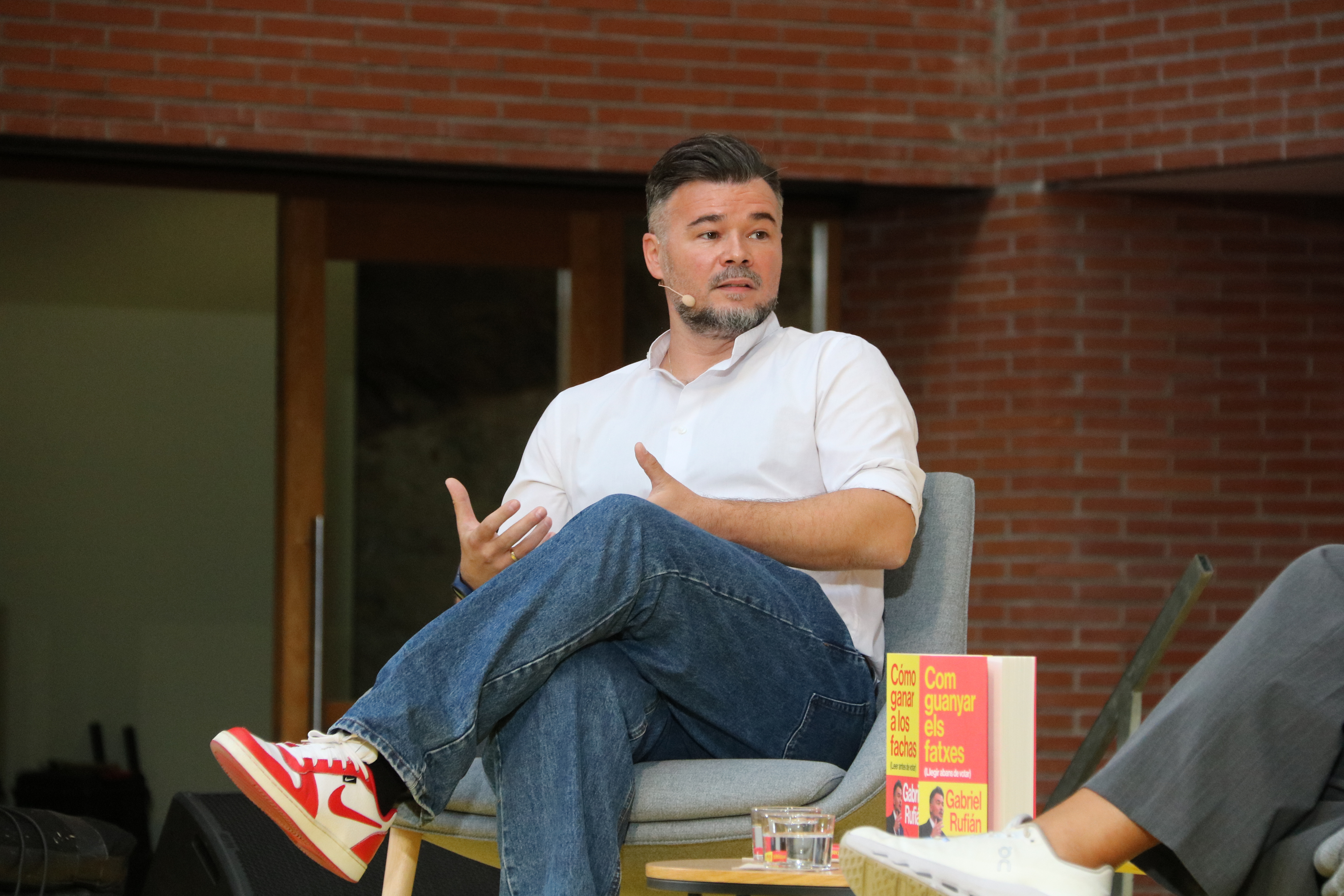
In his book, Rufián outlines his proposals for combating the far right and calls on the "Catalan, Basque, Galician, Valencian, and Andalusian sovereignist movements" to take a leading role in the state's governance, compelling the Socialists to advance social rights and resolve territorial conflicts.
He also directs criticism at Junts, a party he deems "toxic" and which, he argues, should be consigned to "complete ostracism for years to come."
ERC president Oriol Junqueras has confirmed that two events to be held in Catalonia featuring Gabriel Rufián and Irene Montero will take place "without party labels."
Junqueras has been placed 31st on the ERC's Barcelona list for the election, a symbolic move following the Supreme Court's application of the amnesty law and the recent lifting of his ban on holding public office.
ERC will be hoping for another Socialist-led government that depends on its support, giving it leverage to push for concessions for Catalonia.
Broad Front (previously Sumar)
Former Barcelona mayor Ada Colau will be the lead candidate for Broad Front, a left-wing alliance whose composition broadly mirrors that of Sumar, the junior partner in Spain's governing coalition.
As Broad Front noted in a statement, the move represents a "historic initiative" as it assigns the candidacy for Spanish premiership in the elections to the candidate from Barcelona rather than from Madrid, as is customary.
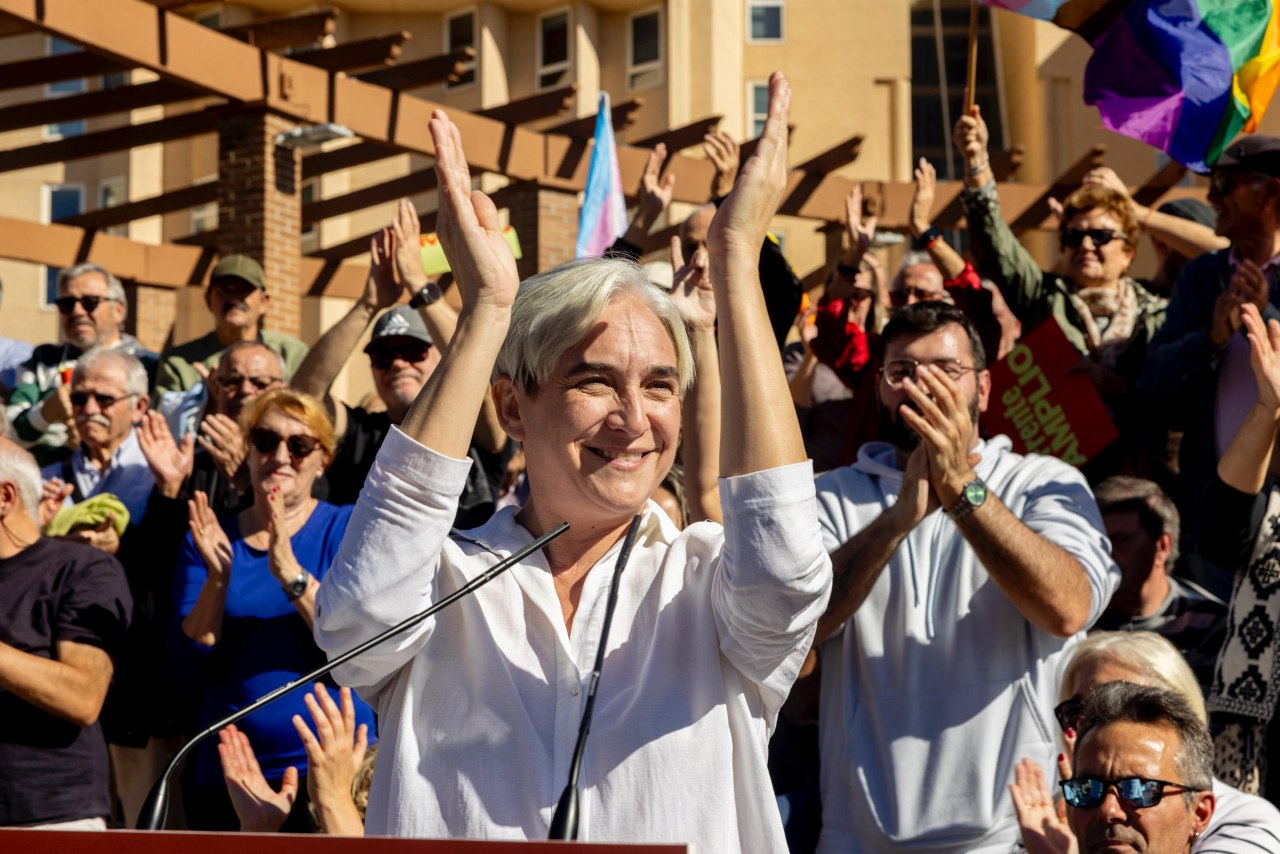
Colau acknowledged that many people are "disappointed," that the alliance does not include Podemos, but insisted that they worked "until the very last moment" to try to secure a pact.
Housing has been a central theme in the pre-campaign speeches of this new political platform. The party has declared it wants to put an end to evictions and Colau has even recalled her background as a housing activist, describing herself as “an imperfect woman, but one with firm principles.”
"There is no age group in this country for whom housing does not pose a massive problem. And I will not let you down," said Colau, adding that her political platform would be "bolder" than the Socialists on this issue.
Broad Front will be hoping to ensure it remains an essential partner in any Socialist-led government.
Vox
Once again Vox will see Santiago Abascal at the top of its list for Prime Minister, his fourth attempt to gain the position. In Barcelona, the far-right party will see Juan José Aizcorbe as its top representative.
Vox Secretary-General and the leader of the party in Catalonia, Ignacio Garriga, asserted that the election presents only two choices.
"Civilization or barbarism," he said. "Defending our borders, putting an end to the 'pull factor' [for migration], and upholding our identity; or continuing to back Pedro Sánchez, the 'migratory invasion,' the erosion of our identity, and the collapse of public services."
Thus, he states that over the last few years, more than a million immigrants have arrived in Catalonia, and "this compromises the identity of neighborhoods and the safety of the streets, and overwhelms public services."
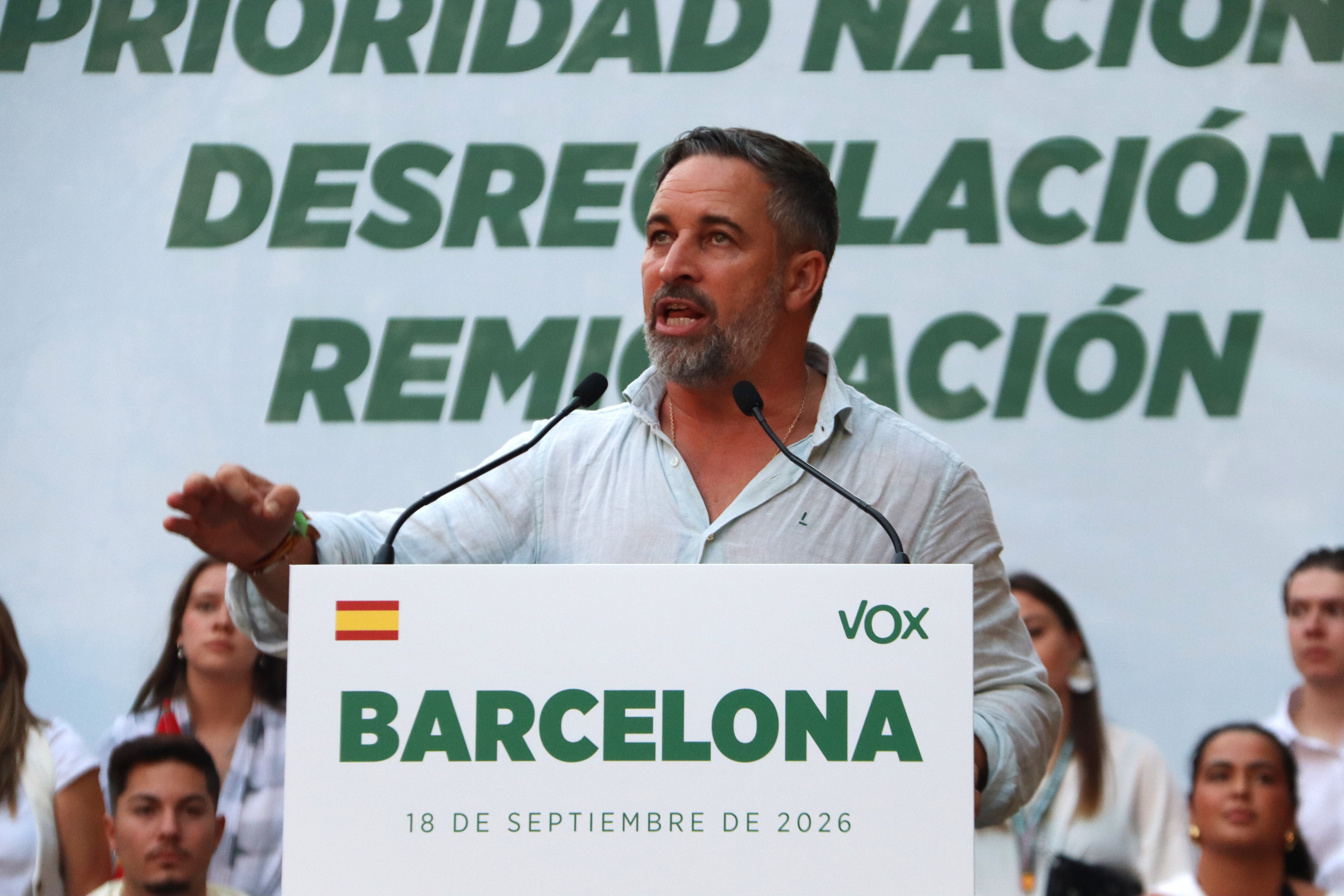
Vox will be hoping to secure enough seats to enter government alongside the PP, which would mark an unprecedented return of the far right to Spain's national government since the end of Franco's dictatorship.
Senate
Spain will also be electing a new Senate on November 29. In Congress, seats are distributed by population, whereas the Senate combines equal representation for mainland provinces with additional senators appointed by autonomous communities.
The Socialists and the Broad Front have reached an agreement where the Broad Front will withdraw its Senate candidacies in the constituencies of Girona, Lleida, and Tarragona in favor of Socialists' candidates.
In exchange, the PSC will appoint a senator proposed by the Broad Front, as both parties announced in a joint statement on October 27.
"It is a democratic responsibility for progressive and Catalanist forces to block the path for the right and the far-right in the Senate," they said.
The agreement comes the day after the PP and Vox agreed on a joint strategy for the Senate across 23 provinces, which includes the withdrawal of PP candidates in the constituencies of Tarragona and Girona.
"It is particularly concerning that this agreement hands over leadership in Catalan constituencies to Vox, a far-right force that seeks to dismantle Catalonia’s institutions, rights, and freedoms, as well as our self-government," the Socialists and the Broad Front said in the joint statement.
Parties not standing
Two pro-Catalan independence parties, at opposite political extremes, decided not to stand this year.
Both Candidatura d'Unitat Popular (CUP) and Aliança Catalana (AC) announced they won't be standing this year, with far-left CUP announcing that it believes "the political conditions for doing so do not currently exist."
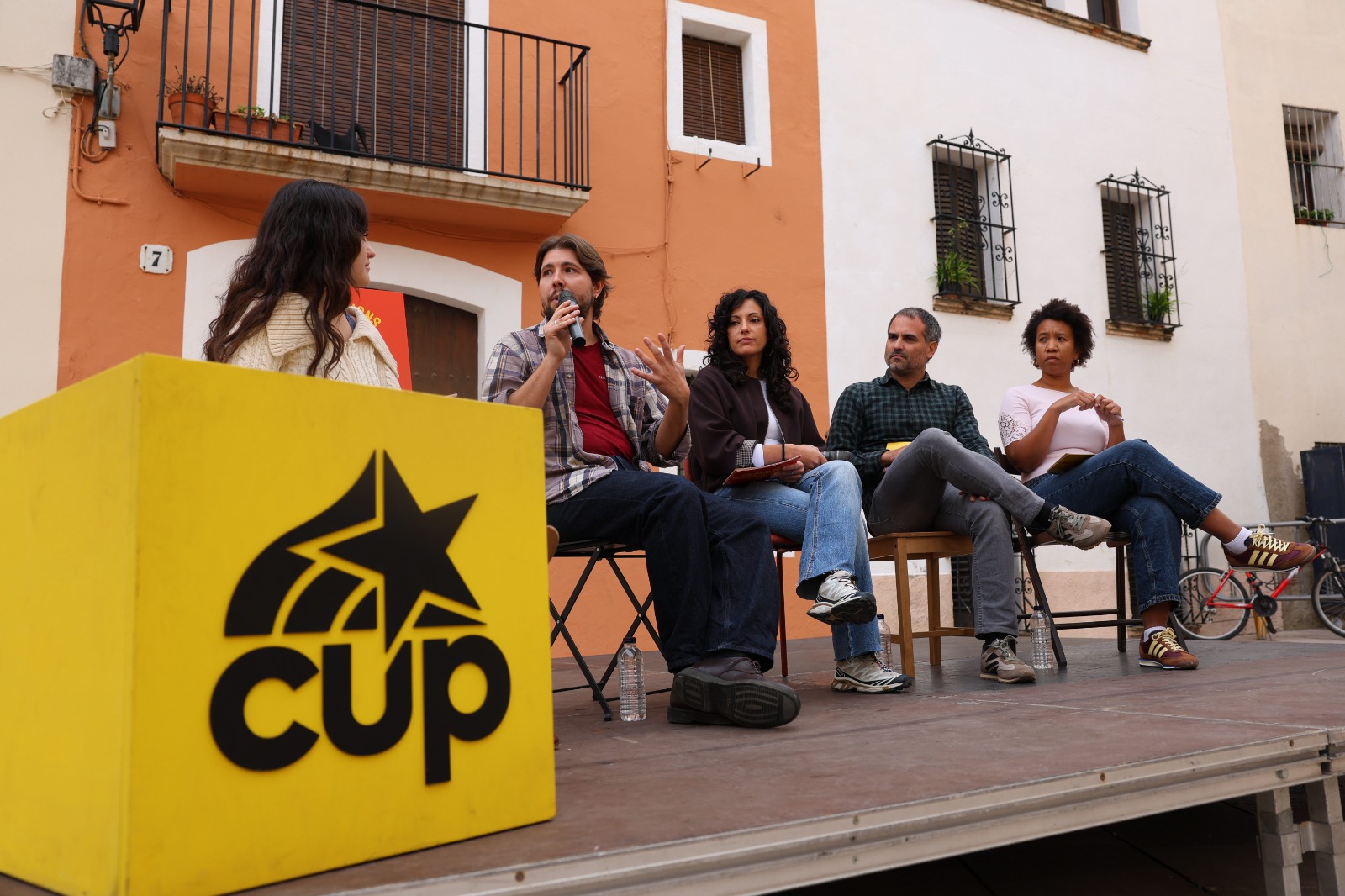
In the last general elections, held in July 2023, CUP ran with Albert Botran as its lead candidate for Barcelona, but it lost the two seats it had held in the Congress of Deputies and was left without representation.
Polls show far-right AC could be fighting to be the second-biggest party in the Catalan Parliament, with the next elections due 2028.