Spain renews push for Catalan to become official EU language
Sánchez government asks EU ministers to debate official status for Catalan, Basque and Galician on September 22
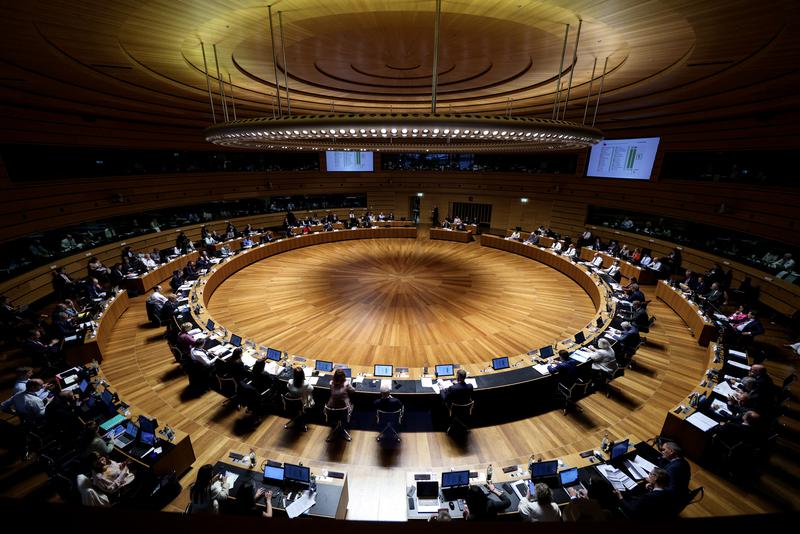

The Spanish government has asked for Catalan, Basque and Galician to be added to the agenda of the EU General Affairs Council meeting on September 22, where the bloc's European affairs ministers will meet in Brussels.
Spain has submitted the request, but it has not yet been confirmed that the issue will be included on the agenda.
Sources from the Irish presidency of the Council of the EU told the Catalan News Agency (ACN) that they had noted the request and that the agenda would be finalised in the coming days
The last time EU ministers discussed Catalan's official status was in July 2025.
Diplomatic sources said Spain had asked for the issue to be included as a discussion item, rather than for a vote. No decision would therefore be taken.
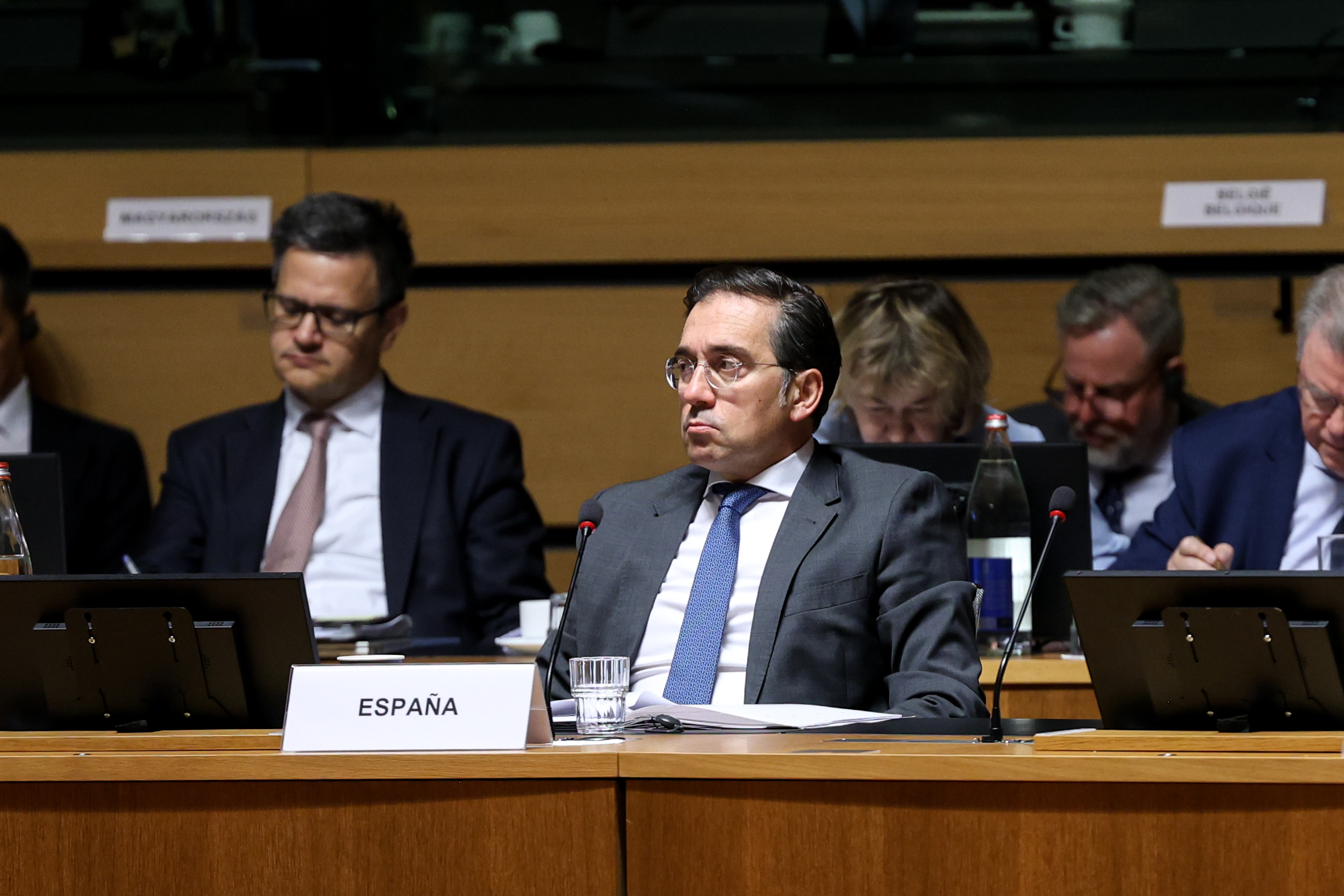
According to the same sources, the Sánchez government is expected to once again present its arguments in favour of official status for the three languages before ministers from other EU countries debate the proposal.
Spanish government sources said no new proposal had been put forward ahead of the September 22 meeting.
The last document presented by Spanish foreign minister José Manuel Albares's team, in July 2025, failed to convince other EU capitals.
A debate that remains deadlocked
Spain first asked for Catalan, Basque and Galician to be included in the EU's official language regime in September 2023, following a deal between the Socialists and pro-independence Junts to secure support for Pedro Sánchez's bid for another term as prime minister.
The issue has since been raised with EU foreign affairs ministers on six further occasions, but no decision has been taken.
The last discussion in Brussels took place on July 18 last year. The debate lasted nearly an hour, but ministers ended the meeting without putting the issue to a vote, despite the Spanish government having presented a new proposal aimed at addressing other member states' legal and financial concerns.
At that meeting, Spain's secretary of state for the EU, Fernando Sampedro, clashed with his German counterpart, Gunther Krichbaum. Diplomatic sources present described the exchange as "tense."
In October last year, amid threats from Junts to withdraw its support for Sánchez's government, Spain and Germany announced the opening of a "bilateral dialogue" aimed at bringing their positions closer.
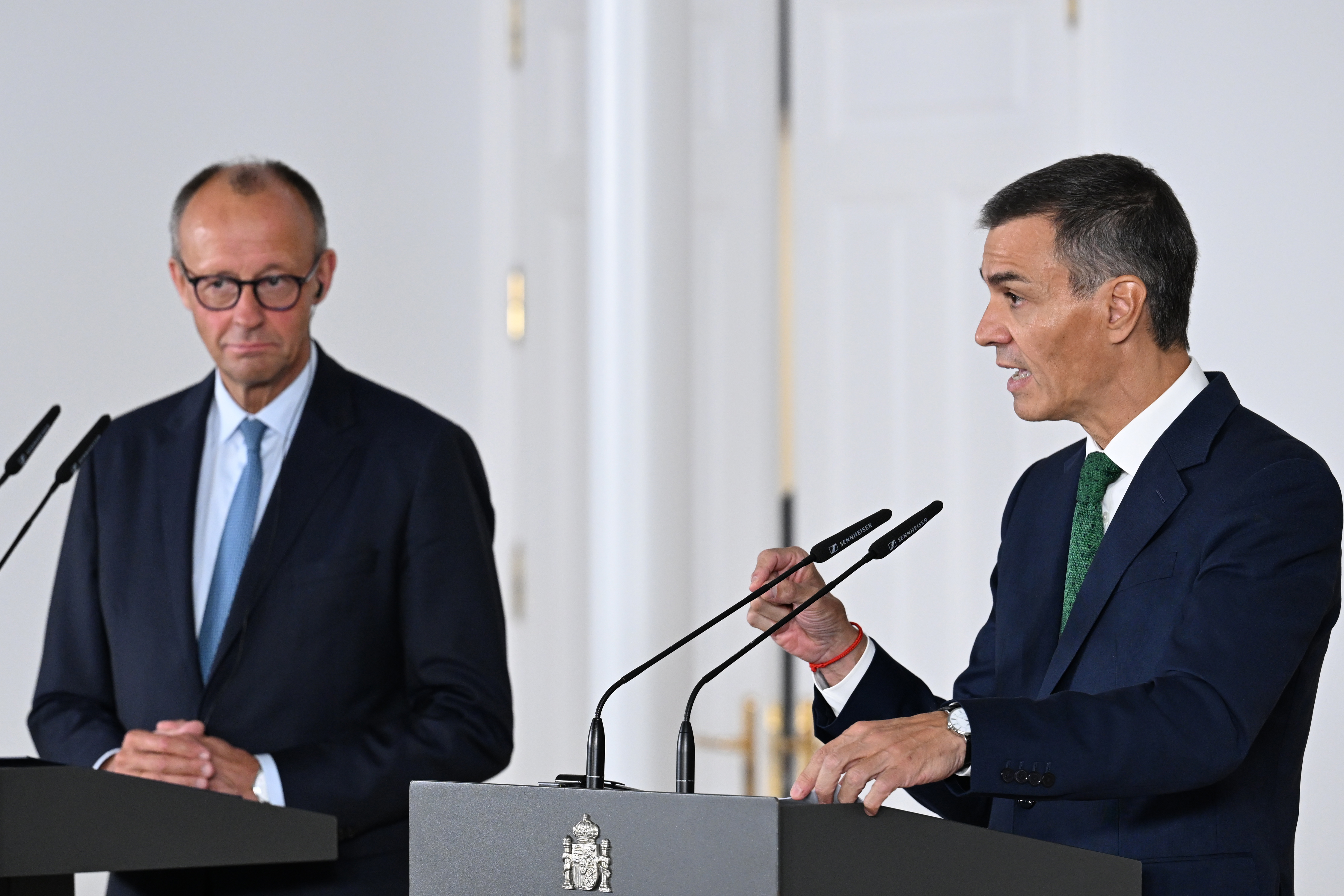
Talks between Madrid and Berlin have not produced any results, although Albares has continued to insist that progress is being made.
Countries that have opposed official status or expressed doubts include Germany, Austria, Croatia, Italy, Sweden, Czechia and Finland.
Belgium, Hungary, Ireland, Portugal, Romania, Denmark, Slovenia and Cyprus have expressed support.
Spain's proposal
In an effort to win over other member states, the Spanish government put forward a proposal last year for the partial and gradual implementation of official status for Catalan, Basque and Galician.
Under the plan, implementation would begin in 2027, initially guaranteeing only the translation into Catalan of regulations adopted by the EU Council and European Parliament.
The remaining obligations associated with official language status would be suspended until the EU Council – representing the member states – decided otherwise.
Spain's proposal says that "within four years from" 2027 "and at subsequent five-year intervals", member states would consider granting full official status to Catalan, Galician and Basque.
"Spain's proposal for the full recognition of Basque, Catalan and Galician as official EU languages replicates the sequence followed for the recognition of Irish in 2005," the document says.
Irish, the last language to be declared official by the EU, took 17 years to achieve the full implementation of its official status.
To prevent the opening of "Pandora's box", as some member states fear, Sánchez's government included seven "strict requirements" in its proposal to amend the regulation governing the EU's language regime.
These would have to be met if other countries later sought official status for a language.
The criteria include the language having a historical origin in the member state making the request; having been an official language in that state for more than 40 uninterrupted years and since before it joined the EU; being a working language in the member state; being used in legislation in the territory where it is official; and the member state assuming "all costs" arising from the measure.
Spain has made clear from the outset that it would cover the costs associated with making Catalan an official EU language.
In its latest proposal, the Sánchez government sought to add an article to the revised language regulation explicitly stating that the Spanish government would bear all costs.