Bid to make Catalan official EU language stalls
One year since European Union last debated granting Catalan official status, Spain insists approval is "a matter of time"
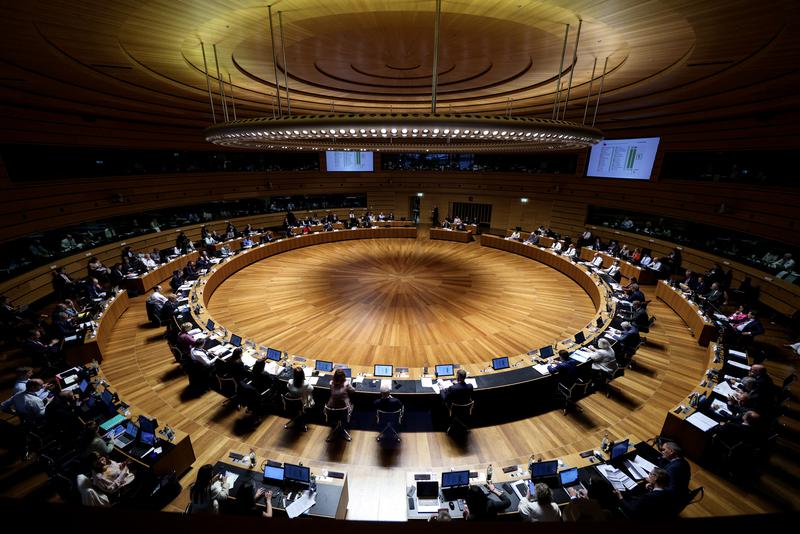

One year has passed since the European Union last debated making Catalan an official EU language, with the issue once again absent from the agenda of the final meeting of foreign ministers before the summer break.
Spain insisted on Tuesday that approval is only "a matter of time," but it has not asked the General Affairs Council (GAC) to revisit the proposal since July 2025.
Any change to the EU's language regime requires unanimous approval by EU member states via the GAC, but around a dozen countries remain unconvinced despite Madrid's efforts to allay legal and financial concerns.
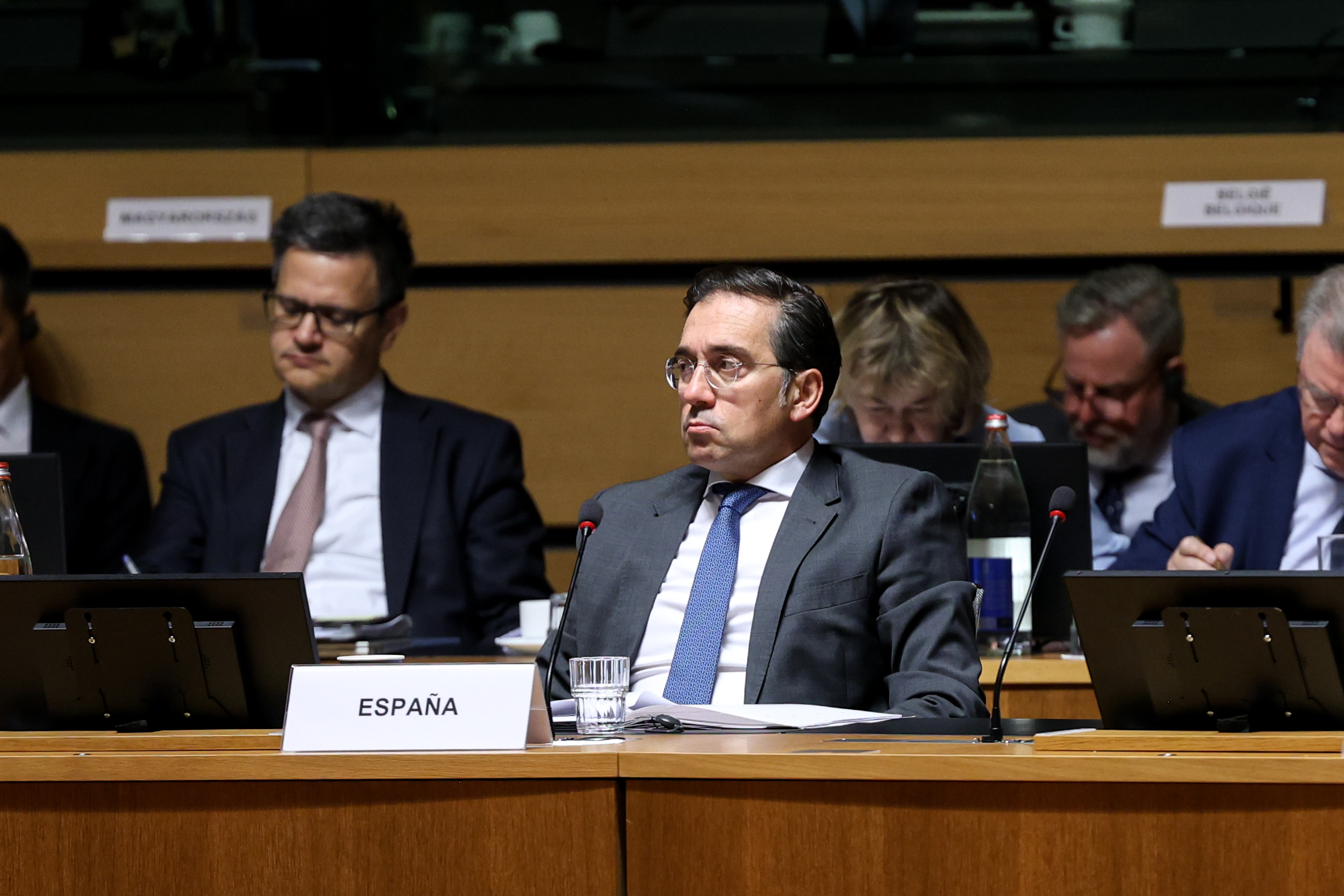
Speaking before Tuesday's GAC meeting, Spain's Secretary of State for the European Union, Fernando Sampedro, said the proposal remained "one of the Spanish government's top priorities" despite not appearing on the formal agenda.
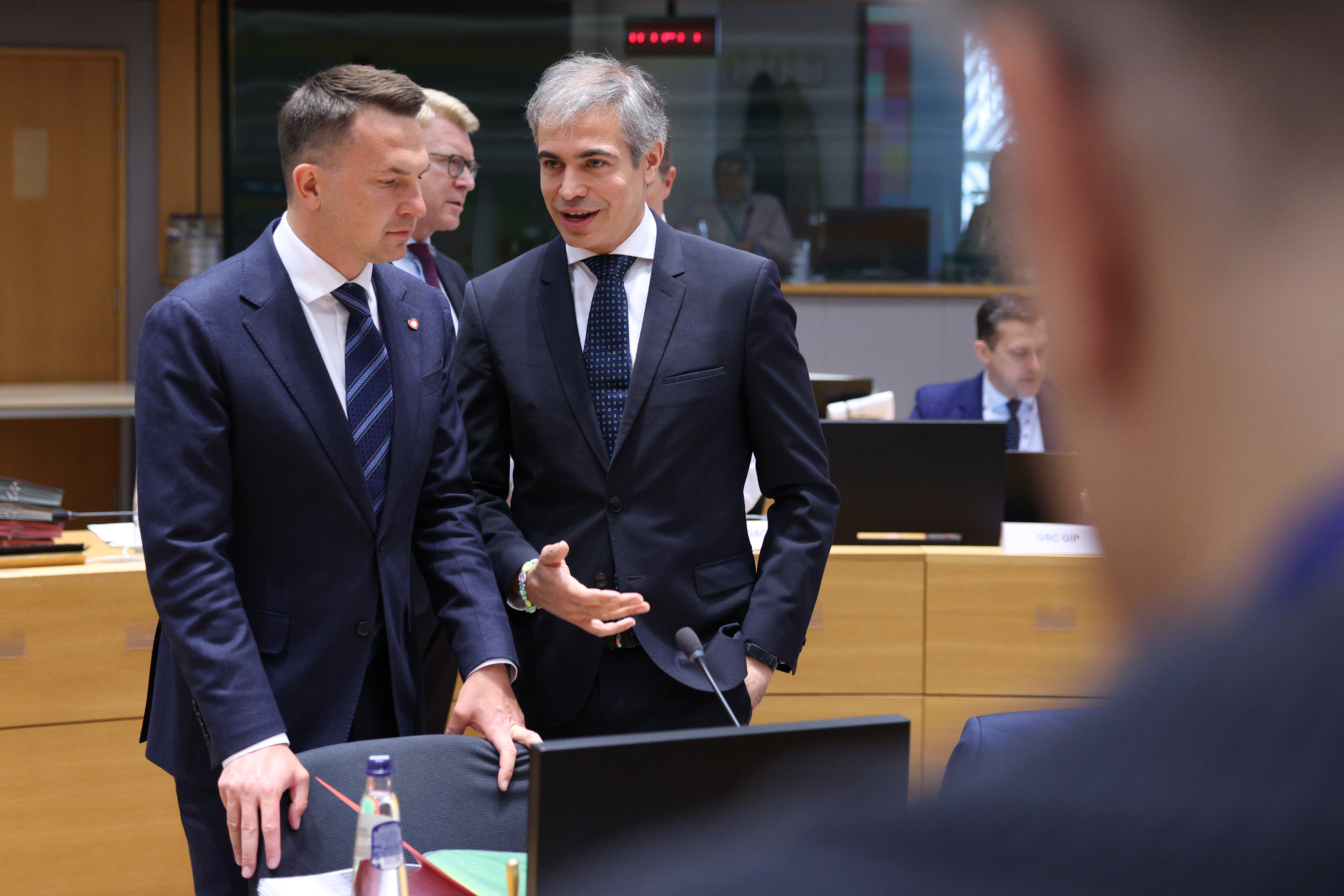
"It is a matter of timing and opportunity," he said, arguing that Spain would seek a vote "when the circumstances are right." Sampedro said Madrid continued to discuss the proposal with all member states, including Germany, and pointed to ongoing bilateral talks between the two governments.
Catalan, Basque and Galician
The Spanish government first sought to add Catalan, Basque and Galician to the EU's official language regulation in September 2023, following an agreement between Spain's governing Socialists (PSOE) and the Catalan pro-independence party Junts to secure support for Pedro Sánchez's new term as prime minister.
While Spain held the rotating presidency of the Council of the EU later that year, it put the proposal on the agenda three more times – in October, November and December 2023 – but ministers declined to put it to a vote.
It returned only once in 2024 and again in May 2025, when member states – led by Germany and including Finland, Sweden and Austria – continued to cite legal and budgetary concerns.
The proposal was last debated on July 18, 2025, at Spain's request. Ministers discussed it for almost an hour but again stopped short of a vote, despite Madrid presenting a revised plan to address objections.
During that meeting, Sampedro held what diplomatic sources described as a "tense" exchange with his German counterpart, Gunther Krichbaum.
Three months later, in October 2025, amid threats by Junts to withdraw its support for Sánchez's minority government, Spain and Germany announced the launch of bilateral dialogue in an effort to bridge their differences.
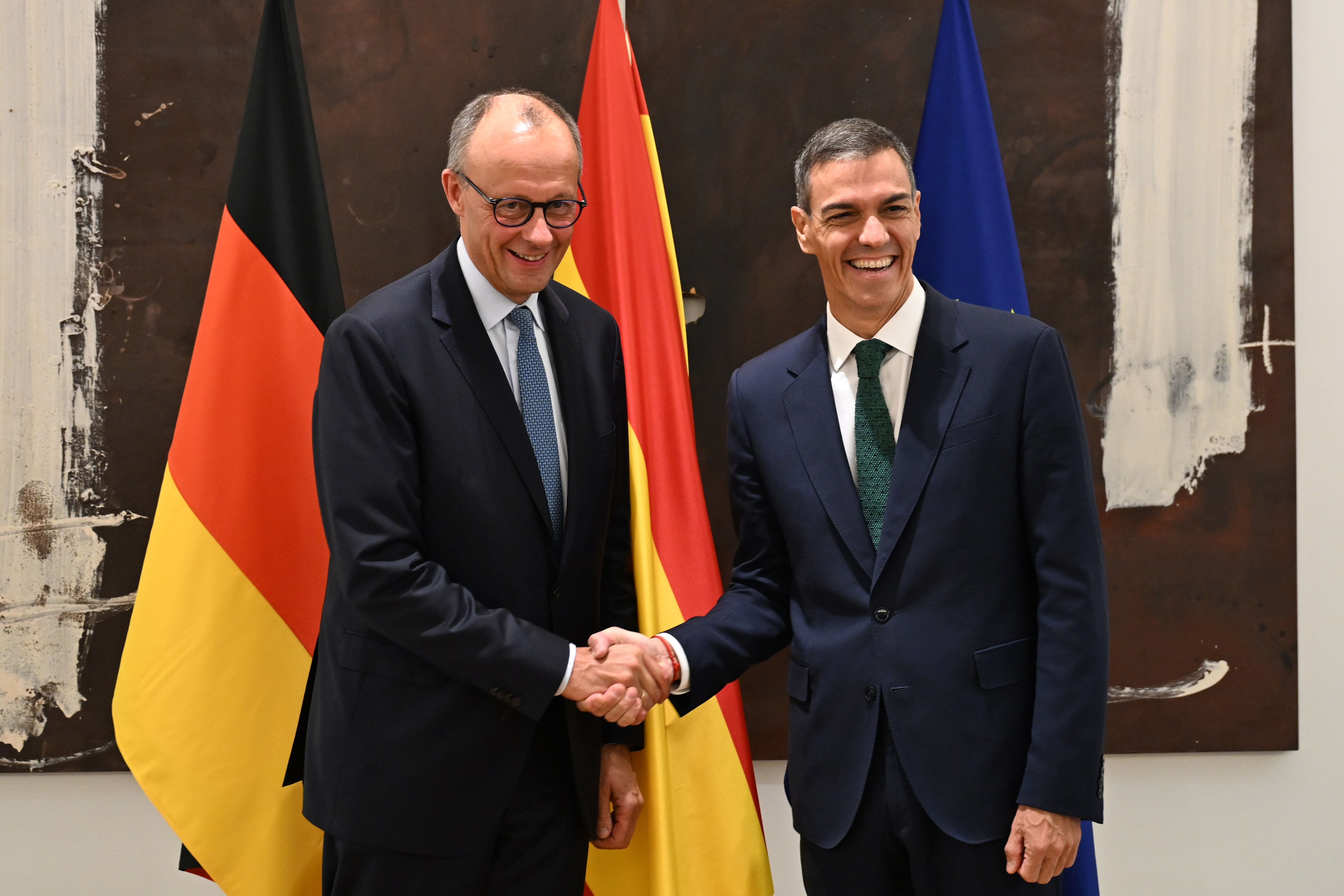
Those talks have yet to produce a breakthrough, although Spanish Foreign Minister José Manuel Albares continues to insist that progress is being made.
Germany's new government under Chancellor Friedrich Merz has not publicly changed its position, and Spain has not requested that the proposal be added to the agenda of any subsequent meeting of EU ministers.
Ireland sees no reason to reopen debate
Ireland is among the handful of member states that have backed Spain’s proposal, alongside Belgium, Denmark and Luxembourg.
Since July 1, Dublin has held the rotating presidency of the Council of the EU, taking over from Cyprus, and is therefore responsible for setting the agenda for ministerial meetings during the current six-month term. However, it has no plans to revisit the official status of Catalan, Basque and Galician until a consensus emerges among member states.
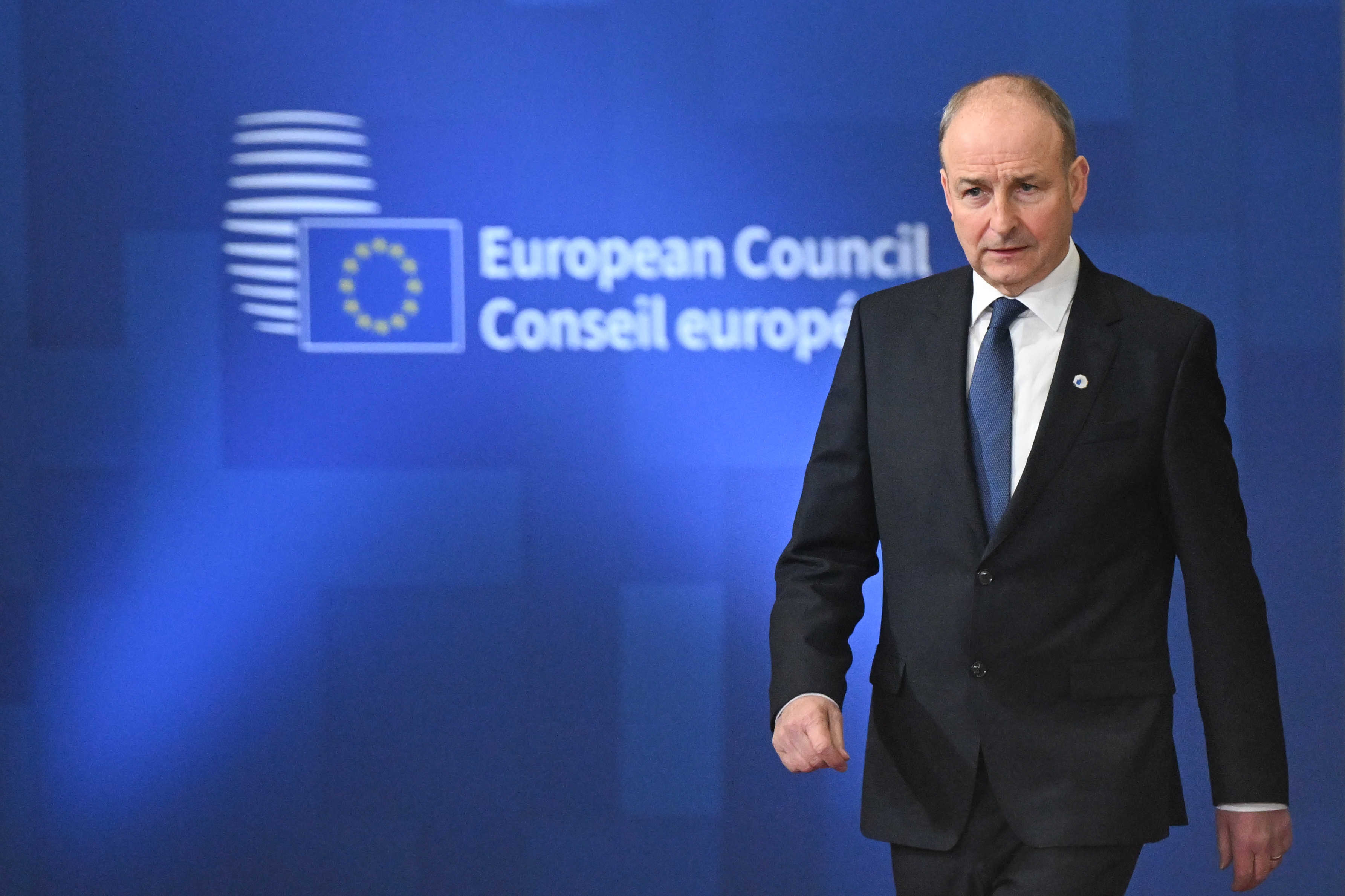
Asked whether Ireland would be willing to place the issue back on the agenda, Ireland's ambassador to the EU, Aingeal O'Donoghue, said she had "always admired the way the Catalan language survived throughout the Franco era" and highlighted the "close ties" between Ireland and Catalonia.
However, O'Donoghue noted that "at the moment" there is still no consensus among member states to approve the measure.
"Only if we saw that things had changed since it was last discussed would we consider bringing it back," she said.
Spain's phased proposal
To win over sceptical governments, Spain proposed last year a gradual introduction of official EU status for Catalan, Basque and Galician.
If approved, the plan would begin in 2027 with translation into Catalan of legislation adopted by the Council of the EU and European Parliament, while other obligations would be phased in later.
Member states would review progress towards full recognition after four years and every five years thereafter.
Spain's proposal for the full recognition of Basque, Catalan and Galician as official EU languages replicates the sequence followed for the recognition of Irish in 2005," the plan states.
Irish, the EU's most recently recognised official language, took 17 years to reach full implementation.
To address concerns in some capitals about opening what they have described as a "Pandora's box" for other languages, Spain's plan sets out seven "strict requirements" for any future requests.
These include that the language must have historical roots in the applicant member state; have enjoyed uninterrupted official status there for more than 40 years and before the country's accession to the EU; serve as a working language within the member state; be used in legislation in the territory where it is official; and that the applicant state assumes "all costs" associated with recognition.
Spain has consistently said it would cover all costs arising from Catalan’s official recognition, and its latest proposal includes a provision making that commitment explicit.
Germany, Austria, Croatia, Italy, Sweden, the Czech Republic and Finland have opposed or raised concerns about the proposal, while Belgium, Hungary, Ireland, Portugal, Romania, Denmark, Slovenia and Cyprus have expressed support.