Global Sumud Flotilla to set sail from Barcelona for the second time
Organizers plan more vessels, participants, and humanitarian aid for Gaza
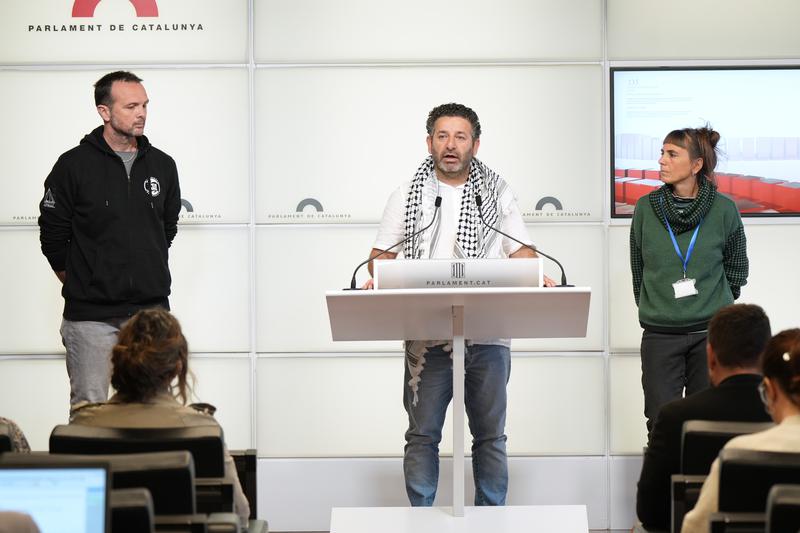

The Global Sumud Flotilla will depart again from Barcelona on April 12, organizers announced on Wednesday, to deliver humanitarian aid to Gaza with "more people and more ships" than last year. The mission is expected to include over 100 vessels and 3,000 participants from 100 countries, including doctors, educators, and researchers.
"At a time of repression, we will return stronger and escalate our action," said Saif Abukeshek, coordinator of the Flotilla, recalling that the previous flotilla was intercepted by the Israeli army.
The Catalan refugee search and rescue NGO, Open Arms, will join the fleet to provide technical support, explained Gerard Canals, the NGO's head of operations, while stressing that departure authorization depends on Madrid.
"We do not accept inaction, and we cannot normalize suffering," Canals added, calling on authorities not to prevent the ship from sailing.
Catalonia mobilizes in support
A pre-departure event will take place on Saturday, April 11, with a large part of the flotilla leaving the Port of Barcelona the following day.
Ariadna Masmitjà, a crew member from last year's mission, urged Catalans to attend the events and contribute financially. "Catalonia and Barcelona, as always, stand in solidarity with Palestine and for peace," she said.
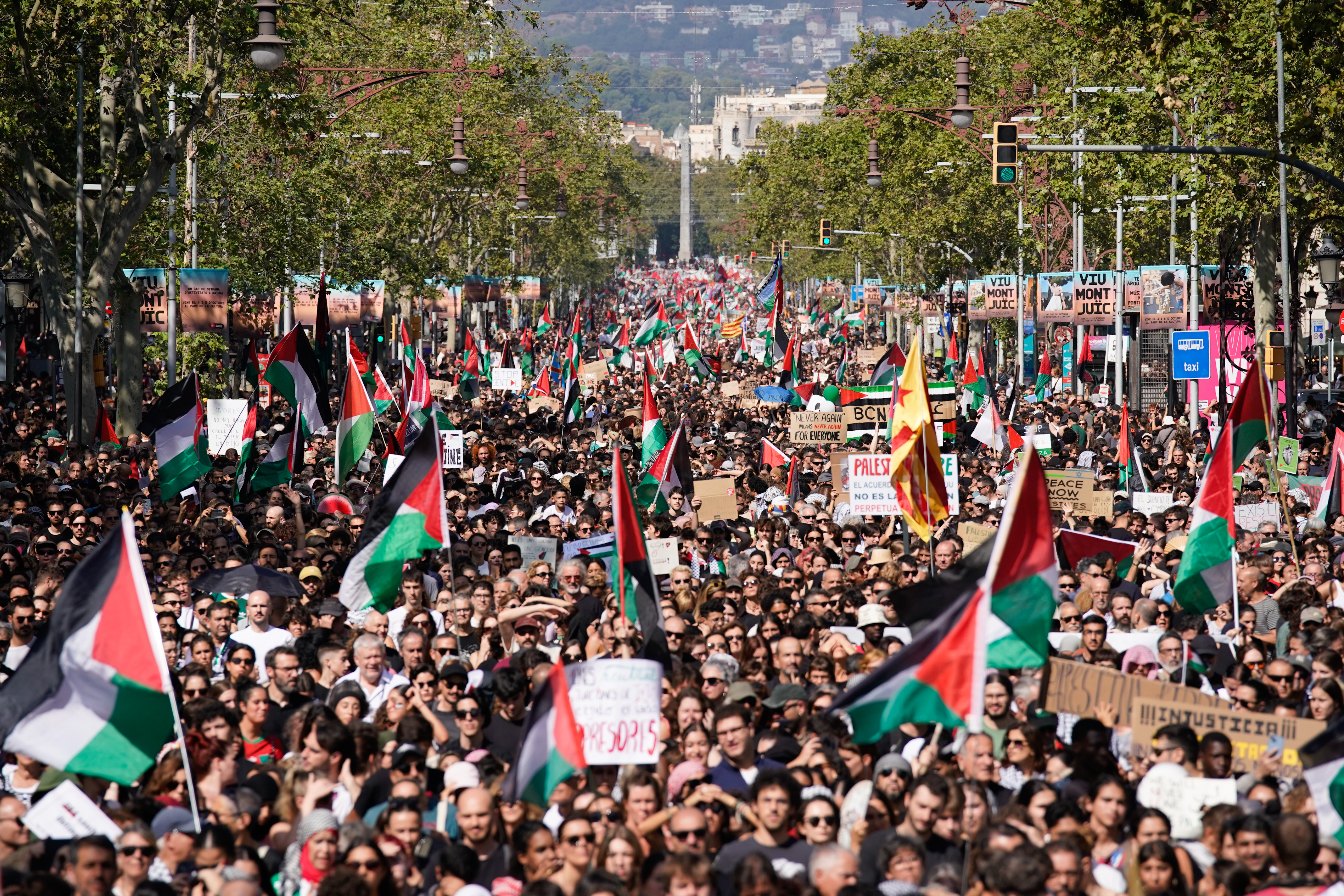
Organizers indicated that additional vessels would join during the journey to Gaza, and that nearly 1,000 doctors are expected to participate. While the identities of other passengers remain hidden, they promised that "well-known people" will be announced closer to departure.
Security concerns
Abukeshek acknowledged that the flotilla faces "no guarantees of safety," citing ongoing actions by the Israeli government. However, he expressed hope of breaking the blockade to reach Gaza.
The first Global Sumud Flotilla, which set sail from Barcelona on August 31 last year, was intercepted by Israel on October 2. The first expedition involved 43 vessels, 500 participants from 48 countries, and important figures such as former Barcelona mayor Ada Colau and Swedish activist Greta Thunberg.
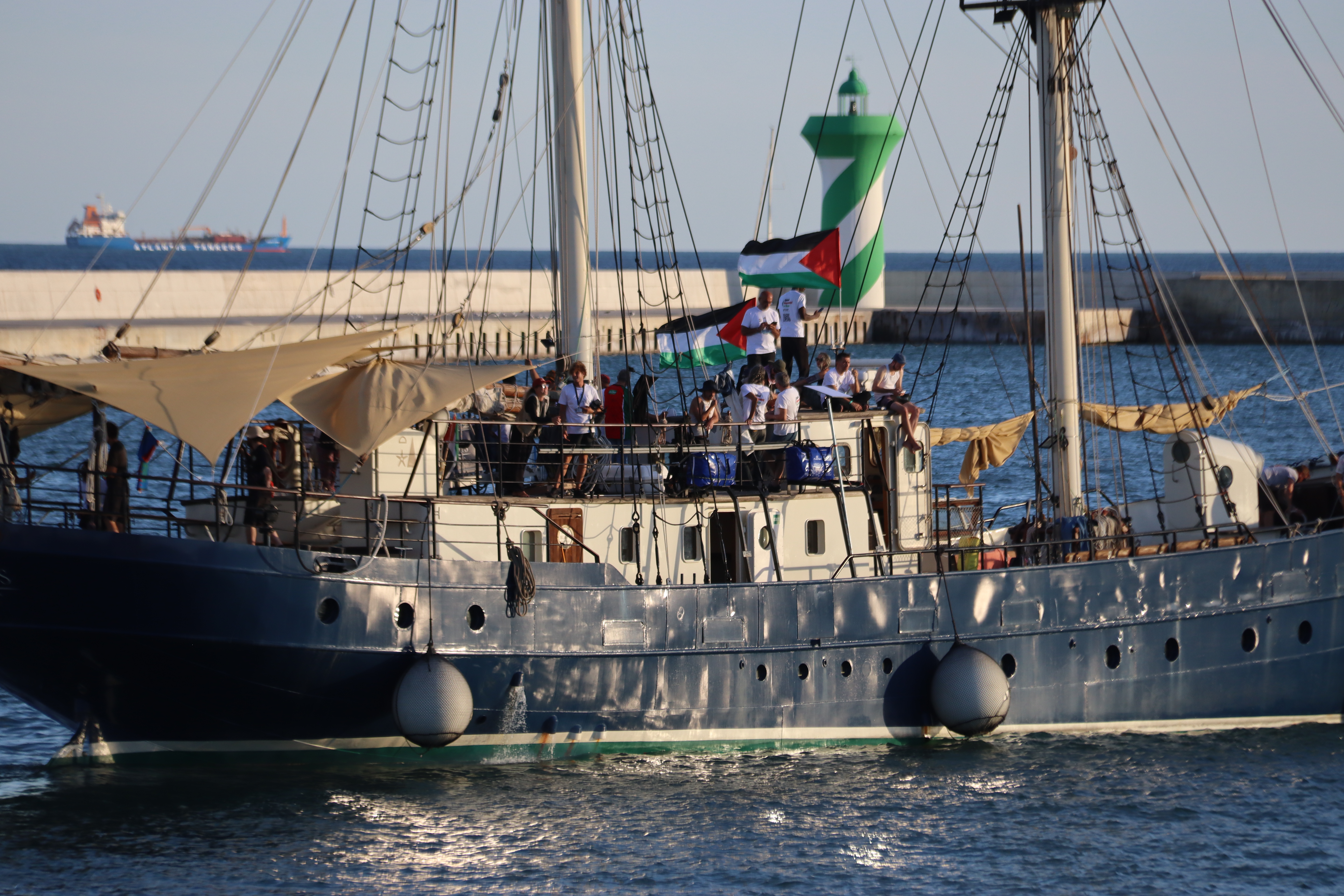
Following last year's interception, international pressure contributed to a ceasefire between Israel and Hamas, even if the situation remains fragile. Abukeshek said the experience taught the flotilla "how to operate at sea" in the face of military intervention, calling the Israeli army's handling of the previous interception "truly inadequate."