Free Rodalies travel until network fully restored
Rail infrastructure manager Adif identifies 648 inspection points on Catalonia's Rodalies network
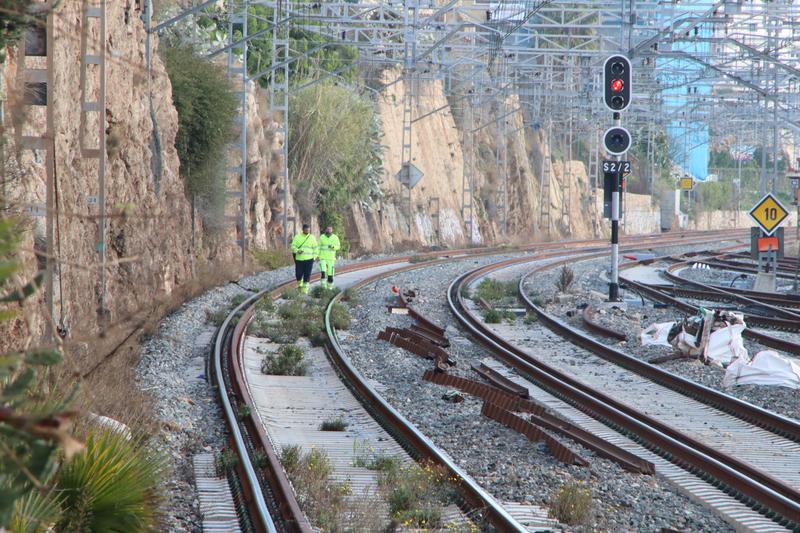

Catalonia's Rodalies commuter services will remain free "until the complete restoration of the system," territory minister Sílvia Paneque announced on Thursday.
Speaking in Parliament, Paneque defended her handling of the rail crisis following the fatal accident in Gelida, saying the government "prioritized safety at all times."
"For the first time," she stressed, the entire Rodalies network – which she described as "fragile" and in a "totally deplorable" state – is undergoing a comprehensive review.
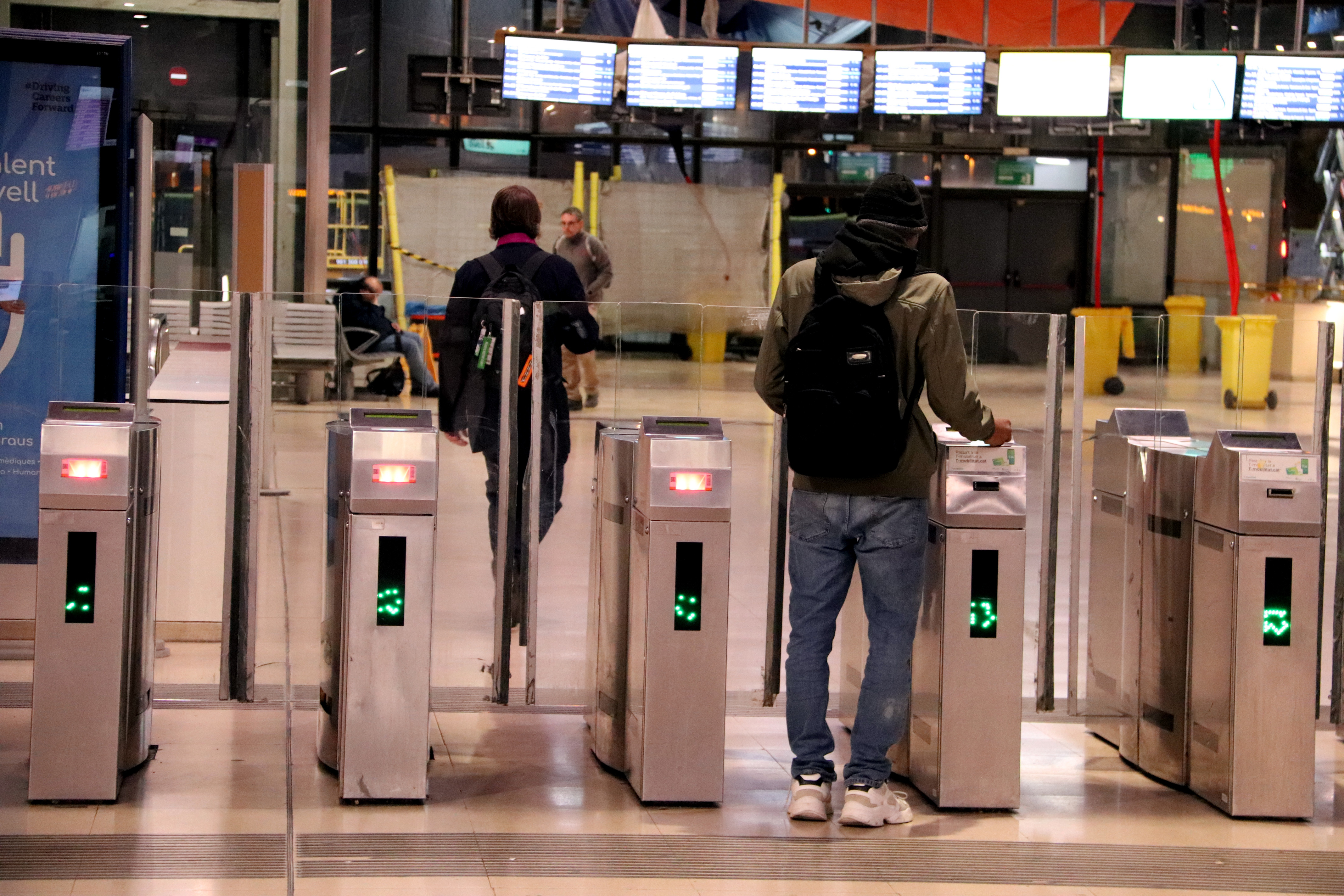
Paneque highlighted actions taken, including resignations at Renfe and Adif and pressure on Spain's transport ministry to accelerate investment.
Free rail travel was initially introduced from January 26 for a period of 30 days.
R1 and R4 lines
Paneque announced later on Thursday that the R1 line will gradually resume service between Maçanet and Blanes, while the R4 line will run hourly trains between Terrassa and Manresa.
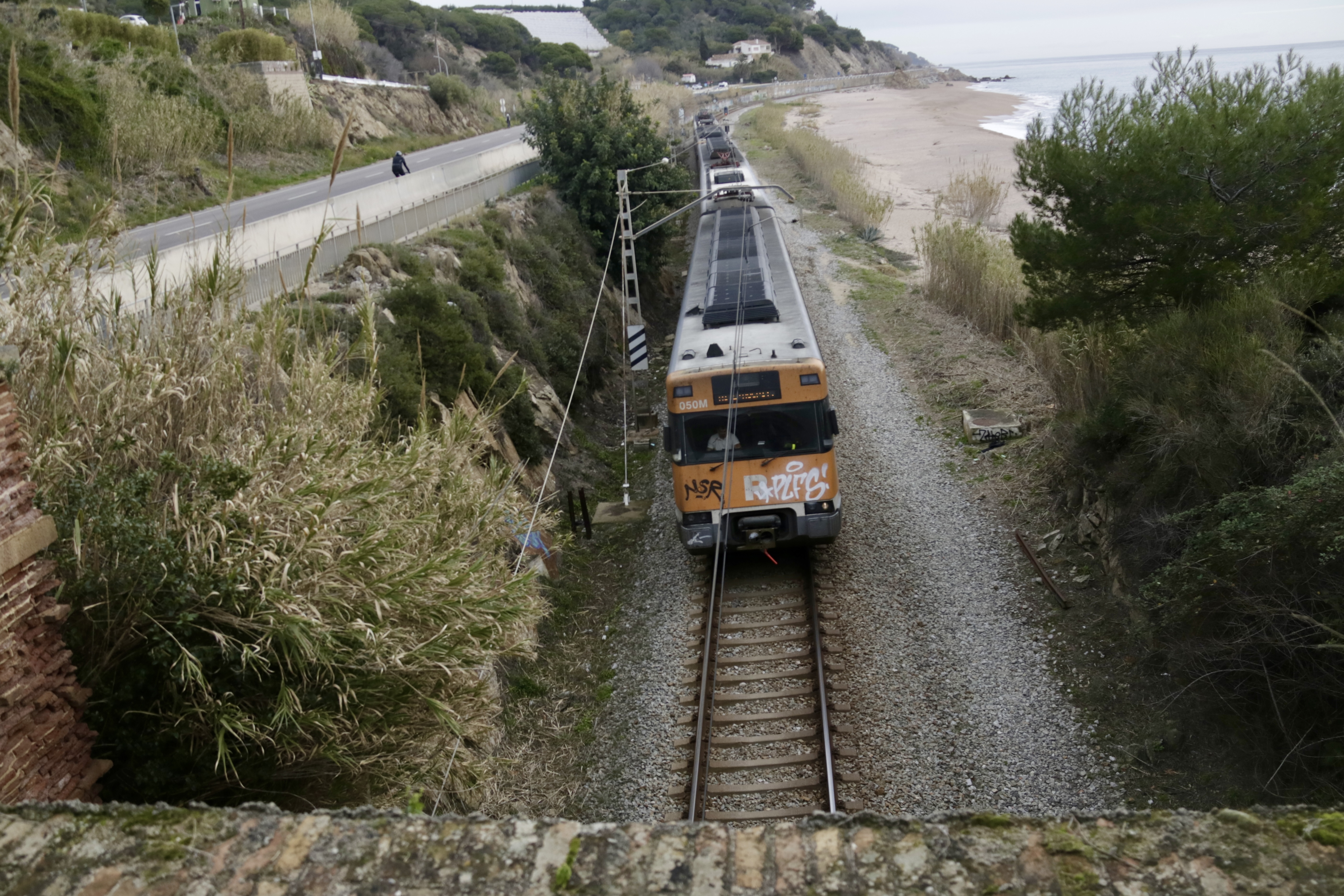
Posting on social media, Paneque celebrated that "the work of the recent days is starting to yield results," estimating that around 1,300 passengers will benefit on the R1 and 4,600 on the R4.
Inspections
Spain's rail infrastructure manager Adif has identified 648 locations requiring inspection across Catalonia's Rodalies commuter rail network, spanning cuttings, embankments, tunnels, bridges, track beds and other structures.
The findings were confirmed on Wednesday evening during a meeting between Spain's transport secretary, José Antonio Santano, and Catalonia's territory minister, Sílvia Paneque.
More than 400 technicians are currently carrying out inspections, with particular focus on lines running close to the coast and sections with a high concentration of cuttings or embankments.
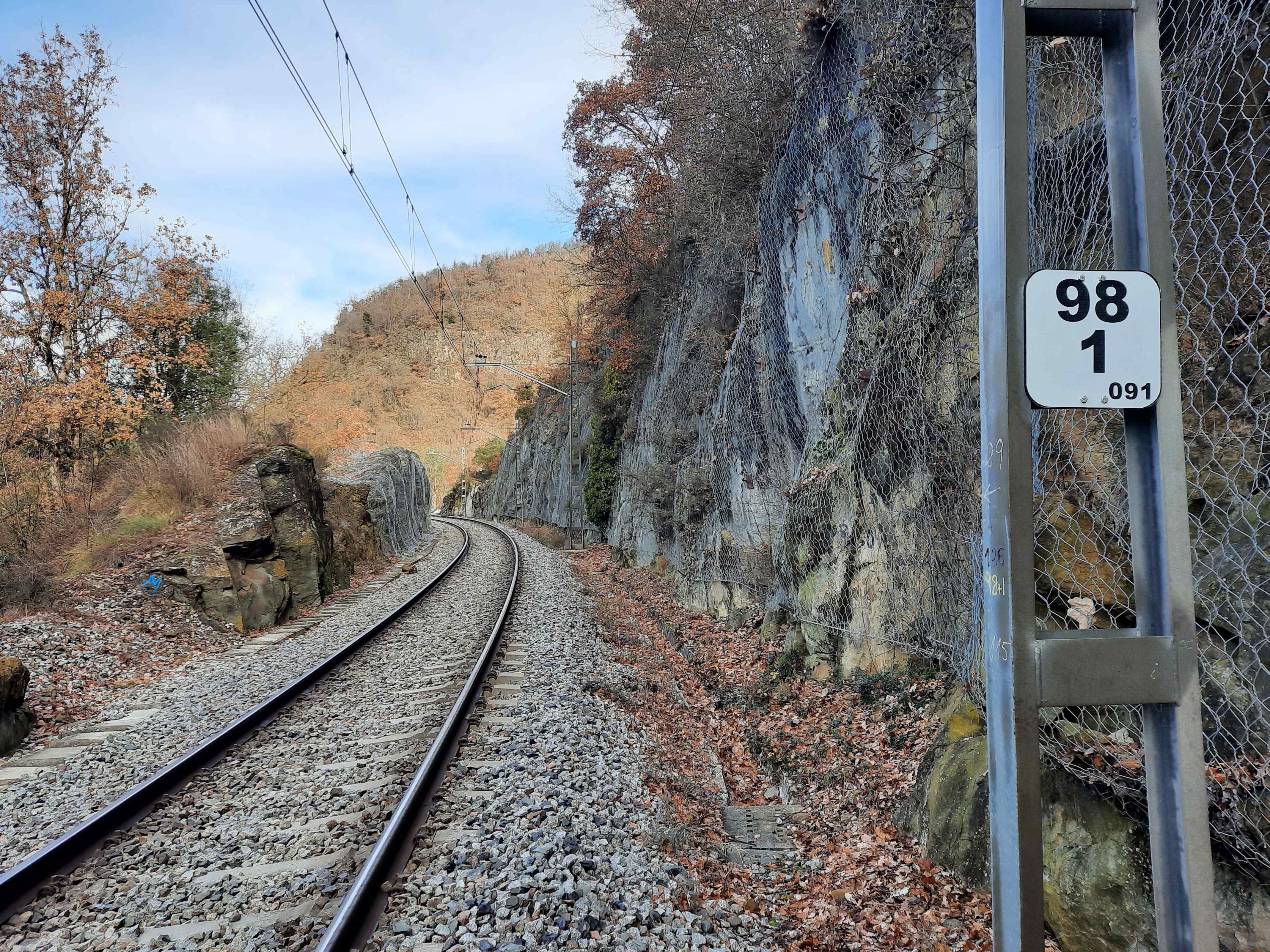
So far, more than 500 detailed technical inspections have been completed.
An additional team of more than 50 specialists has been assigned to support the wider operation, conducting visual inspections on foot and from trains.
Work is currently under way at 31 locations.
Speed restrictions
The review process is also being used to identify sections where speed restrictions are necessary, as well as where temporary limits can be lifted once conditions allow.
The number of temporary speed restrictions imposed by Adif on Catalonia's rail network due to infrastructure defects has doubled since late 2018, according to a comparison of internal documents published by the company and reviewed by the Catalan News Agency (ACN).
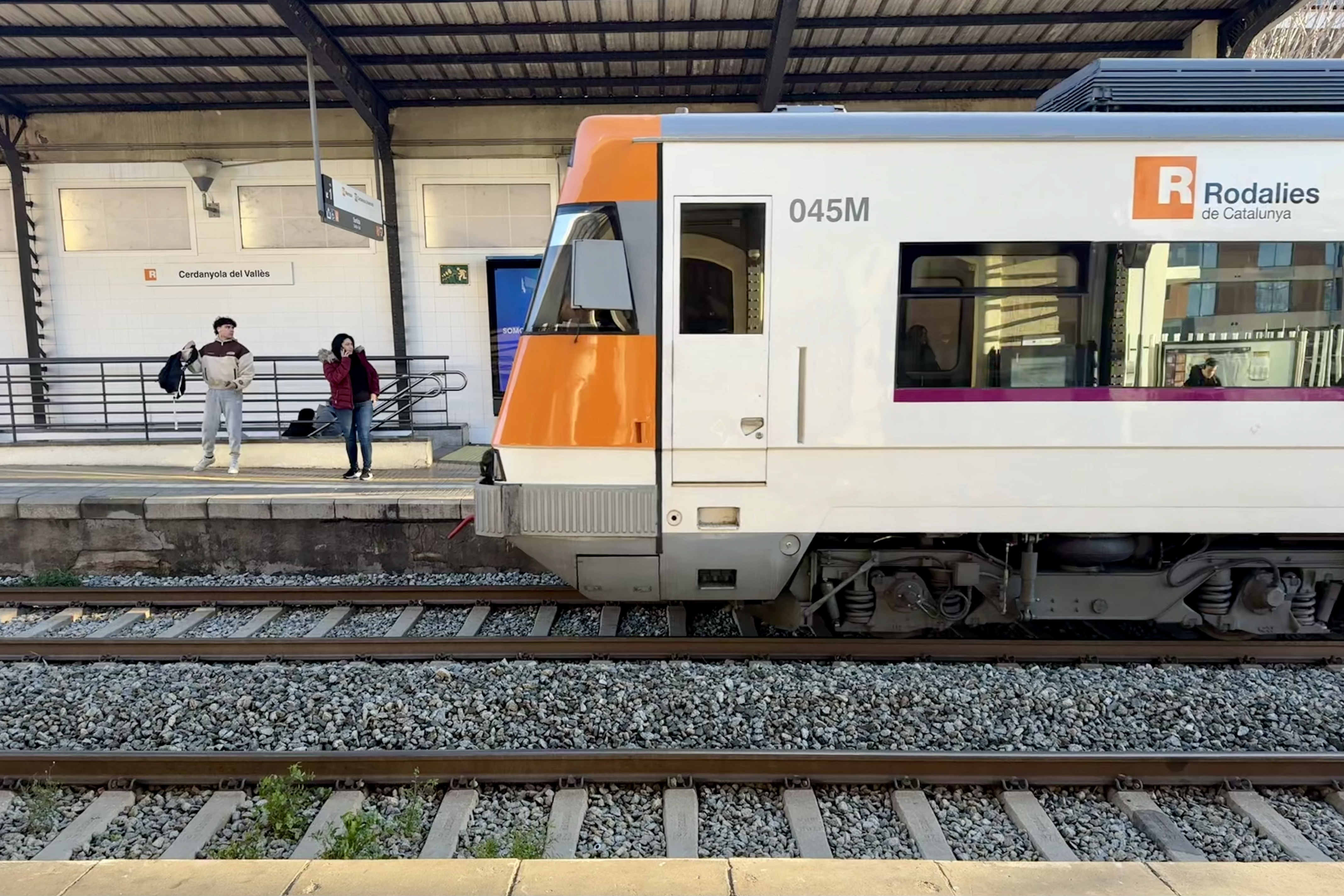
An Adif report dated October 1, 2018 listed 90 sections or points where train drivers were required to reduce speed because of deficiencies in the network, affecting a total of 78.8 kilometres.
As of this week, the number has risen to 179 restricted sections, covering 130 kilometres of track.
Temporary speed restrictions not only slow trains but also generate cascading delays and operational problems.
The more restrictions in place, the slower trains must run, increasing journey times and allowing delays to accumulate.
The impact extends beyond timetables: if a driver scheduled to operate two services can only complete one because of reduced speeds, rail operators must assign a second driver to cover the remaining journey.
Late arrivals can also delay subsequent services.
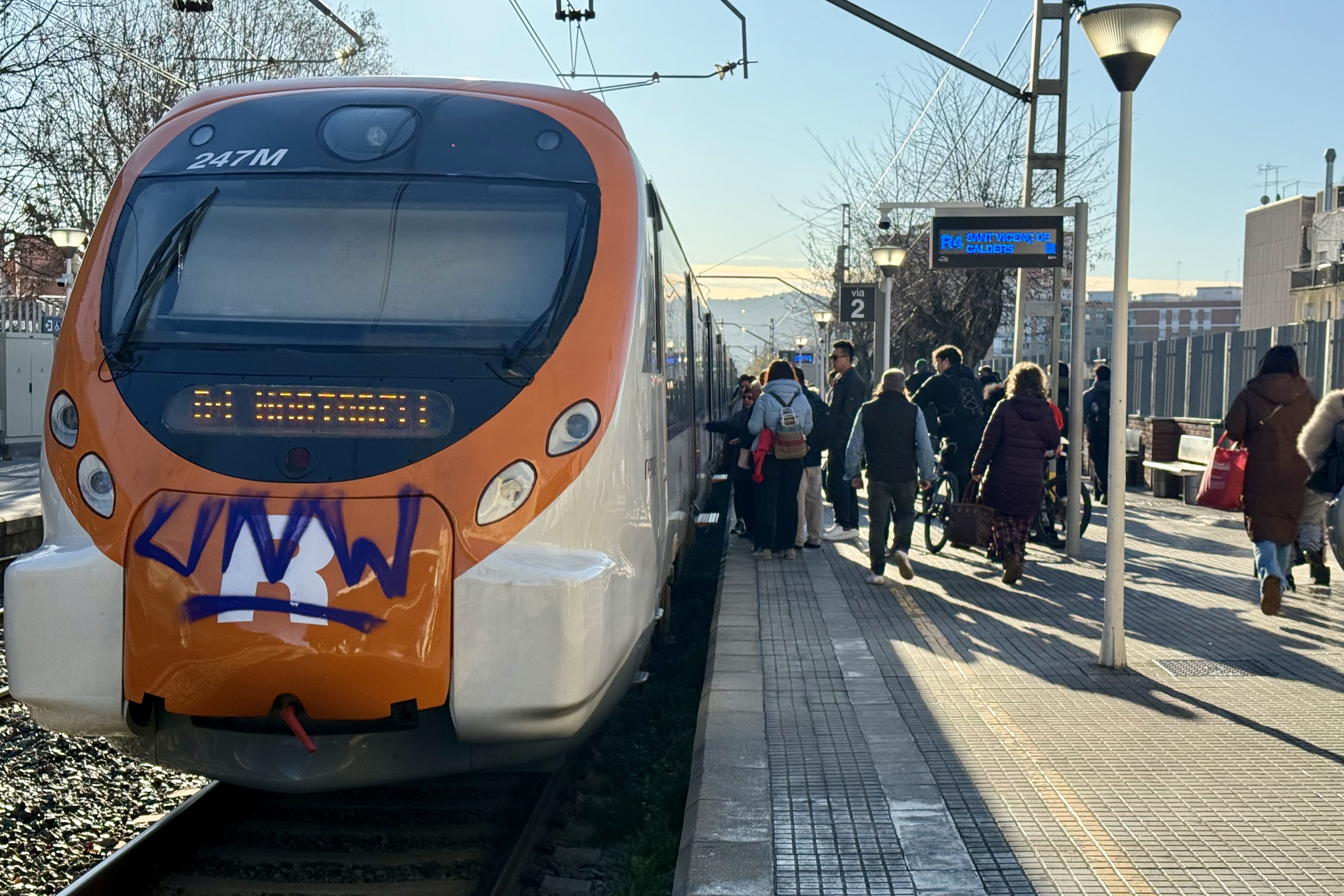
For several years, Spain’s rail infrastructure manager Adif has published a Weekly Speed Restrictions Document, an internal report circulated among staff.
One stretch, located in Raimat (Segrià), has been affected continuously since 2005, due to deficiencies in a 700-metre embankment. The speed limit there was set at 80 km/h in 2018 and has since been reduced to 30 km/h, with the current document labelling the embankment a "high-risk" section.
Strike
Rodalies staff have called a strike from Monday, February 9 to Wednesday, February 11.
Catalonia's Department of Business and Labour has set minimum service levels of 66% at peak times and 33% during the rest of the day.
The department has defined peak times as 6am to 9:30am and 5pm to 8:30pm.
Restoring normal service
Rodalies is currently operating with replacement buses on several sections across a majority of lines, but spokesperson Antonio Carmona gave assurances on Thursday morning that efforts are underway to maintain a regular service in the Barcelona area.
He added that the company is relying on "the full effort" of its staff to gradually restore normal service.
"We will not make predictions, neither in terms of days nor weeks," Carmona said regarding a full service recovery.
As well as disruptions on the Rodalies commuter network, the ongoing rail disruption in Catalonia has stranded thousands of tonnes of freight.