Rail disruption in Catalonia strands thousands of tonnes of freight
Rubí tunnel closure outside Barcelona blocks rail transport of goods to and from France
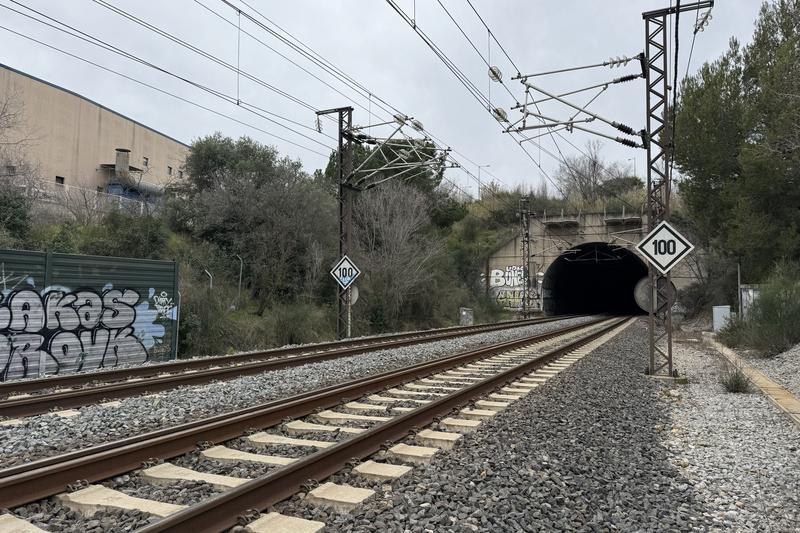

The ongoing chaos on Catalonia's rail network has paralyzed freight transport, leaving tens of thousands of tonnes of goods stranded and forcing companies to reroute deliveries by road.
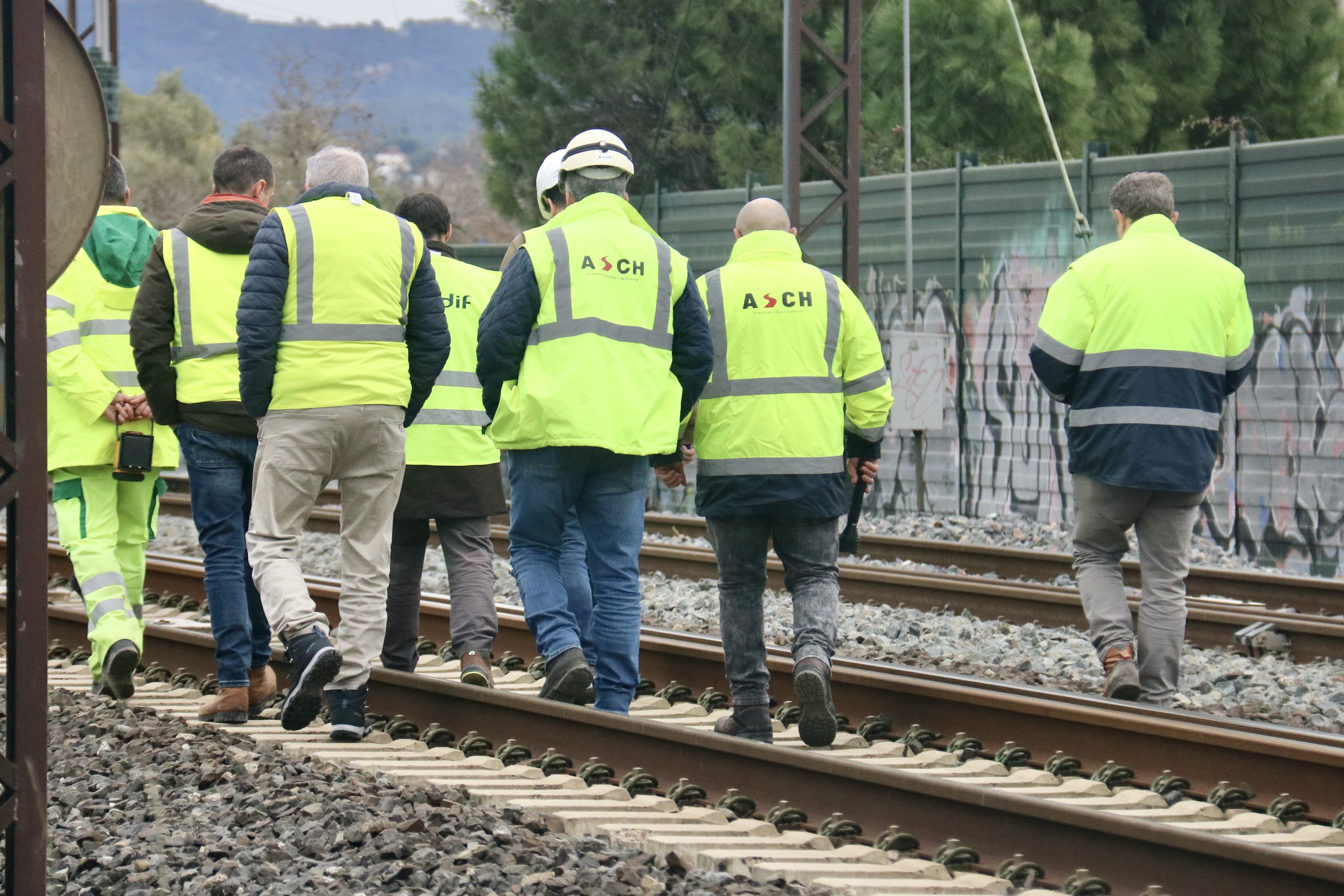
On top of the fatal Rodalies accident in Gelida on January 20, a structural incident forced the closure of the Rubí railway tunnel outside Barcelona on January 26, halting freight trains to and from France and the rest of Europe.
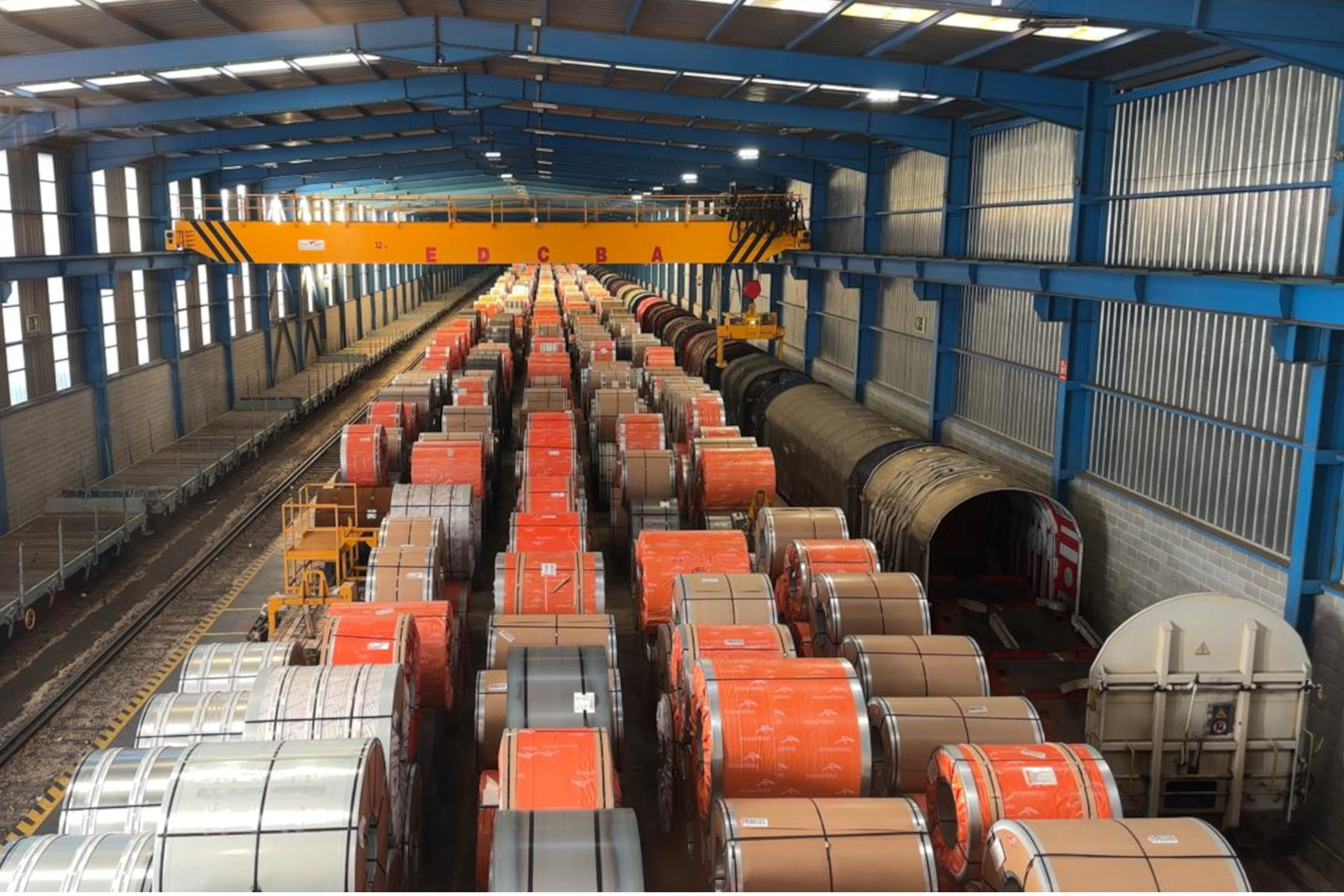
Logistics company Railsider reports that 23,000 tonnes of steel are stuck at Portbou, near the border with France.
This includes 8,000 tonnes of urgent cargo, disrupting deliveries to their hubs in Barcelona and Sagunt (Valencia) and creating logistical and financial strain.
"It is an economic and reputational loss, with customer complaints and the inconvenience of having to transport goods by lorry through [Portbou] town center," said operations manager Laura Jamás.
The mayor of Portbou, Gael Rodríguez, has requested that rail infrastructure manager Adif allow freight trains to pass through Barcelona-Sants station at night to alleviate the crisis.
Port of Barcelona
The Port of Barcelona hopes to resume partial freight traffic through the Rubí tunnel from Thursday and at Gelida from Monday, though operations are expected to remain far below usual capacity.
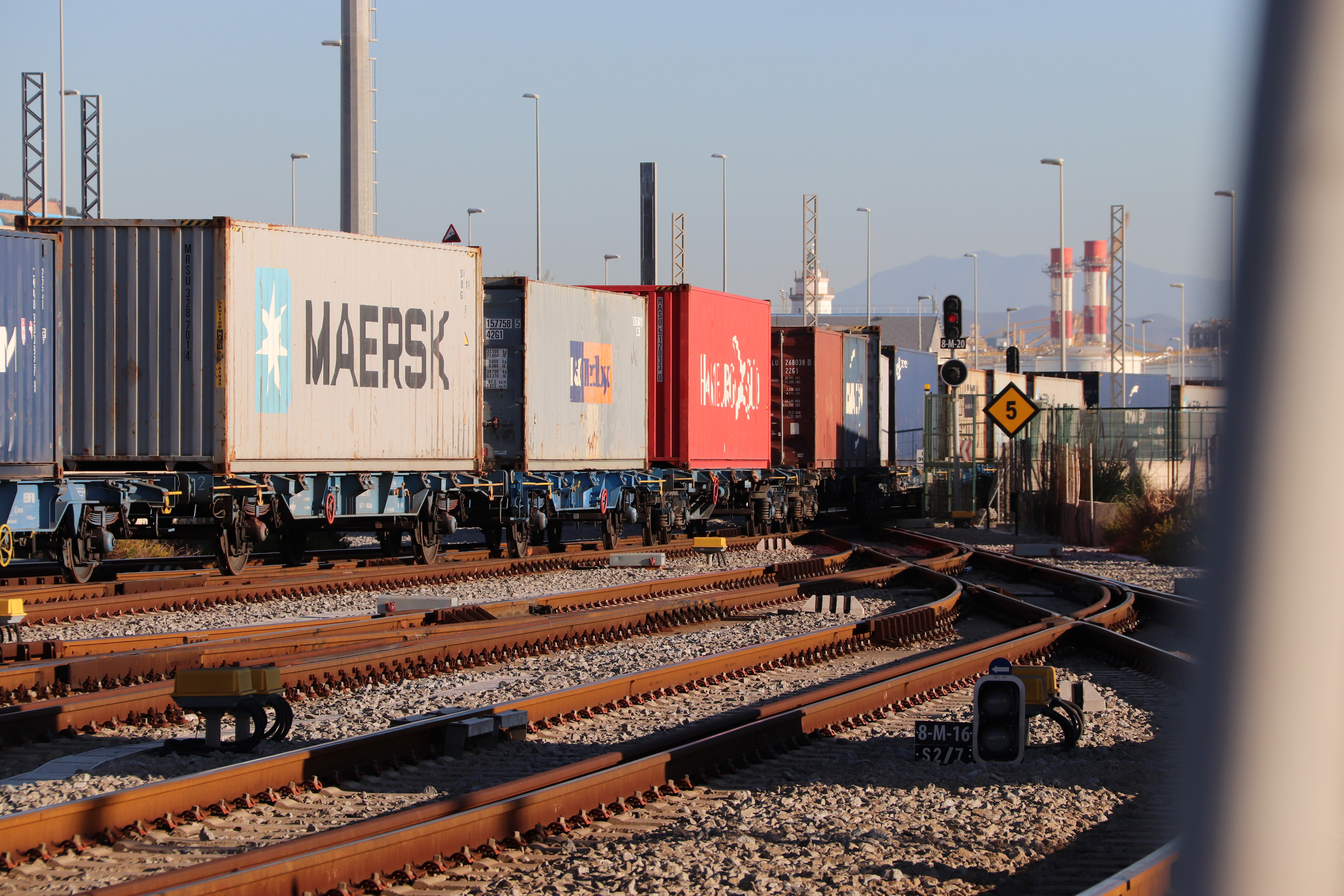
"The flow of goods through the port is what sustains economic activity in our country and its hinterland; this becomes clear when it is lost," said José Alberto Carbonell, president of the port.
For now, the port is only operating at 25% of its usual capacity through the southern corridor, while to the north, the Rubí tunnel closure affects it "100%," with "no alternative" route for freight trains to France.
Compensation
The Catalan government is assessing the economic impact on affected companies and exploring potential compensation through Spain's industry ministry.
"We will speak with business associations to determine the best options," said Catalan economy minister Alicia Romero.
Pertús tunnel
Freight traffic through the Pertús tunnel in Alt Empordà has dropped by more than 80%, with daily trains reduced from six to ten down to just one or two, and not necessarily running every day, according to Petros Papaghiannakis, director of LFP Perthus.
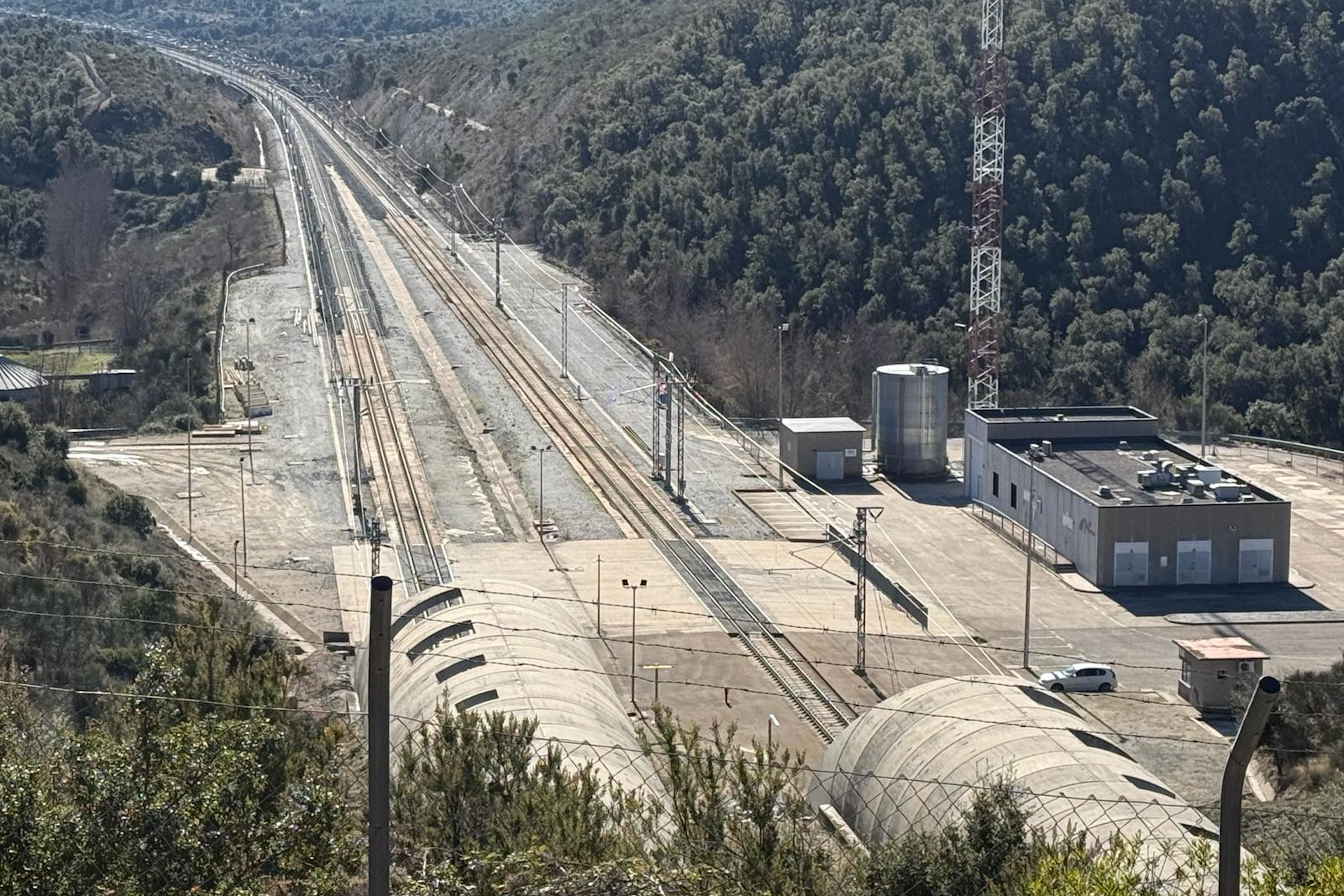
The joint company, 50% owned by Spain's Adif and 50% by France's SNCF, manages the cross-border European-gauge line.
The disruption affects goods bound not only for France but also for other European countries including Belgium, Germany, Poland, and Austria.