Rodalies commuter rail network fails to meet minimum service levels as train drivers strike
Renfe says only 73 of 143 drivers assigned to minimum services reported for duty, while union Semaf disputes the account and blames poor organisation
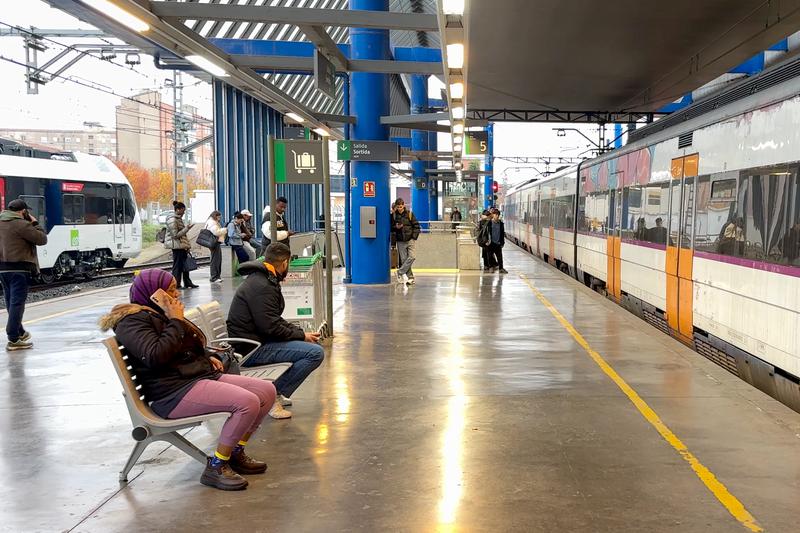

The train drivers' strike is causing widespread delays and cancellations on Catalonia's Rodalies network.
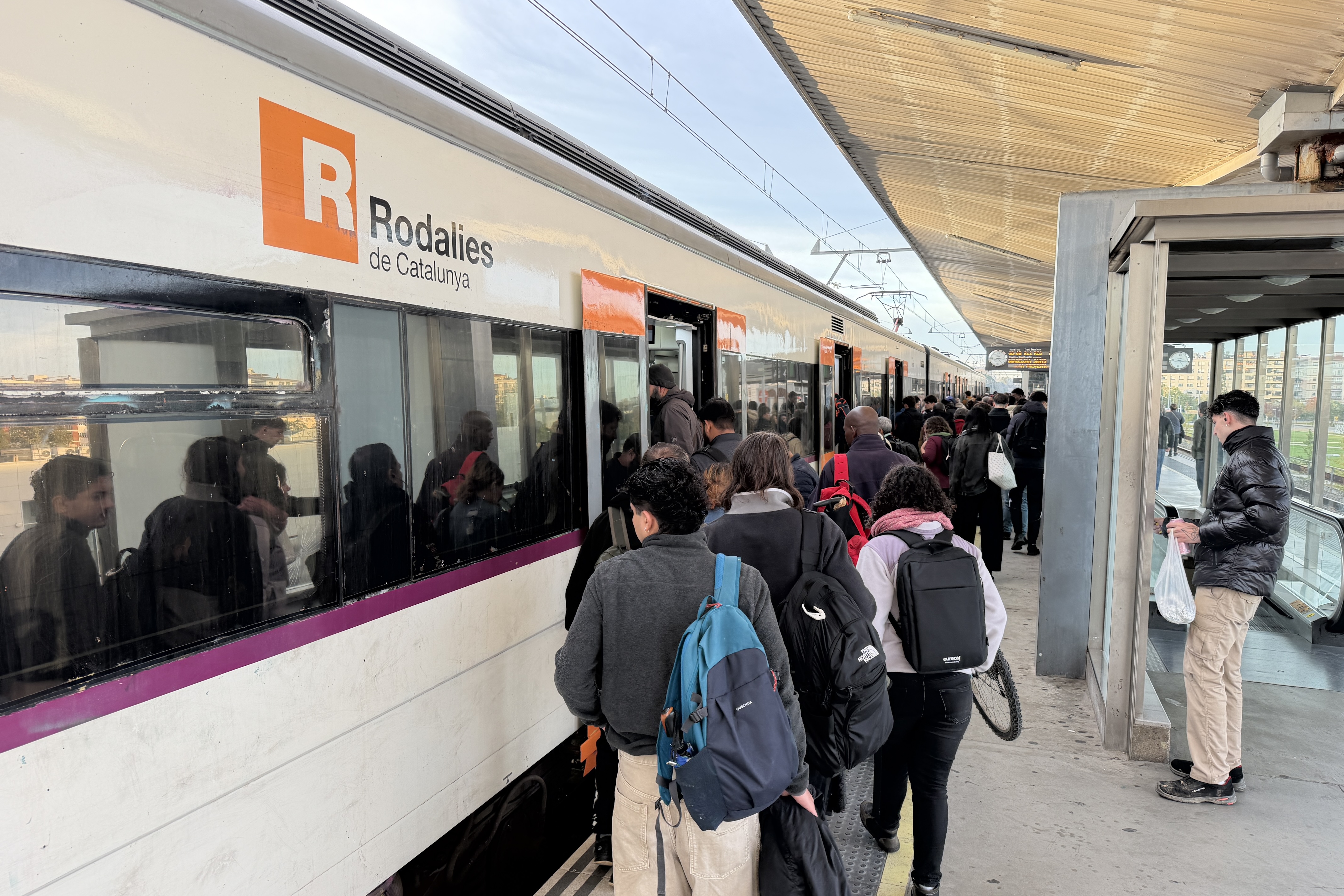
Rodalies operated only half of the government-mandated minimum services on Tuesday morning, leaving passengers stranded and prompting the Catalan executive to threaten action against the operator.
By 2pm, a total of 41% of Rodalies trains scheduled to run under minimum service requirements during Tuesday's strike had been cancelled, according to figures released by the operator.
In total, 89 of 215 scheduled trains were cancelled. Of the 143 train drivers rostered to work, 73 failed to report for duty.
Earlier, Rodalies director Òscar Playà said compliance with minimum service requirements stood at 50% at 9am.
He urged train drivers to respect the requirements, saying, at that time, that only around 30 of the 70 drivers scheduled to provide minimum services had reported for work.
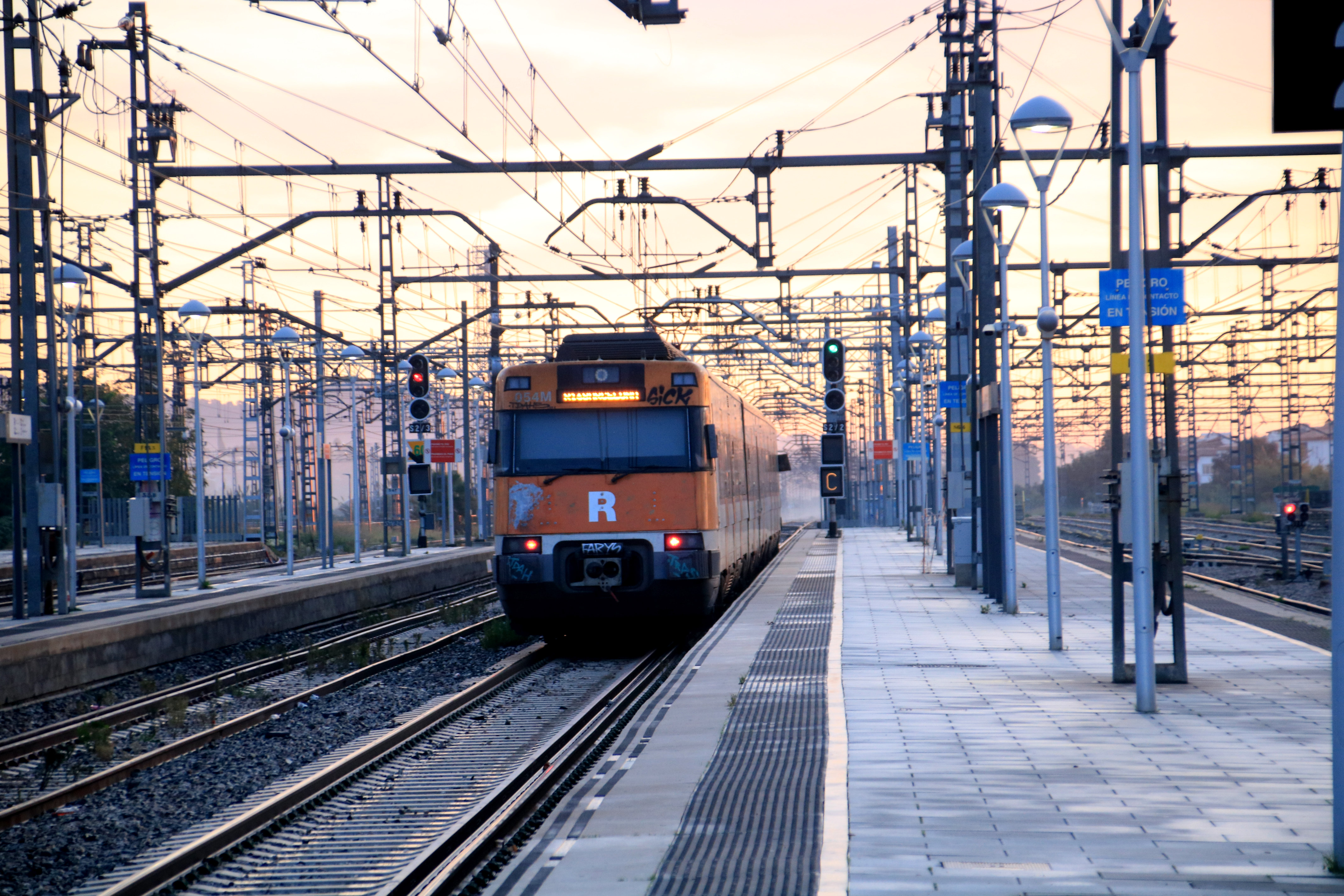
Playà said all those assigned to minimum services had been notified through Renfe's internal communications app, rejecting claims that drivers had not received the necessary instructions.
He appealed to their "sense of responsibility" and apologised to passengers, saying he understood their anger.
"We cannot allow this right to mobility to go unguaranteed, as is happening today," he said.
Union view
The union representing train drivers, Semaf, offered a different account. Its general secretary, Diego Martín, insisted that all drivers who had received formal minimum-service notices had reported for work, and denied that the union had encouraged members to disregard the requirements.
"The management of minimum services has not been adequate," Martín said, describing the allocation of services as "strange" and arguing that drivers had been notified later than on previous occasions.

He said the union shared passengers' frustration but maintained that the strike was a response to the failure to honour railway safety agreements reached nine months ago.
Government action
Catalan President Salvador Illa acknowledged that minimum services had not been met and warned that his administration would intervene to ensure compliance.
"The government has an obligation to act," Illa said, calling on both sides to find a "point of balance" between "the right to strike and the right to mobility."
He also said he empathised with train drivers and stressed that the government respected their right to strike.
Transport minister and government spokeswoman Sílvia Paneque said the administration would demand that Renfe open formal investigations into the alleged breaches and establish why some drivers had failed to report for duty in recent days.
The government also activated around 60 additional buses to help passengers reach their destinations, a measure Paneque said could not have been arranged in advance without potentially infringing the right to strike.
She said the administration remained willing to negotiate with unions, although talks were being led by Spain's Transport Ministry in Madrid.
Disruption across the network
The disruption extended well beyond Barcelona. At Sant Vicenç de Calders, in the South, only two of six scheduled R2 trains and three of six R4 services operated during the early hours of the strike. Just one of the five scheduled R15 regional trains to Tarragona ran, according to station sources.
Passenger Tatiana Trainer acknowledged the drivers' right to strike but criticised their failure to provide the mandated services.
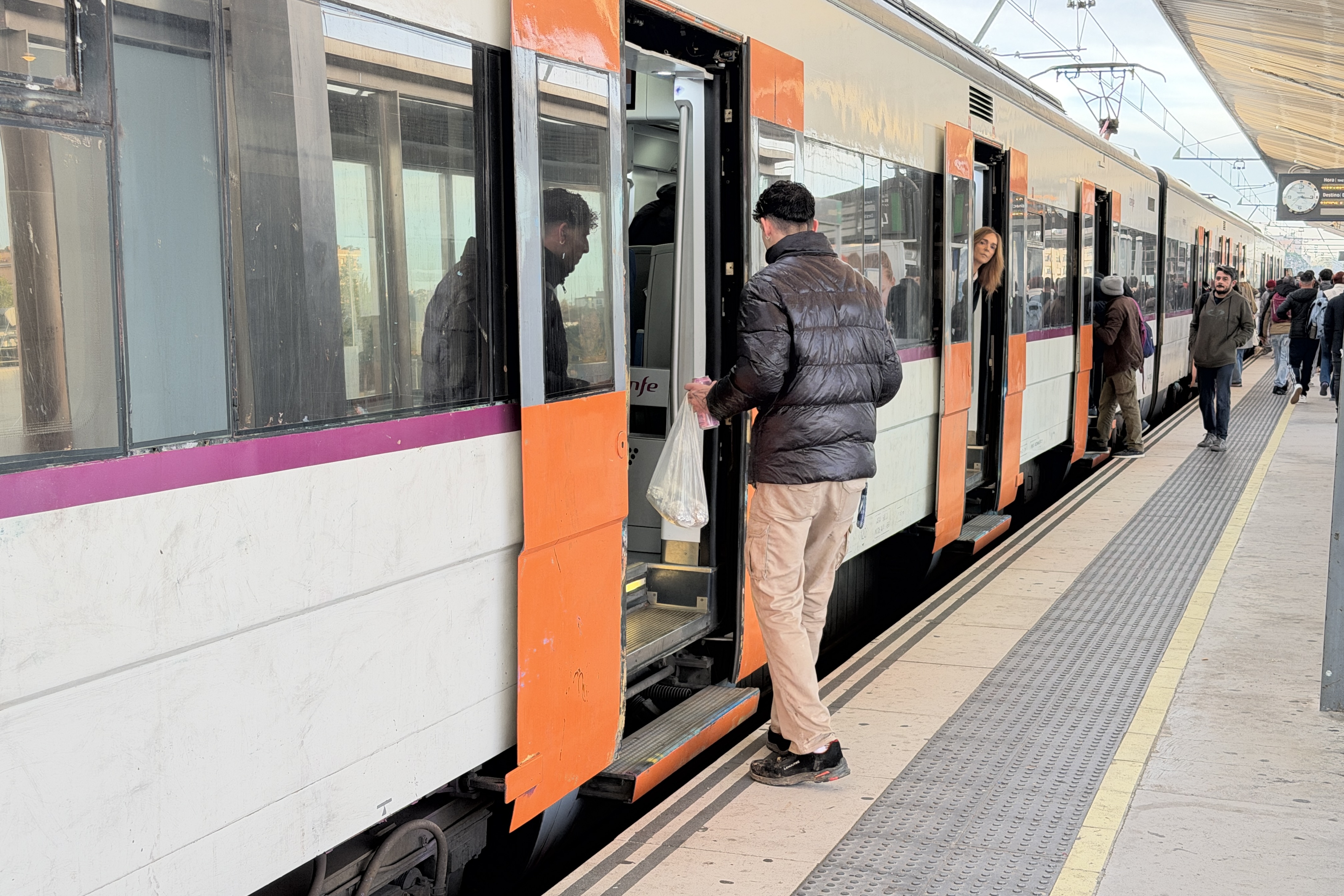
"Everyone has the right to strike if our working conditions are not favourable, but they must comply with minimum services. What they are doing is unforgivable," she said.
In Lleida, at least one train included in the minimum-service schedule was cancelled after its driver failed to report for duty. High-speed services were operating normally there, with buses on standby to transport passengers to Barcelona if necessary.
At Barcelona Sants, passengers faced long queues to claim refunds and arrange alternative journeys after cancellations affected both commuter and high-speed services. Some waited up to an hour to speak to Renfe staff.
One passenger, Maria Dolores, said she had waited an hour without a train arriving and had been forced to make alternative arrangements to get to work. "I've had to fend for myself," she said.
Rodalies had warned passengers early on Tuesday that trains were not running according to the published timetable and advised them to seek alternative transport. By 6.30am, around 60% of scheduled minimum-service trains had already been cancelled.
More disruption expected
Tuesday's 24-hour stoppage is the first of two strike days called by Semaf this week, with another strike day scheduled for Thursday.
Train drivers are also able to join Wednesday's general strike, which is expected to affect public transport across Catalonia.
Playà warned that the coming days would be difficult and urged passengers to plan their journeys using alternative transport.
The rail drivers' dispute centres on railway safety, with Semaf accusing the authorities and railway operators of failing to deliver on commitments made earlier this year.
Spain's rail network is facing renewed scrutiny over safety following its second major deadly high-speed crash this year.
The union says work on new regulations, emergency procedures and operating conditions has stalled.
Playà said the conflict was not confined to Catalonia, but was affecting commuter rail networks across Spain, with disruption in some areas reportedly even worse than in Catalonia.
He expressed hope that negotiations led by the Spanish Transport Ministry would help resolve the dispute.