Rail strike called off after unions reach deal with Spanish transport ministry
Rodalies and high-speed services disrupted throughout Monday
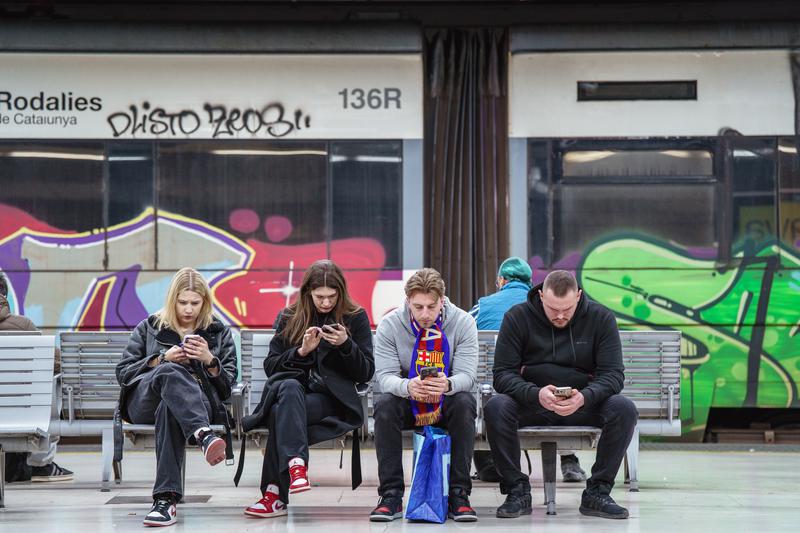

A rail strike that began on Monday and was due to last until Wednesday has been suspended after the main unions – CCOO, UGT and Semaf – reached an agreement with Spain's Ministry of Transport covering staffing, safety and investment.
The deal was struck after a fourth meeting lasting around four hours, held as the first day of stoppages triggered cancellations and delays across Spain's high-speed network and commuter rail services in Catalonia and Madrid.
"We have reached an agreement to call off the strike that we believe is historic for the railway," Semaf secretary general Diego Martín said after leaving the meeting on Monday afternoon.
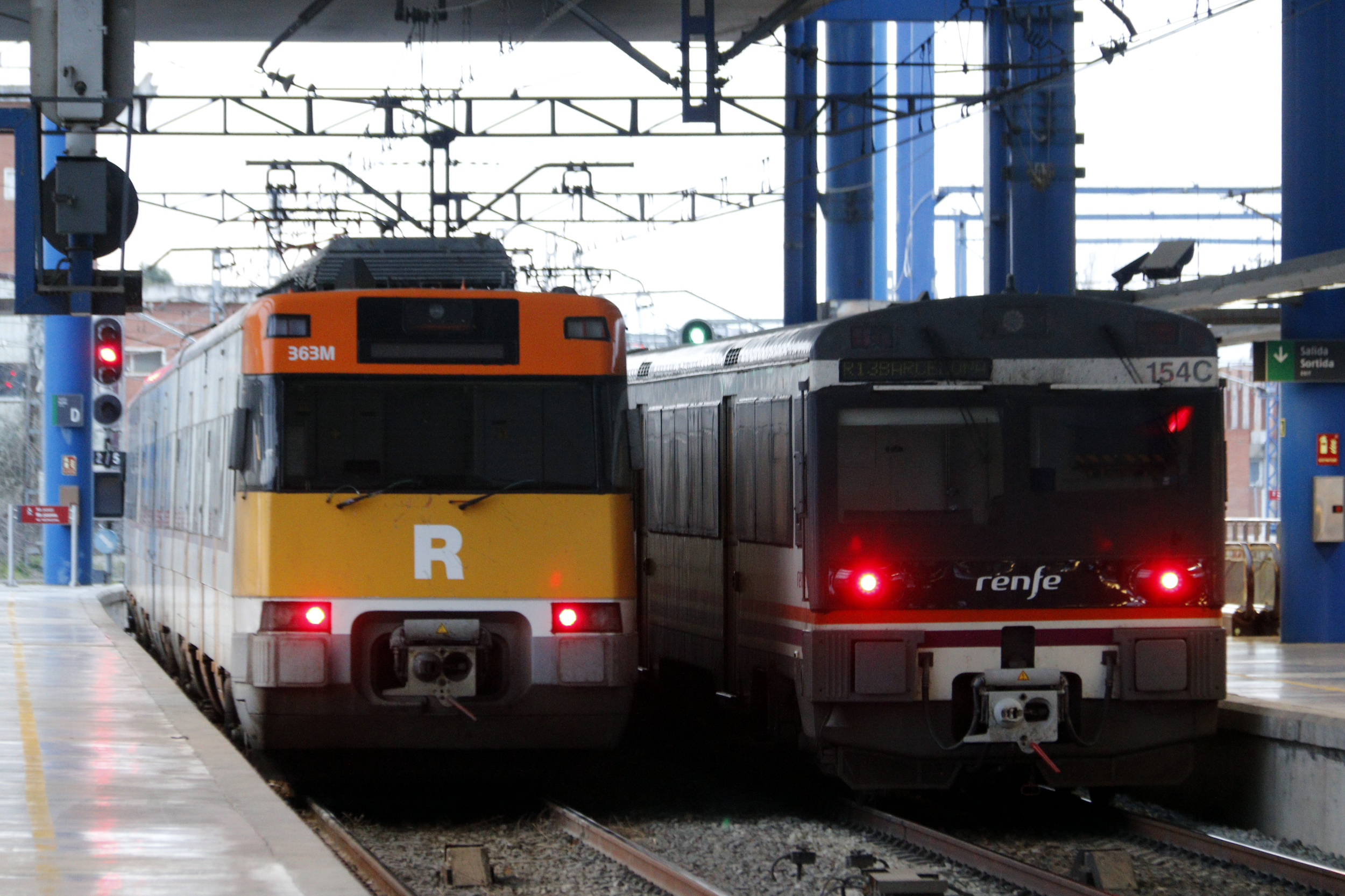
He said the deal includes higher investment in infrastructure and safety, as well as the hiring of additional staff.
"We are talking about many millions [of Euros]," he added.
Spain's transport ministry echoed the unions' assessment, also describing the agreement as "historic."
Reduced service on Monday
The three-day rail strike began on Monday with minimum service levels widely unmet, according to sources at Renfe, Spain's national, state-owned railway company.
The stoppage disrupted train services, with Renfe advising passengers to use alternative transport.
Monday's strike was the first of three scheduled days to demand more staff and safety measures on the tracks.
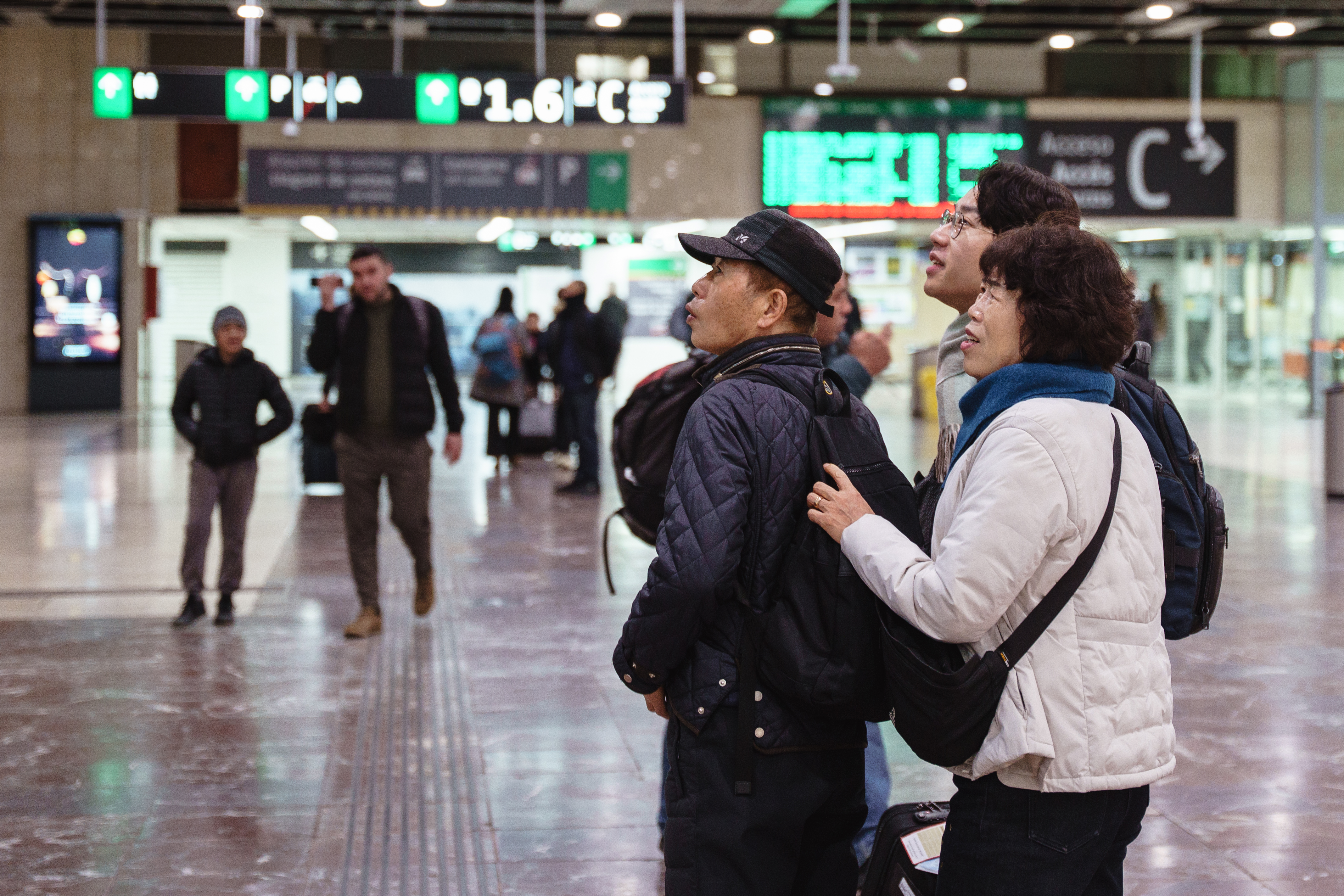
The strike was called after recent fatal accidents in Adamuz (Andalusia) and Gelida, and two weeks of severe disruption on the Rodalies commuter rail network.
Over 1,000 train drivers participated in Catalonia, along with operations, station, control center, and administrative staff.
Catalonia's Department of Business and Labour set minimum service levels of 66% at peak times (6am to 9:30am and 5pm to 8:30pm) and 33% during the rest of the day.
Less than half of scheduled trains running
Renfe estimated that only 42% of the Rodalies trains scheduled under the minimum service plan ran on Monday morning.
Union sources reported that the strike had a 45.2% participation rate among Rodalies staff, but noted that many employees were assigned to work due to the legal obligation concerning minimum services.
"They announce the train, but it does not come"
Barcelona's Sants station saw frustrated passengers on the first day of the rail strike. "They announce the train, but it does not come," says Perla, a frequent train traveler, to the Catalan News Agency.
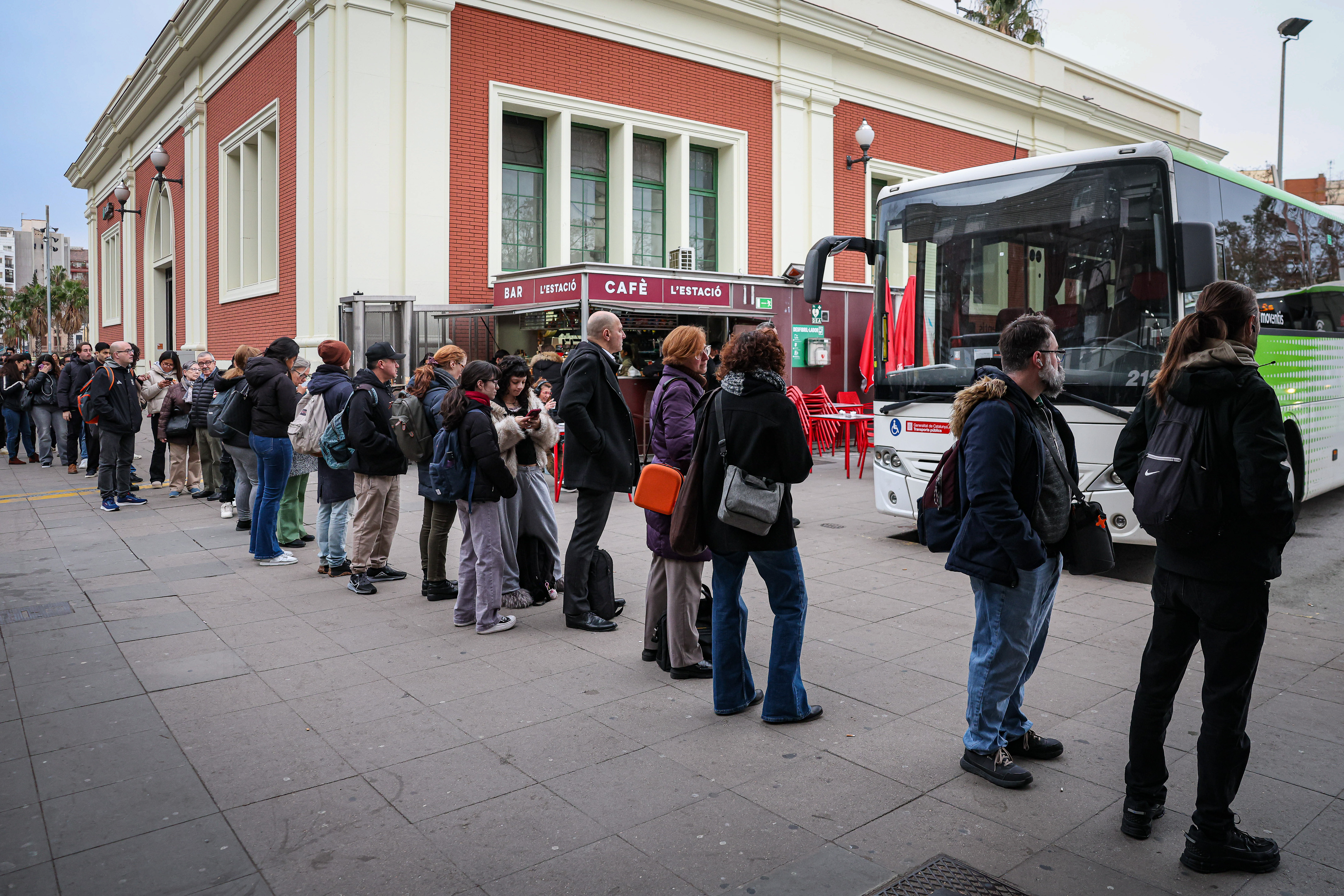
"There is a minimum service, but I am planning as if there were none," she adds, after arriving from Girona on the high-speed AVE.
Passengers reported emptier trains because people are looking for alternatives to rail transport. In the station lobby, there are far fewer people than on a typical weekday morning.
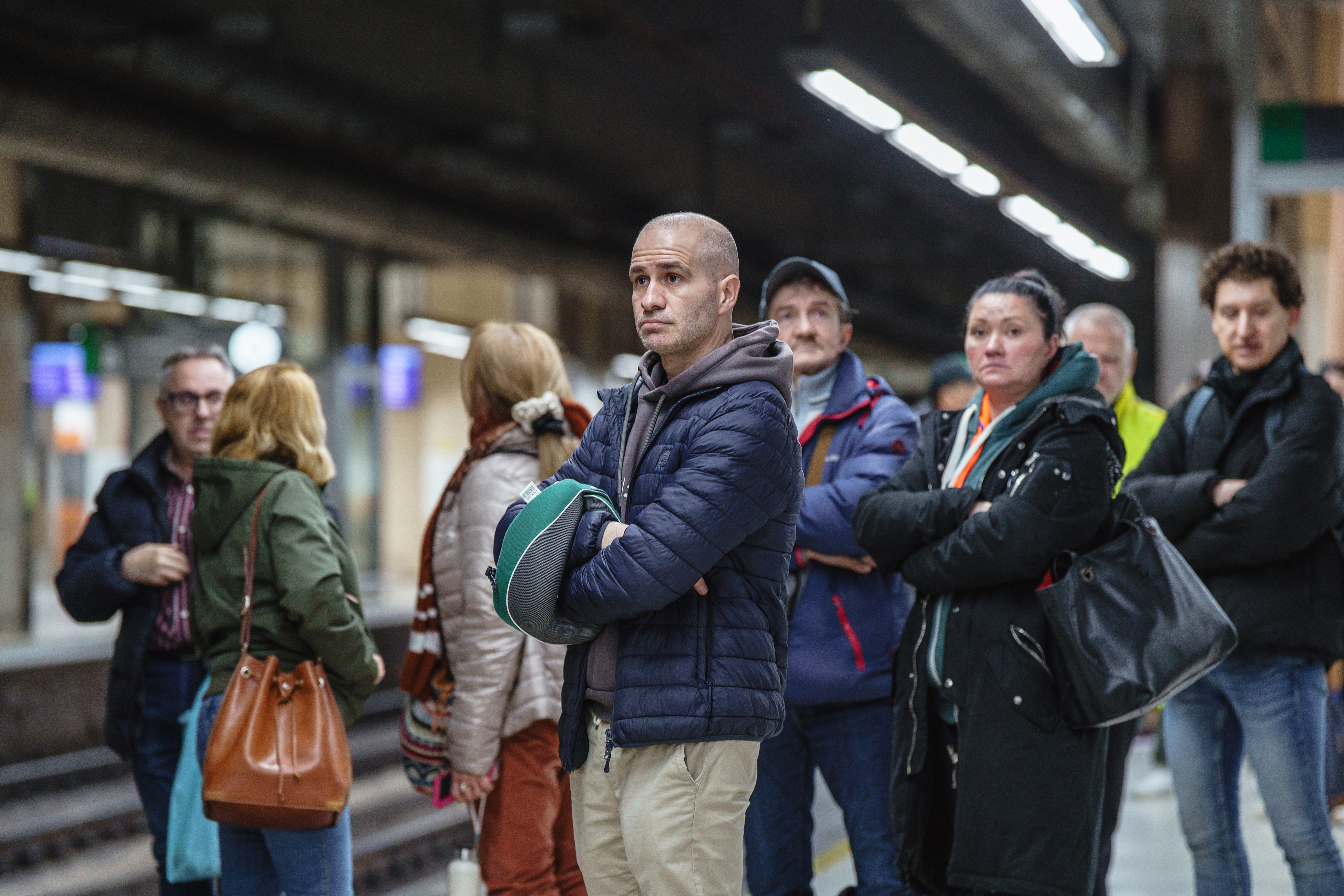
Perla also criticized that the trains "are always late." Because of the strike, she took a train earlier than she was supposed to and said the situation was "stressful."
"You never know if you're going to be late or if you will make it at all. I have to go to university and sometimes I have to skip classes because you never know how the train will run."
Protests
The strike comes after thousands of people demonstrated on the streets of Barcelona on Saturday in two protests over the poor state of the Rodalies network.
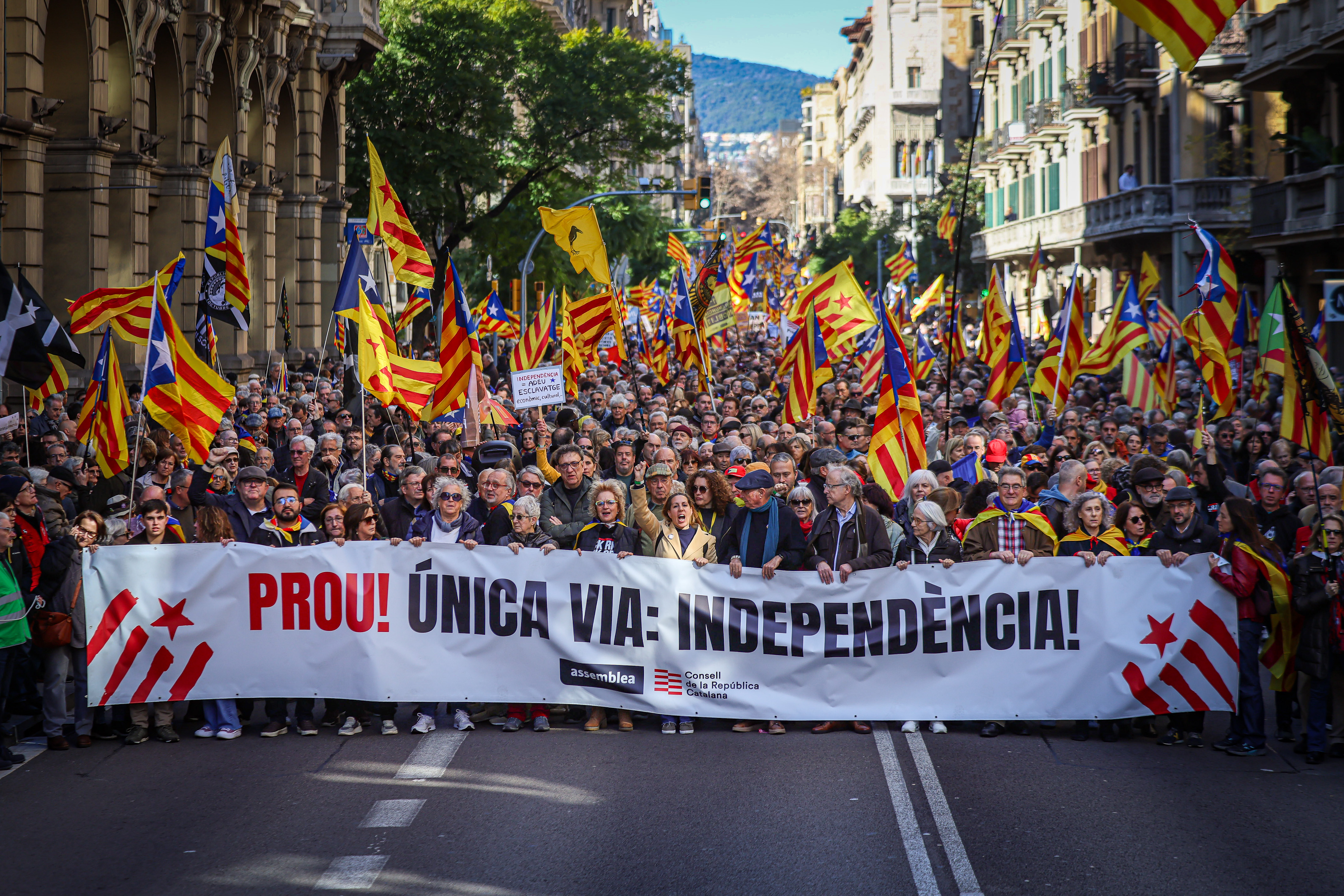
First, protesters gathered under the slogan 'Enough! Independence, the only way,' organised by the Catalan National Assembly (ACN) and the Council of the Republic. Organizers claimed an attendance of 30,000 participants with local police estimating 8,000.
A later protest was called by around 20 organisations under the slogan 'Without trains there is no future' to call attention to a crisis that has caused weeks of delays and service suspensions across 11 lines.
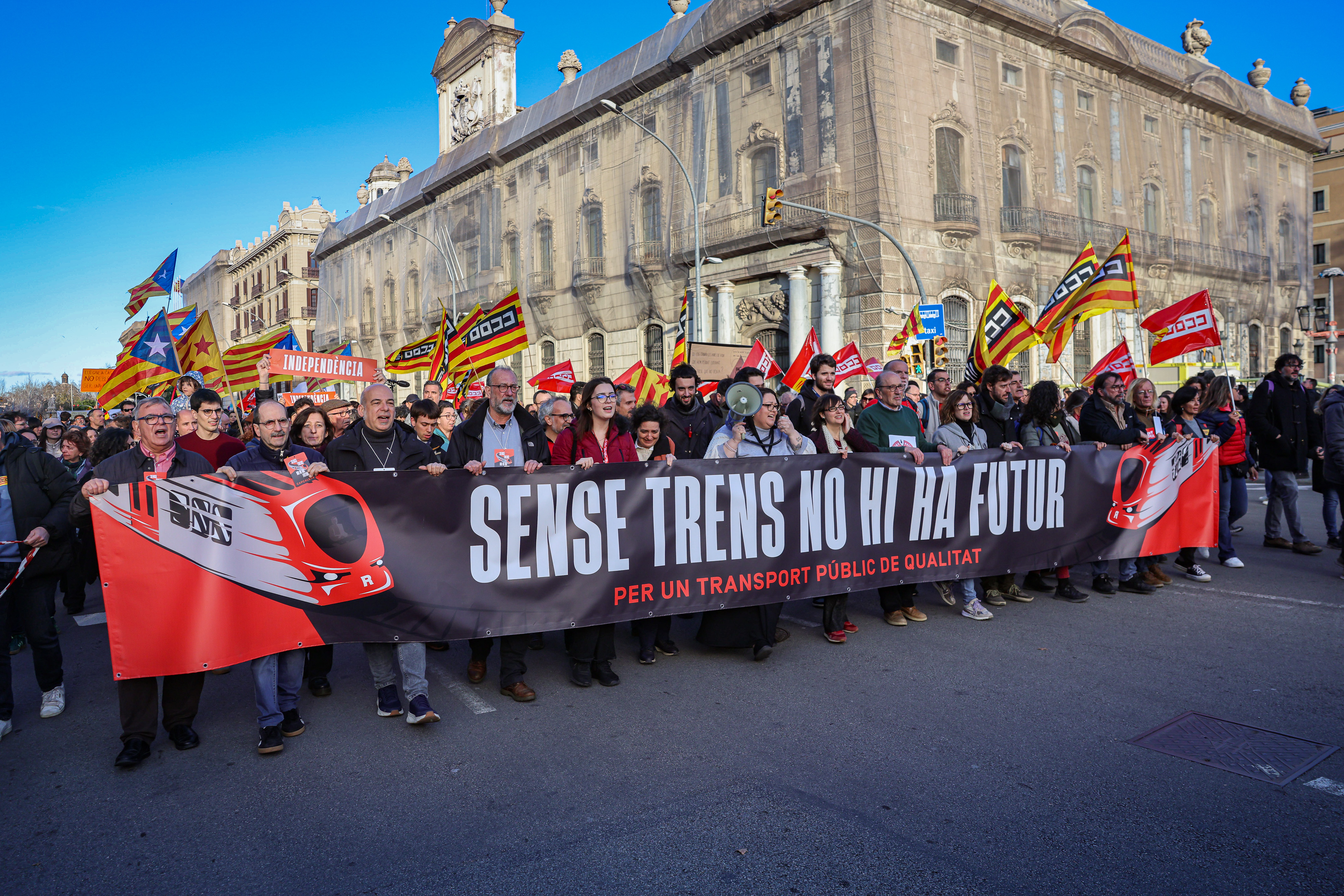
According to the Barcelona City Police, around 3,000 people took part in the demonstration, while organizers claimed there were up to 40,000.