President Illa offers Catalonia's help after deadly train crash in Toledo
At least 69 dead and 58 injured following collision of two high-speed trains
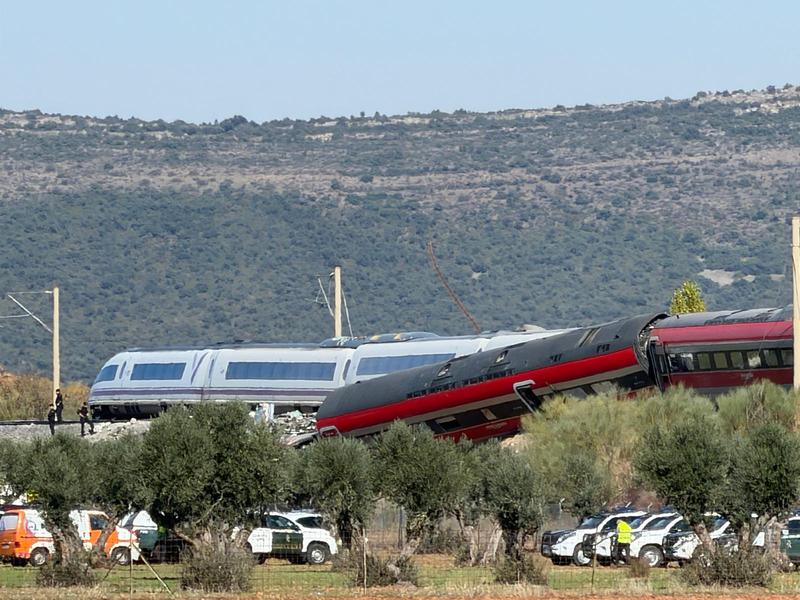

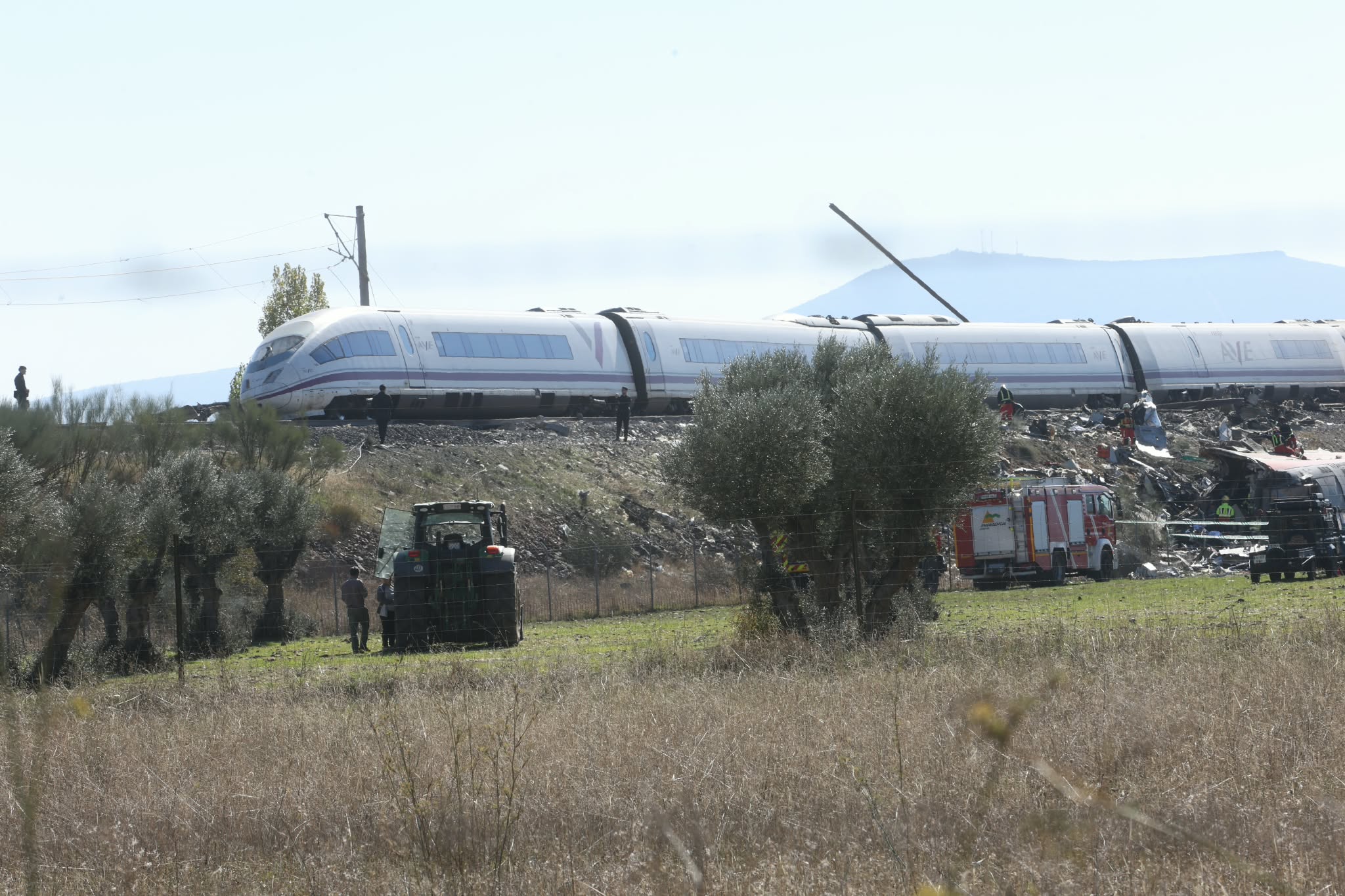
At least 69 people have died and at least 58 have been injured after two high-speed trains collided on Wednesday morning between Mora and Urda, in Toledo province, according to the latest official figures.
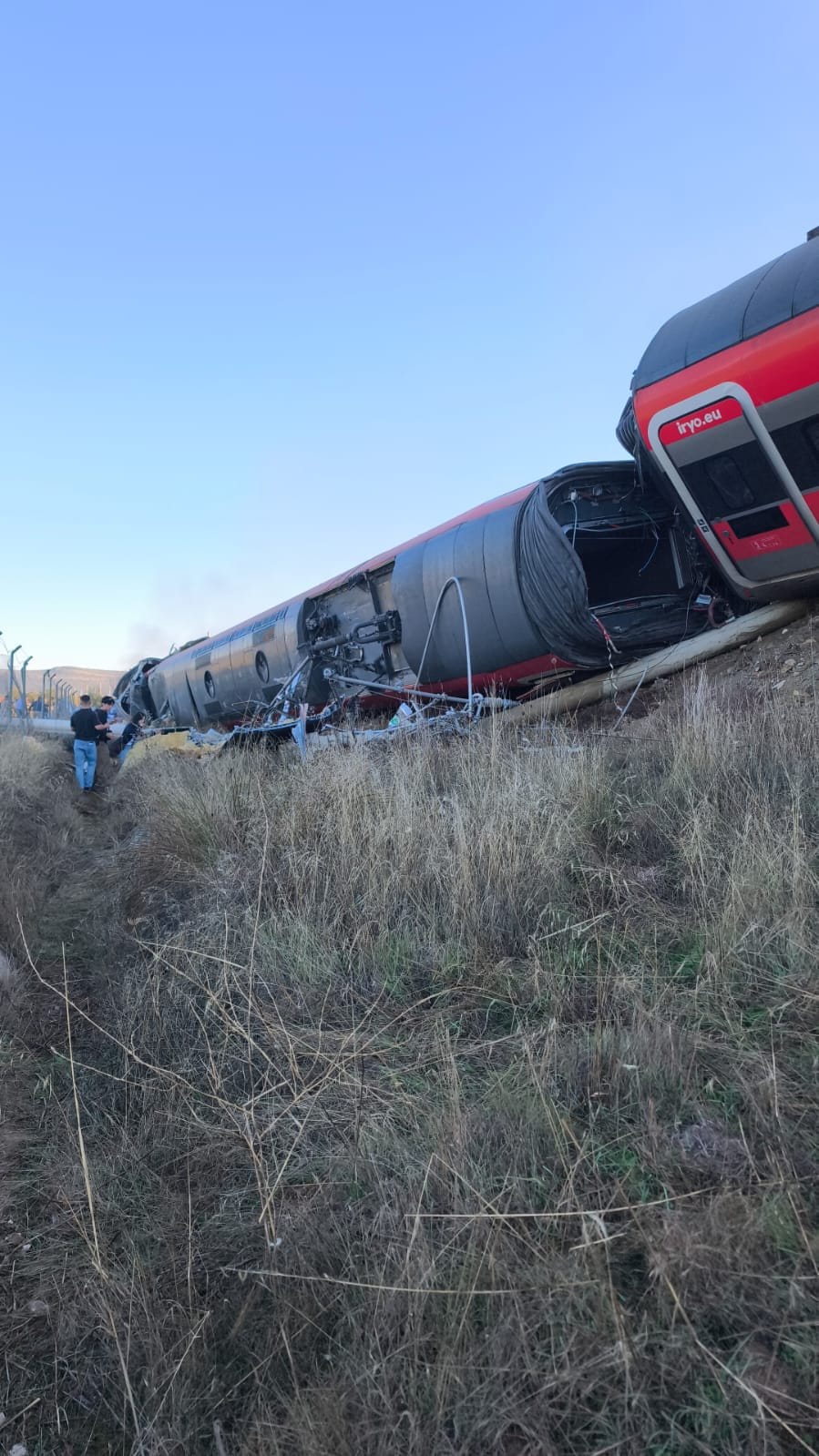
Initial indications suggest that an AVE train struck an Iryo train from behind, causing one carriage of the AVE and two of the Iryo to derail and fall down an embankment.
There were 397 passengers aboard the AVE train and 147 people, including a baby, on the Iryo train.
The Minister of Transport, Óscar Puente, attributed the accident to a "erroneous" decision by the Adif control center to allow the AVE train to resume its journey under "inexplicable" circumstances, following the failure of the LZB automatic control system due to a computer issue.
Puente noted that the AVE resumed movement while another train, an Iryo, was stopped at a red signal.
Furthermore, the decision failed to account for established protocols, which dictate that under such conditions, trains must proceed with "cautious movement" (or "driving by sight") and are subject to a speed limit of approximately 40 kilometers per hour.
High-speed rail services have been disrupted following the collision, although services are operating on the Madrid–Toledo and Málaga–Seville sections.
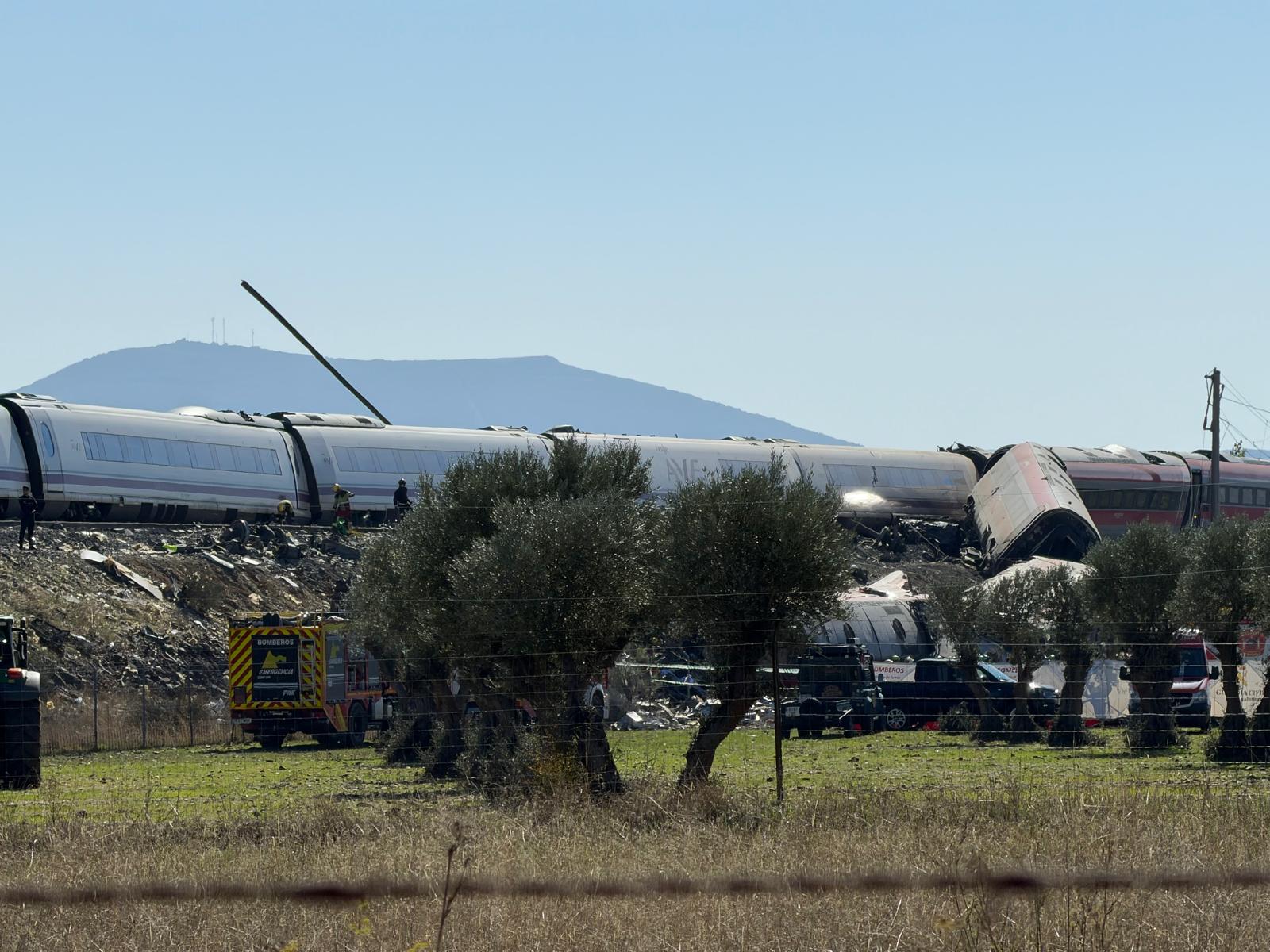
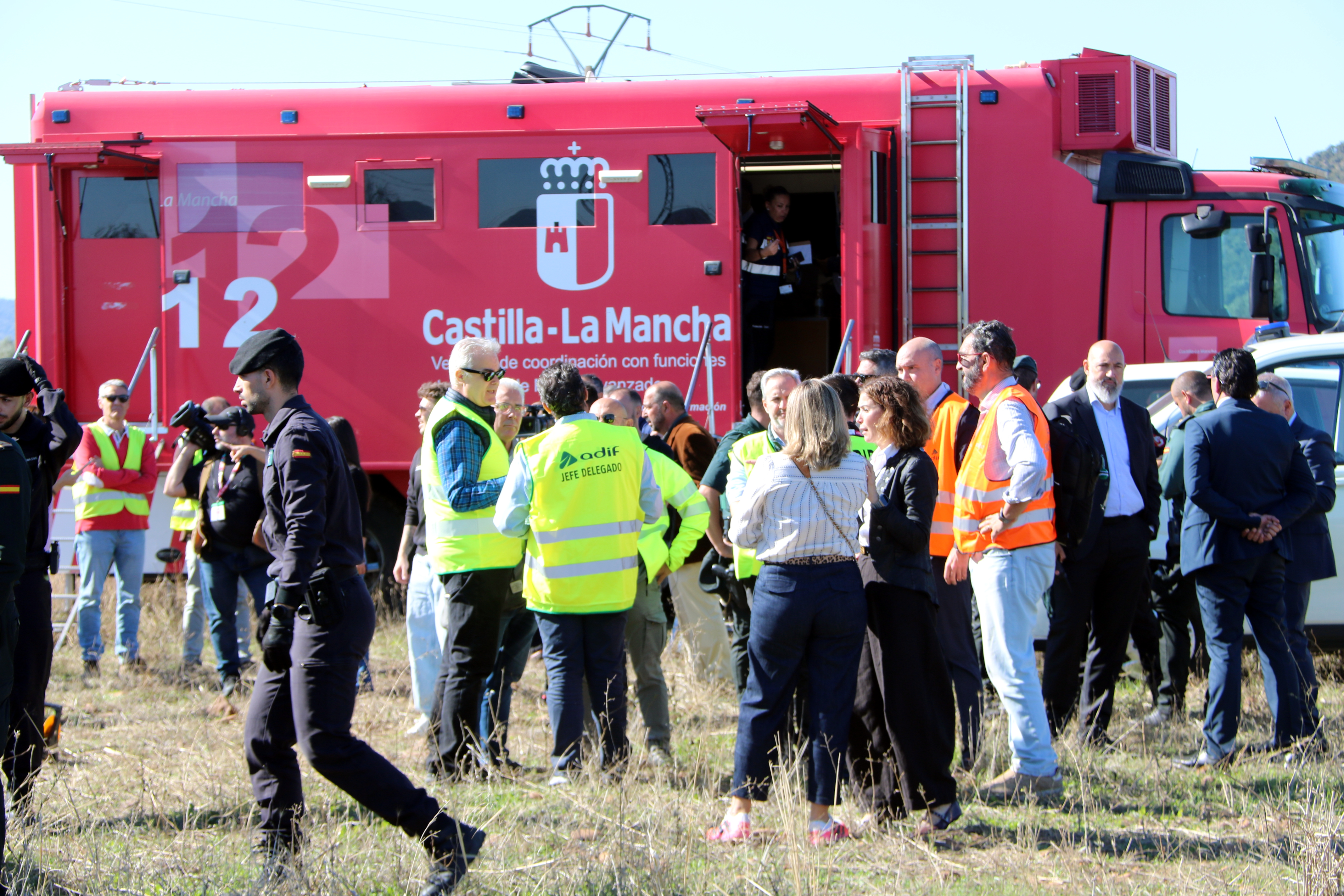
Castilla-La Mancha president Emiliano García-Page had warned that the death toll could rise further, as rescuers had not yet reached all parts of the damaged carriages.
Catalonia offers assistance
Catalan President Salvador Illa has suspended his public engagements for Wednesday and offered Catalonia's assistance following the deadly collision.
Illa said he was following developments closely and expressed his support for those affected, their families and the emergency crews working at the scene.
"Catalonia stands ready to help in any way necessary," he said in a message on social media.
Spanish Prime Minister Pedro Sánchez said he was "dismayed" by the "serious" accident and expressed his "affection, solidarity and support" for victims and their families.
He said emergency services were working at the scene in coordination with the administrations involved and that he was in constant contact with transport minister Óscar Puente and Castilla-La Mancha president Emiliano García-Page.
Cause not established
The cause of the collision has not yet been established.
García-Page said he had received information suggesting possible human error at the Atocha control centre in Madrid, but stressed that this was unconfirmed and that it was too early to draw conclusions.
The European Commission said it was prepared to support the Spanish government and that the EU Agency for Railways would examine the situation.
European officials also urged caution while the investigation remains in its early stages.
Unions call for investigation
Railway unions have called for a thorough investigation to establish the circumstances of the collision and determine any responsibilities.
CCOO and UGT said it was essential to clarify what happened and adopt measures to prevent a similar tragedy.
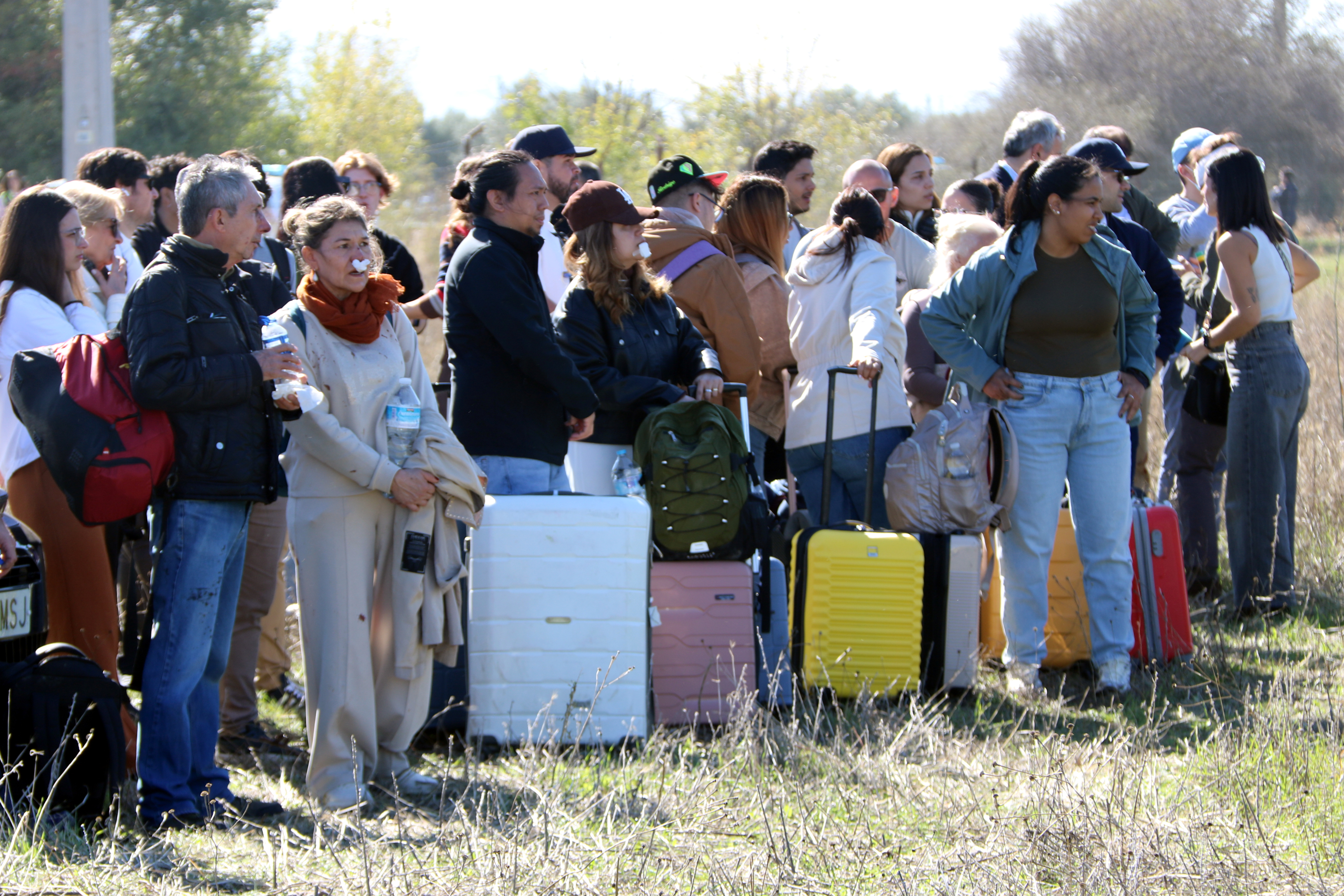
CGT warned against prematurely blaming railway workers to deflect responsibility from companies or institutions, calling for scrutiny of safety systems, working conditions and management decisions.
One rail union representative described the images from the scene as "devastating."
Francisco Cárdenas, head of the UGT union at Renfe in Catalonia, said information received by the union indicated that "many" people had lost their lives.
"This is absolute madness. Something here does not add up. The safety systems we have are admirable; one train cannot run into the back of another," Cárdenas said.
He added that the train driver had not yet been located and that railway workers had suffered serious injuries.
A passenger also told 'El Matí de Catalunya Ràdio' that they had been travelling on a train that was stationary when they suddenly felt an impact from the train behind.
The passenger said they had hit their head in the collision.
Previous deadly incidents
The crash comes nine months after the fatal high-speed train collision near Adamuz, in Córdoba province, on January 18, and the Rodalies accident in Gelida, Catalonia, two days later, in which a trainee driver was killed when a retaining wall collapsed onto the tracks.