The reality of migrants' lives: An obstacle course to obtain legal status
Despite the growing perception that life is easy for irregular migrants, the reality is far more complex and challenging
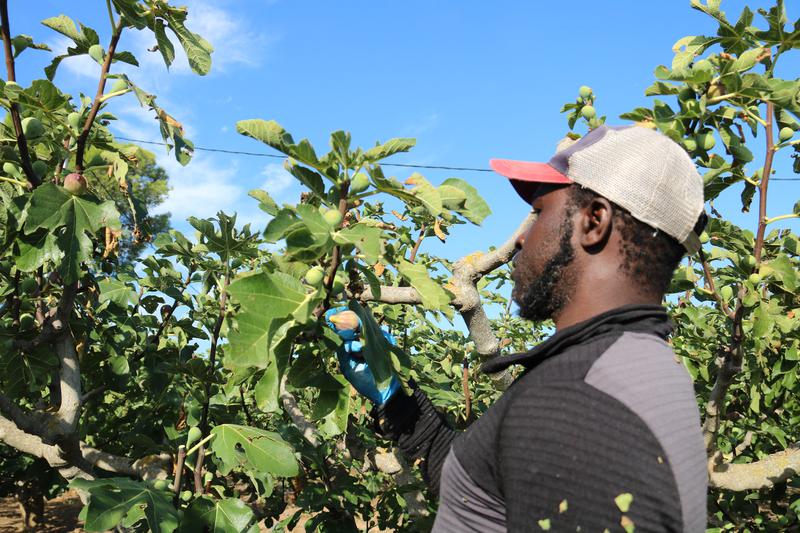

Perceptions of migration among citizens in Catalonia are becoming increasingly negative.
Recent data from the Political and Social Sciences Institute (ICPS) shows that the number of Catalans in favour of limiting migration has risen from 44% to 60% in just two years, with six in ten Catalans believing there is more migration than there actually is.
Migra Studium, a very active foundation in favour of migrants' rights, witnesses this shift every time its members visit schools to give talks about migration.
"Many students tell us: 'Migrants arrive here and have everything: papers, benefits, a health card…' But that's not true. We explain the reality, which is not like that," explains Carmen Juares, migrant rights activist and head of reception at the foundation.
Juares arrived in Barcelona in 2005, fleeing violence in Honduras. She spent six years working as a live-in carer, on duty 24 hours a day, caring for an elderly woman with dementia. She is now fighting to defend the rights of many migrants who go through the same situation.
"The process of regularizing their status is a continuous obstacle course. Every step of the process reminds them that they are second-class citizens," she tells Catalan News.
Despite the hardship many migrants face, social media algorithms are often dominated by rhetoric portraying migrants as people who come to take up resources and have things easy.
"This is recurrent on TikTok, with the intention of pitting people against each other and dividing society," she explains.
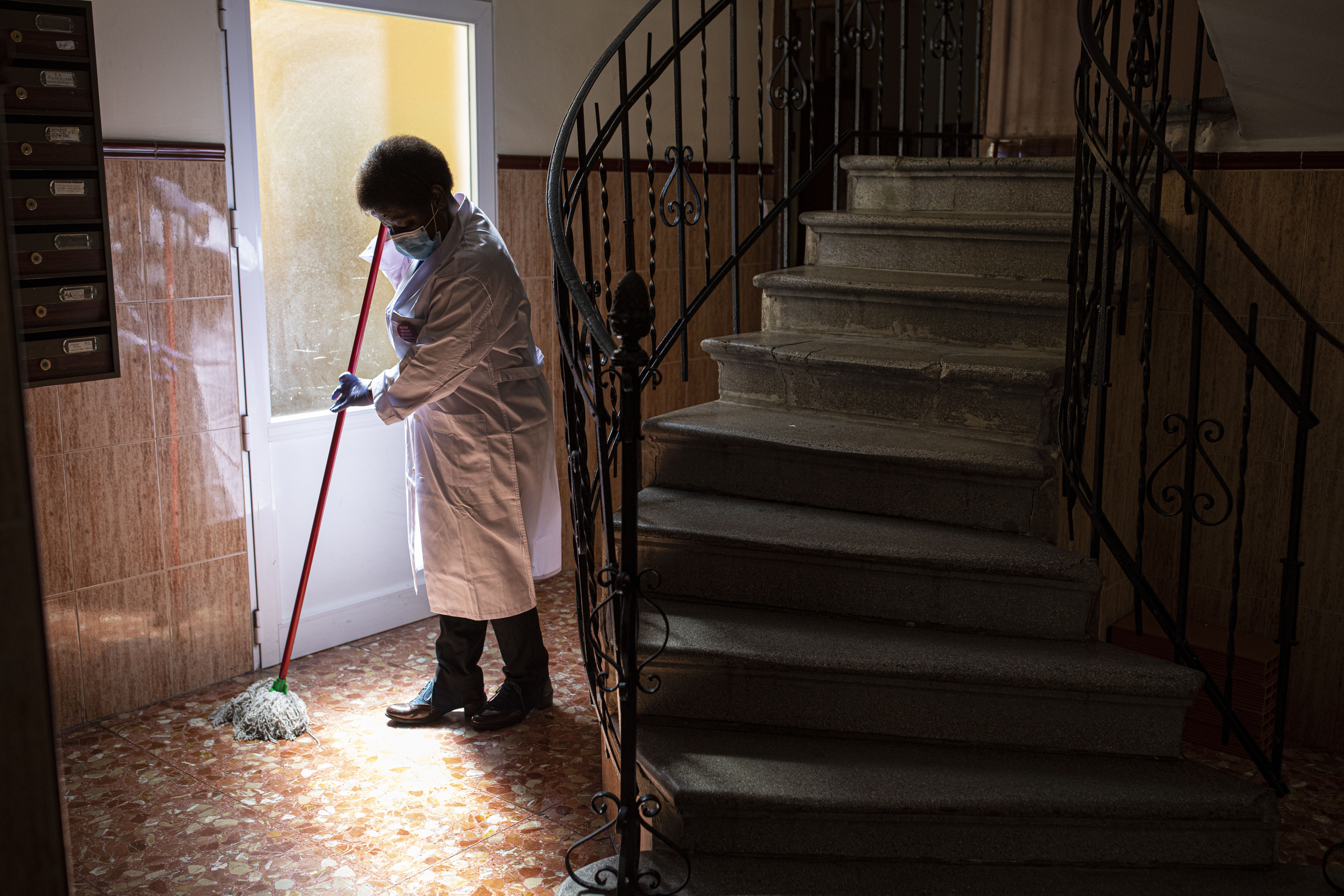
One of the most effective ways to debunk these myths is to explain the journey faced by a person arriving in Catalonia in an irregular situation.
"They must first enrol in the municipal register, which can be very difficult because many struggle to demonstrate a fixed residence," she explains.
For most people with a rental contract and documents to prove their address, this is an easy administrative process. However, for many in an irregular situation, this step alone can take months, or even years.
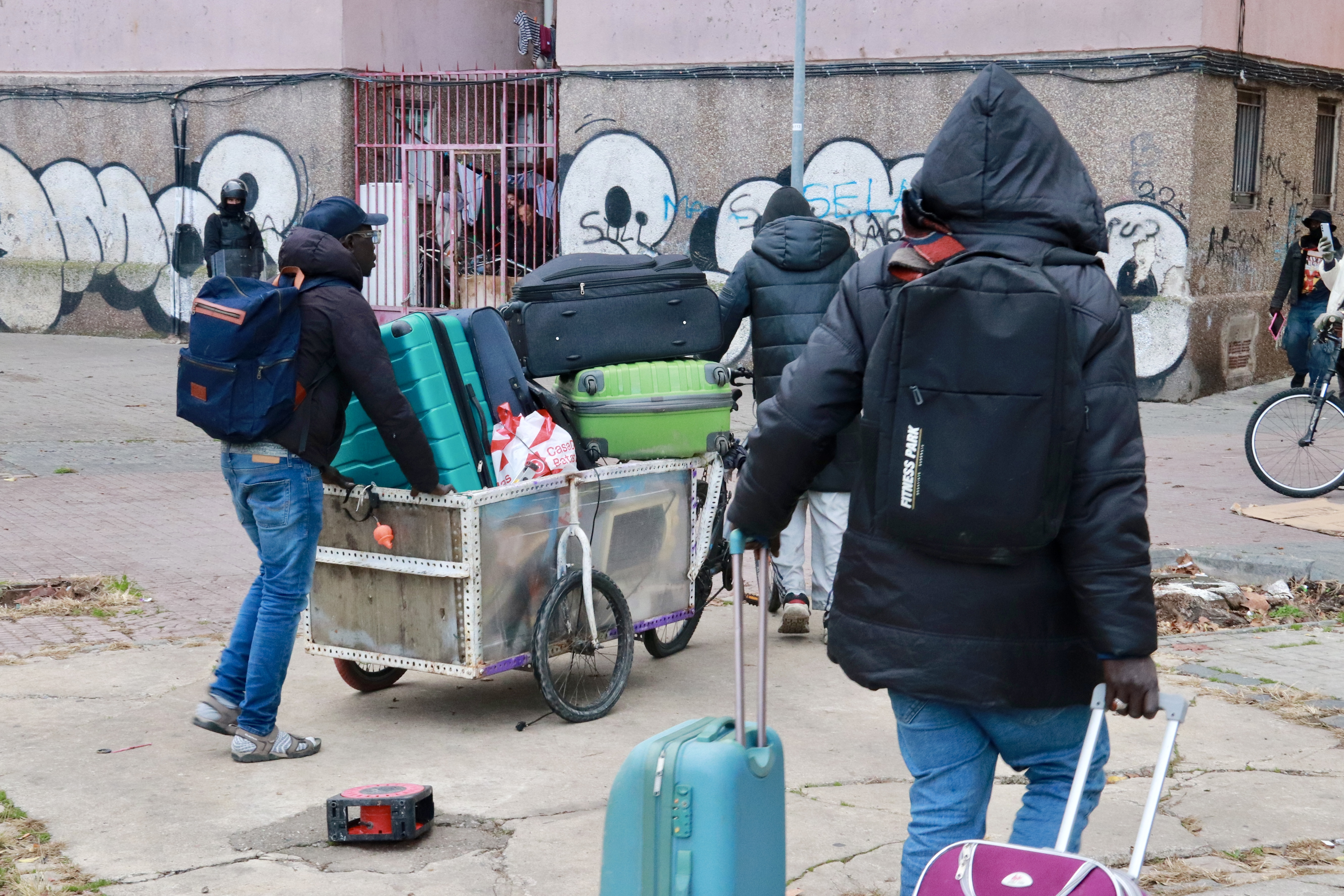
In Barcelona, a technician must validate a person's residence, which is particularly difficult for those who are constantly moving, living in illegal flats, or even on the street.
"Once they have that, they need to apply for a reception certificate. To obtain this, they must complete 90 hours of Catalan and Spanish language courses, as well as a course on Catalan society and another on labour rights. However, there are not enough of these courses available," she adds.
Juares explains that most of these courses are offered from Monday to Friday during working hours, which for migrants -most men working in agriculture and construction, and most women in care work- is "impossible" to attend.
"Many of these people do essential jobs. They take care of our elderly, often in situations of labour exploitation, but then face institutional violence when trying to regularise their situation," she explains.
If they manage to find the time to complete the courses, they obtain the reception certificate, which already represents a major step forward.
But even then, the waiting continues: they must wait two more years with this certificate before they can begin other procedures with immigration services.
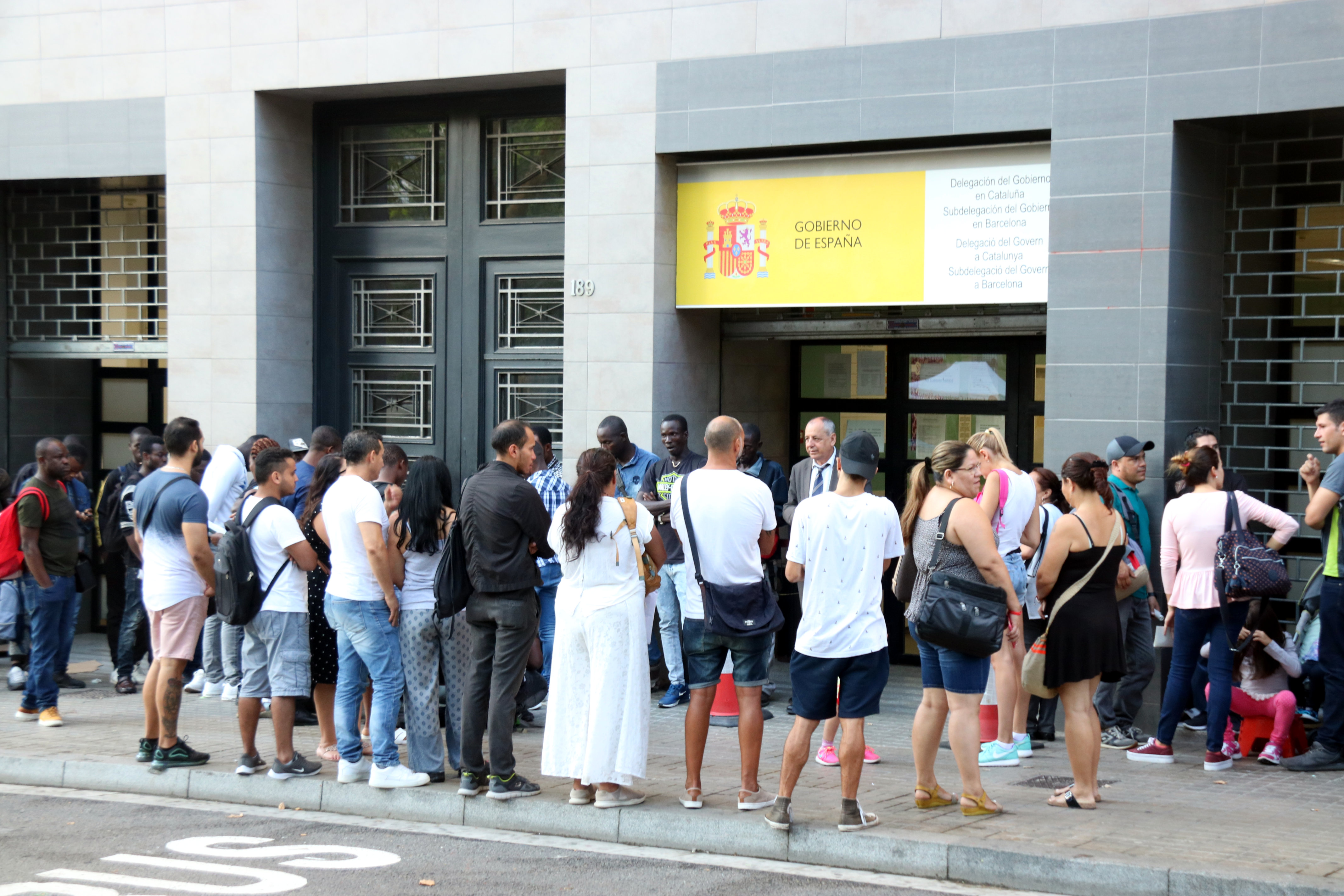
Once this period has passed, they face the difficulty of securing TIE appointments. "Many people do not have access to the internet or a computer, which makes it much harder to obtain appointments. Others work extremely long hours and have no time to regularly check for availability," Juares explains.
Like many others, they often end up resorting to third parties or black-market options to secure appointments, paying up to €300, despite being in extremely fragile financial situations.
"Even then, many problems remain. Deadlines are often not respected. Many people are left waiting and waiting, which leads to desperation and serious emotional distress," she explains.
"From beginning to end, the entire process involves significant suffering and repeated violations of rights. Many people live in constant anxiety, fearing they will be sent back to square one," she adds.