35,000 march on parliament as teachers and doctors' rallies in Barcelona culminate in mass protest
Marches converge on final day of week-long education strike
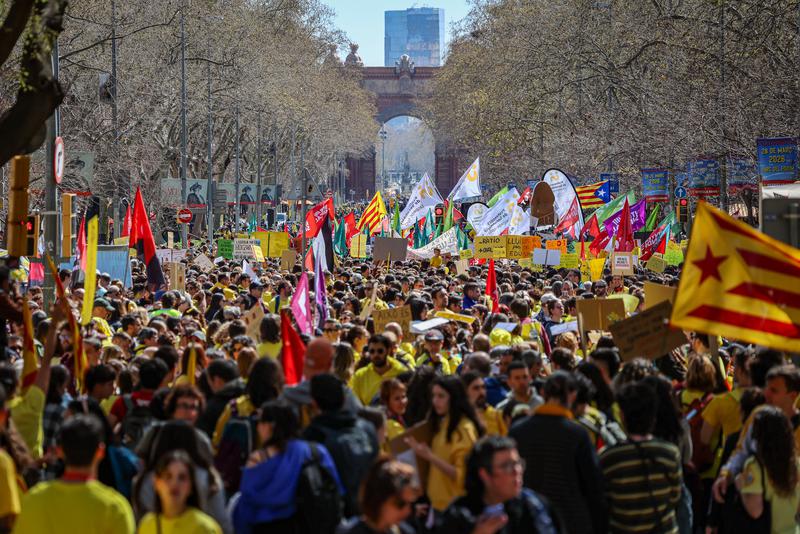

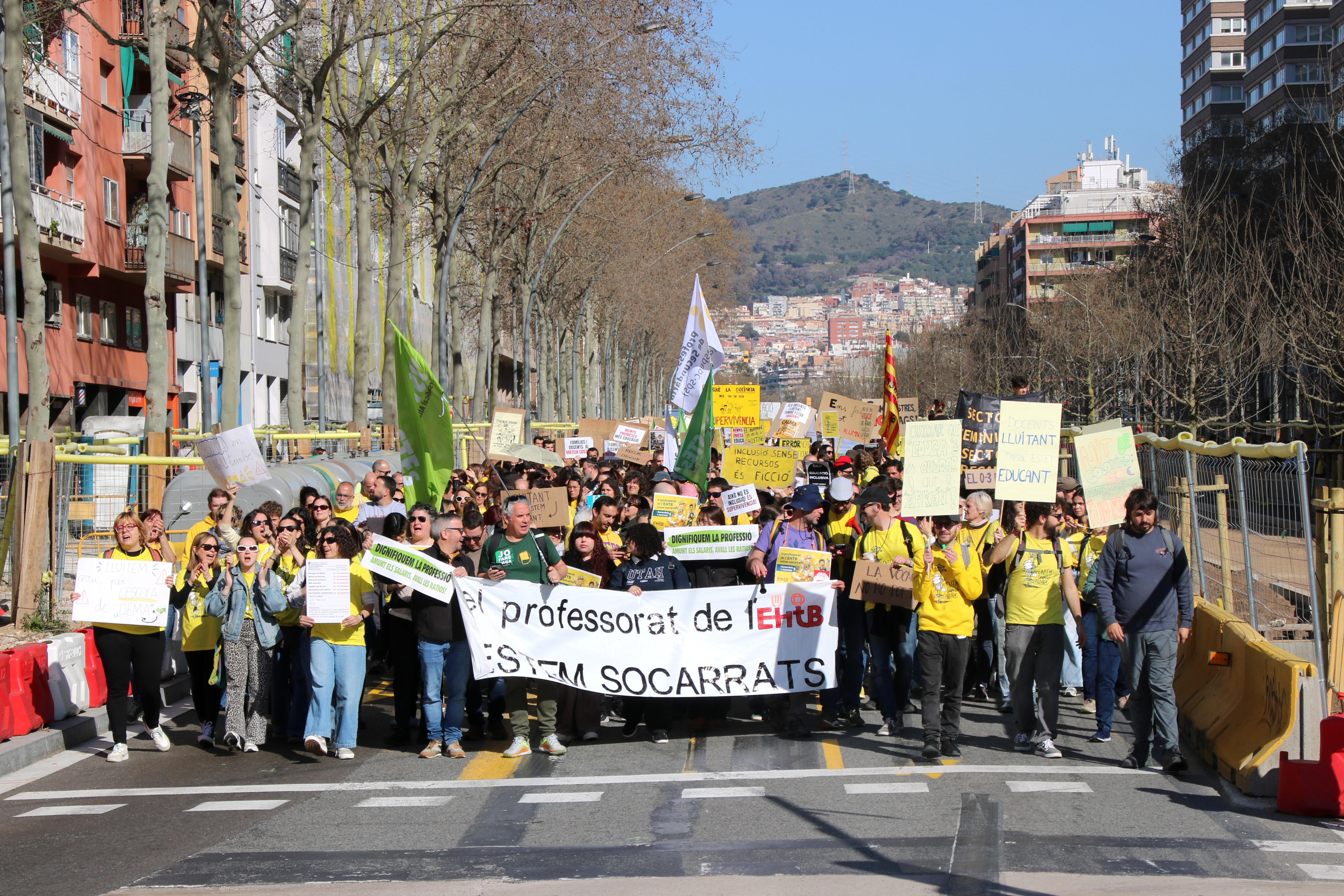
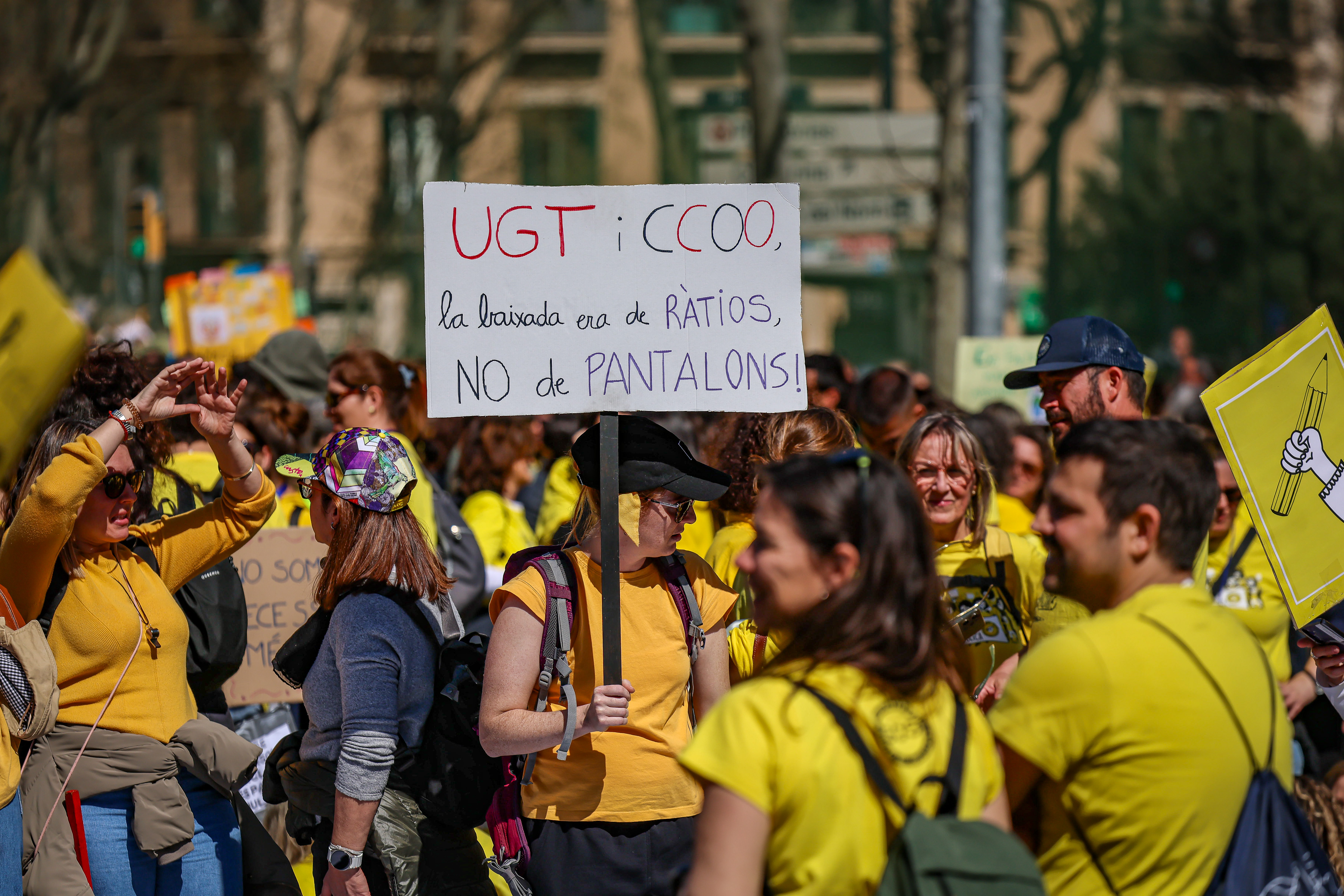
Teachers and other education staff marched through Barcelona on Friday to demand that the Catalan government return to the negotiating table and improve an agreement reached with the CCOO and UGT unions.
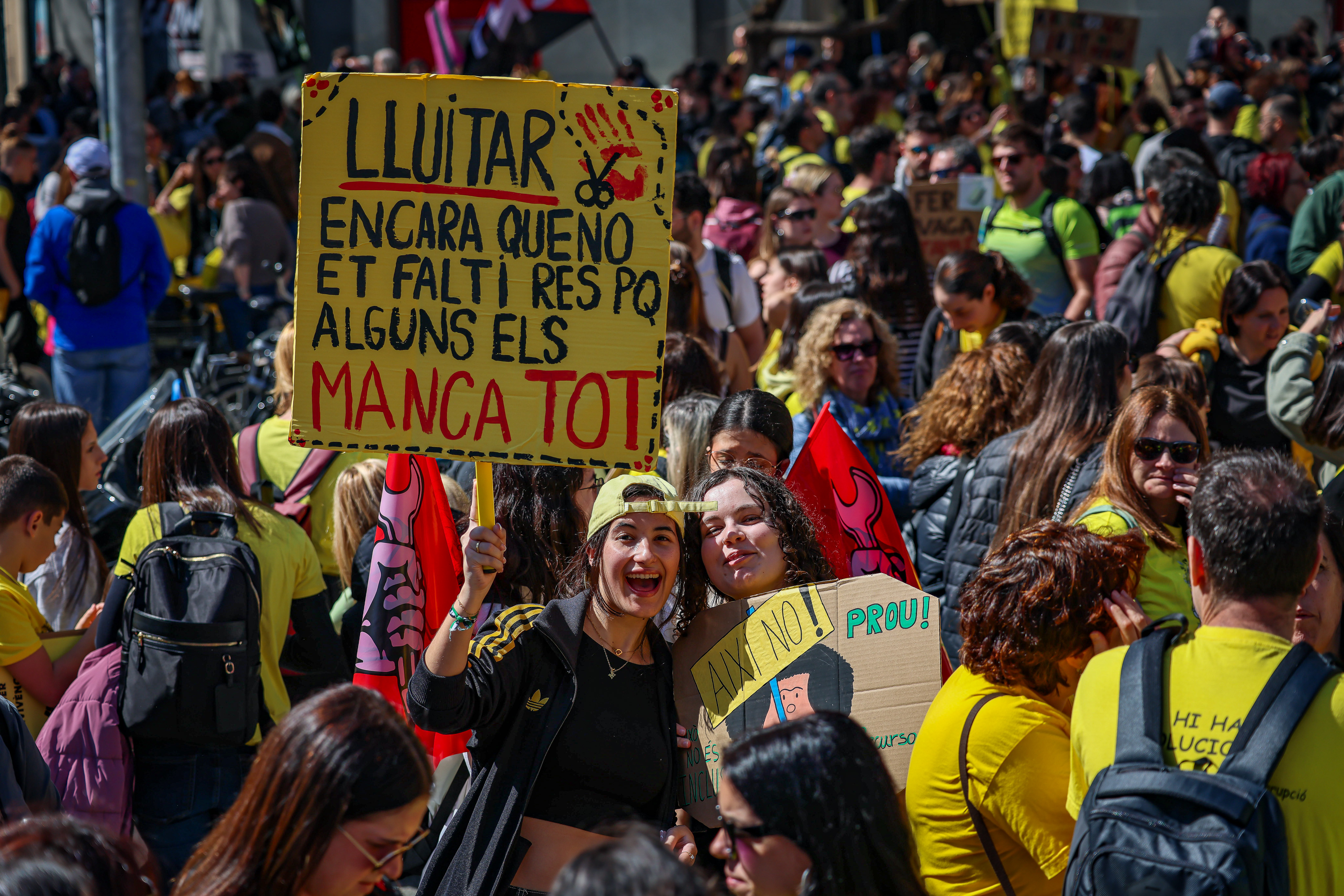
Around 35,000 people, according to the local police, took to the streets on Friday in the two demonstrations by teachers and doctors that converged in a march to the Catalan parliament.
The teachers' march began from Plaça Tetuan shortly after 12:30 pm and ended at Ciutadella Park.
The unions behind the strike urged the Minister for the Presidency, Albert Dalmau, to resume negotiations on Tuesday at a meeting at the University of Barcelona.
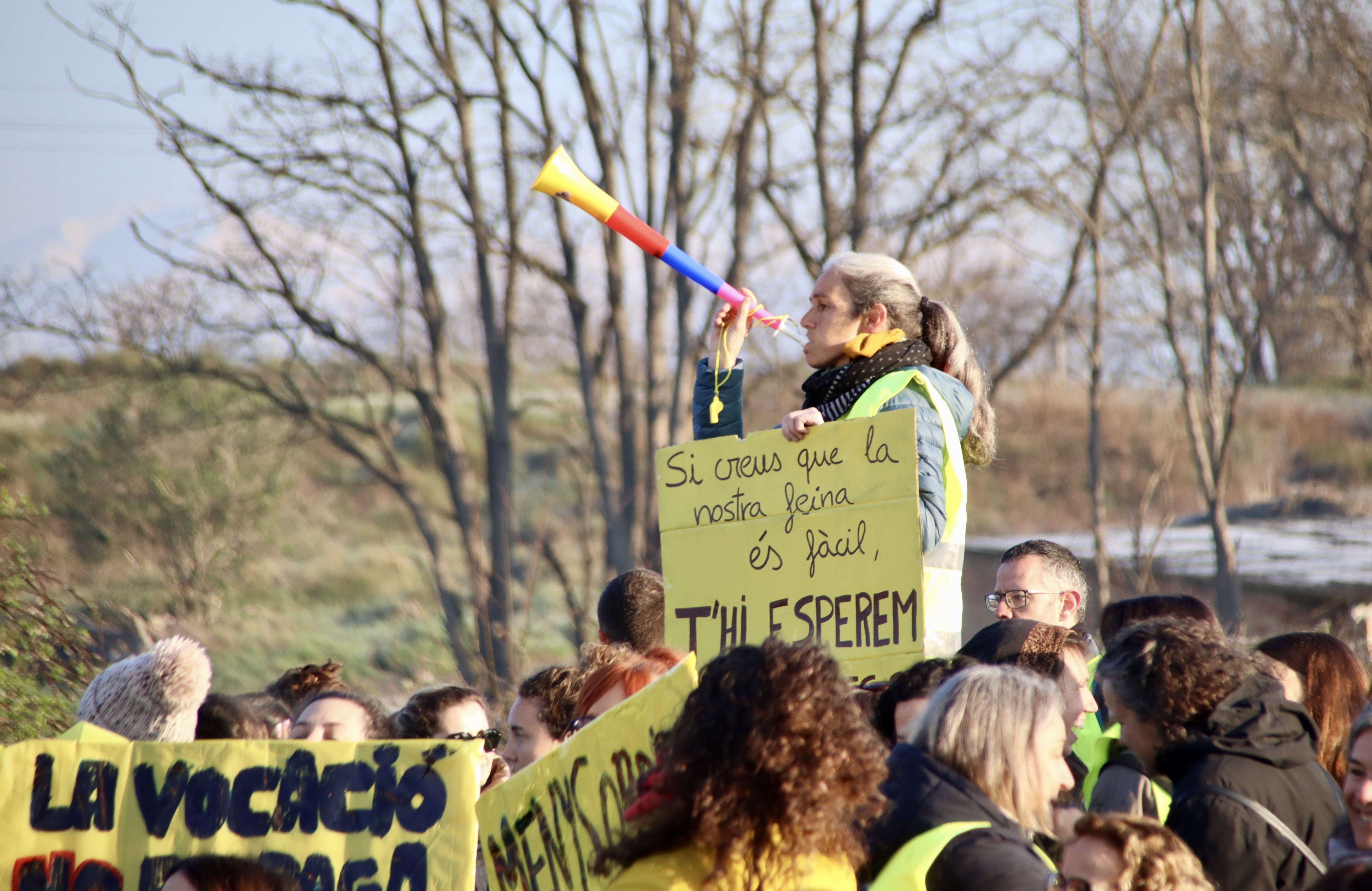
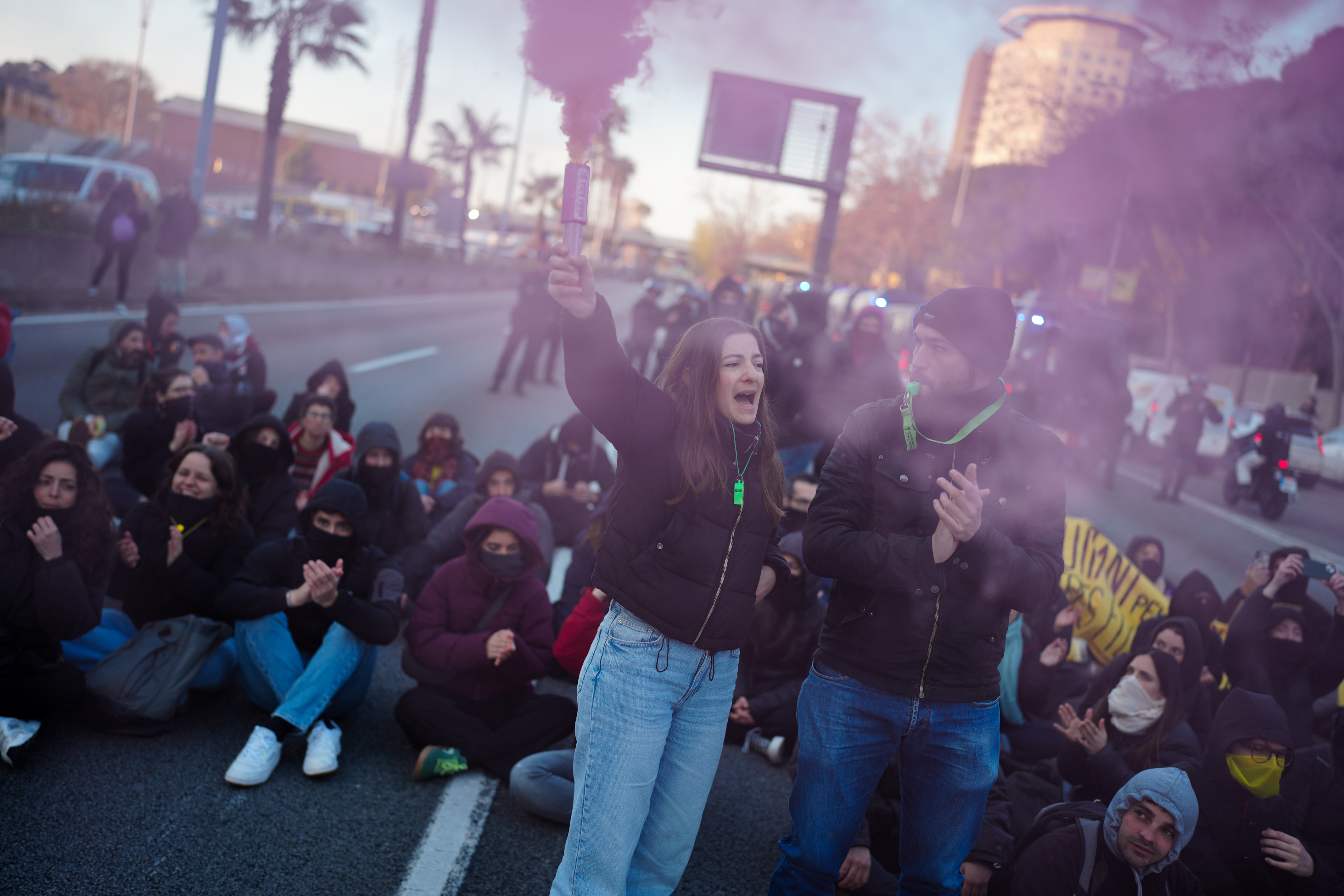
Earlier, teachers blocked the Ronda de Dalt ring road and several major routes across Catalonia, including the AP-7 near Badia and the C-17 in Gurb, before roads were gradually reopened later in the morning.
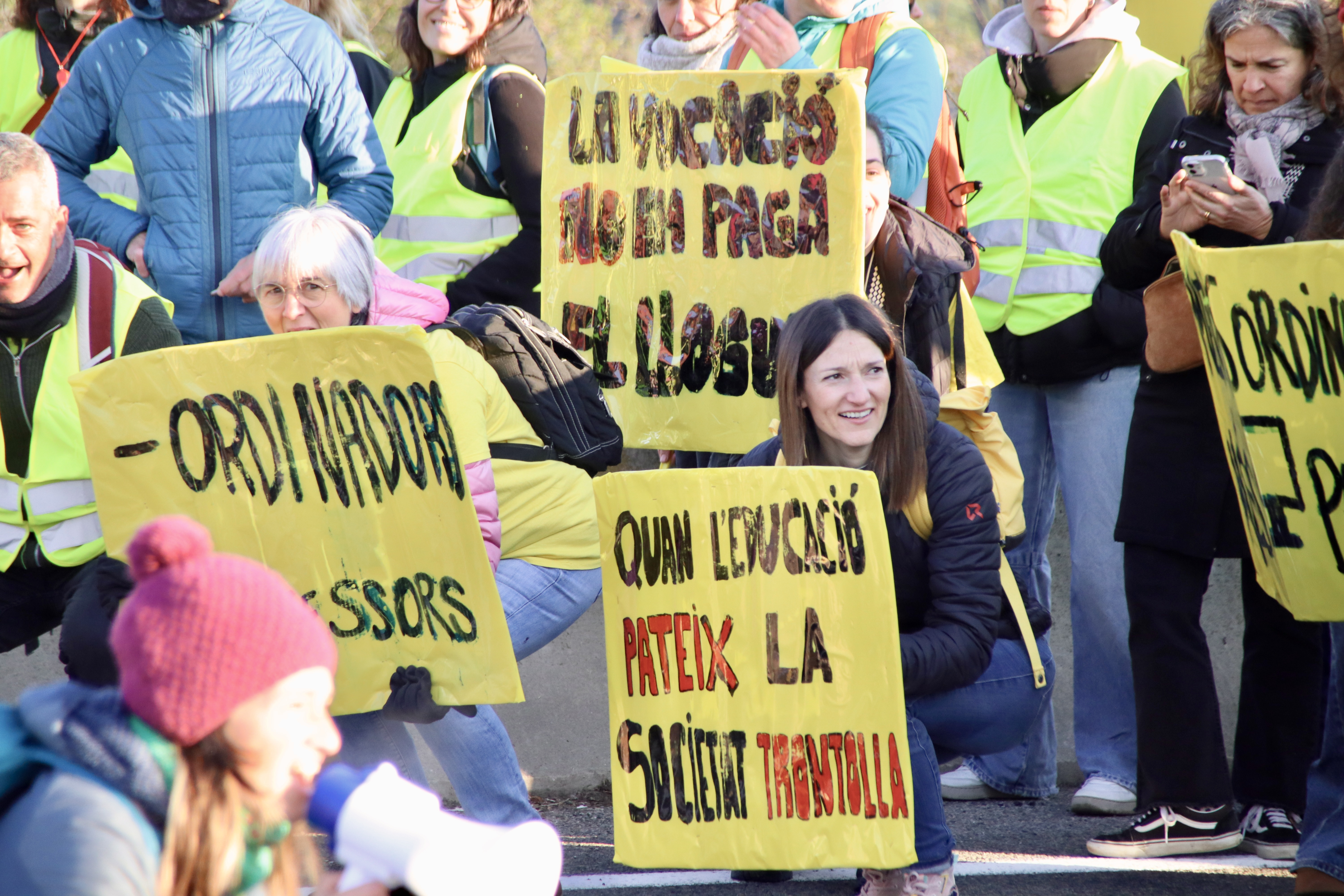
Teachers then marched through Barcelona in several columns on Friday morning, blocking key roads as they converged on Plaça Tetuan on the fifth and final day of scheduled strike action.
One march set off shortly before 10 am from Fabra i Puig along Meridiana. Other teachers gathered on Gran Via near Ciutat de la Justícia, with another column departing from Rambla Prim. A fourth group assembled at Plaça Francesc Macià, where police pre-emptively closed Diagonal.
Teachers across Catalonia were called to strike on Friday, from both public and 'concertada' schools (semi-private schools that receive public funding), alongside administrative, extracurricular, support, and early childhood (ages 0–3) staff.
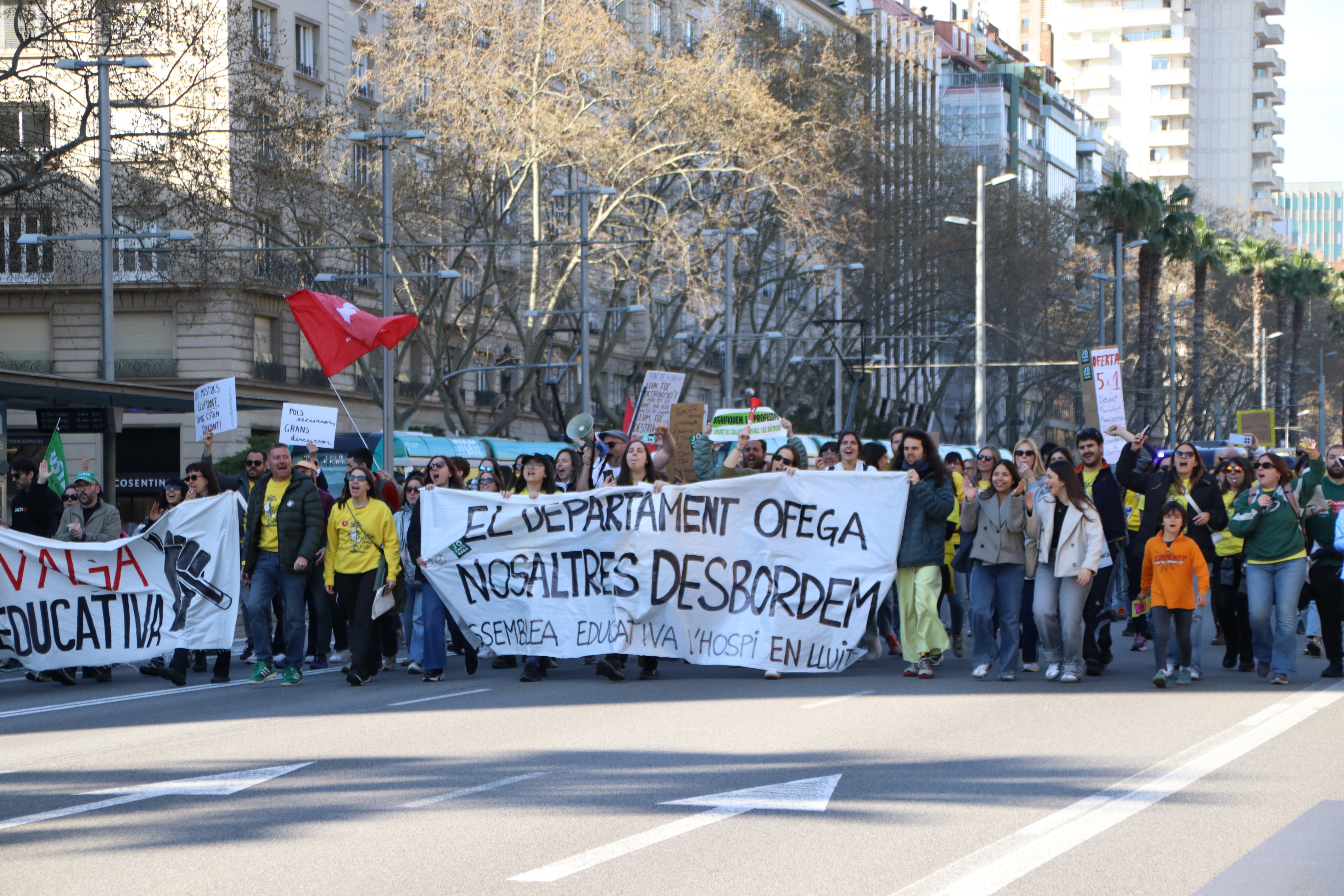
Earlier in the week, strike action was organised on a regional basis from Monday to Thursday.
The strike was called by the USTEC·STEs, Professors de Secundària, CGT and Intersindical unions, which are demanding improved pay and working conditions that goes beyond the deal reached between the Catalan government and the CCOO and UGT unions.
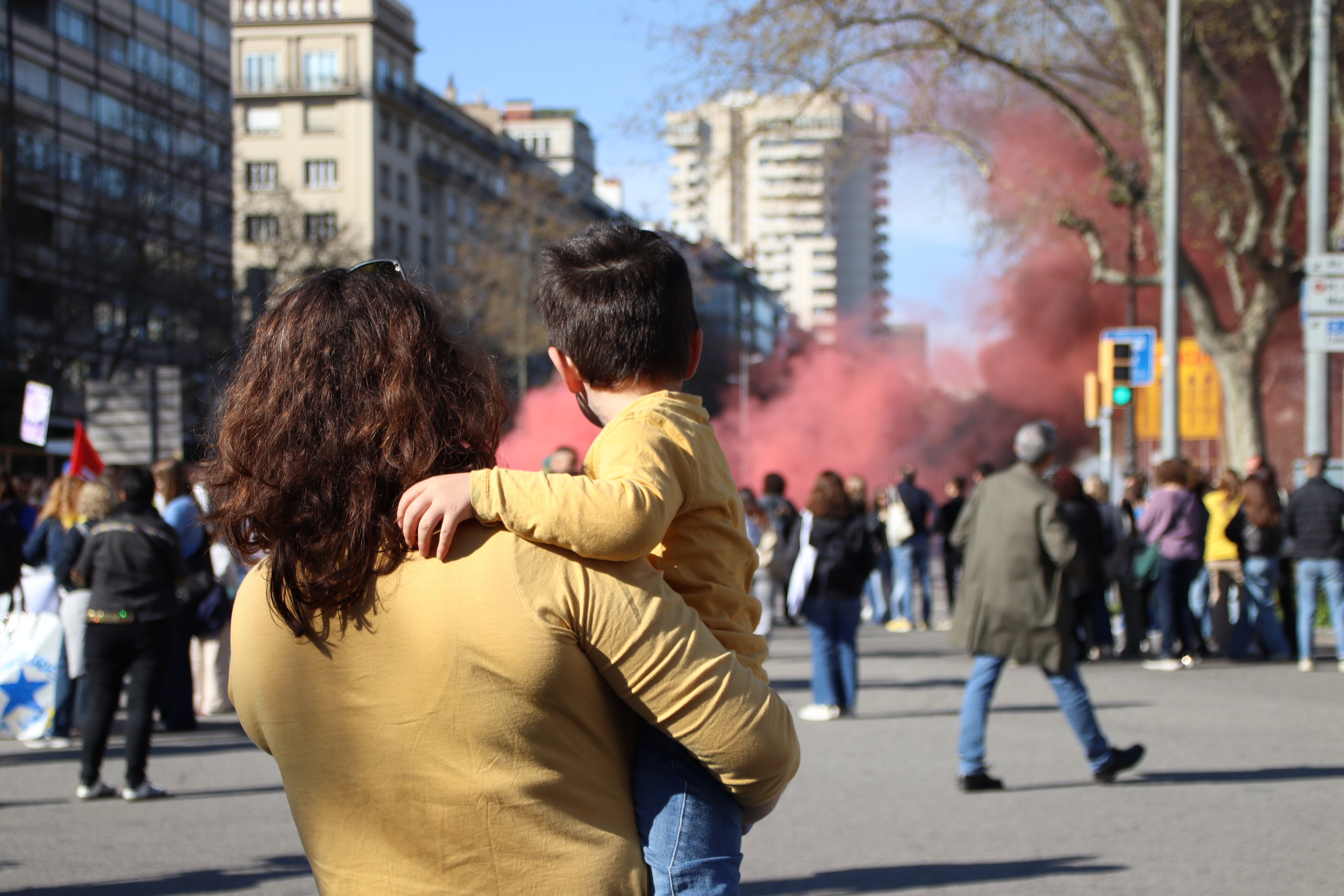
Specifically, they are calling for an increase in the specific salary supplement, further reductions in class sizes, more resources for inclusive education, additional staff in schools and a reduction in bureaucracy.
The agreement signed by CCOO and UGT earlier this month includes a "progressive" reduction in class sizes and nearly €300 million in additional funding for inclusive education, according to the Education Department.
It also introduces a €50 overnight allowance for school trips.
In parallel, a deal was reached to provide education support staff with a salary supplement ranging from €290 for kitchen assistants and cleaners to €473 for rural early childhood education technicians.
Government says it's willing to talk
Striking unions say the agreement falls short and are urging the government to return to negotiations, but only within the framework of the strike committee rather than the sectoral bargaining table, where CCOO and UGT are also represented.
The government had said this week that it does not plan to reopen talks and encouraged unions that have not signed the agreement to do so.
On Friday, however, Catalonia's economy minister, Alicia Romero, said there was room to continue dialogue with striking teachers, while defending the deal already reached.
In an interview with Catalan public broadcaster TV3, Romero said the government remained willing to "sit down, talk and engage in dialogue" in order to broaden consensus amid.
She acknowledged that improvements could be more extensive but stressed that "resources are what they are" and that the government is constrained by fiscal rules.
Romero said the administration had invested €510 million in recent years to improve teachers' working conditions.
"Discontent over many years"
Speaking to the Catalan News Agency (ACN) on Friday morning, USTEC·STEs delegate and teacher Patricia Morales said the dispute stemmed from "a build-up of discontent over many years," and said that the main demands included restoring teachers' purchasing power and increasing staffing levels in schools.
"People have mobilised because we lack staff in schools," she said, while also criticising the agreement reached by the government with smaller teachers unions.
Morales said turnout in the protests had been high and warned that mobilisations would continue if negotiations failed to progress.
She said the strike committee had received no response from the government and warned the dispute could drag on: "The rest of the school year will not be normal" if demands such as reduced class sizes and more resources are not met.
Week of strikes
Ahead of Friday's Catalonia-wide strike, teachers in different areas took strike action on different days, including in Barcelona on Monday, Tarragona on Tuesday, Lleida on Wednesday, and Girona on Thursday.