Spain's migrant regularisation explained: How it will work and what it means for Catalonia
Spanish government plans to regularise around 500,000 undocumented migrants, including an estimated 150,000 in Catalonia
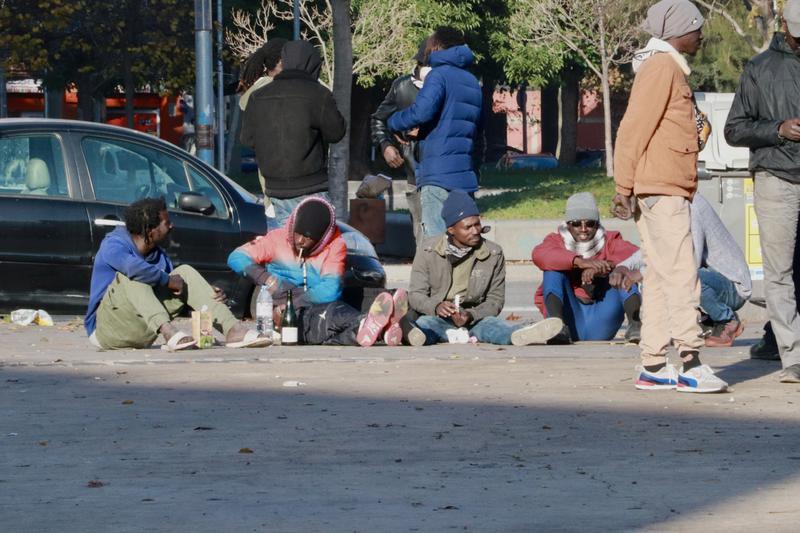

The Spanish government has announced an extraordinary migrant regularisation process that could benefit around 500,000 people across Spain, including an estimated 120,000–150,000 in Catalonia.
The move, presented as a way to recognise the rights of people already living in Spain, was authorised through a royal decree after a citizen-led initiative gathered over 700,000 signatures.
The regularisation process will open for applications in April 2026 and remain open until June 30, 2026, offering provisional residence and work authorisation for an initial period of one year, after which beneficiaries can transition to standard residence permits under Spain's immigration law.
Who is eligible?
Applicants must have lived continuously in Spain for at least five months before December 31, 2025.
Individuals who have applied for international protection (asylum seekers) can also apply, provided their application was submitted before December 31, 2025.
In addition, applicants must have a clean criminal record, both in Spain and abroad.
The process also covers migrants' children under 18 already living in Spain. These minors will receive a residence permit valid for five years.
Once an application is admitted, individuals are granted provisional authorisation to work legally in any sector and any location in Spain, offering security for both workers and employers.
Why regularise migrants now?
The measure "guarantees rights and gives legal certainty to a reality that already exists," according to Spain's Ministry of Inclusion, Security Social and Migration.
The extraordinary regularisation also revives a citizen-led initiative (ILP) backed by more than 700,000 people.
This was passed in Congress in 2024 with 310 votes in favour and 33 against, although the main opposition party – the conservative People's Party (PP) – has since criticised the measure, arguing that it should have been debated further and raising concerns about its implementation.
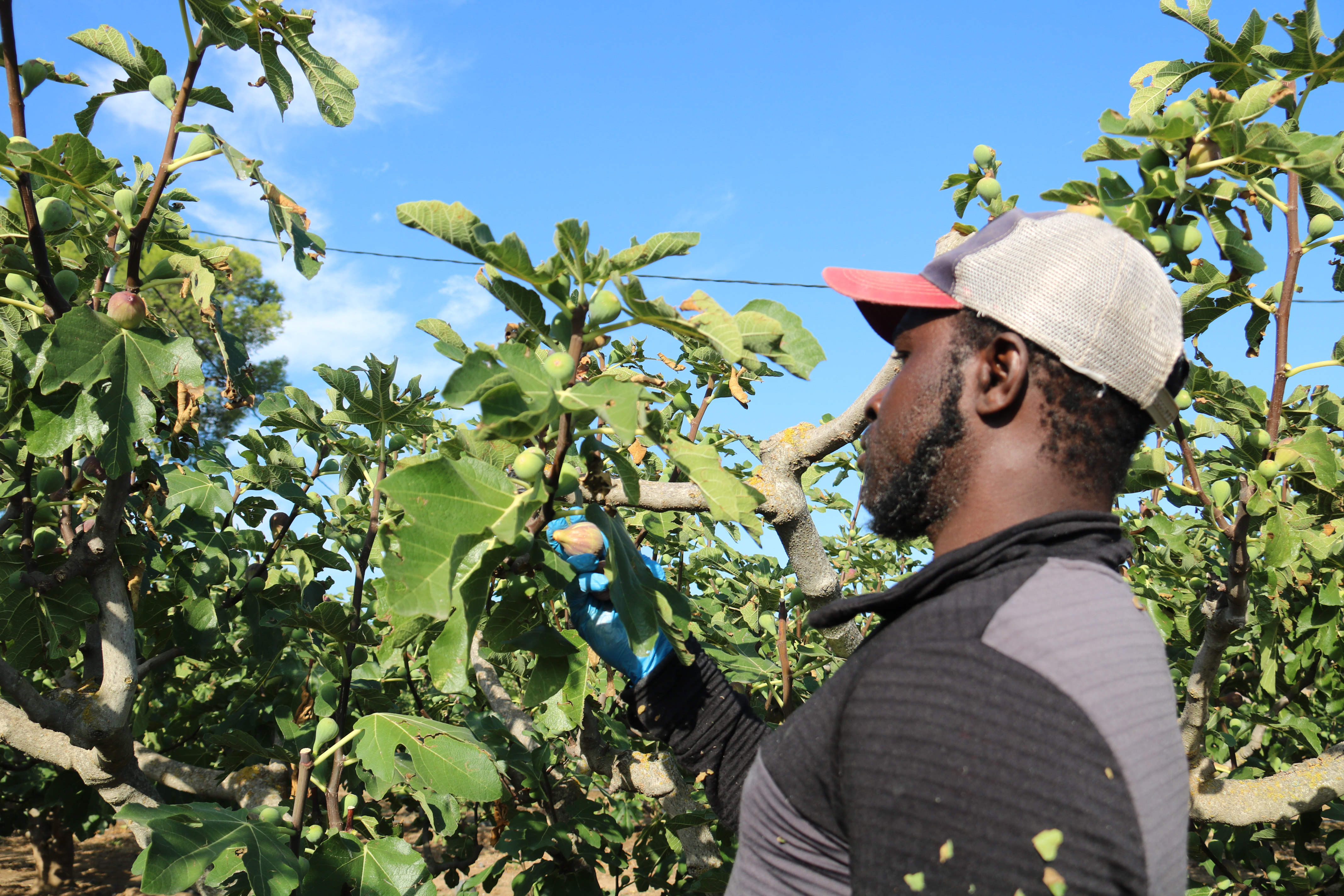
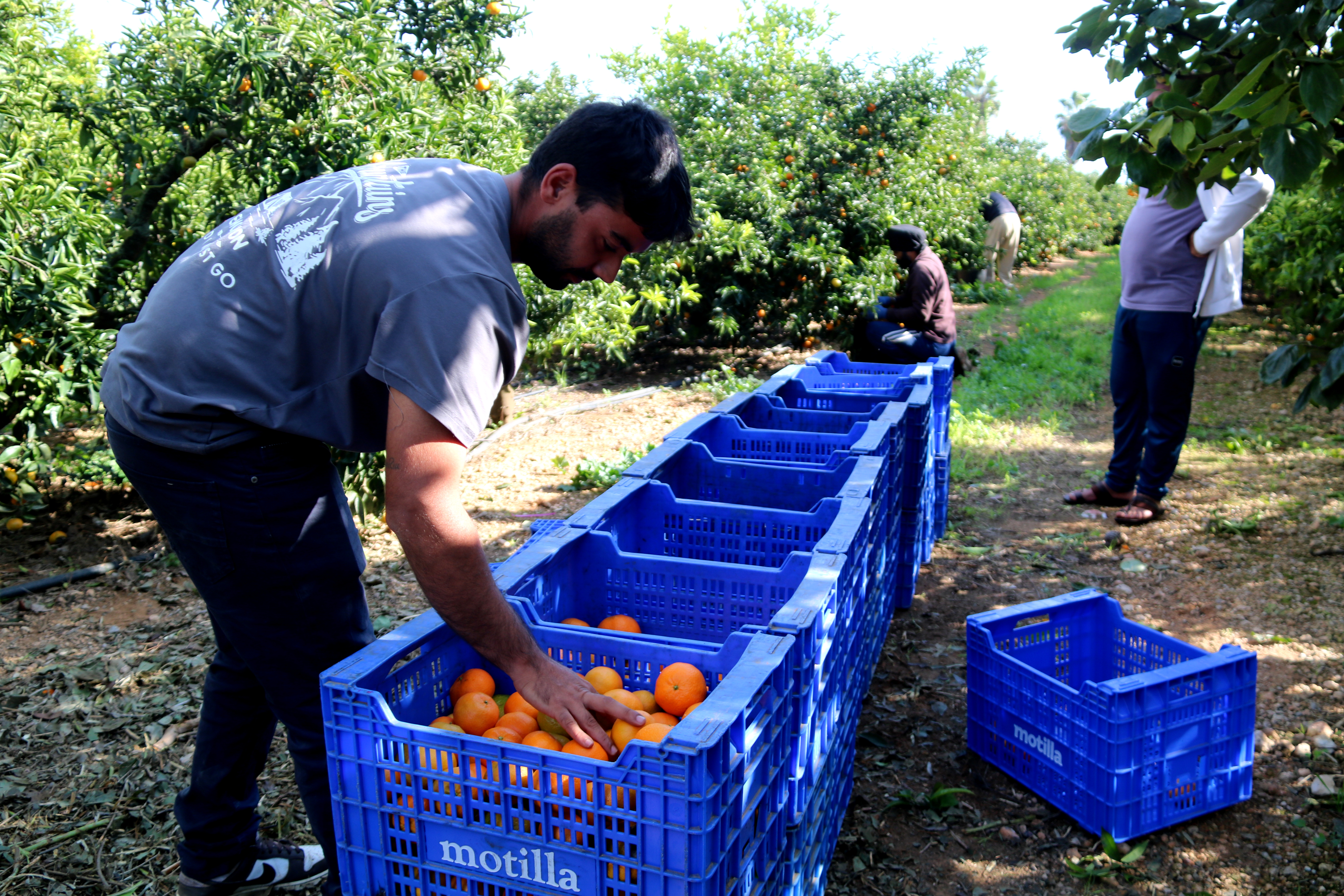
Spanish and Catalan ministers have highlighted that irregular migrants are already working in essential sectors such as agriculture, care services, hospitality, and cleaning, contributing to the economy while lacking full legal protection.
There are precedents for the measure. Spain has conducted similar extraordinary regularisations six times previously since 1986, under both Socialist and PP prime ministers. This is the first since 2005.
How does the process work?
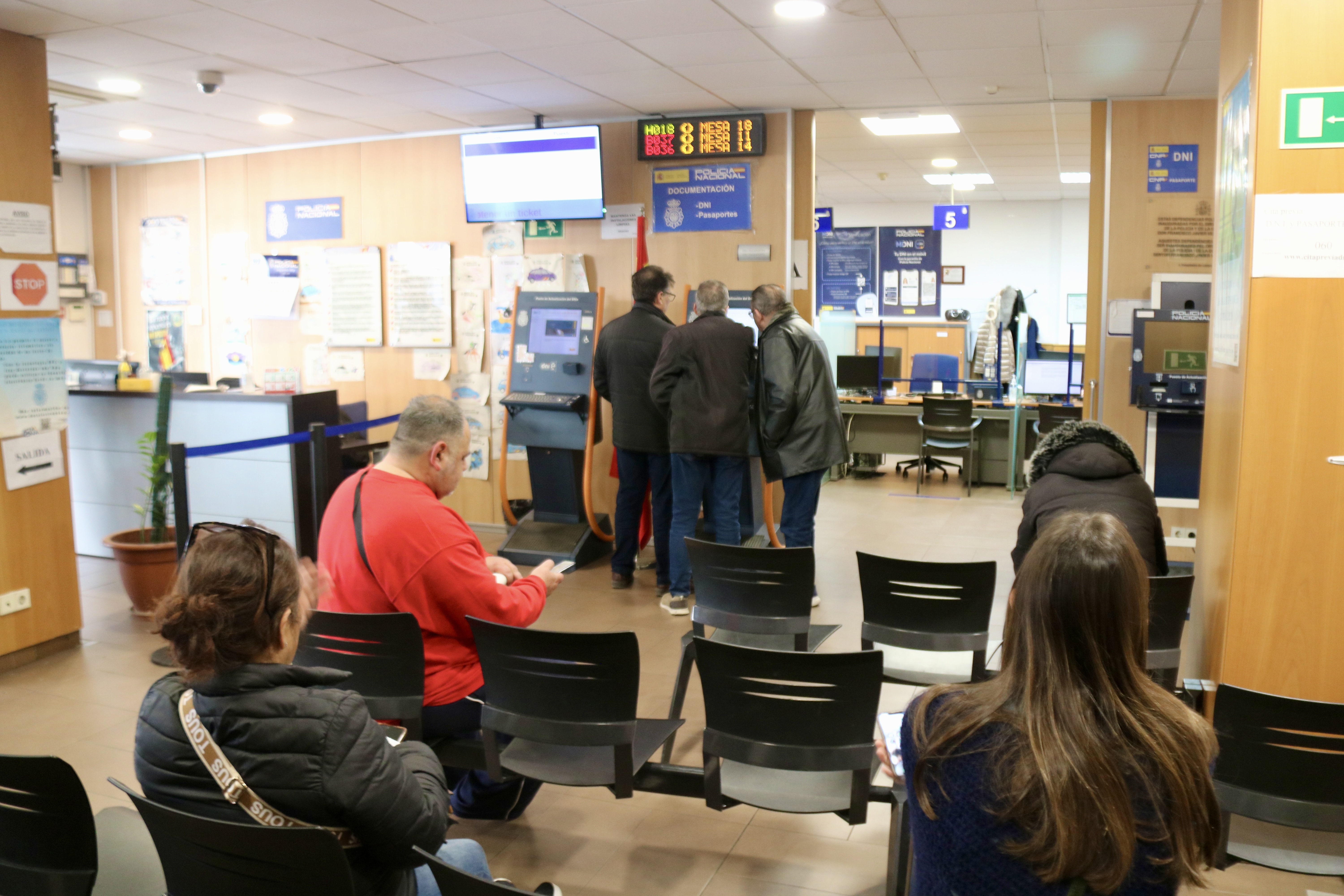
From April 2026, applicants can submit forms online or in person, with proof of residency, such as a municipal registration certificate (empadronament), medical records, utility bills, or money transfer receipts.
Once accepted for processing, applicants immediately receive residence and work rights for one year, suspending any ongoing deportation procedures.
After the first year, beneficiaries transition into one of Spain's ordinary residence permit categories under its immigration regulations, such as work or family reunification permits.
In Catalonia, a technical working group including Catalan and Spanish government officials will oversee information campaigns, legal support, and access to employment, ensuring the process reaches all eligible individuals.
The Spanish government emphasises that the measure will cut off the business model of human traffickers, increase tax revenue, and reduce informal employment.
While right-wing parties argue the measure could create a "pull factor," the Spanish government maintains that studies of previous regularisations – including the 2005 programme – found no evidence that they encouraged increased irregular migration.
Impact in Catalonia
Catalonia is home to one of Spain's largest foreign-born populations, with around 1.58 million residents holding foreign nationality, representing nearly 20% of the population.
Migrants have historically filled a majority of new jobs, contributed significantly to Social Security revenues, and played a key role in the economy.
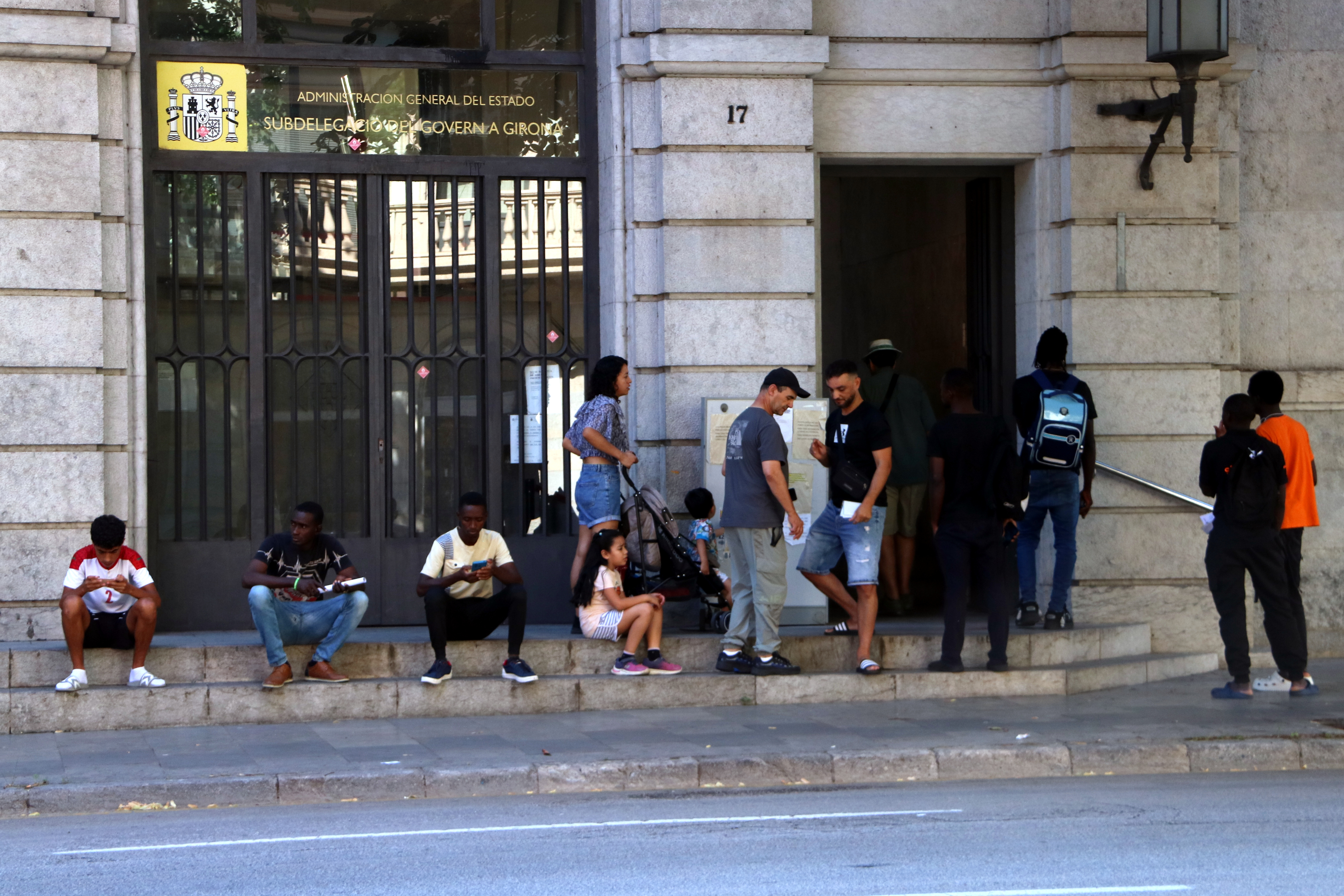
The Catalan government says it is coordinating closely with municipalities, social organisations, and the Spanish state to ensure the extraordinary regularisation process runs smoothly.
Officials say the aim is to guarantee full labour integration and access to rights, particularly for the estimated 120,000–150,000 people in Catalonia expected to benefit from the scheme.
Barcelona mayor Jaume Collboni described the extraordinary migrant regularisation as "great news" for the city.