Catalan and Spanish governments urge coordination to ensure migrant regularisation is 'success'
Officials pledge "no one will be left out" of process estimated to benefit 120,000 to 150,000 migrants in Catalonia
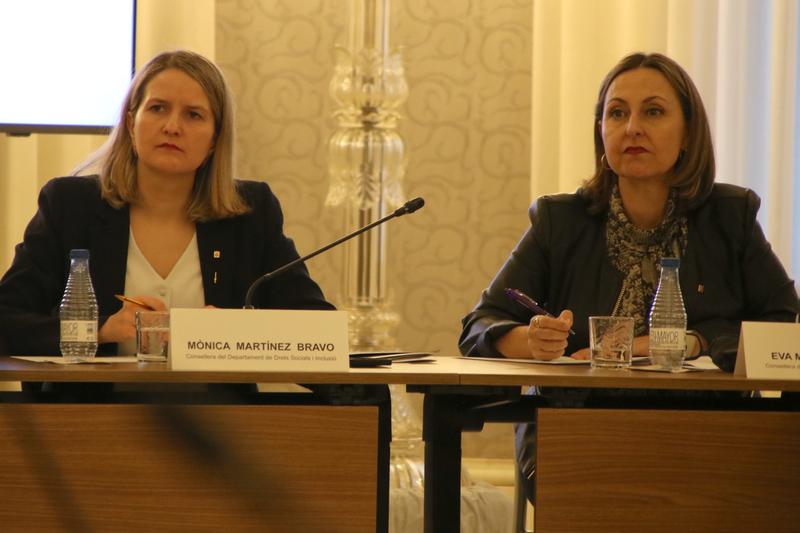

The Catalan and Spanish governments met with a broad range of social, economic and local stakeholders on Wednesday at Barcelona's Palau de Pedralbes for a summit on the extraordinary regularisation of undocumented migrants announced in January.
After the meeting, Catalonia's ministers for social rights, Mònica Martínez, and equality and feminism, Eva Menor, described the talks as "very positive," saying all parties had called for "coordination and collaboration" to ensure the process is a "success."
Martínez reiterated a commitment that "no one will be left out" of the regularisation because of administrative hurdles, lack of information or insufficient resources.

The Spanish government delegate in Catalonia, Carlos Prieto, said that "an alliance has been forged" between institutions and civil society groups.
A royal decree amending Spain's immigration regulations is due to be activated next week.
According to Prieto, procedures will be both online and in person.
The Catalan government will set up technical coordination groups to assess what resources are required for the regularisation of migrants who already live and work in Catalonia.
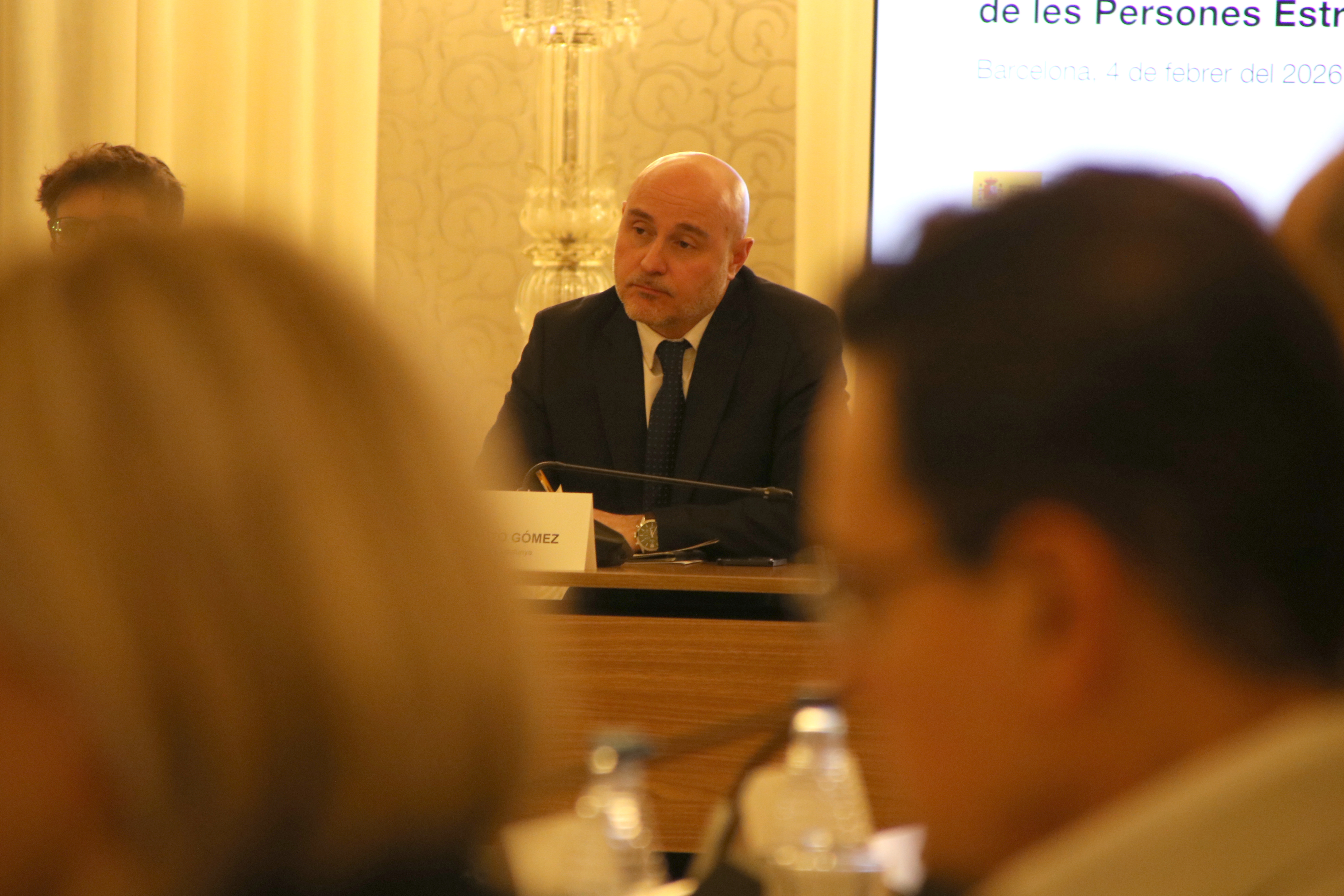
The meeting was attended by senior Catalan government officials alongside representatives from employers’ groups, trade unions, social organisations, provincial councils, Barcelona City Council and municipal associations.
Further meetings are planned, with consulates among those expected to be involved.
The regularisation process is expected to open for applications in April 2026.
Between 120,000 and 150,000 beneficiaries
According to estimates, the regularisation process could benefit between 120,000 and 150,000 migrants in Catalonia. About 18% of the population – some 1.44 million people – holds foreign nationality, making Catalonia one of Spain's autonomous communities with the largest foreign-born populations, behind only the Balearic Islands and slightly ahead of Madrid.
Over the six years from 2018 to 2024, Catalonia gained around half a million residents through migration, offsetting negative natural population growth.
Since 2019, 56% of new jobs created in Catalonia have been filled by foreign nationals. Migrants contribute around 10% of social security revenues while receiving just 1% in benefits.
Studies assessing the impact of previous regularisation programmes, including one under former Prime Minister José Luis Rodríguez Zapatero, have found reductions in informal employment, wage gains and higher tax revenues, with no evidence of a pull factor.
Third sector platform welcomes summit
Xavier Trabado, president of Catalonia’s Taula del Tercer Sector, a platform for social organisations, welcomed the summit held on Wednesday.

Speaking to reporters after the meeting, Trabado said he had demanded that governments commit "the necessary resources" to ensure the process works in "the most appropriate way possible."
UGT general secretary Camil Ros also praised the outcome of the summit, expressing confidence that the regularisation drive would benefit many families.
Ros noted that the vast majority of people expected to be regularised are already in work.
Spanish PM defends policy in New York Times op-ed
Spanish Prime Minister Pedro Sánchez published an opinion article in The New York Times on Wednesday defending his government's migrant regularisation policy and criticising what he describes as the "unlawful and cruel" operations of US Immigration and Customs Enforcement (ICE).
"MAGA-style leaders may say that our country can't handle taking in so many migrants, that this is a suicidal move – the desperate act of a collapsing country," he writes. "But don't let them fool you. Spain is booming."
According to Sánchez, governments face a choice. "[They] can buy into the zero-sum thinking of the far-right and retreat into isolation, scarcity, selfishness and decline," he argues. "Or they can harness the very same forces that, not without difficulties, have allowed our societies to thrive for centuries."
European Parliament to debate regularisation plan
The European Parliament will debate the large-scale migrant regularisation policy announced by the Spanish government, after a request from the conservative People's Party (PP) and far-right Vox.
Both parties argue that the measure could have consequences for the Schengen area and for the European Union's broader migration policy.
The debate is scheduled for Tuesday, 10 February.