Spain's Constitutional Court backs amnesty for Catalan leaders, paving way for Puigdemont's return
Court's 7-5 ruling on Dolors Bassa establishes legal doctrine for applying amnesty to other pro-independence leaders
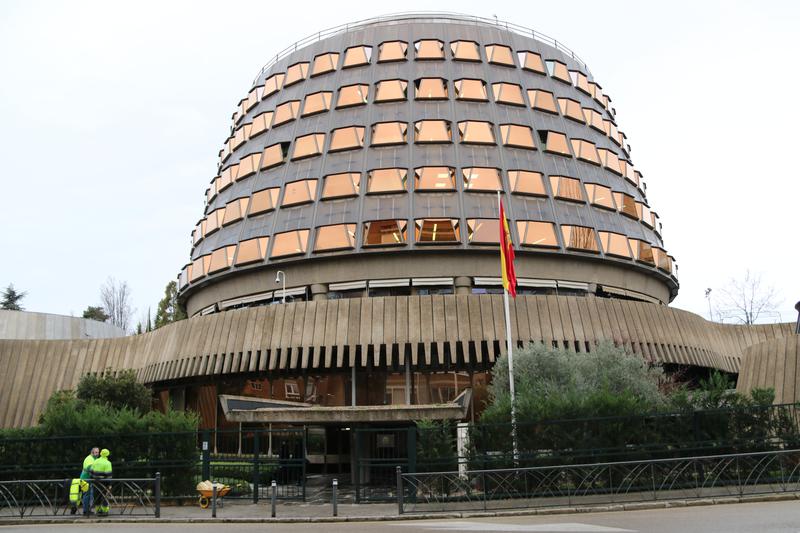

Spain's Constitutional Court has ruled in favour of applying the 2024 amnesty law to the offence of misuse of public funds involving the leaders of the 2017 Catalan independence push.
The decision paves the way for former Catalan president Carles Puigdemont and other pro-independence leaders to return to Catalonia.
In fact, just minutes after the Constitutional Court ruling, Spanish Supreme Court judge Pablo Llarena lifted the arrest warrants against Puigdemont and two of his former cabinet ministers, Toni Comín and Lluís Puig.
The Constitutional Court voted 7-5 to uphold former Catalan minister Dolors Bassa's appeal against the Supreme Court's refusal to apply the amnesty to her case.
The court announced its decision on Tuesday but will take several days to publish the full judgment, which will establish the legal doctrine for the remaining cases.
Once the judgment is published, the Supreme Court is expected to apply the Constitutional Court's ruling to the other pro-independence leaders.

Progressive majority prevails
The Constitutional Court's progressive majority endorsed the draft ruling by court president Cándido Conde-Pumpido on Dolors Bassa's appeal, overturning the Supreme Court's decisions and calling for the amnesty to be applied on a "preferential and urgent" basis.
The ruling was backed by seven progressive judges, while five conservative judges submitted dissenting opinions.
Although it only resolves Bassa's case, it establishes the legal doctrine for the remaining appeals, including those involving Carles Puigdemont, Oriol Junqueras, Jordi Turull, Toni Comín, Lluís Puig and Raül Romeva.
Political reactions
Catalan government spokesperson Sílvia Paneque said the ruling is "not an end, but the beginning of a period of normality" in Catalonia.
She also said President Salvador Illa would receive Carles Puigdemont at the Catalan government headquarters "as has been done with other former presidents."
Jordi Turull, Junts secretary general, said the amnesty does not mean "turning the page" on the political conflict between Catalonia and Spain, stressing: "It is not forgiveness, it is justice."
He described the full application of the amnesty as "a victory for the entire independence movement" and pledged to work to ensure Carles Puigdemont's return is "that of a country's president."
ERC leader Oriol Junqueras said the Constitutional Court ruling marks "the beginning of the end" and opens a new phase focused on restoring Catalonia's right to self-determination.
He said Puigdemont should be able to return and that he himself should be allowed to stand in elections, "and then let the citizens decide."
Spanish Prime Minister Pedro Sánchez welcomed the Constitutional Court's amnesty ruling and Llarena's decision to lift the arrest warrants against Puigdemont, Comín and Puig.
He said the conflict was “a political problem that needed to be resolved through politics,” allowing Spain and Catalonia to “look ahead” and learn from past mistakes.
Macías withdraws his draft
The Constitutional Court had initially planned to debate conservative judge José María Macías's draft on Jordi Turull's appeal, but Macías withdrew it, leaving Conde-Pumpido's ruling on Dolors Bassa as the only case to be decided.
Macías's original draft opposed applying the amnesty to Turull, but was rejected by the court's progressive majority on September 22.
He was asked to rewrite it to reflect the majority's position and had said he would submit a dissenting opinion against his own revised text.
With Macías's withdrawal, the full court instead voted on Conde-Pumpido's Bassa ruling.
The Constitutional Court will notify the Supreme Court "immediately" once the full judgment is published.
The legal dispute
The Constitutional Court's deliberations centred on the Supreme Court’s decision to exclude the misuse of public funds from the amnesty.
The Supreme Court argued that the independence leaders "obtained a personal benefit of a financial nature" by using public money to fund the 2017 referendum, allowing them to pursue their political objectives without spending their own money.
The Supreme Court had also argued that the referendum could have affected the European Union's financial interests, but the Court of Justice of the European Union rejected that argument in a July ruling.
The remaining dispute therefore had centred on whether the use of public funds amounted to a personal financial benefit.
Puigdemont's return
The Constitutional Court ruling is set to pave the way for Puigdemont to return to Catalonia. He has lived in exile in Belgium since the 2017 referendum and has not said what he plans to do if he can return.
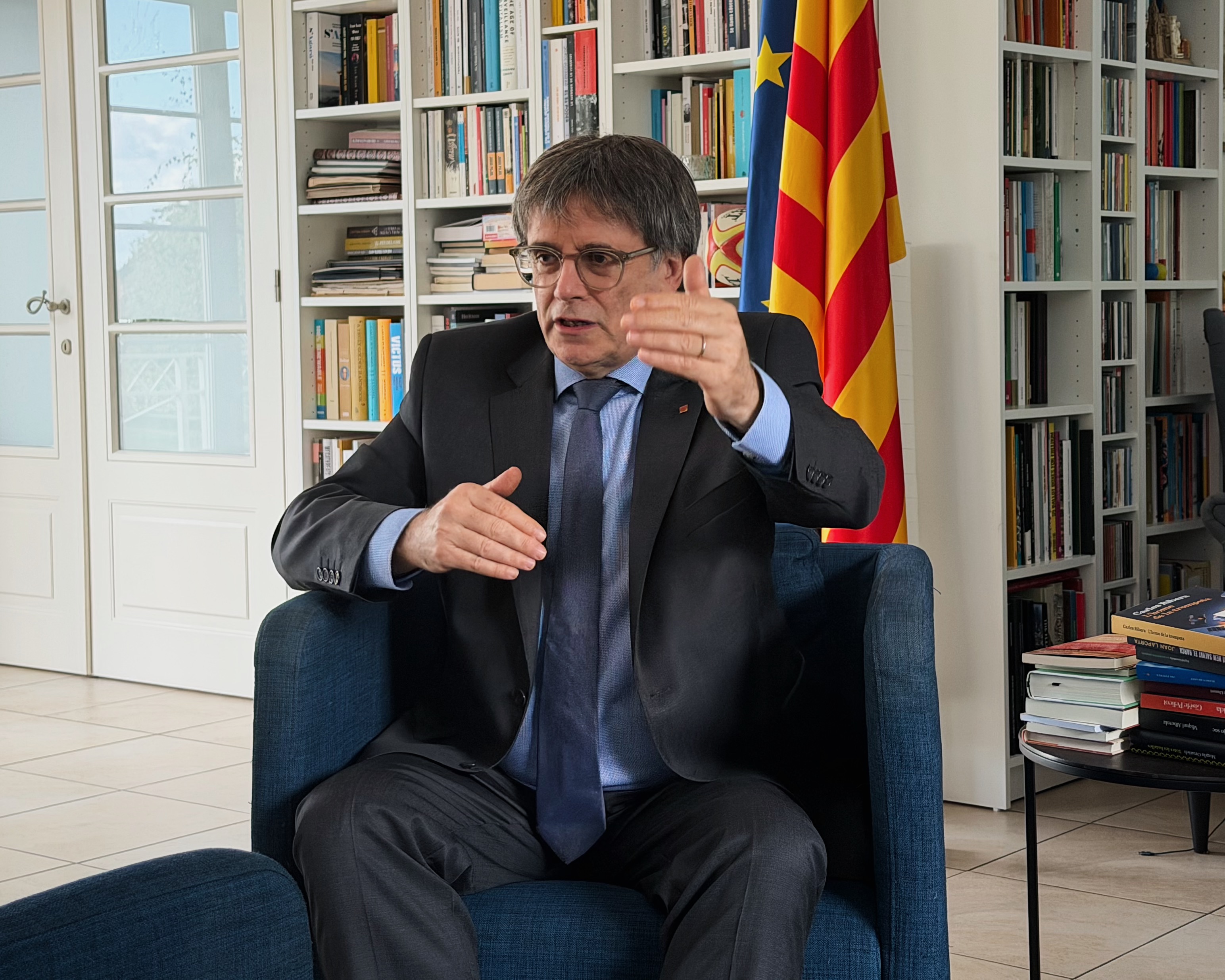
In an interview with The Sunday Times on September 20, the Junts leader said he had been prepared to spend the rest of his life in exile when he left for Waterloo and "still is," but that if he returns he wants to "touch, feel and smell the country again." He said he envisaged "two or three scenarios" for his return without elaborating.
The ruling will also likely restore Junqueras's eligibility to hold public office. The Esquerra Republicana (ERC) leader, who is currently barred from doing so until 2031, has said he wants to run again for president of Catalonia if the amnesty is applied to him.