EU top court backs Spain's amnesty law for Catalan independence push
CJEU says legislation does not affect EU's financial interests or counterterrorism efforts
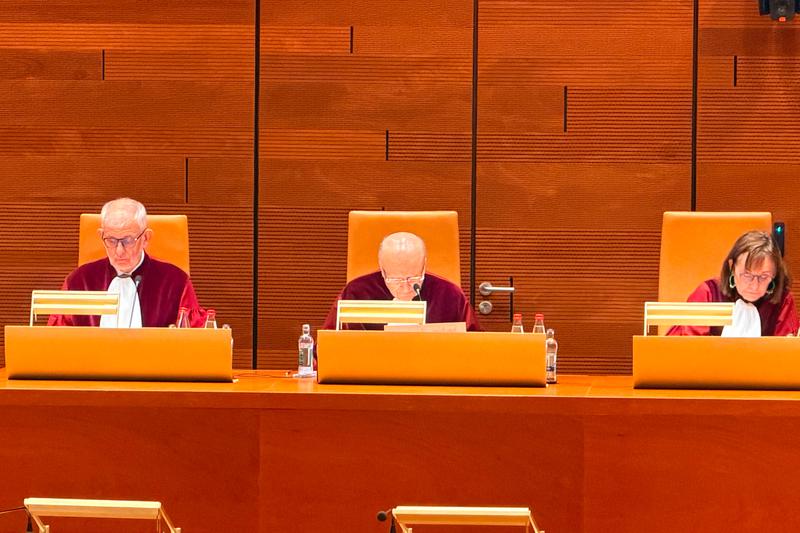

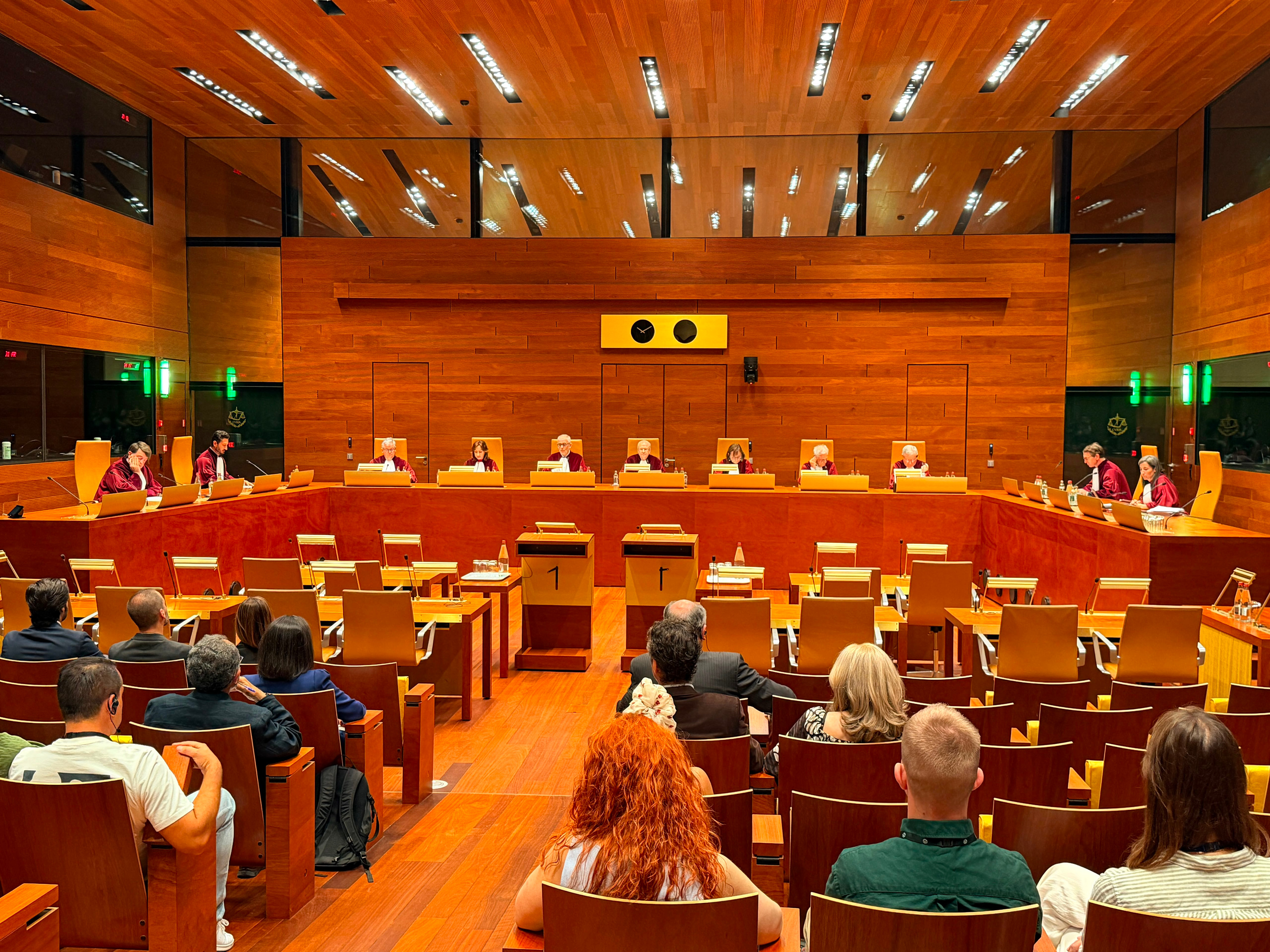
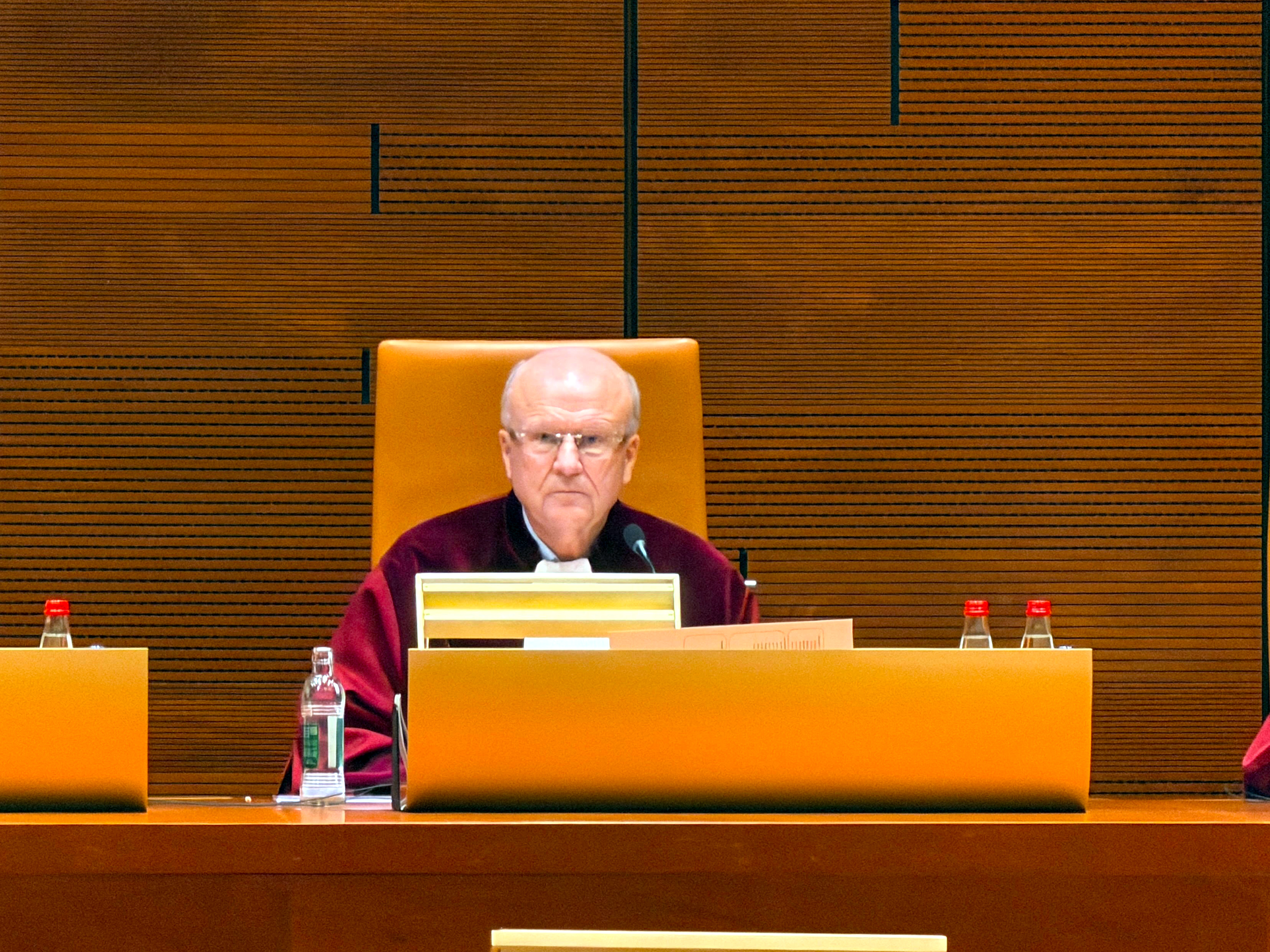
The Court of Justice of the European Union (CJEU) has ruled that Spain's amnesty law covering the Catalan independence push is not contrary to EU law.
In two judgments issued by the Grand Chamber on Thursday, EU judges ruled that the amnesty law does not affect the bloc's financial interests or counterterrorism efforts.
One of the rulings responded to preliminary questions referred by Spain's Court of Auditors in a case involving around 30 former Catalan government officials, including former presidents Artur Mas and Carles Puigdemont and former vice-president Oriol Junqueras, over foreign affairs spending and expenses linked to the 2017 independence referendum.
The other addressed questions referred by Spain's National Court regarding the so-called "Operation Judas" case involving a dozen members of the Committees for the Defence of the Republic (CDR).
"Reconciliation"
The CJEU said the amnesty law aims to "reduce institutional and political tensions and to facilitate a scenario for reconciliation," and found that EU law does not prevent member states from adopting such legislation.
The court said its review was limited to identifying whether the law created systemic problems capable of undermining the proper functioning of Spain's judicial system or affecting the effectiveness of EU rules. It concluded that it did not.
The only aspect of the law that the CJEU found problematic concerned a two-month deadline requiring Spanish courts to lift precautionary measures or extinguish liability, even when they had already asked the EU court for guidance and were still awaiting an answer.
The Grand Chamber said this deadline cannot prevent national courts from waiting for a CJEU ruling.
Ruling on foreign affairs spending and the 2017 referendum
In the case over foreign affairs spending and expenses linked to the 2017 independence referendum, the court ruled that the issue did not affect the EU's financial interests.
It said a possible impact on Spain's national budget or its contribution to the EU budget could not, by itself, be considered harm to the bloc's finances.
"In particular, an adverse effect on the financial interests of the Union cannot be established on the sole basis of the reduction in gross national income which could potentially be the result of the secession of part of a national territory," the court said.
Terrorism
Regarding the "Operation Judas" case involving CDR members, the CJEU said the amnesty does not undermine the effectiveness of EU counterterrorism rules.
It noted that EU law does not set specific limits on national amnesty mechanisms and said the Spanish law excludes acts involving intentional serious human rights violations.
"In line with its objective of reducing institutional and political tensions and facilitating a scenario for reconciliation, that law merely provides, a posteriori, for the absence of prosecution for certain offences committed in the sole specific context of the movement for Catalan independence, while excluding any amnesty for acts which intentionally caused serious breaches of human rights," the ruling stated.
Reactions
President Salvador Illa described the ruling as "very good news," saying "Europe says yes to the amnesty and Catalonia says yes to the future."
He called for the law to be applied "without subterfuge," arguing that "there is no obstacle" remaining.

Junts leader Carles Puigdemont called the ruling a "resounding victory" but warned that "the path of repression has not ended."
Junts MEP-elect Toni Comín said "it is time to return home" after the ruling, calling on the Supreme Court to apply the amnesty law "to everyone, immediately and without further delays."
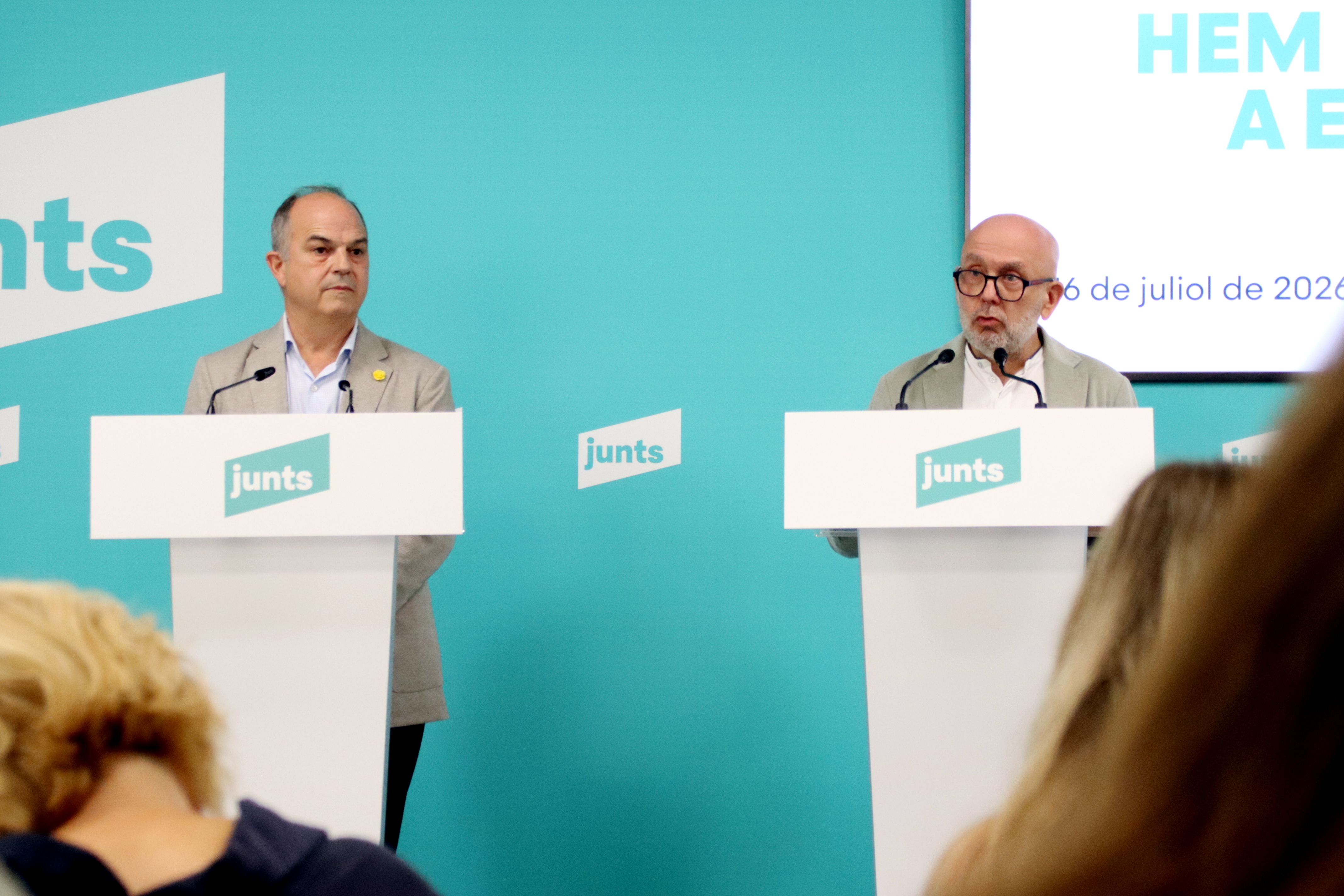
The pro-independence party's secretary general Jordi Turull said "Europe is telling the exiles that they should be at home."

ERC leader Oriol Junqueras called the decision a "political victory" and said there were "no excuses" for applying the amnesty, adding that it should allow Puigdemont and other exiled leaders to return.
He also said he hoped to be able to "take on any political responsibility in full freedom and with all his rights," leaving open the possibility of standing for election again "if it is what is best for the country and for ERC."
The Spanish government welcomed the ruling, with justice minister Félix Bolaños saying it confirmed that the amnesty law was "impeccable, constitutional and in accordance with EU law," and calling for its "full application."
The conservative People’s Party (PP) said it had "absolute respect" for the ruling but argued that it did not erase the "political responsibility" of the independence movement.
Spain's Constitutional Court said it would need time to study the judgment before ruling on pending appeals related to the amnesty, while the National Court said it would first need to examine the ruling before deciding on the "Operation Judas" case.
The Supreme Court judge handling Puigdemont’s case, Pablo Llarena, said he would not lift the arrest warrant against the former Catalan president, arguing that the CJEU ruling did not change the legal basis for the measure.
Puigdemont’s lawyer Gonzalo Boye said there was "no longer any legal debate" over the amnesty.