More than 2,000 Franco symbols remain on view in public space in Catalonia
Many elements removed in recent years, but controversial monuments still on display
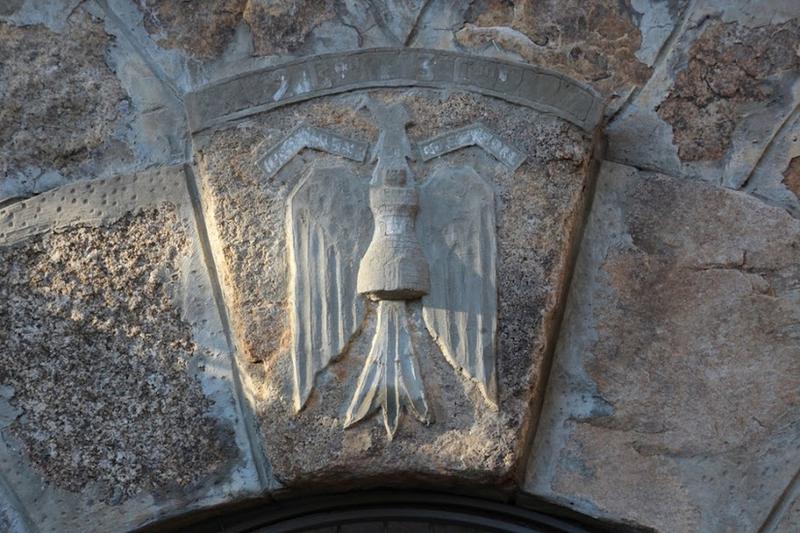

Symbols, signs, and monuments related to the fascist dictatorship are still present throughout Catalonia, decades after the death of Francisco Franco.
More than 2,000 elements are still visible on monuments, street signs, in cemeteries or as house plates, among others.
According to the latest data from the Democratic Memory Bank and the Barcelona city council, there are still around 2,069 Francoist symbols on display throughout the territory.
The two censuses record a total of 4,217 symbols, of which 2,148 are recorded as having been removed, while a quarter are maintained in the same way as in the Franco era. In total, 1,078 elements are still exhibited in the same state as they were during the dictatorship. The rest are either not recorded in detail, or have been modified, marked, or reinterpreted.
However, these data have not been updated since 2010 in the case of Barcelona, and 2019 for the rest of Catalonia, meaning it's likely that many of the symbols are no longer visible.
Parliamentary groups had been meeting in recent days to try to close an agreement on a new law on democratic memory, which would require Francoist symbols to be removed from public spaces and introduce fines for failing to do so.
Instead of finishing the deal, however, they have now decided to delay the agreement, saying that “some elements” of the bill still need to be closed, and talks will continue in parliament.
The draft law, which is largely the same text already debated in the previous legislature, sets a two‑year deadline to remove Francoist symbols and to withdraw official distinctions granted to people who supported the regime, and it introduces fines of between €200 and €150,000 for glorifying the dictatorship or damaging places of memory such as graves or signposted sites.
In around fifty cases, Francoist symbols are recorded as vandalized or destroyed. Many of the elements date from the 1950s, more than a third of the total.
Franco symbols
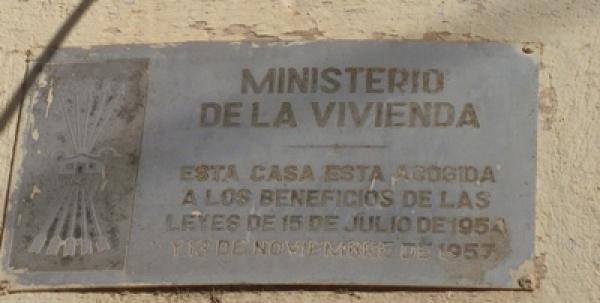
The vast majority of Francoist symbols that still remain in Catalonia are house plates, mostly displayed on the façades of buildings with the icon of the yoke and arrows. According to data from the two censuses, 78.2% of the symbols that have not been removed are house plates.
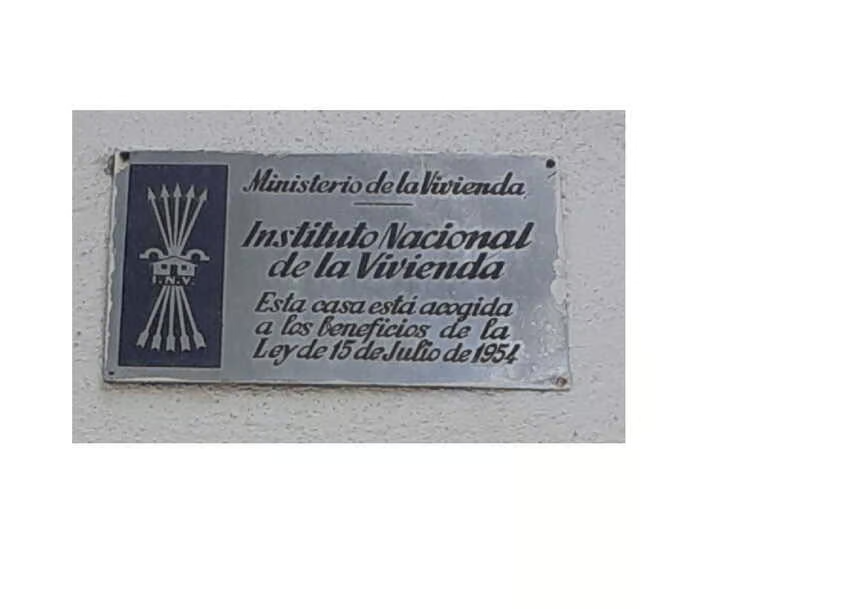
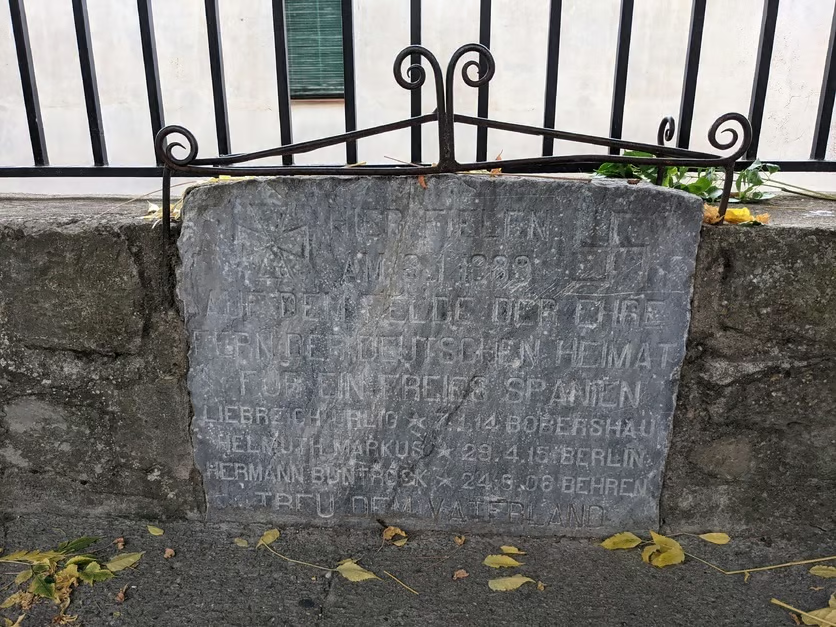
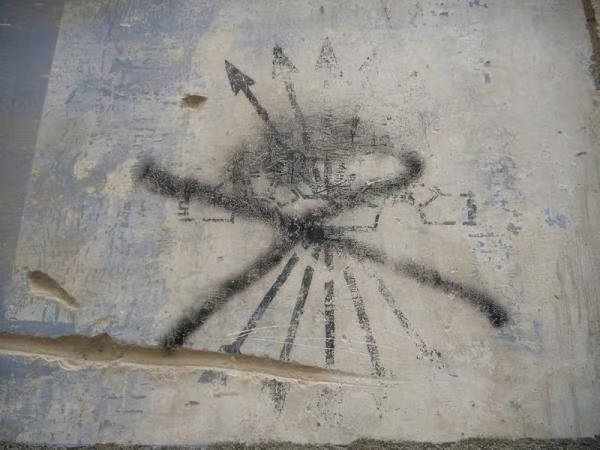
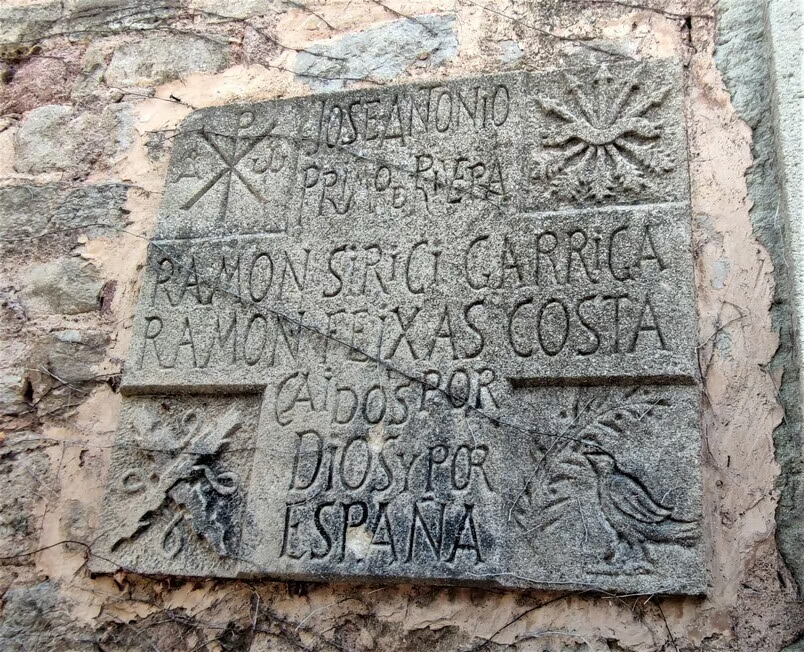
Among the symbols on display throughout the territory are reliefs, engravings, and inscriptions (131), monuments (71), crosses (46), street signs (45), tombs and tombstones (38), and graffiti or painted signs (18).
Of the monuments, the one in Tortosa, in southern Catalonia, stands out, erected in 1966 in the middle of the Ebre River to commemorate Franco’s victory in the Battle of the Ebro.
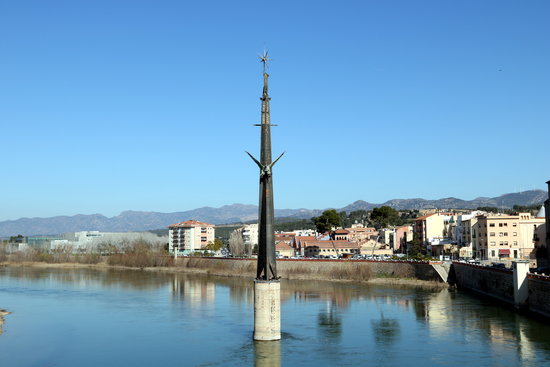
This 30‑metre tall monument, inaugurated by the dictator, has been the focus of several legal battles in recent years, including appeals filed by entities opposed to its removal and disputes over the tendering of the works. Currently, the appeal against the building permit for the removal of the monument remains open.
In the cemetery of Banyoles there is a monument with a cross that initially remembered the Francoist dead, which was later reinterpreted to remember the dead on both sides of the brutal civil war. There are also similar monuments in the cemeteries of Premià de Mar, Viladecans, Reus, Lleida, and Girona.
There are also monuments found on the roadsides, such as in Lliçà d'Amunt or Calldetenes, with stone structures commemorating those who died on Franco’s side during the Civil War.
Towns with most symbols
The municipalities with the most Franco symbols that have not been removed are Banyoles (194), Reus (189), Palamós (169), Barcelona (160), Sabadell (122), and Girona (118).
In the case of Banyoles, practically all of the symbols are house plates, with the exception of a dozen street signs and a monolith with a carved cross in the municipal cemetery.
As for the vestiges still present in Reus, the same pattern is repeated: almost all are house plates, except for five street signs and a stone monolith in the shape of an obelisk that originally bore Franco symbols, now removed.
A dozen or so monuments and monoliths have been removed in recent years. A 4‑metre tall stone structure with the Francoist coat of arms and the motto “Una, grande y libre” was demolished in Gandesa a decade ago.
A stone block of more than a metre was also removed from Les Franqueses del Vallès, as well as a monument in Vilassar de Dalt that preserved an iron cross.