Monkfish, red prawns and scampi: This Christmas' most expensive products
Fish sellers hope sales will pick up in the coming days after many consumers brought forward their purchases
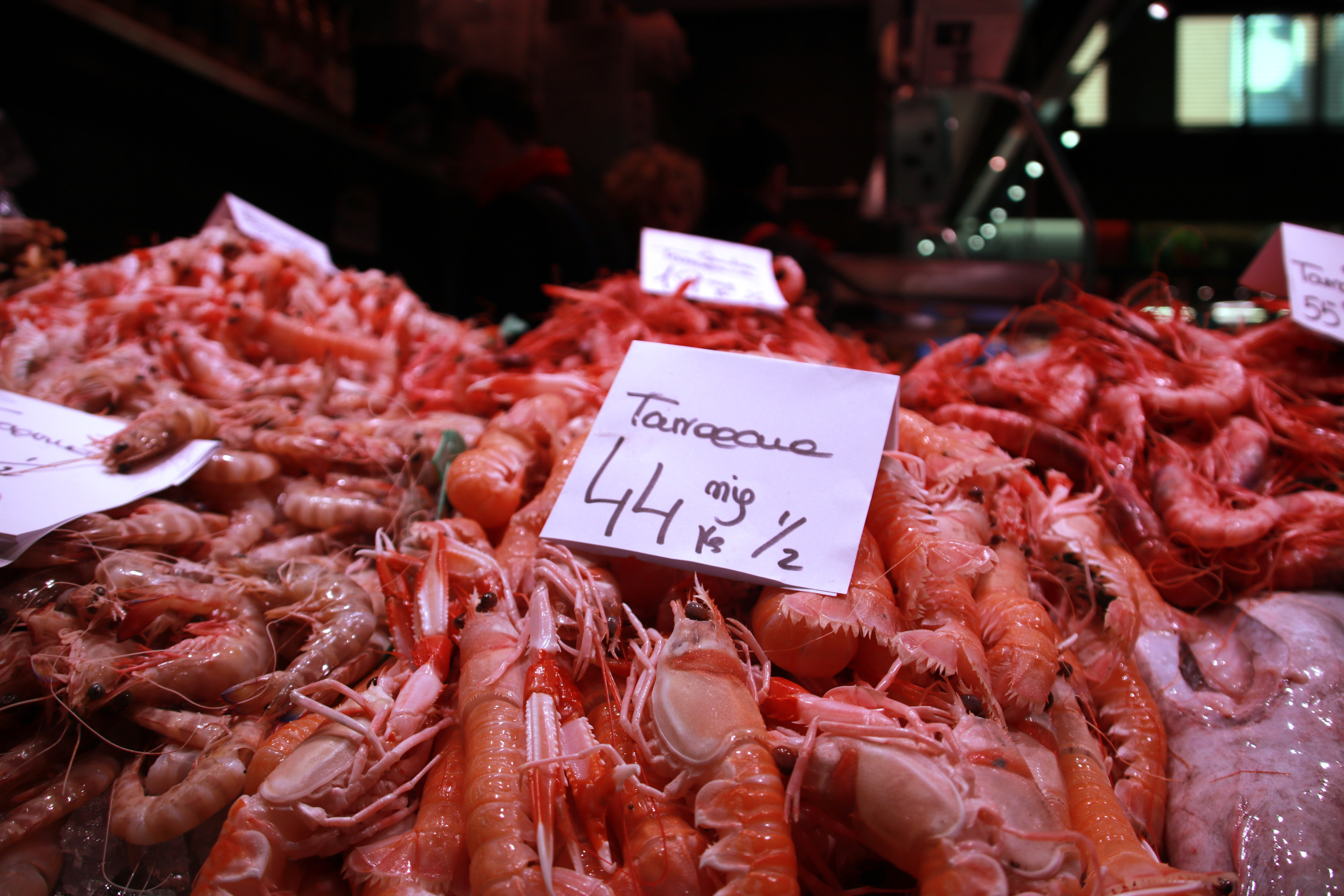

Two days before Christmas, markets across Catalonia are alive with shoppers making last-minute purchases for the holiday season.
This year, the most sought-after and expensive products in the markets are monkfish, red prawns, scampi, sea bass, and gilt-head bream.
Fish prices have risen globally by 6% this year, with prawns and scampi, the priciest items, averaging between €96 and €120 per kilo.
"As Christmas approaches, prawns and scampi are in high demand because people want them fresh the same day, not frozen, which drives up their price," explains Mònica, a fish seller at Tarragona Market.
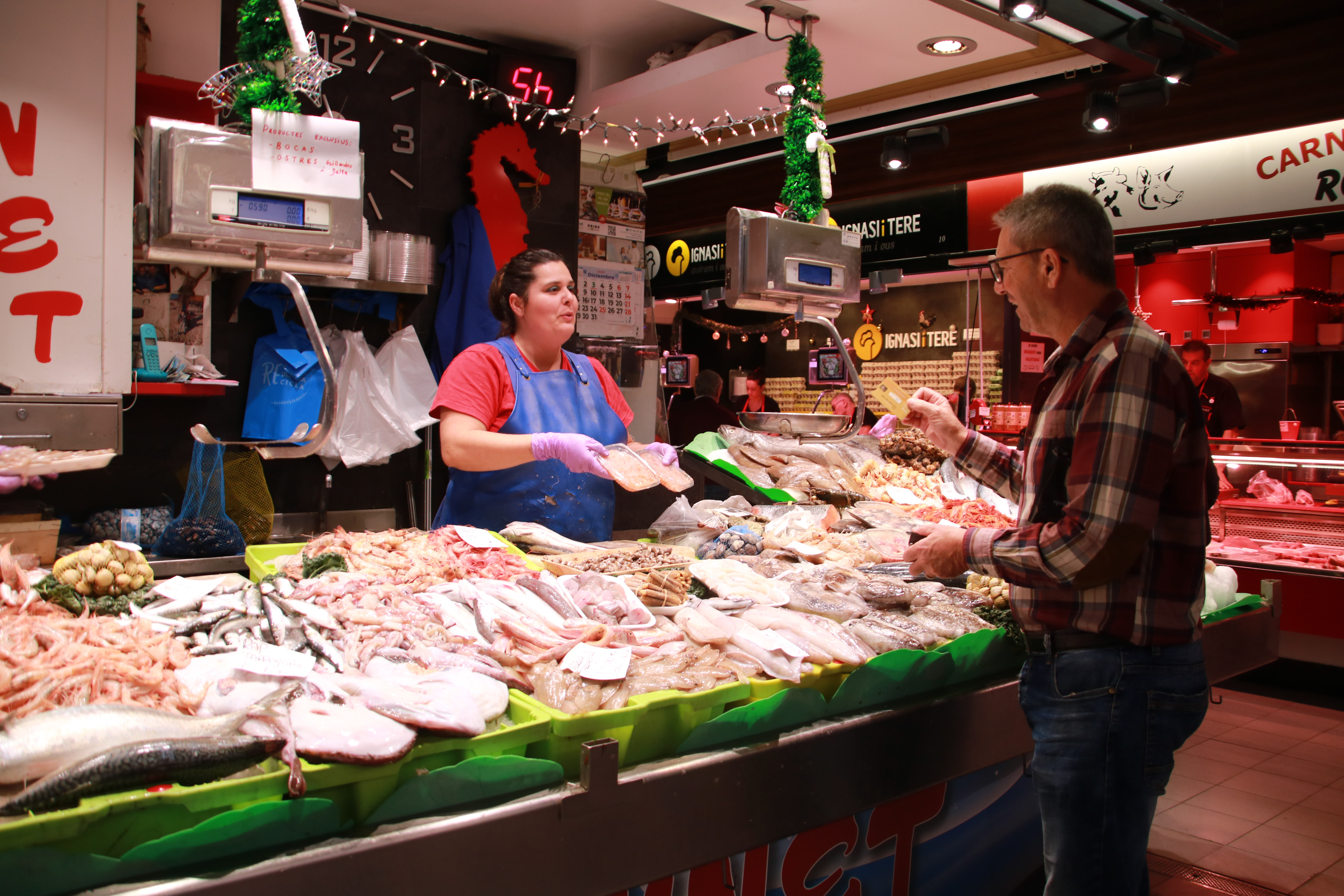
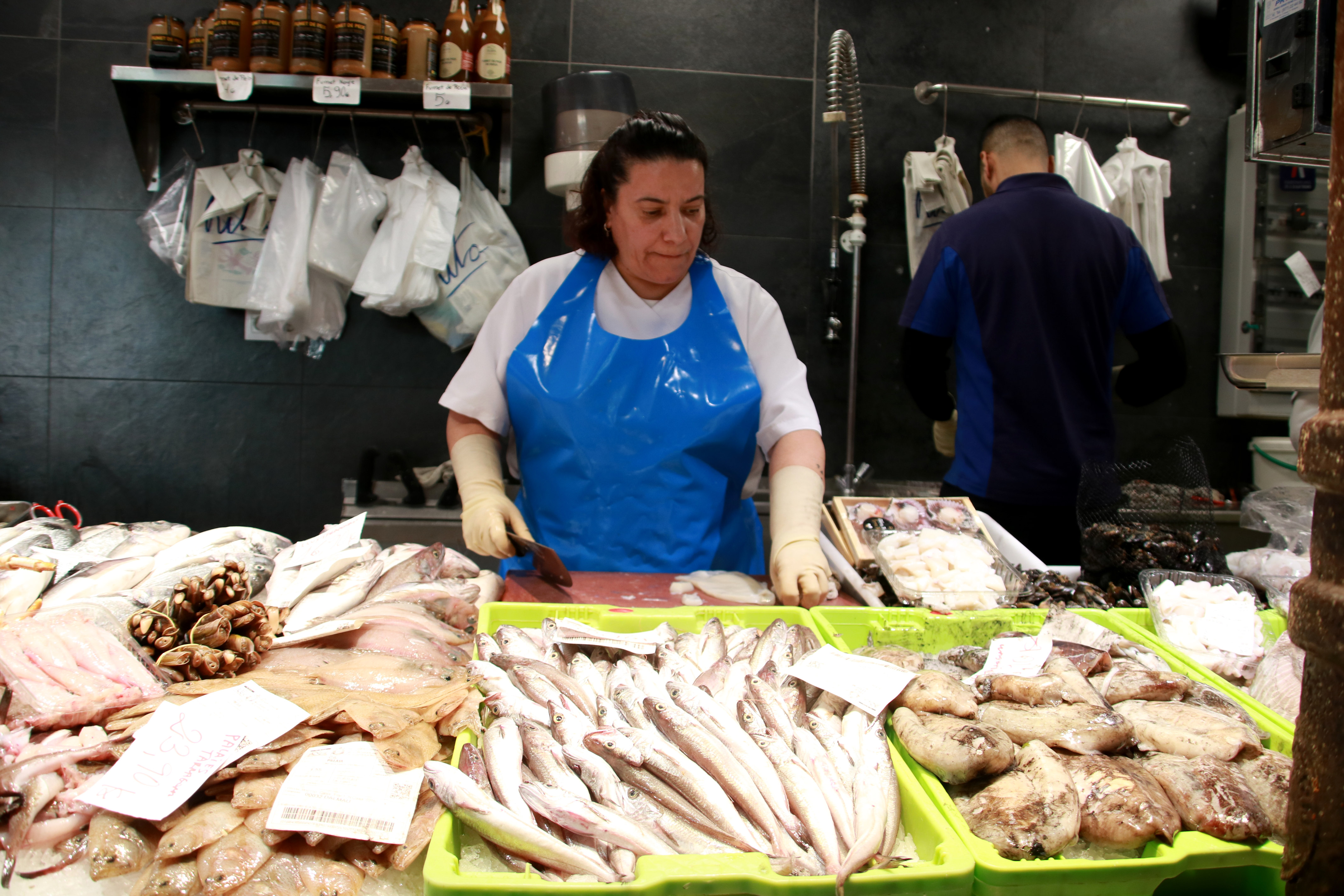
Sea bass and gilt-head bream have also increased in price this year, while clams and mussels have remained stable.
Despite the holiday rush, markets are not as crowded as in previous years, as many customers did their shopping well in advance, at the end of October or beginning of November, to avoid the usual price hikes closer to Christmas.
"People have bought everything in advance to freeze it and avoid last-minute shopping," Monica adds.
At Tarragona Market, fish sellers like Mònica hope sales will pick up in the two days before Christmas after a period of "slow" trading.
Meanwhile, Tarragona's trawl fishers went out to sea days before Christmas to catch all kinds of fish, with red prawns among the most sought-after.
"We are catching a lot of white prawns, which are usually found further south in warmer waters, but now we're finding them here due to climate change," explains Tarragona fisher Xavier.
These days, some of the most in-demand fish include crab and small mixed fish ('morralla' in Catalan), and varieties suited for broths or baking.
"Fish like hake, sardines, and anchovies, which are popular throughout the year, see a sharp drop in demand at this time because people are opting for higher-quality fish," he adds.
Part of this year’s price increase, Xavier explains, is due to the European Union limiting their fishing days to 143 instead of the 180 they had requested.