High-speed rail, Rodalies and airport expansion: What stage are Catalonia's major infrastructure projects at ahead of election?
Catalonia approaches election with infrastructure projects at various stages of development
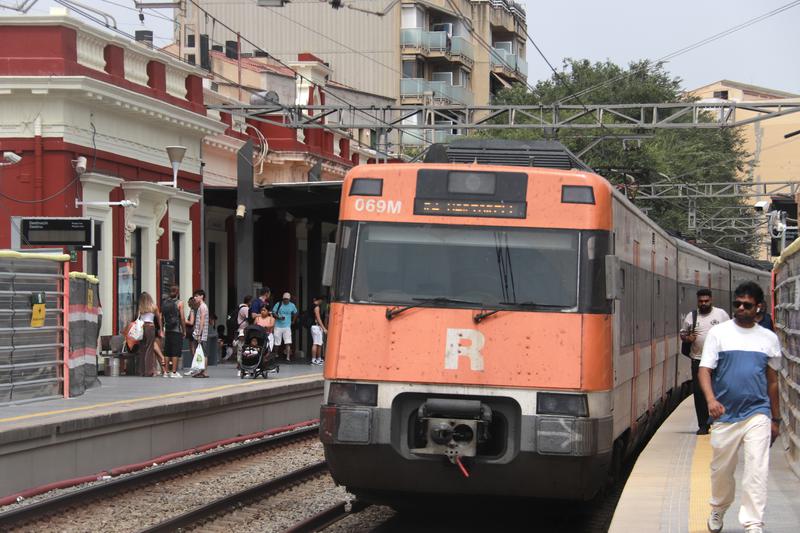

Catalonia is approaching the November 29 Spanish general election with major infrastructure projects at various stages of development.
La Sagrera station remains one of the major unfinished railway infrastructure projects, while the accidents in Adamuz and Urda have reignited the debate regarding high-speed rail maintenance and the potential comprehensive overhaul of the Barcelona–Madrid line.
The transfer of the Rodalies network, initiated during the latest mandate of Spanish PM Pedro Sánchez, has yet to be fully realized.
Meanwhile, the expansion of Barcelona Airport, agreed upon in 2025, has a target completion date of 2036, yet it remains contingent upon environmental permits and major investment.
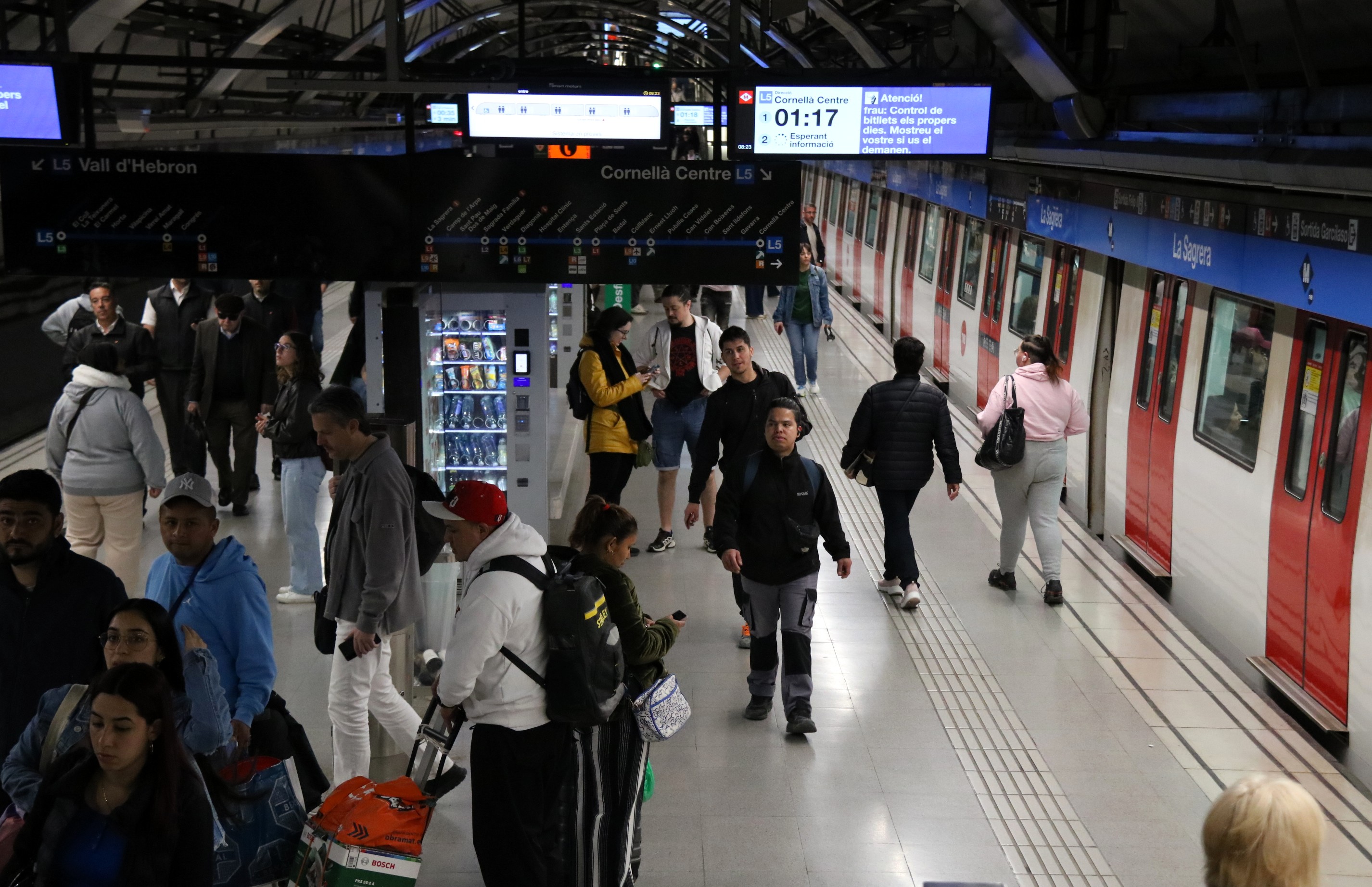
La Sagrera: a decades-long project still unfinished
The future Sagrera station stands as one of Barcelona’s major pending infrastructure projects and serves as a prime example of the prolonged timelines often associated with large-scale public works.
Conceived as a major transport hub and a cornerstone of the urban transformation in the city's northern sector, this infrastructure project has spanned more than two decades of planning, inter-administrative agreements and construction.
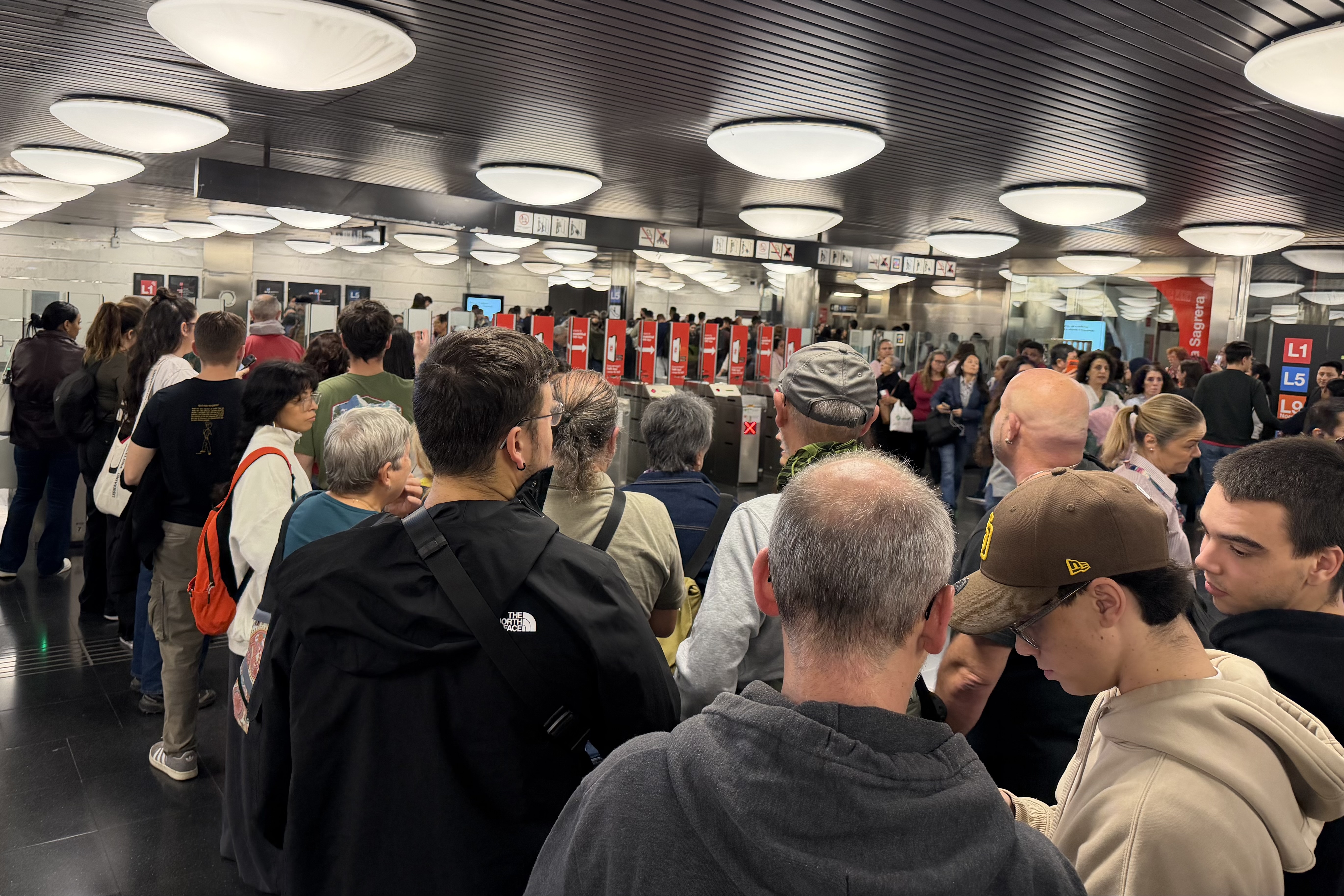
In recent years, significant milestones have been reached. Most notably, the installation of eight high-speed tracks has been completed, allowing the project to move toward the testing phase for signaling systems.
Nevertheless, this progress does not mean the station is finished, nor does it mean it is ready to enter service. The facilities, the passenger terminal and the access points still need to be completed, while coordination between the rest of the railway network hasn't begun.
The completion of La Sagrera is intended to facilitate the reorganization of railway services in Barcelona and enable a large-scale urban transformation.
High-speed rail: the renovation of the Madrid–Barcelona line enters the agenda
The railway accidents in Adamuz and Urda have placed the maintenance of the rail network at the center of political debate, sparking a new discussion regarding the state of high-speed rail infrastructure.
The controversy has centered, in particular, on the line connecting Barcelona and Madrid, following remarks by the then-Minister of Transport, Óscar Puente, who suggested halting service in order to "completely renovate" the line.
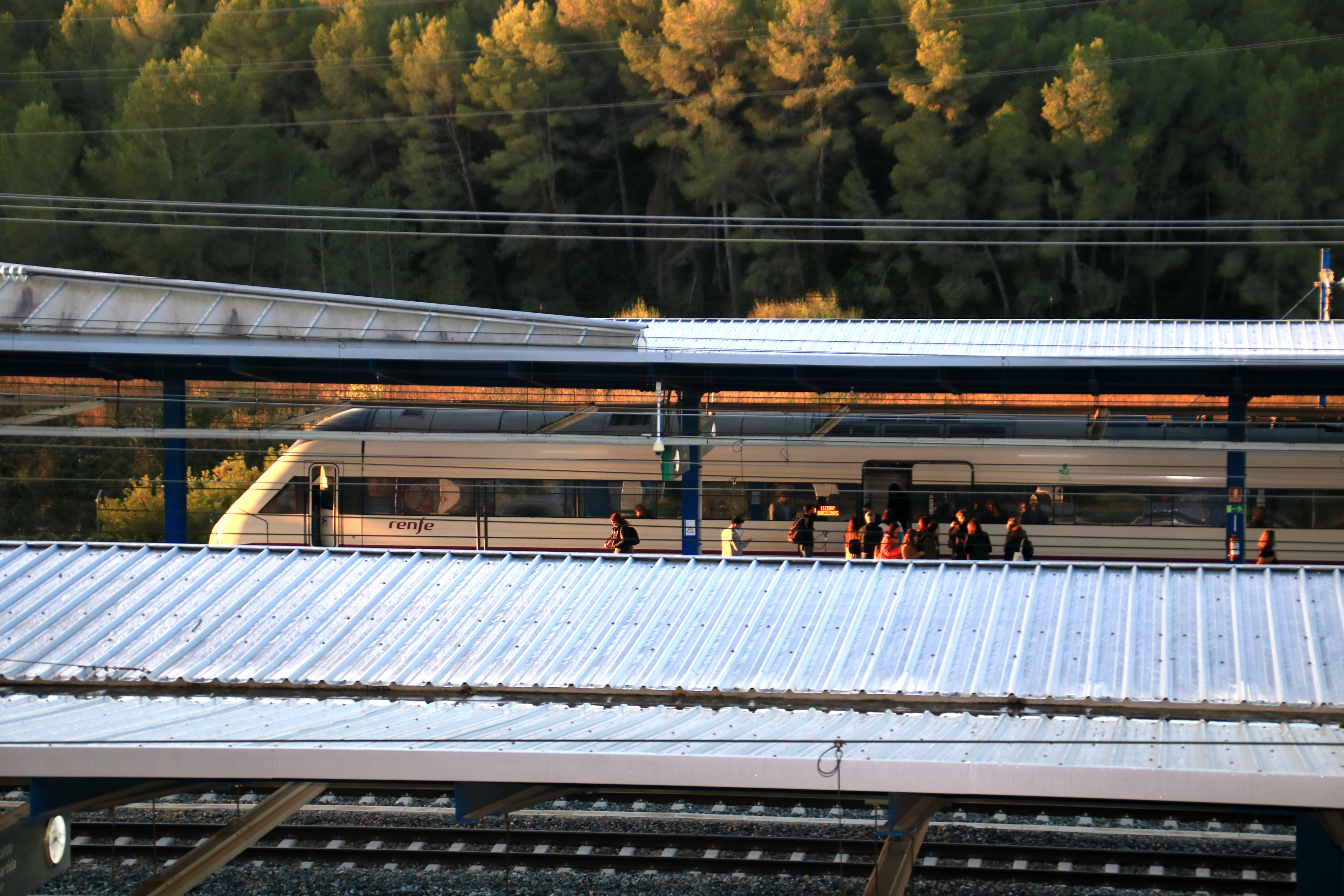
Subsequently, the Spanish government clarified that no decision had yet been made regarding a potential suspension of rail traffic. Catalan President, Salvador Illa, expressed his support for maintaining service while the necessary work is carried out.
The debate leaves several significant questions open for Catalonia: the scope of the renovation, the level of investment required, the established timeline and the extent to which the construction work will impact one of the country's most heavily used rail connections.
For now, these political statements have yet to materialize into a concrete execution plan with a defined budget and specific deadlines. The renovation of the line, therefore, has emerged as another major railway challenge that the next Spanish government will have to face.
Rodalies: a gradual transfer involving continued cooperation with Renfe until 2028
The transfer of the Rodalies service is one of the most significant political commitments that Pedro Sánchez's government initiated in Catalonia during its term.
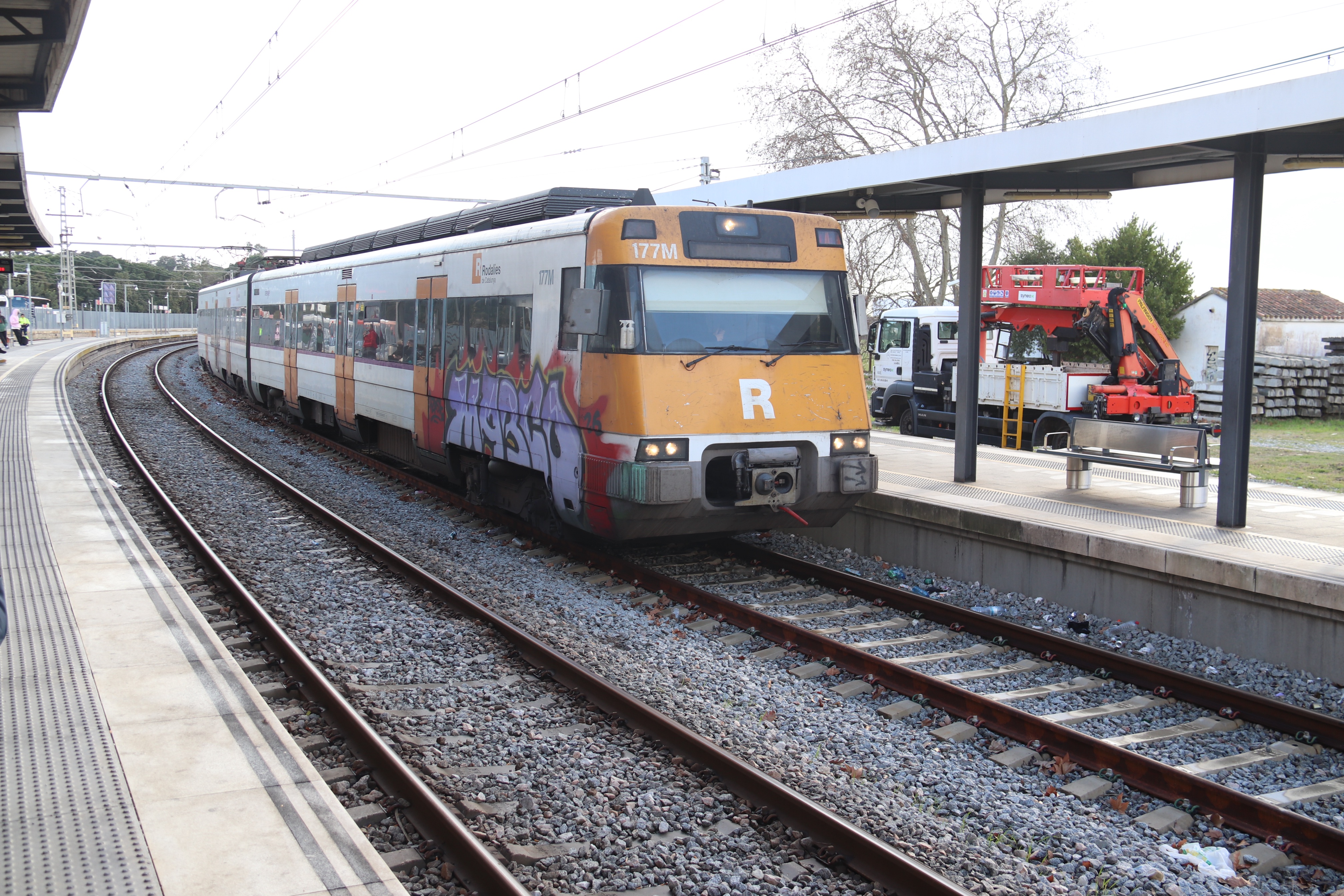
The process began with an agreement to create a joint venture between rail operator Renfe and the Catalan government, aimed at giving the Catalan administration a greater role in managing the service.
A recent step in this process was the new "program contract" between the Catalan government and Renfe, which allocates €1.4 billion through 2028 and sets out the terms of service while the transition toward the new operator is prepared.
However, the transfer of the R1 line's infrastructure, which was expected to be resolved during this Thursday’s bilateral commission meeting, was ultimately not finalized.
Consequently, as the current legislative term draws to a close, a significant portion of the transfer process remains incomplete.
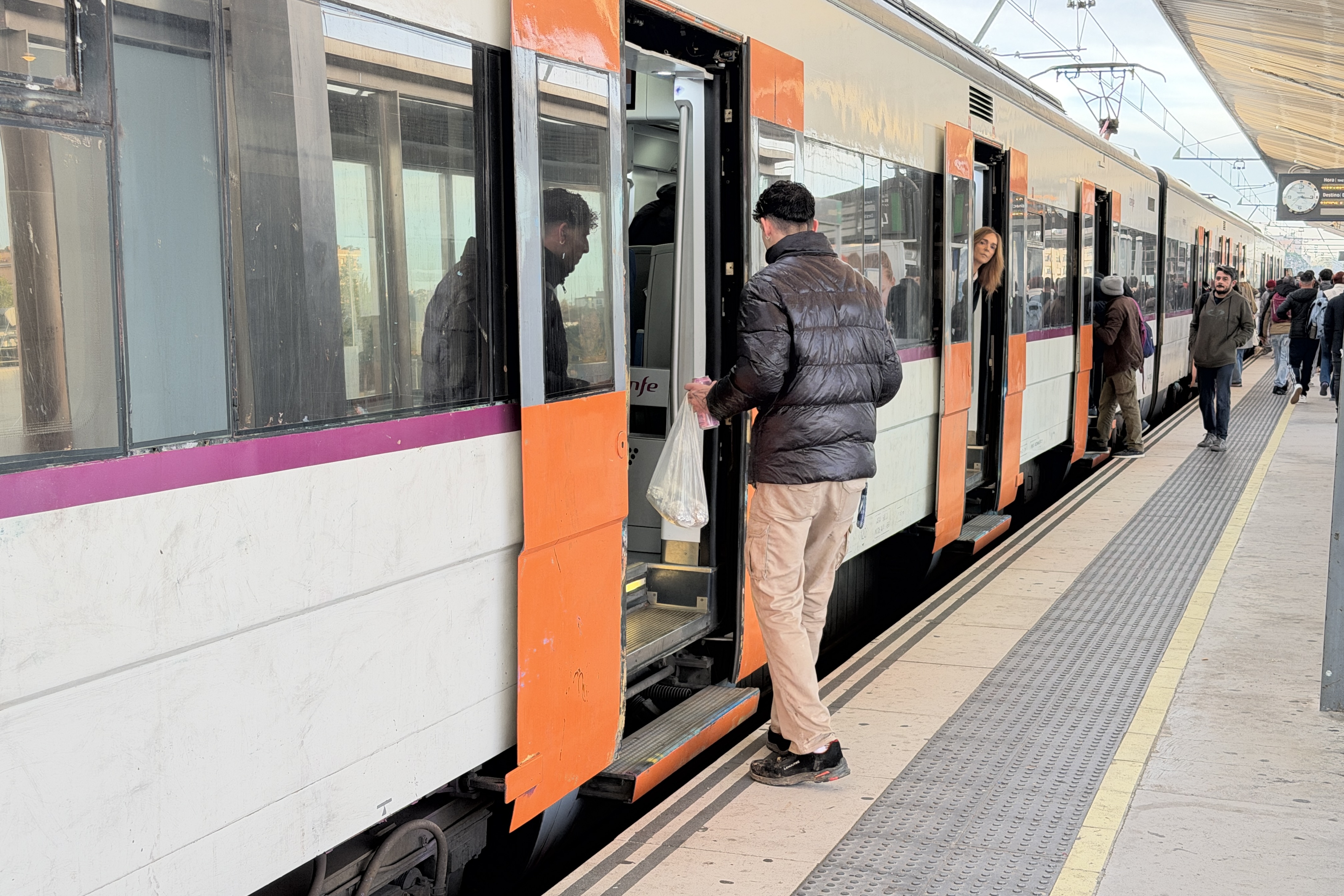
While the Catalan government and the Spanish government have agreed to continue working toward the transfer of the R1 line, it will fall to the next administration to finalize the details.
Also pending is the launch of the new joint venture, the future of which could be affected by a potential change in the political makeup of the Spanish government.
Airport: A political agreement with a 2036 target date
The expansion of Barcelona Airport is another major commitment reached during Pedro Sánchez's latest term in office, in this instance, involving the Catalan government under Salvador Illa and Aena.

The project entails extending the third runway and constructing a satellite terminal to increase the infrastructure's capacity and strengthen its intercontinental connections.
Aena's investment plan for the 2027–2031 period (DORA III) allocates €1.76 billion to Barcelona-El Prat, of which €191 million will be earmarked for preparatory work for the expansion. It does not include the main construction phase.
Puente placed the main investment within a future DORA IV framework, starting from 2032, contingent upon environmental approval from the European Union. AENA president Maurici Lucena said that the expansion will be completed and operational before 2036.
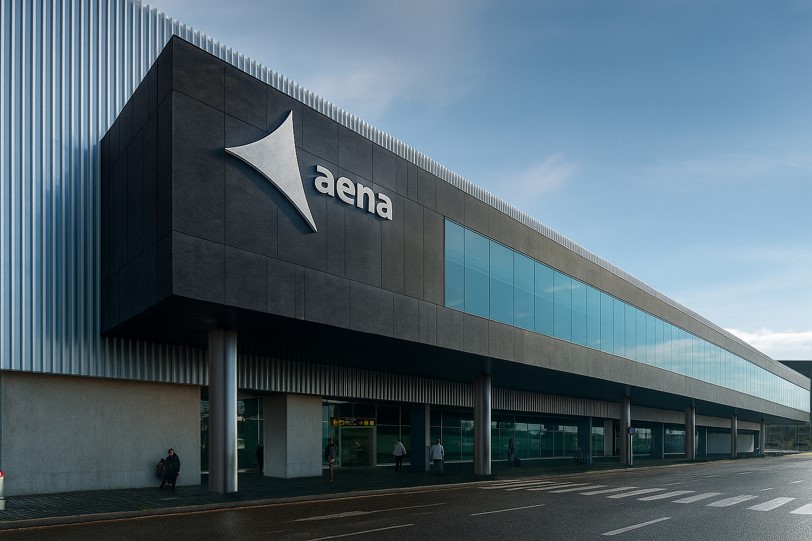
Therefore, although an agreement is in place, the main construction works remain subject to environmental procedures and will extend beyond the next legislative term.
The project, which faces opposition from environmental and neighborhood groups due to its potential impact on the Llobregat Delta, appears to be on a firm path, with its continuation seemingly secure regardless of any potential shift in the electoral cycle.
Nevertheless, the Spanish and Catalan governments did agree on Thursday to establish a joint body, with equal representation from both governments, to strengthen Catalan participation in the strategic planning for Barcelona, Girona, Reus, and Sabadell airports.
This new forum will allow the Catalan government to submit proposals before master plans are drafted and to take part in the preparation of the DORA (Document for Airport Regulation and Planning).
Motorways: The return of tolls back on the agenda
This year, tolls have emerged as a surprise topic. The debate over their reinstatement has returned to the agenda, driven by heavy traffic on the AP-7 motorway and the maintenance requirements of the road network.
In July, the Minister for Territory, Sílvia Paneque, explained that the Catalan government was studying a payment system linked to usage, tonnage, and emissions, a measure that would require an agreement with the Spanish Ministry and approval by Congress.
In September, the Spanish Secretary of State for Transport, José Antonio Santano, described this line of thinking as "very appropriate" and advocated for a uniform model across the entire country, with regional adaptations.
Meanwhile, on Thursday, the bilateral commission agreed on an allocation of €75 million to improve safety on the AP-7 and AP-2 motorways, with interventions scheduled for 2027.
Nevertheless, there is currently no finalized national proposal, nor is there a timeline for the reinstatement of tolls.