Heatwaves and homelessness: 'Many die from the heat'
"Not everyone has a house to cool down in," says Dani, who spent 8 years sleeping rough in Barcelona

Temperatures have not dropped below 24°C for a month in the centre of Barcelona, where nearly 2,000 people sleep rough on the streets.
While extreme heat affects everyone, the impact is further pronounced for those who do not have a roof to shelter under.
According to the Arrels foundation, which works with homeless people in Barcelona, 58% of people living on the streets cannot rest at night.
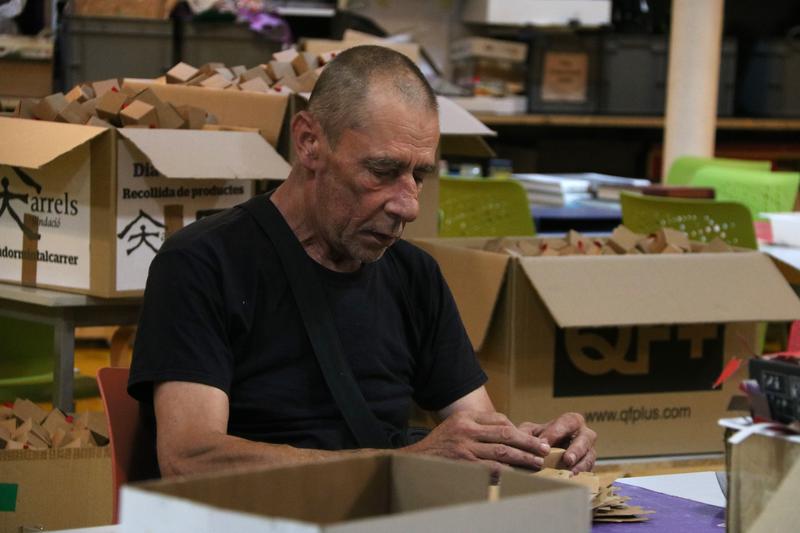
Dani is one such example, who spent more than 8 years sleeping rough in Barcelona. He explains to the Catalan News Agency (ACN) that "many people living on the streets die from the heat."
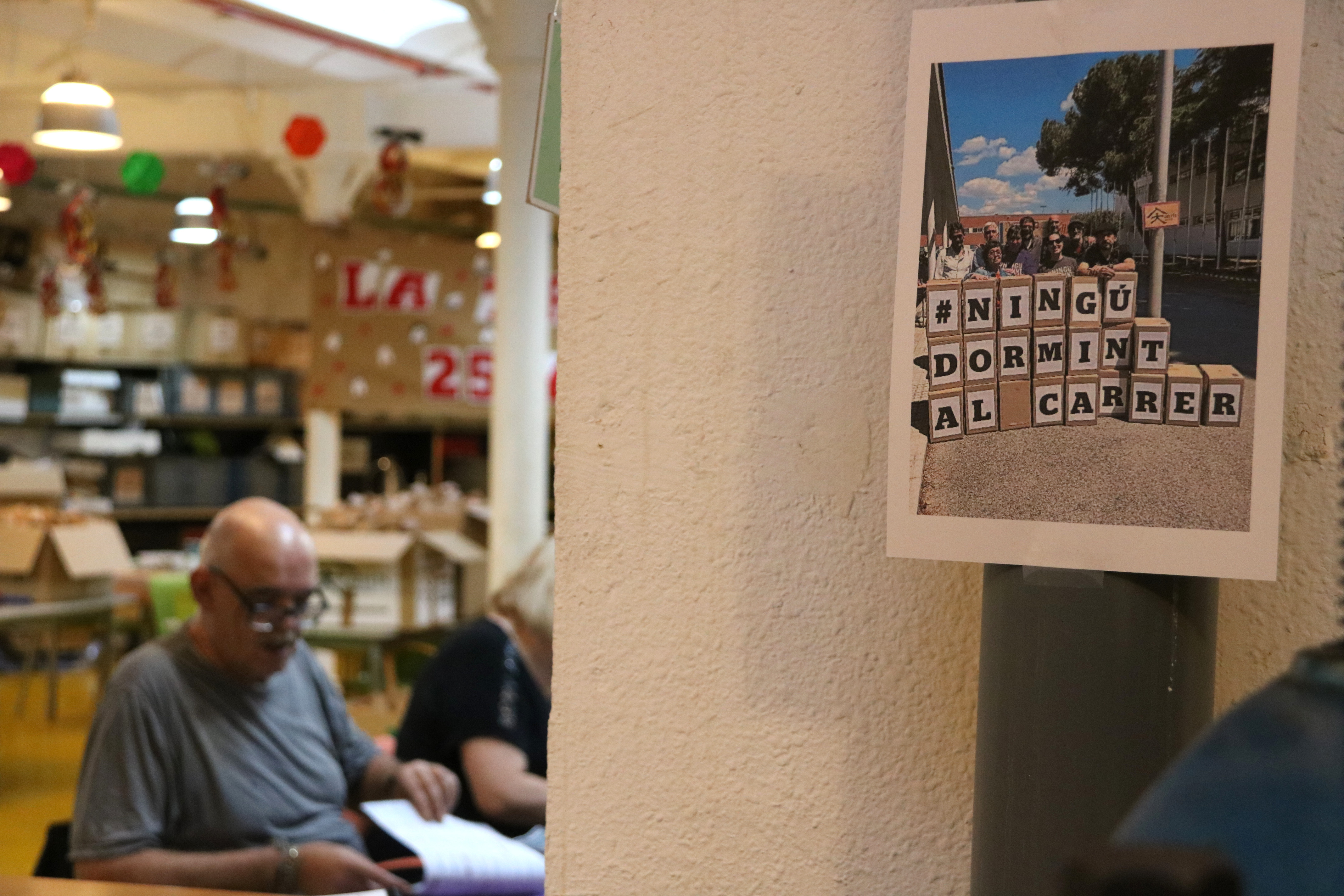
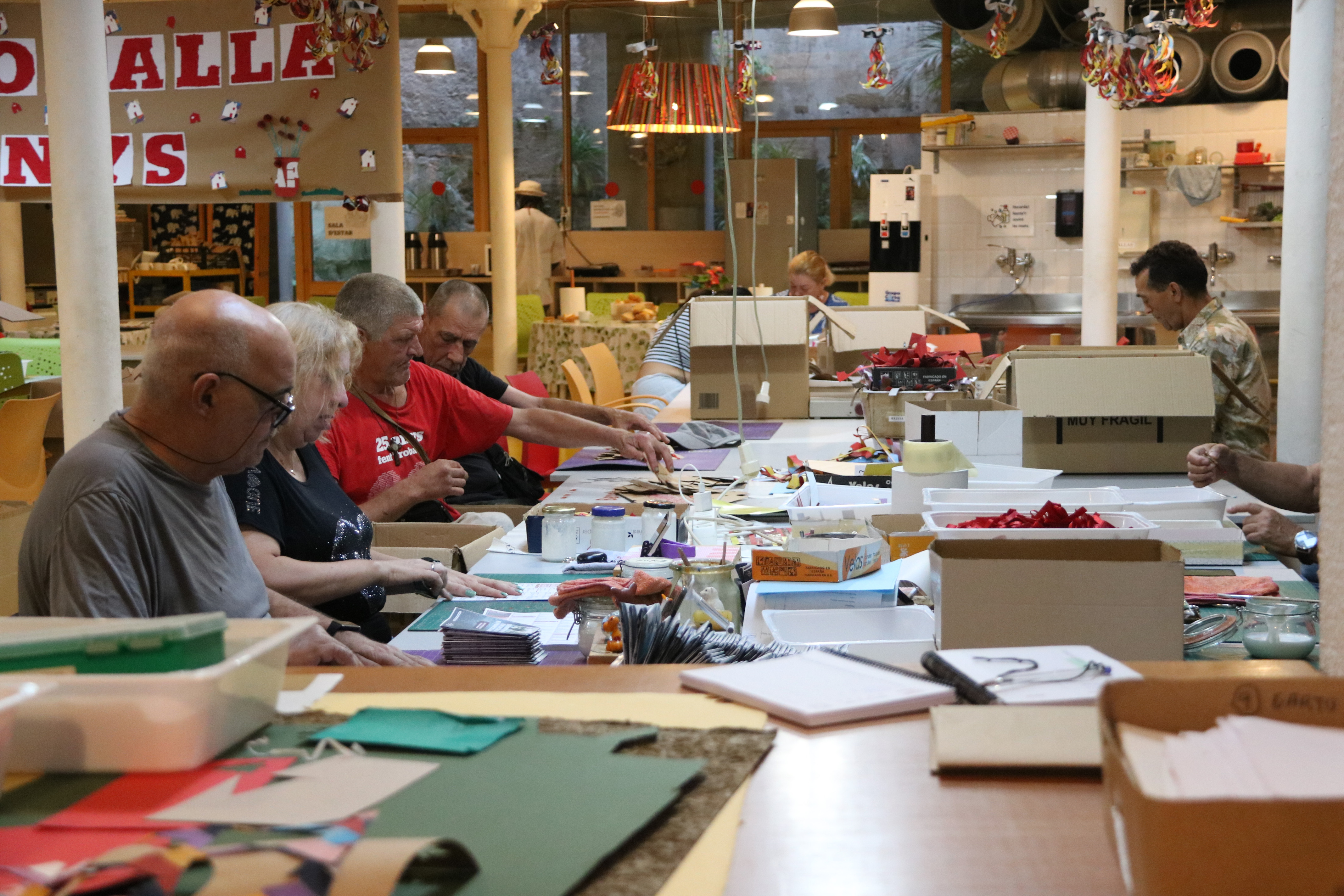
From the Arrels workshop, Dani points out that "not everyone is lucky" to have "a house where they can shower."
Dani is 63 years old and was born in the mountains of Poland. He arrived in Catalonia 10 years ago, and for the first 8 and a half years he lived on the streets. He is now sharing a flat with another person who had also been homeless for 18 months.
He is aware, however, that this is not the reality of the vast majority of people who sleep on the streets.
72% of people experiencing homelessness have "no expectation" of living in a home, according to a survey by Arrels conducted in June.
Summers "more and more difficult"
Sleeping on the street during the summer is "very difficult" Dani assures, who reiterates that it is increasingly difficult to "survive" extreme temperatures. "This year it is very hot, and without running water it is difficult for everyone."
He stressed that "it was better before", because the high temperatures "weren't so intense." "Now people who live on the streets are very hot, and many people die from the heat. It is difficult to find shade."
He also regretted that before they could use the showers on the beaches at night, but now they no longer can, according to municipal ordinances.
In addition, many homeless people are woken up by police or street cleaners. "Before, the officers never bothered you when you were sleeping. Now there is more surveillance, this year it is worse."
Space to rest
The director of Arrels, Beatriz Fernández, has urged the City Council to offer more accommodation for homeless people, and for the police to not fine people for washing themselves at fountains and public taps.
Fernández added that the heat affects physical health, especially those with chronic and cardiovascular problems.
High temperatures also cause many problems when it comes to resting. During the summer, people are outdoors more and public spaces are more occupied. This causes homeless people to have more problems resting, as they find their regular spaces occupied and cannot take shelter in the places they usually go.
The fact that people are more active on the streets at night also means that more maintenance is needed, and cleaning brigades act more often and earlier.
Climate shelters
Fernández also commented that not all climate shelters in Barcelona are available to people living on the streets during the summer. For example, some municipal libraries close, or they cannot be accessed with these people's belongings.
Other spaces also close their shutters because professionals or volunteers are on vacation. As a result, homeless people have fewer options for washing and refreshing themselves, and are forced to use public fountains. However, Barcelona bylaws prohibit people washing themselves in these public fountains.
That is why Arrels has called for the police to "not sanction" those who use them for this.
"Homelessness is a chronic problem," summarized Fernández, who insisted on a "broad" approach with policies that address health, housing, and also the protection of homeless people.