Work starts to investigate possible Franco era concentration camp site in Reus
Judiciary could allow archaeological excavation to verify human remains
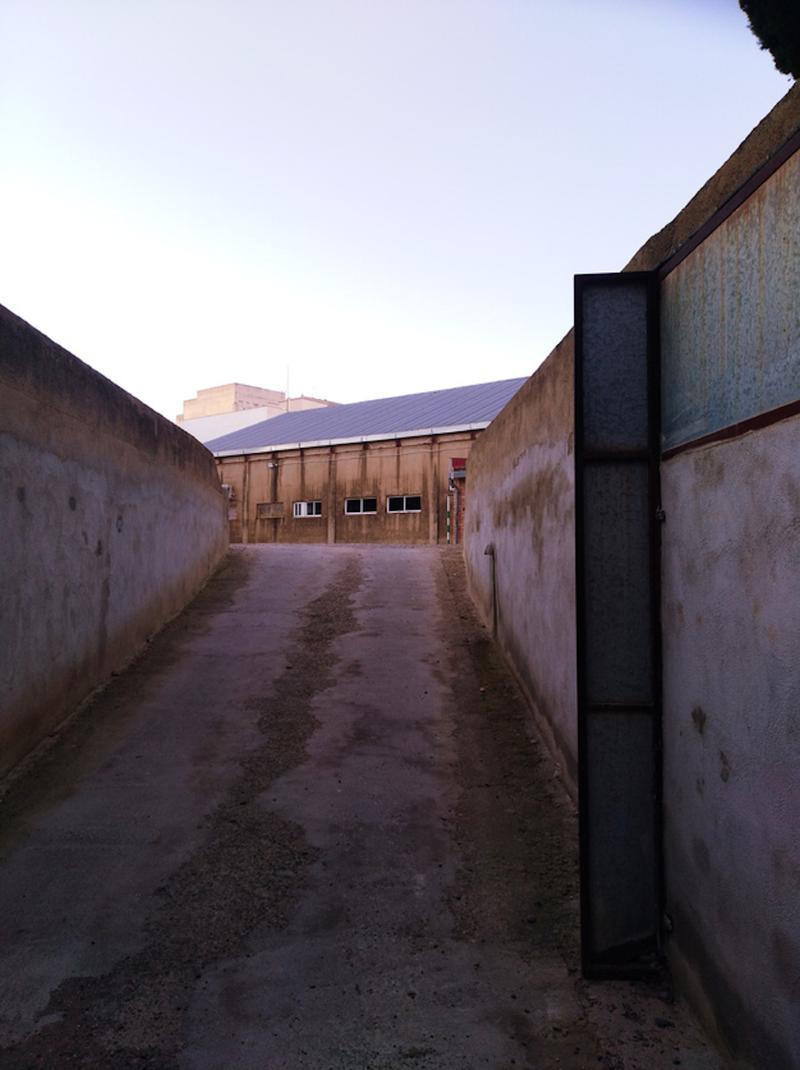

A site investigation aimed at locating a possible mass grave from a Francoist concentration camp in Reus, located in southern Catalonia, will begin on March 31 and continue until April 2.
Dozens of victims of Franco-era repression are thought to be buried at this site. The investigation will use ground-penetrating radar, designed not to disturb any potential remains that may lie underground in the area.
If the location of the well is confirmed, the Catalan Justice Department will consider carrying out an archaeological intervention to determine whether human remains are present.
Last December, the city council presented the results of a documentary search confirming the existence of a well in the area and identifying two possible locations. The investigation will focus specifically on these points.
Possible Francoist mass grave
In 2001, Antoni Batlle i Mas, a resident of Reus, reported the existence of a possible mass grave in a well.
According to his testimony, in 1951, during the Franco Dictatorship, a relative of his went down into the well to check the water table and discovered numerous bodies. Authorities allegedly ordered the well to be sealed after this discovery.
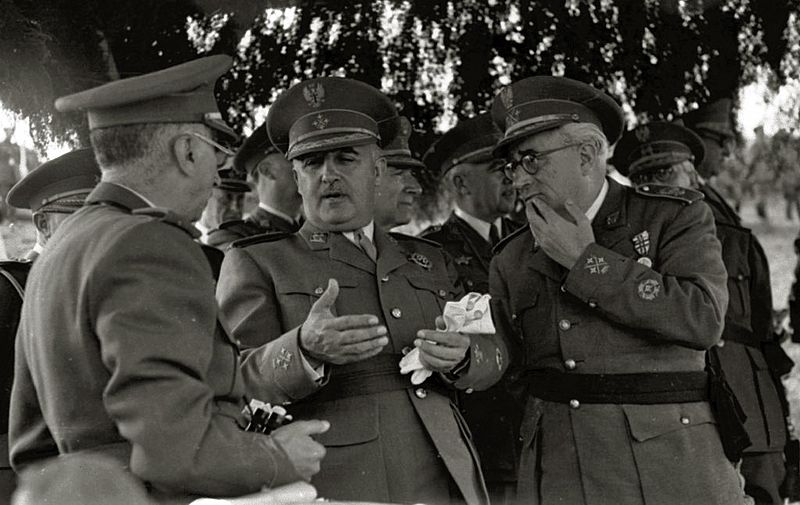
The most plausible hypothesis is that the bodies in the well are victims of Francoist repression in Reus during the early months of the postwar period.
Francoist troops entered the city on January 15, 1939, at the end of the Spanish Civil War, as part of the final offensive on Catalonia. Soon after, they set up a concentration camp as part of the repression in the area.
Some prisoners are believed to have died from mistreatment and harsh detention conditions, and were reportedly thrown into the well.
The possible mass grave is documented in the 'Map of Mass Graves' from the Civil War and the Franco Dictatorship, which is published online in the Democratic Memory Archives.