Energy communities gain ground in Catalonia to strengthen a more resilient power system
Citizen-led renewable projects are reshaping how electricity is produced, shared, and managed
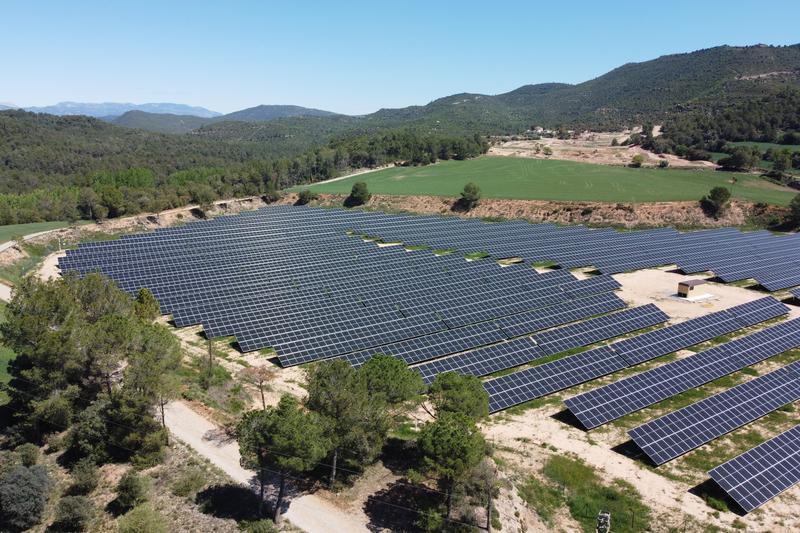

Energy communities and cooperative models are expanding across Catalonia as municipalities, citizen groups, and energy providers look for ways to build a more resilient electricity system in the face of global uncertainty and the ongoing energy transition.
Initiatives in Osona and Lluçanès counties, municipal projects like Caldes de Montbui and large-scale cooperatives such as Som Energia, are part of a broader shift toward locally generated and shared renewable energy.
Today, more than one hundred energy communities are registered on the Catalan government's participation platform, reflecting growing interest in collective self-consumption and shared production models.
Osona and Lluçanès: a replicable cooperative model
Osona and Lluçanès, two rural counties in central Catalonia, have become reference areas for energy communities, with around thirty projects developed since 2021. The first initiatives appeared in Hostalets de Balenyà and Sant Pere de Torelló, but growth accelerated during the energy crisis linked to the war in Ukraine.
A key step was the creation of Osona Energia, a second-tier cooperative providing technical and organizational support to local energy communities. The model, developed in coordination with the Osona Local Energy Agency, was designed to be standardized and replicable.
Its approach is simple: local residents create non-profit energy communities, while Osona Energia provides professional services, from planning to management. The model has since expanded beyond the region, supporting around fifty communities across Catalonia.
"We set out to create a single model that could be replicated," said Gil Salvans, technical lead at the agency, noting that the system has now spread across the territory and beyond.
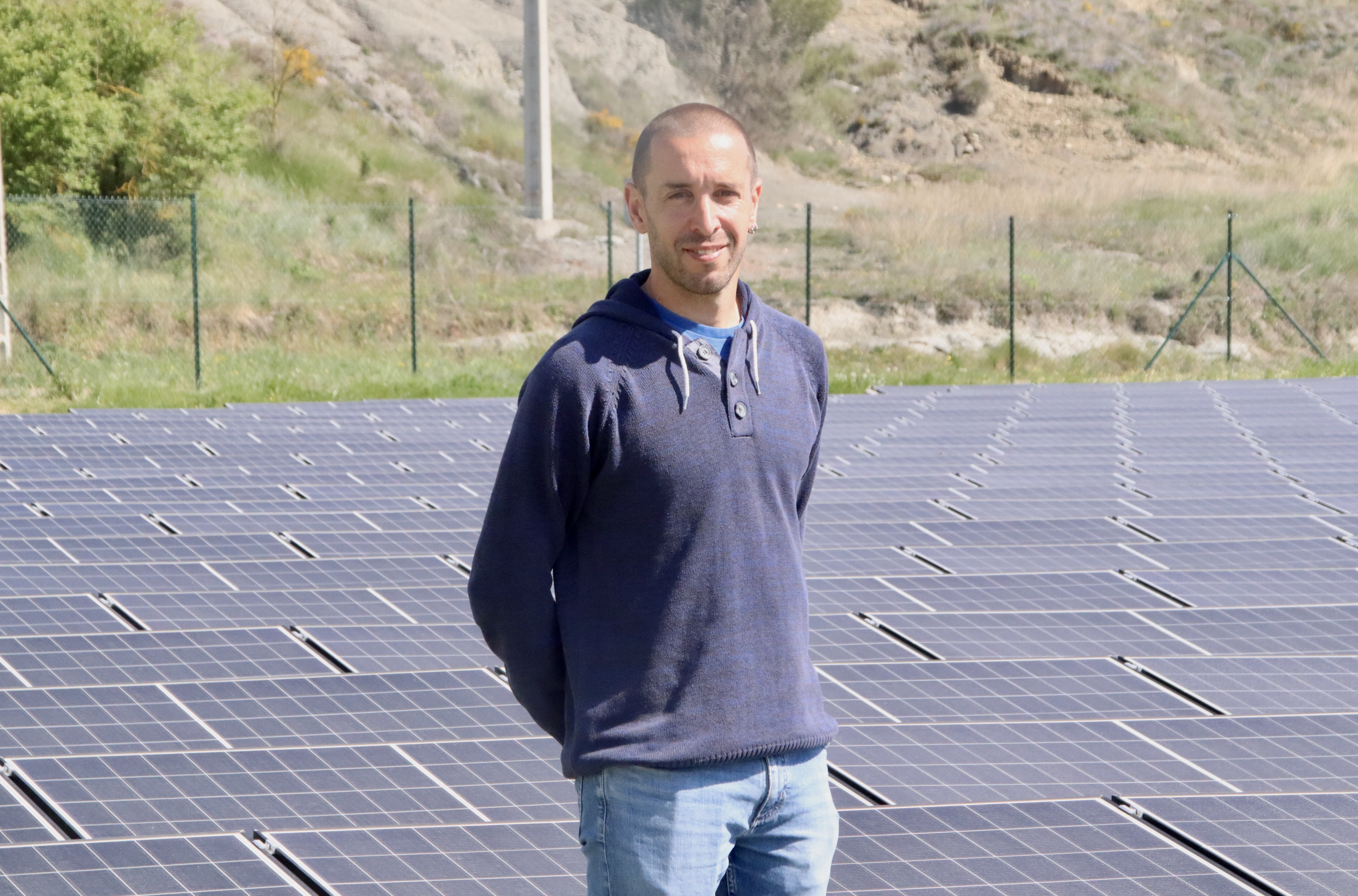
Around 2,000 families are currently part of the network in Osona and Lluçanès, with plans to double participation in the coming years. The goal is to reach households motivated not only by environmental concerns, but also by direct economic savings.
From self-consumption to a broader energy shift
While rooftop solar self-consumption is now widespread, leaders in the sector argue that the next step is energy sharing and system integration, including storage and smart consumption.
Future development in Osona includes electric mobility, shared transport, building energy renovations, and the electrification of heating systems.
Salvans also emphasized resilience in the face of potential grid failures. "The territory must be able to generate and store its own energy," he said, arguing that distributed systems could help stabilize supply during crises.
Caldes de Montbui: a municipal energy community model
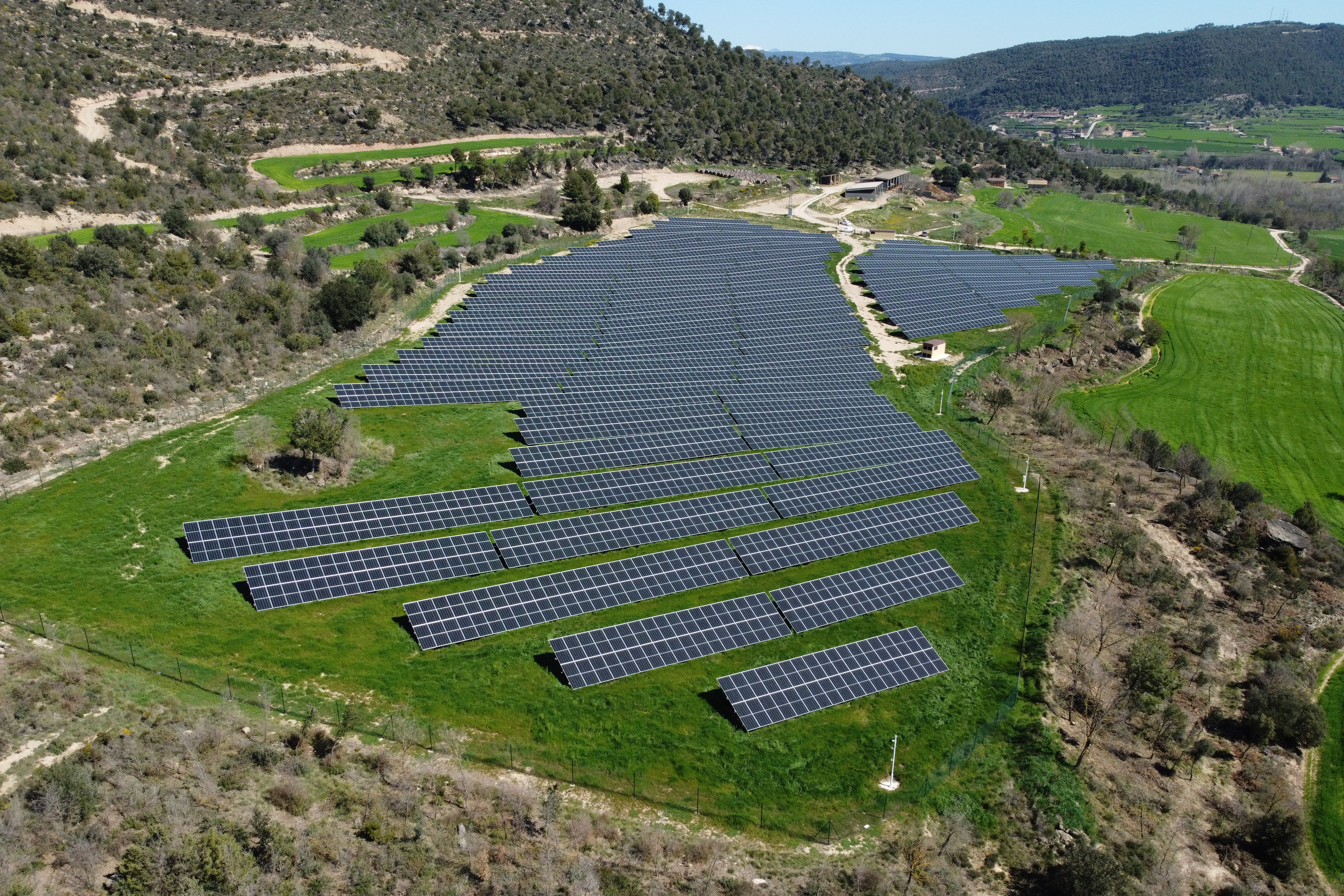
At the municipal level, Caldes de Montbui has become one of Catalonia's most advanced public energy projects. The town created a Local Energy Community in 2019, now operating 27 photovoltaic installations across public buildings, making it the largest of its kind in the region.
The system currently produces around 15% of the municipality's electricity consumption and is expanding to serve 600 households. Energy is produced on rooftops of schools, libraries, and industrial facilities, then shared among participating residents.
Participating households receive a share of production equivalent to about one kilowatt of consumption, translating into estimated savings of around €1,500 over four years.
However, the system still lacks storage capacity, meaning electricity must be consumed when it's produced.
"If the grid goes down, we are in the same situation as any other citizen not connected to the community," said Jordi Martín, Caldes de Montbui's councillor for climate action.
The municipality is seeking €1 million in funding to expand solar capacity and add lithium iron phosphate batteries storage, which would allow energy to be stored and used during evening peak demand, including for public lighting.
Som Energia scales up citizen-led renewable production
The cooperative Som Energia, headquartered in Girona, continues to expand its renewable generation model based on citizen ownership and distributed production. With more than 87,000 members and nearly 120,000 contracts, it is the largest energy cooperative in Europe by membership.
Som Energia currently produces around 20% of the electricity consumed by its members through its own assets and rooftop solar systems. It operates eleven ground-mounted solar plants and several rooftop installations, with additional projects under construction.
It plans to nearly double annual production in the coming years, from 50 GWh to about 90 GWh.
The cooperative is also focusing on battery integration and shifting consumption patterns to match peak solar production hours.
"Many members consume when there is no sun. We need to shift demand," said Nuri Palmada, head of new generation projects for Som Energia.
While Som Energia still purchases electricity from the market to cover remaining demand, it ensures supply through certified renewable guarantees of origin.
Looking ahead, general coordinator Víctor Carreño said the cooperative aims to reach 200,000 contracts by 2030, reinforcing its position as a leading player in Europe's citizen energy movement.
A system moving toward decentralization and flexibility
Catalonia continues to rely heavily on nuclear power, but energy cooperatives and local projects are pushing for a faster transition toward renewables supported by storage and flexible demand management.
"The paradigm has changed," Palmada said. "Renewable energy is the future, but it must be manageable through batteries and smarter consumption."
Podcast
Solar, wind, fossil fuels, nuclear. Energy makes the world go round. But, on an ever-warming planet, the question of where it comes from is increasingly urgent.
As well as the green energy transition and the climate crisis, geopolitical tensions and energy sovereignty are also shaping the debate.
Press play below to listen, or subscribe on Apple Podcasts, YouTube or Spotify.


On this episode of Filling the Sink, we're looking at the state of play in Catalonia, just over a year on from the blackout that hit the Iberian Peninsula.