Catalonia’s rail service enduring ‘worst crisis’ in its history
“90%” of Rodalies issues come from historic lack of investment, rail expert says
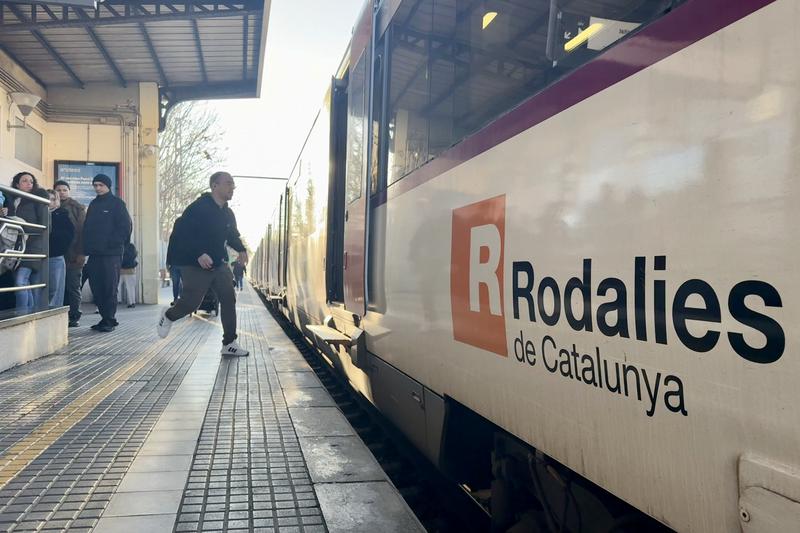

Catalonia’s commuter rail service, Rodalies, is currently going through its “worst crisis” in history, according to train driver and union leader, Francisco Cardenas.
Cardenas is the spokesperson for the UGT trade union of train drivers, and he tells Catalan News that in his 41 years with the company, he has never seen problems as bad.
Meanwhile, almost all the problems the rail service is enduring are down to a historic lack of investments, the director of Terminus, a research centre focusing on transport, Joan Carles Salmerón, concludes.
The Gelida accident, where on January 20 this year, one person lost their life and dozens others were injured, demonstrates “two major deficiencies in the Catalan railway network,” according to Salmerón. “On the one hand, and most importantly, 90% of the problem is that there has been a lack of investment for decades.”
The other major issue that night showed, according to the rail expert, was that climate change can have such a significant impact on the service. In addition, adverse weather conditions are “affecting us more and more frequently,” he points out.
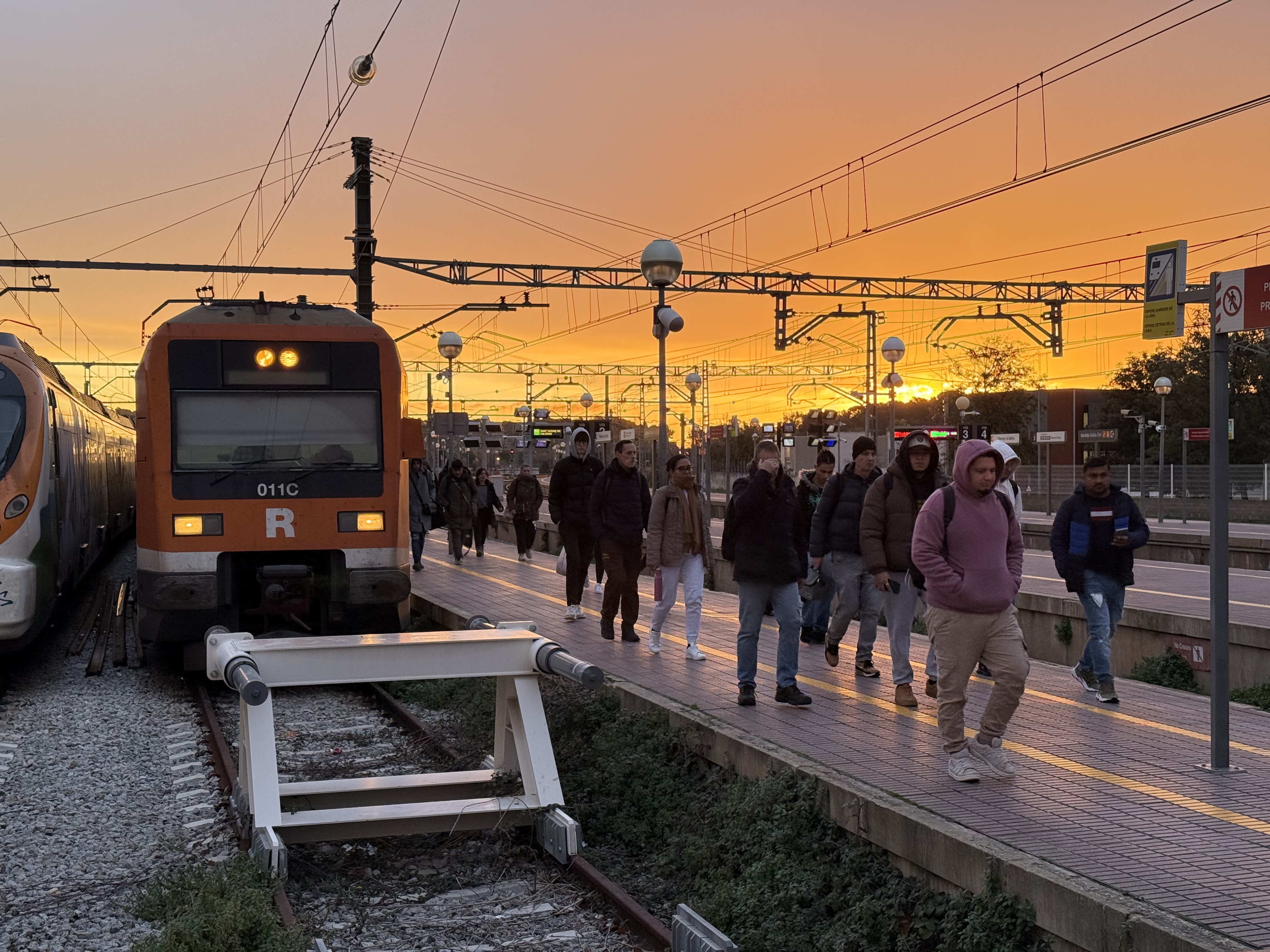
Following the tragedy, which was caused by a storm causing a container wall to fall onto the tracks, train drivers refused to resume rail service until the entirety of the network was inspected and safety was guaranteed. “If the service had not been stopped, we could have had more fatal accidents,” Salmerón says.
In his 41 years working with Renfe, Cardenas says this is “the only time we've had a complete closure of the network due to infrastructure issues.”
Problems have been “exacerbated” by a multitude of storms, Cardenas agrees, “but the same storms passed through plenty of other places, but here is where most of the incidents and collapses of service happen.”
Both agree that major investment is the only way out of this crisis. “At the very least, they have to invest above the average to recover from so many years of a lack of investment,” the train driver says. This, as he views it, will only get Catalonia’s rail service up to par, “simply to have a normal, standard commuter rail network.”
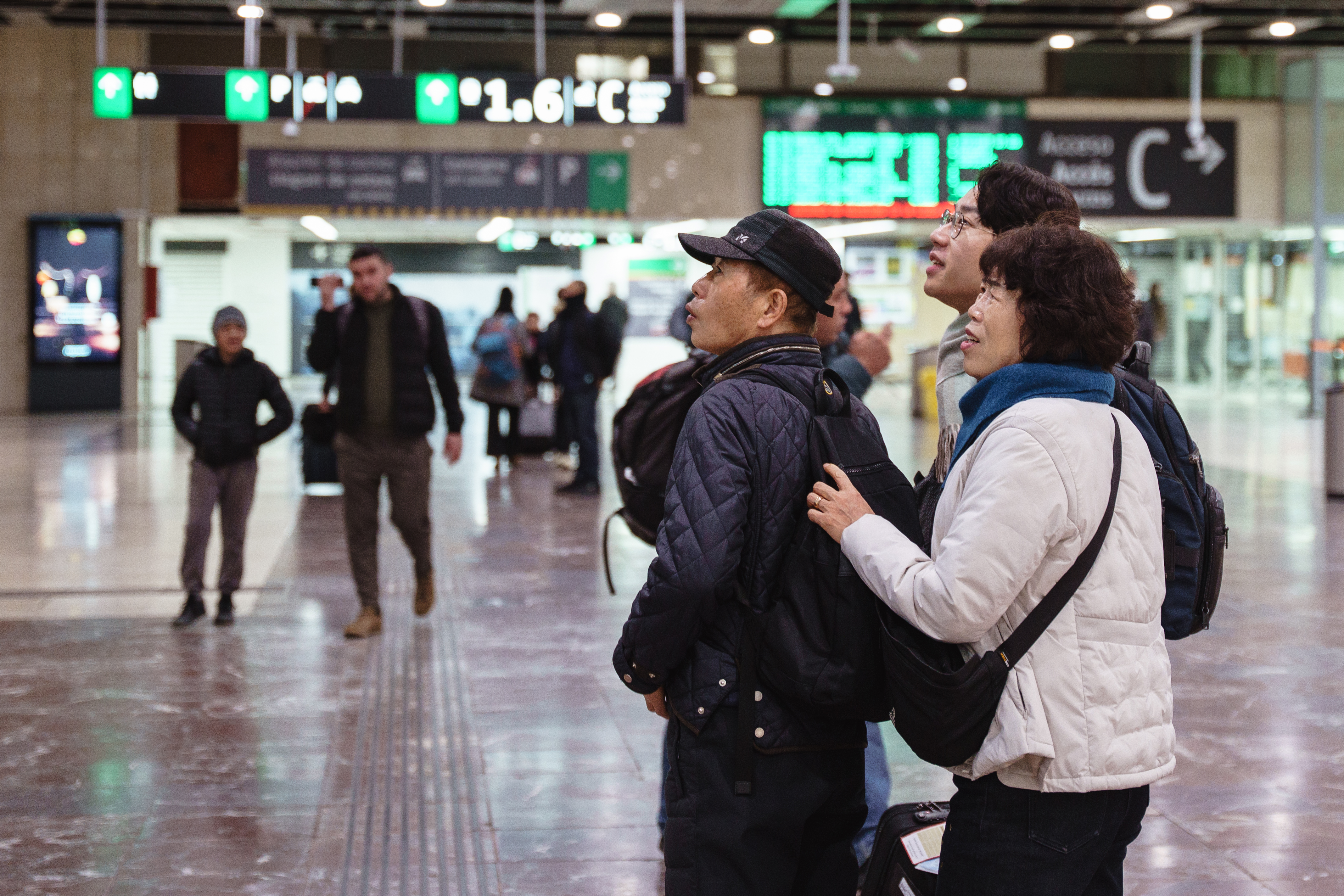
After the safety inspections, train drivers then announced three days of strike action for early February. After the first day of halting service, the strike was called off, as the union leader says that guarantees were offered to the drivers.
“With the strike organizers, we’ve set up meetings to monitor what was being done, especially regarding the points agreed on to end the strike. If that works, that will tell us that things are being done,” he considers. “If investment continues, we'll take it that things are being done.”
That all being said, the Terminus director wants to convey the message that, overall, rail transport is safe. “
Yet at the same time, he fully backs the drivers in their decision to stop the service after the Gelida accident.
Press play below to listen, or subscribe on Apple Podcasts, YouTube or Spotify.