Barcelona to open Montjuïc exhibition hall to speed up migrant regularisation
City has issued 17,000 vulnerability reports and 94,000 residency certificates since process began

Barcelona City Council will open Hall 2 of the Fira de Montjuïc exhibition centre from Wednesday to accelerate administrative procedures for migrant regularisation.
In April, Spain opened an extraordinary migrant regularisation process, giving an estimated half a million people the chance to formalize their legal status. In Catalonia, it's expected that up to 150,000 people could benefit from the initiative, open until the end of June.
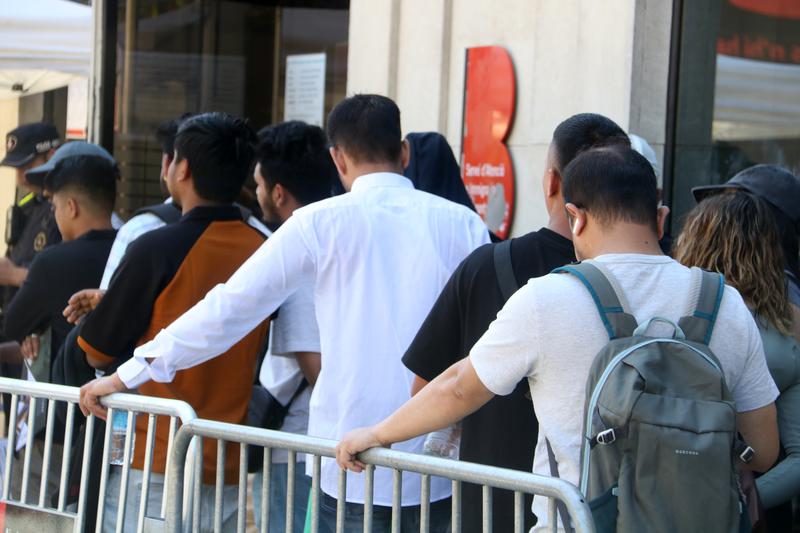
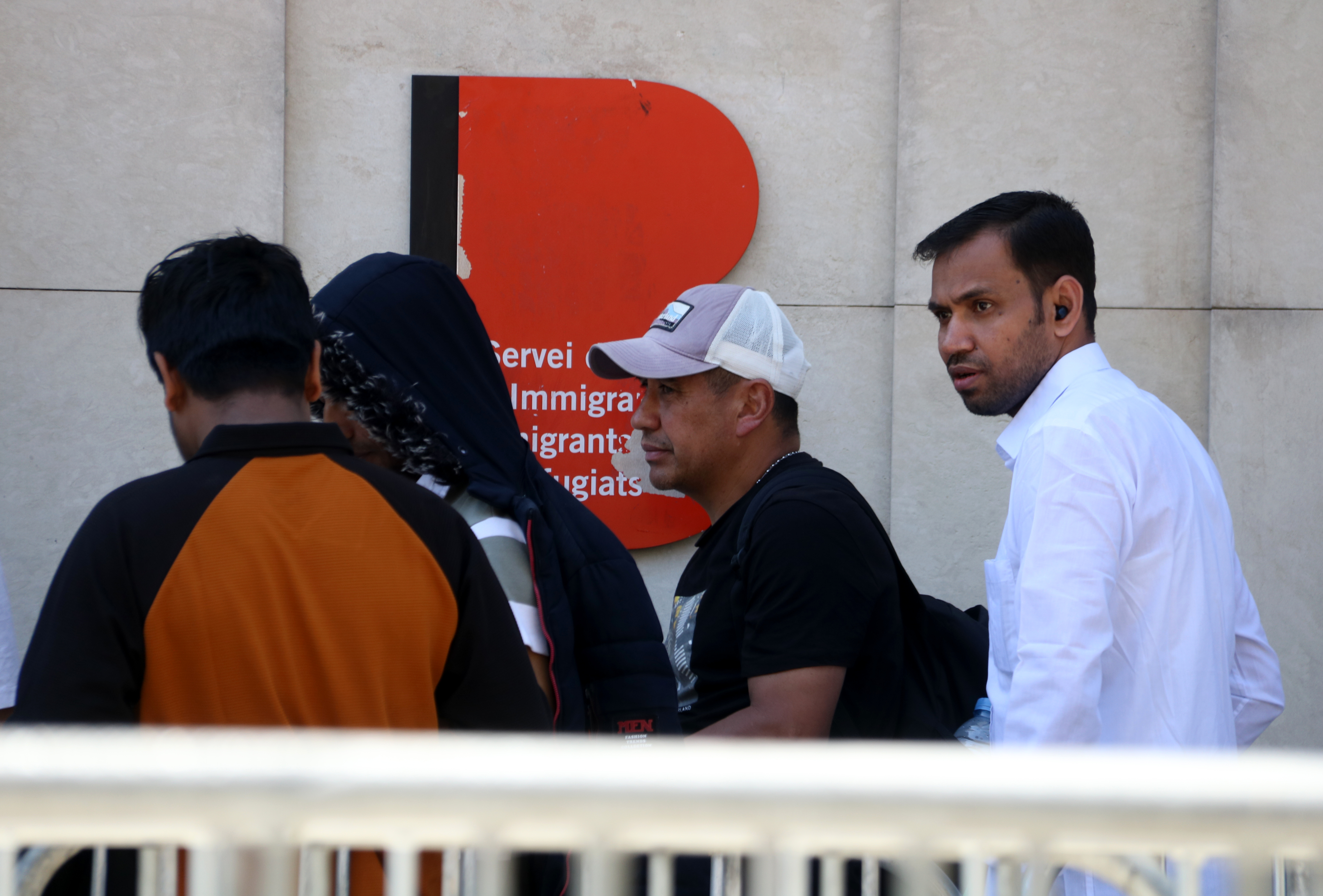
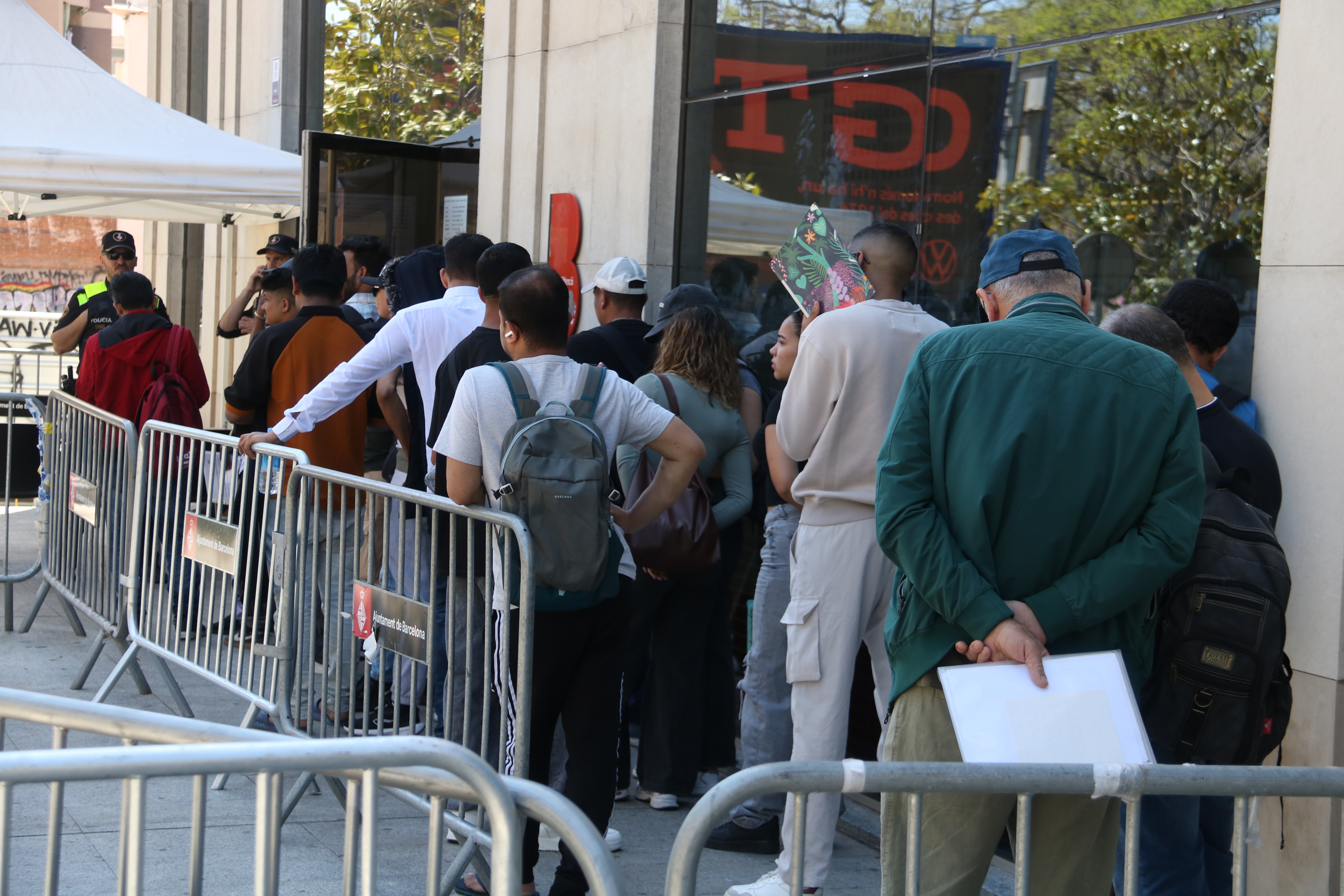
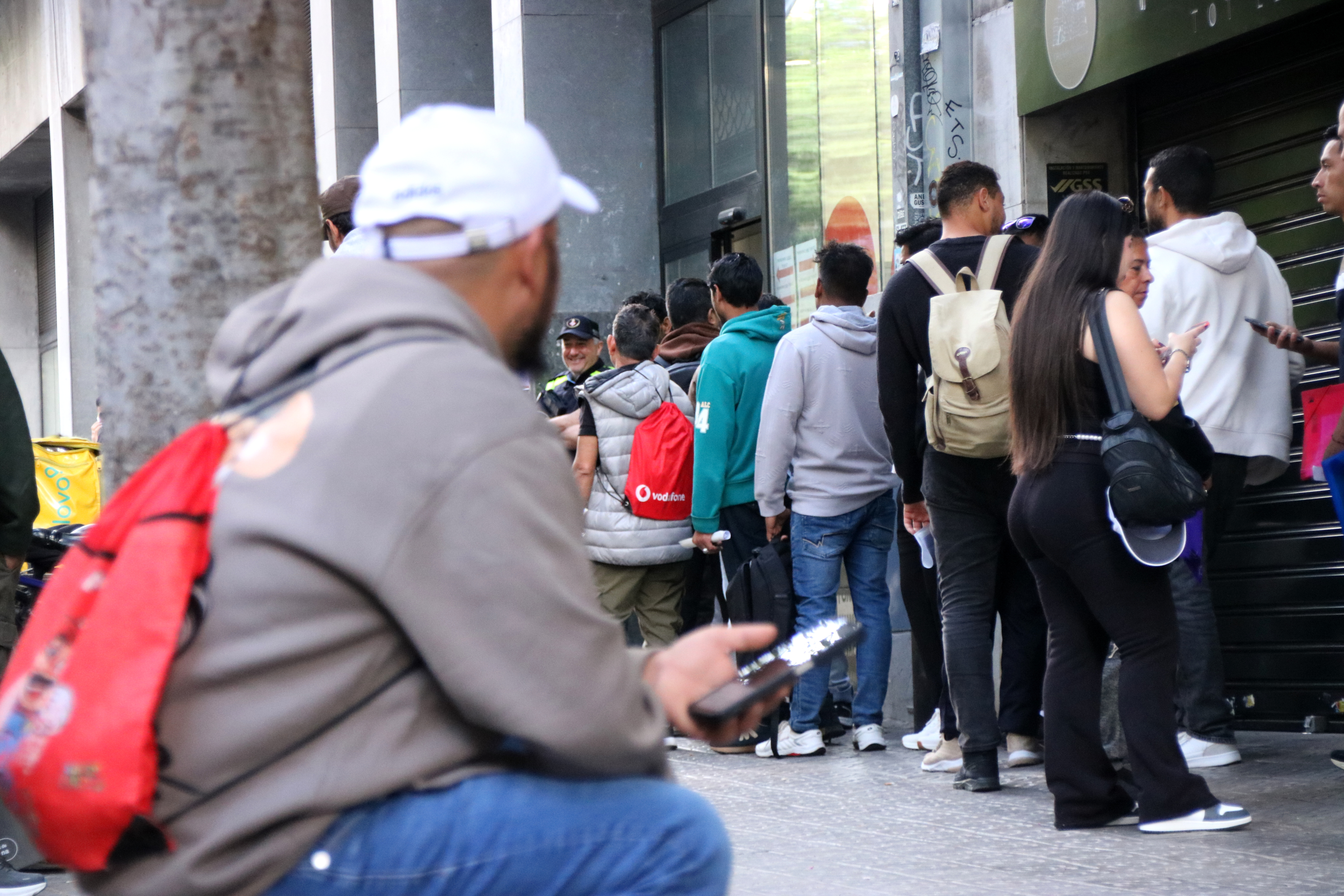
Since the process opened, offices in Barcelona to process applications have been inundated, with huge queues forming that stretch for numerous blocks.
From next week, the city council will also begin issuing reports for residents living in the city without official 'empadronament' registration, a process that will also be centralised at the Montjuïc venue.
Since the scheme began, the council has issued 17,000 vulnerability reports – 10,000 online and 7,000 in person – as well as 94,000 residency registration certificates.
The measures were announced on Tuesday by deputy mayor Raquel Gil, social rights manager Marta Clari and social action commissioner Sonia Fuertes at a press conference at City Hall.
The move marks the start of what the council described as the "second phase" of the migrant regularisation process. The Montjuïc facility is intended to streamline procedures and handle residents who are not registered on the municipal census.
The venue will open at 10am on Wednesday and operate from 8am to 10pm from Thursday onwards. Gil said the aim is to "de-escalate" demand at citizen service offices (OAC) and to "improve waiting times and quality of service."
City officials hope the new site will ease pressure after queues of up to one kilometre formed outside an OAC Office in Plaça Sant Miquel.
From Wednesday, applicants will be able to visit the Montjuïc site to book appointments, obtain time slots and process their regularisation, as well as receive information about the procedure.
Non-registered residents
From next week, the city will also begin processing applications for residents living in Barcelona without being officially registered on the city census.
Applicants will need to provide documentation demonstrating continuous residence in the city.
17,000 vulnerability reports issued
Since migrant regularisation applications opened on April 16, the council has issued 94,000 residency registration certificates.
A total of 17,000 vulnerability reports have also been issued so far, plus another 20,000 sent by email that have yet to be downloaded.
The council had previously set up four support points for migrant regularisation. The latest opened on April 28 on Carrer Miquel Bleach, in the Hostafrancs neighbourhood, joining three existing sites: the immigrant support service SAIER on Carrer Tarragona and two citizen service offices at Sant Miquel and Monumental.
Gil added that from May 15 the city aims to centralise procedures at the Montjuïc venue, the SAIER office on Carrer Tarragona and the office in Hostafrancs, allowing standard services to resume at other citizen service offices.
Podcast
Watch or listen to the podcast below to learn more about the extraordinary migrant regularisation process.
Press play below to listen, or subscribe on Apple Podcasts, YouTube or Spotify.


