Spanish government set to approve plan to tackle Middle East war's economic impact
Trade unions UGT and CCOO call for concrete measures and oppose "widespread tax cuts"
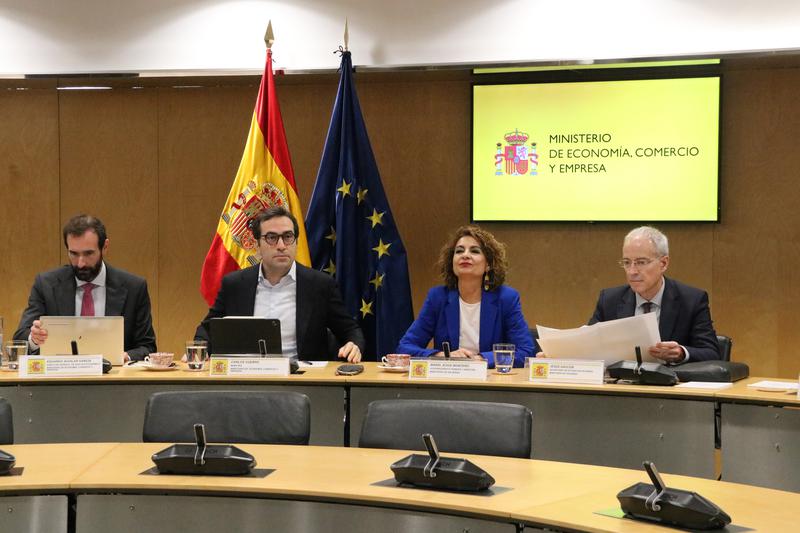

The Spanish government will hold an extraordinary cabinet meeting on Friday, March 20, to approve a package of measures aimed at reducing the economic impact of the war in the Middle East.
According to government sources speaking with the Catalan News Agency (ACN), both long-term and short-term measures are planned to protect vulnerable citizens and the sectors most affected by price hikes resulting from the conflict between the United States, Israel, and Iran.
In recent days, the Spanish government has provided details on some of the measures in its plan.
Economy Minister Carlos Cuerpo specifically ruled out reinstating the 20-cent-per-liter fuel subsidy that was introduced in 2022 to ease the impact of the war in Ukraine.
Instead, he emphasized "targeted aid" for the sectors hardest hit by the conflict in the Middle East, particularly agriculture, fishing, and transportation.
Third Vice President and Ecology Minister Sara Aagesen said the government is considering a cut in the sales tax on electricity as part of its anti-crisis measures.
In response, the Spanish trade unions CCOO and UGT have called for avoiding widespread tax cuts and are instead demanding concrete measures, such as discounts on public transportation.
Catalan Parliament vote
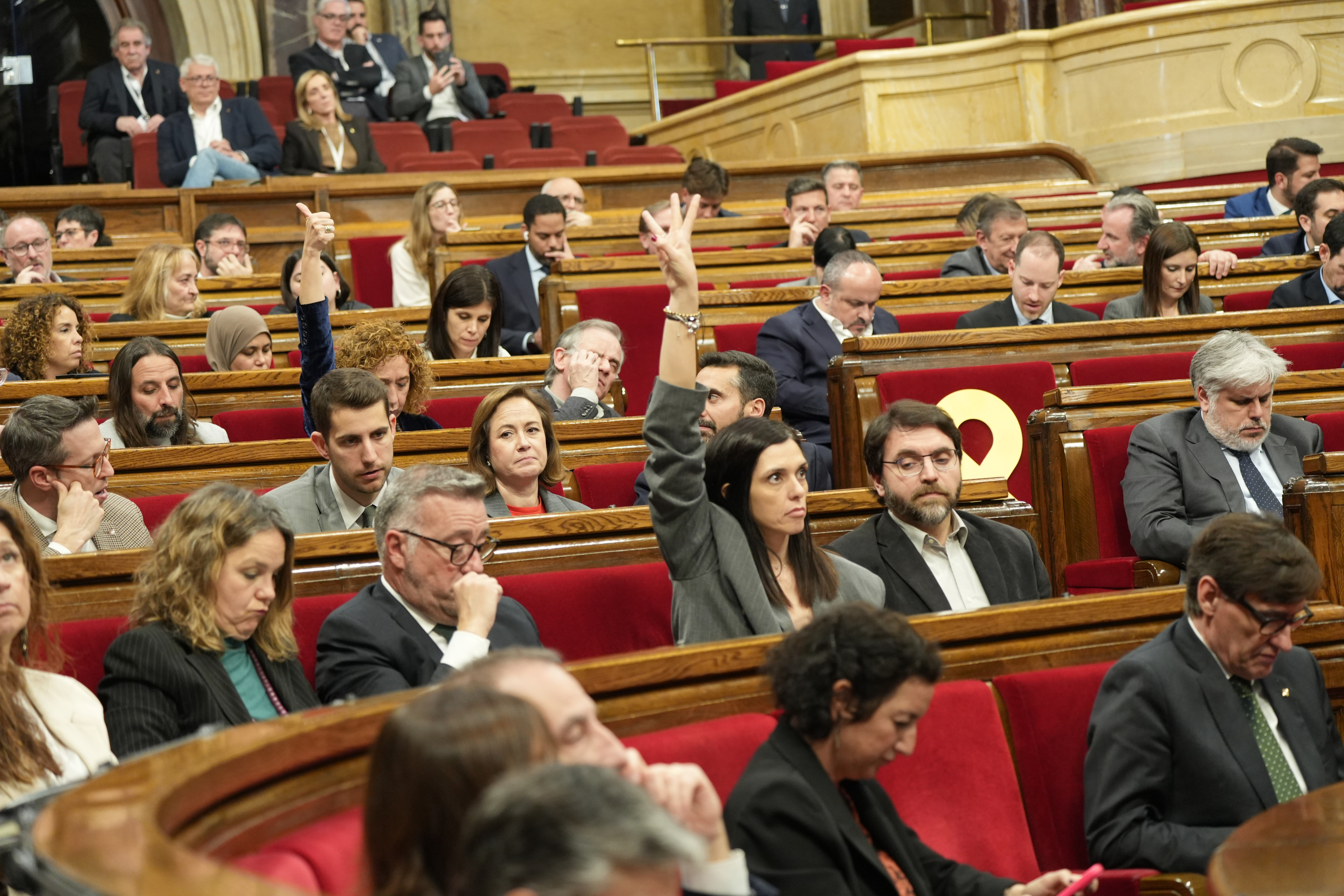
This week, the Catalan Parliament will also vote on a motion proposing the creation of a support programme for those affected by the economic and social impact of the war in Iran.
The motion also seeks to condemn the attacks on Iran and Lebanon carried out by the United States and Israel.
It was proposed by the Catalan left-wing party Comuns – stating that these attacks violate international law.
It also addresses Iran's actions, condemning attacks by the country as "totally unjustified" – urging the immediate release of all individuals held without cause and strongly condemning the country's regime.