Spain's election campaign kicks off with Sánchez fighting to retain power and right eyeing majority
Polls put PP and Vox ahead of left bloc as Catalan parties seek to preserve their influence in Madrid after November 29 vote


Spain's general election campaign officially gets underway at midnight on Thursday night, with Prime Minister Pedro Sánchez fighting to remain in power against a conservative bloc led by the People's Party (PP) and far-right Vox.
The November 29 snap election comes amid growing pressure over the cost of living, a deepening housing crisis, and political scandals, with opinion polls suggesting the right could secure an overall majority in the Spanish Congress.
The campaign is also set to expose divisions within Spain's progressive camp, following the breakdown of efforts to unite the parties to the left of the Socialists.
Meanwhile, Catalonia's political parties are approaching the election with distinct priorities, from defending the current governing arrangement in Madrid to recovering ground in the independence movement and attempting to contain the rise of the far right.
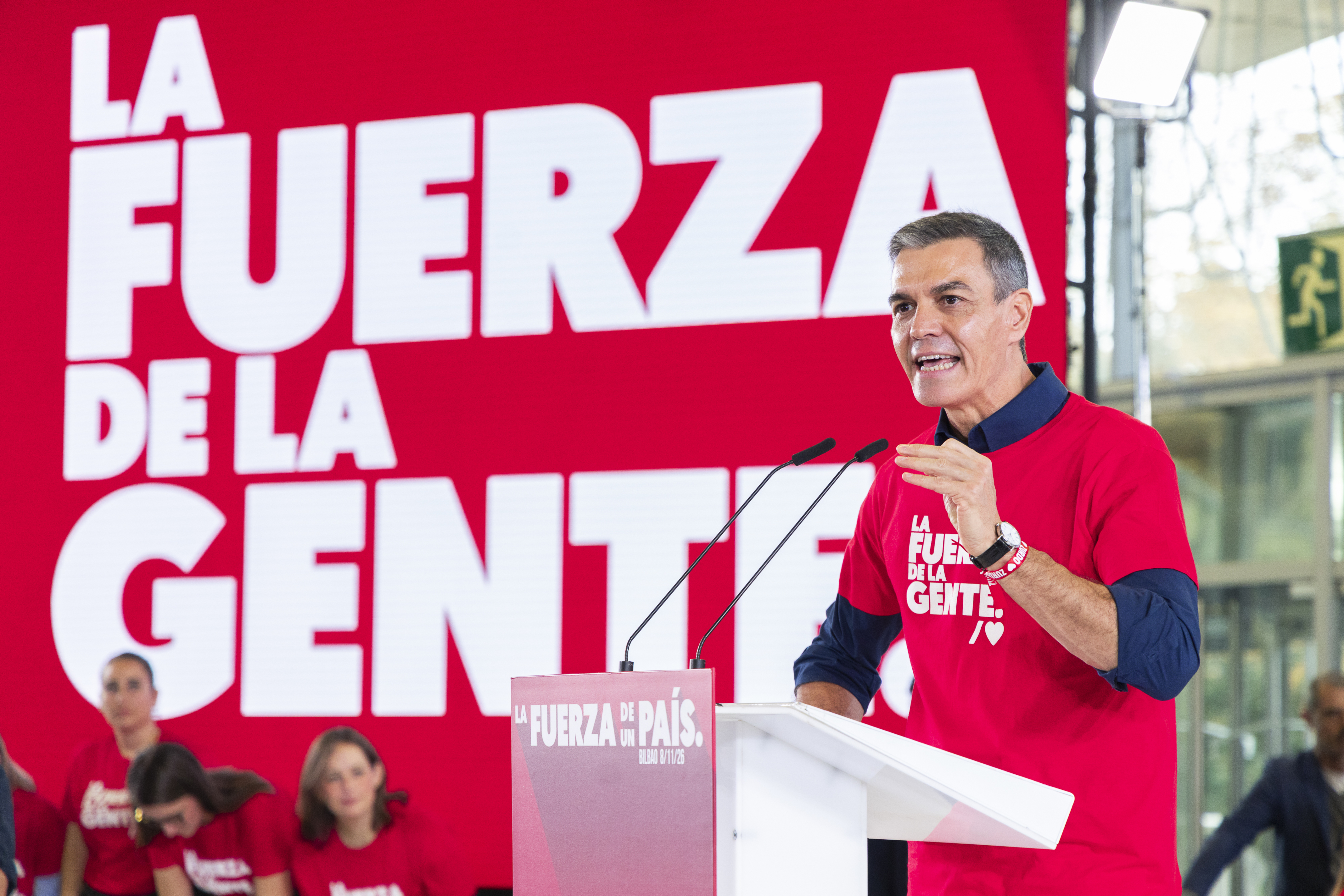
The latest polls place the PP ahead of Sánchez's Spanish Socialist Workers' Party (PSOE), although Alberto Núñez Feijóo's conservatives are expected to need the support of Vox to reach the 176 seats required for an absolute majority in the 350-member Congress.
Vox, led by Santiago Abascal, are projected to make substantial gains, consolidating their position as the third-largest force in the chamber.
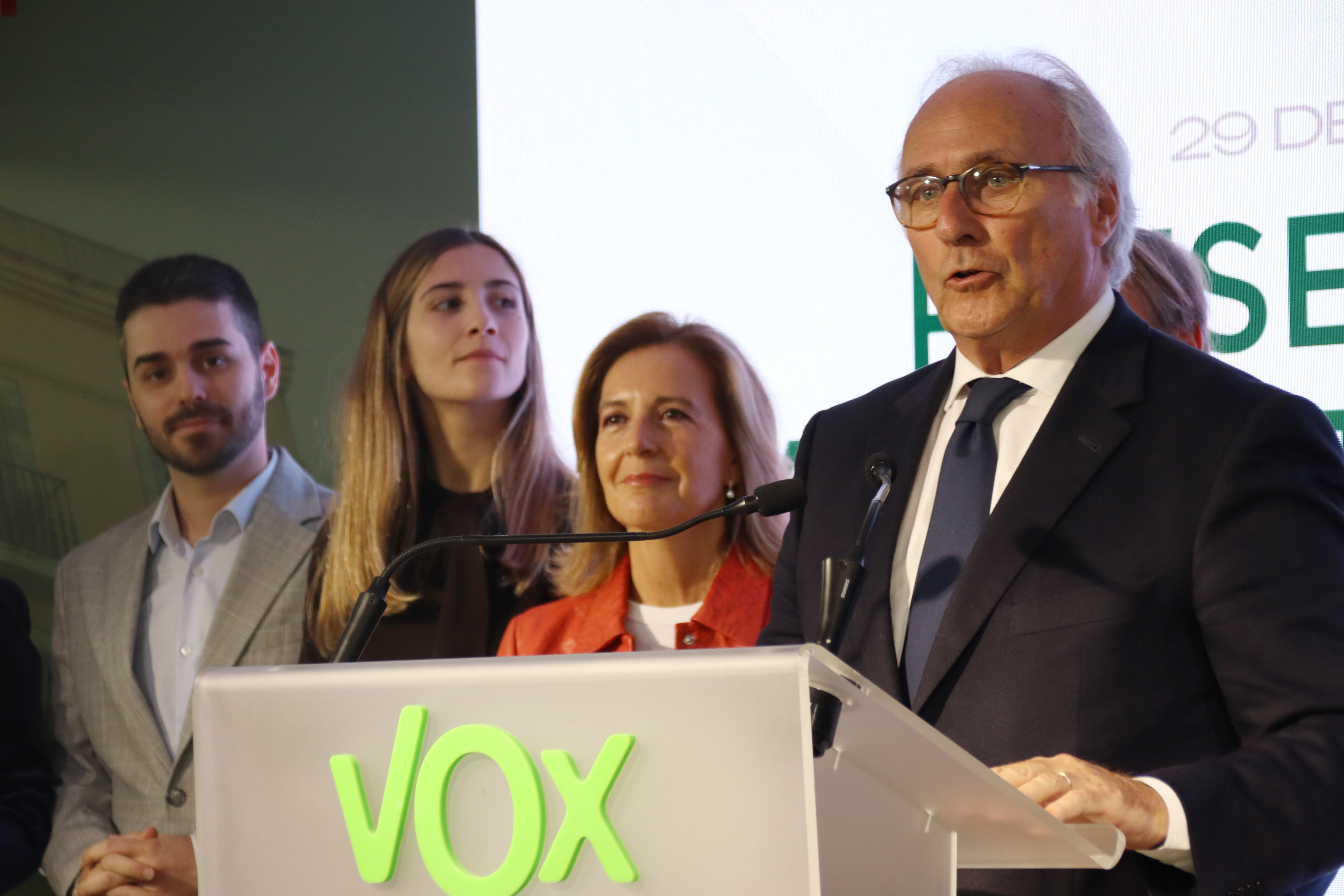
If they did enter government, it would mark an unprecedented development in Spain's democratic era, with no far-right party having held national government office since Franco's dictatorship ended in 1975.
Housing, immigration, corruption
Housing, immigration and corruption are set to be among the key issues shaping the campaign, alongside the aftermath of last month's deadly train accident, which led to the resignation of Spanish Transport Minister Óscar Puente.
For Sánchez, the challenge is to mobilise progressive voters and convince them that another term under a Socialist-led coalition is preferable to a government dependent on the far right.
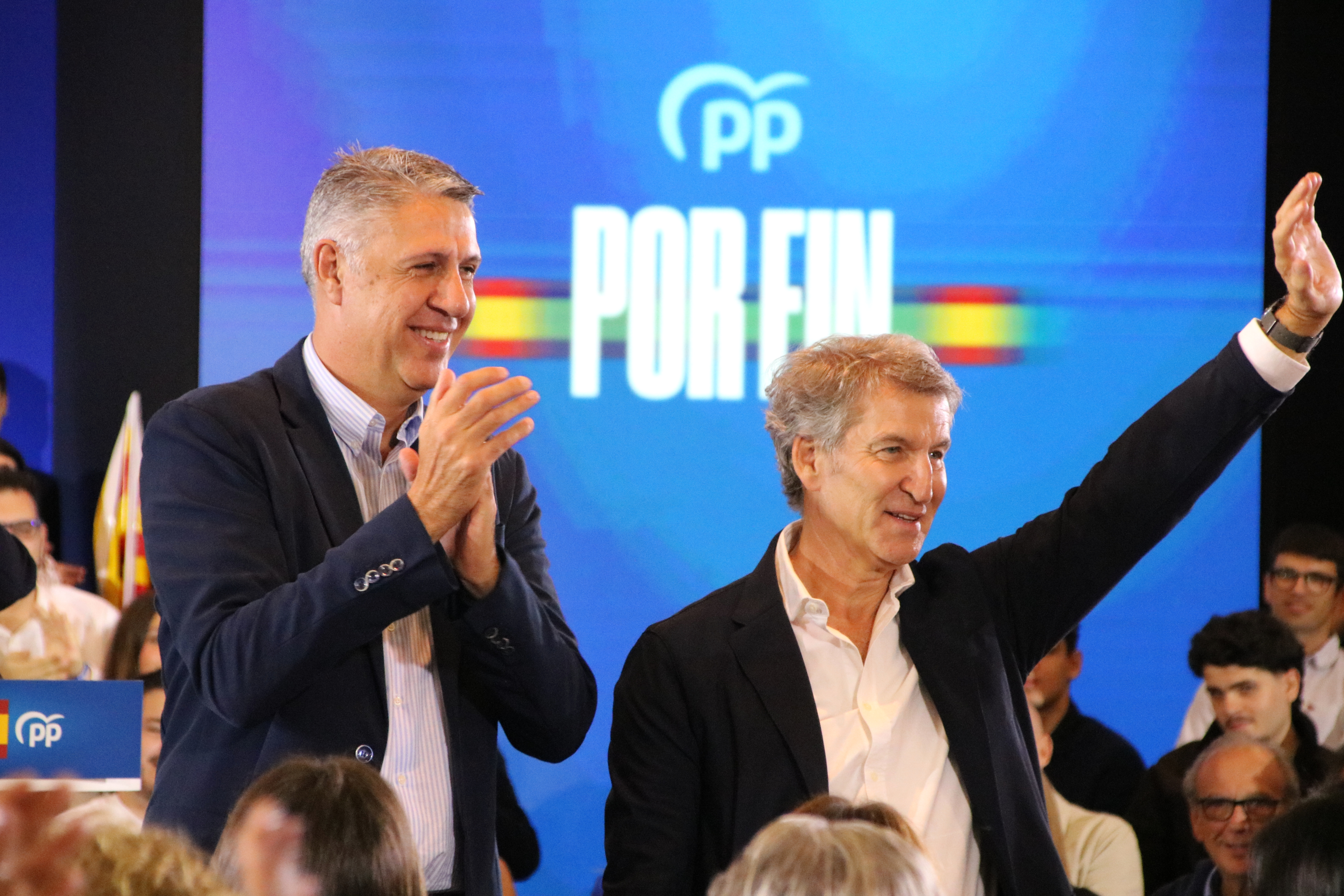
Feijóo, meanwhile, is seeking to turn his party's polling advantage into a parliamentary majority, while Abascal is already making clear that any agreement with the PP will come with political conditions.
Vox is campaigning on "national priority," favouring Spaniards in access to public services and benefits, alongside deregulation and "remigration" – its term for the expulsion of migrants it deems not to contribute to the economy.
Divided left
Attempts to create a united electoral platform to the left of the Socialists failed, leaving the newly formed Broad Front, led by former Barcelona mayor Ada Colau, and Podemos competing separately across much of Spain.
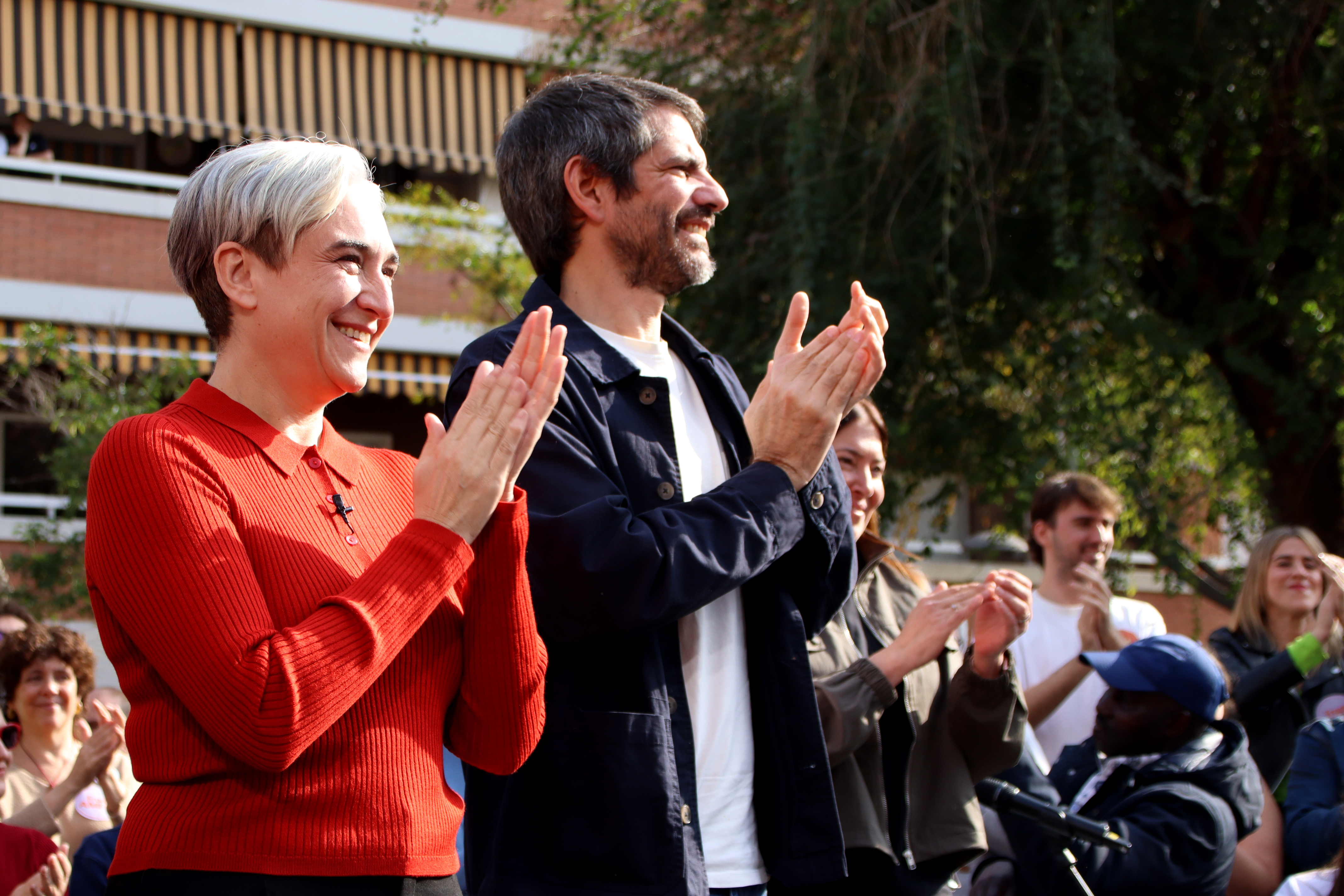
Broad Front, essentially a rebrand of Sumar, the junior partner in Sánchez's coalition government, brings together a range of left-wing parties, including Catalonia's Comuns. Its campaign will focus on housing affordability, the cost of living and higher taxes on the wealthiest.
Podemos, led by former equality minister Irene Montero, has rejected the new alliance and will run independently in most constituencies.
In Catalonia, it has agreed not to field its own candidates and will instead support Esquerra Republicana (ERC).
The election battle in Catalonia
In Catalonia, the Socialists are seeking to repeat their strong performance in the 2023 general election, when they won 19 of the 48 Congress seats available, well ahead of ERC, Junts and Sumar, who each secured seven.
The Catalan Socialists, led into the election by Industry Minister Jordi Hereu, are presenting themselves as the best tactical vote to prevent a PP-Vox government.
They hope to mobilise undecided and disillusioned progressive voters, with Catalonia's Socialist President Salvador Illa as one of their main campaign assets.
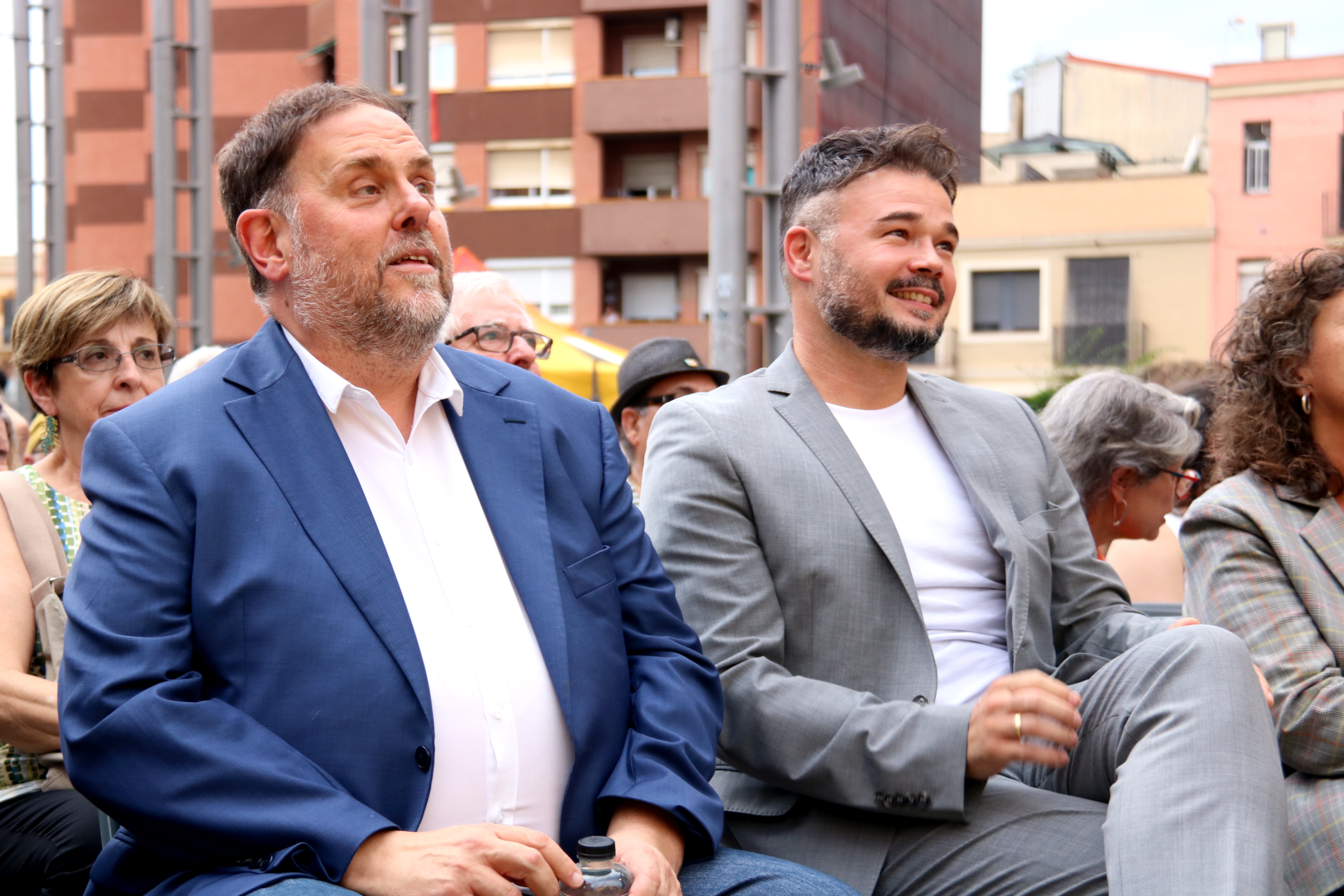
ERC meanwhile, are looking to recover from their 2023 setback, when they lost six seats compared with the previous general election.
Gabriel Rufián remains their leading candidate despite internal disagreements over his attempts to build a broader alliance of progressive forces.
The party is also looking beyond November 29. It hopes a strong result will help boost Oriol Junqueras' ambitions to become Catalan president after the next Catalan election, expected in 2028.
Junts, led in Congress by Míriam Nogueras, are seeking to retain their influence in Madrid after a turbulent term.

Its seven MPs initially proved crucial to Sánchez's investiture in 2023, with an agreement that opened the way for Spain's amnesty law for those involved in the independence movement. However, relations deteriorated and the party eventually broke with the Socialists, most recently voting against the government's housing decrees.
Junts say they could again hold the balance of power in a hung parliament, but is ruling out supporting Feijóo.
A Spanish election with Catalan consequences
Catalonia's 48 seats make it an important electoral battleground.
The result will also have implications for the Catalonia's internal politics.
For Salvador Illa's government, a Socialist defeat in Madrid could jeopardise agreements on key issues including Catalonia's proposed new financing model and the transfer of Rodalies commuter rail services.