EU again discusses official-language status for Catalan without reaching decision
Seven-minute debate follows Spain's presentation of fresh arguments in favour of measure
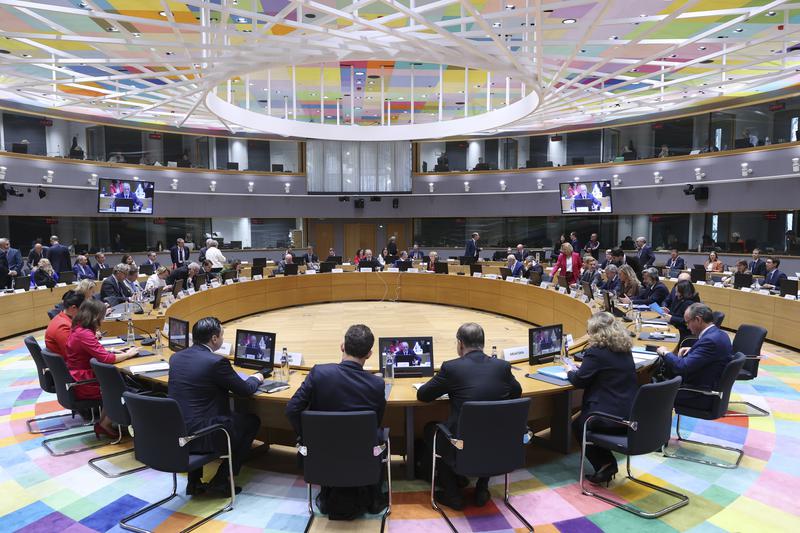

EU foreign affairs ministers spent just seven minutes discussing whether Catalan should become an official EU language on Tuesday, without taking a decision.
Spain's Secretary of State for the EU, Fernando Sampedro, told the General Affairs Council that the Spanish government had "provided all the information available," but avoided discussing the possibility of blocking EU enlargement, a suggestion raised several weeks ago by Spain's Foreign Minister José Manuel Albares.
Diplomatic sources told the Catalan News Agency (ACN) that only Germany, Sweden and Lithuania intervened in the debate following Spain presented its fresh arguments in favour of the measure.
The three countries requested that the issue of granting official status to Catalan, Basque, and Galician not be linked to EU enlargement.
They warned it was a way of "holding hostage" the potential accession of Montenegro and other candidates to the EU.
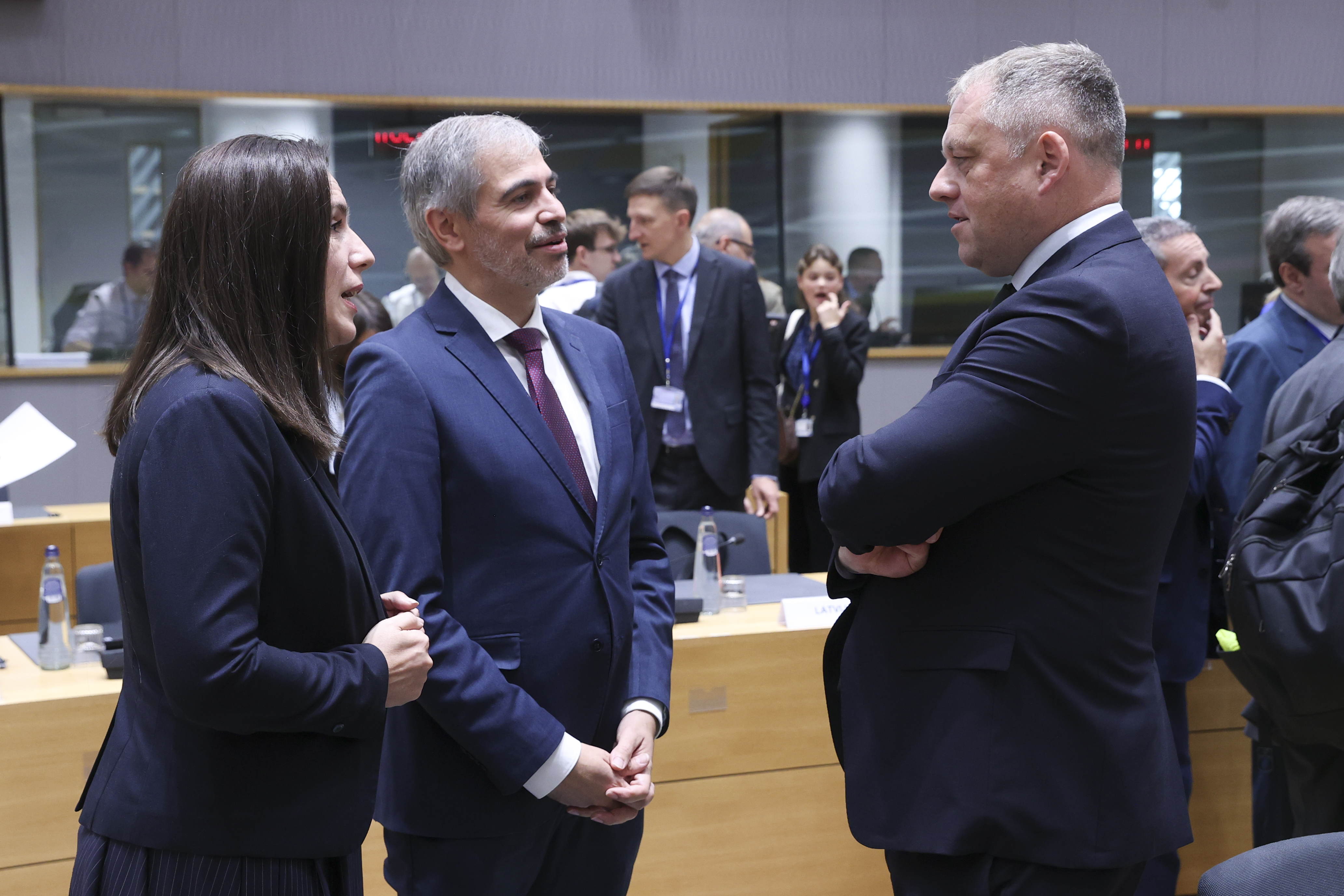
The last time EU ministers discussed the topic of making Catalan, Basque and Galician official was in July 2025, but Spain renewed its push before Tuesday's meeting, making a request to add the issue to the agenda.
Linking EU enlargement to official language status
Ahead of the meeting, several member states questioned the Spanish government's threat to veto EU enlargement unless Catalan, Basque and Galician are first added to the bloc's list of official languages.
"It is unacceptable, and that is how I will put it to the Council," Lithuanian minister Sigitas Mitkus told reporters.
German minister Gunther Krichbaum, meanwhile, warned that Spain "should neither block nor halt" the enlargement process. He criticised member states that use EU enlargement as a bargaining chip "to try to obtain better conditions."
Sweden's minister for European affairs, Jessica Rosencrantz, issued a similar warning, saying that EU enlargement and official recognition for Catalan, Basque and Galician "should not be linked."
"Enlargement is one thing, and languages are another," she told media before the meeting.
Tuesday's discussion comes days after Spain's foreign minister, José Manuel Albares, described it as "unthinkable" for new languages to be added to the EU's linguistic regime before Catalan.
The Sánchez government's aim is to link the debate over official recognition of the three languages to EU enlargement, taking advantage of Brussels' desire to accelerate accession processes, particularly for Balkan candidates, in order to curb Russia's influence in the region.
"We are completely in favour of EU enlargement, which is why we are asking for the issue of our official languages to be resolved, because it is unthinkable that there should be a new language if Catalan, Basque and Galician are not there," Albares argued.
Montenegro and Albania are the most advanced candidate countries, and their accession to the bloc would also require Montenegrin and Albanian to be added to the EU's linguistic regime. Montenegro is expected to join the EU in 2028.