Catalonia heads into National Day amid amnesty delays and far-right tensions
A divided pro-independence movement looks to revive mass mobilisation for La Diada, nearly a decade after failed 2017 independence bid
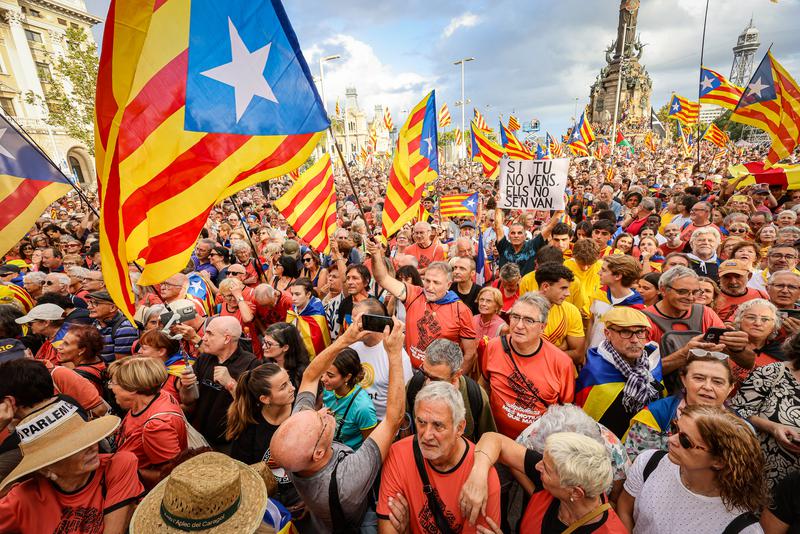

Catalonia heads into its National Day on Friday, September 11, with Spain's 2024 amnesty law still not fully implemented, the possible return of former president Carles Puigdemont looming over politics, and growing tensions over the rise of the far right.
Nearly a decade after the failed 2017 independence bid, and with Catalonia's pro-independence parties deeply divided, civic organisations are seeking to revive the mass street demonstrations that once defined the day.
This year's main pro-independence mobilisation will be decentralised, with demonstrations taking place in Barcelona, Girona and Amposta, under the slogan "I'm here. We are here. For the present and the future. Independence."
Amnesty unresolved
La Diada, as it's known in Catalan, commemorates the fall of Barcelona to Bourbon forces in 1714.
This year marks the 50th anniversary of the first major celebrations held after Franco's dictatorship.
One of the big focuses for the pro-independence supporters will be the amnesty law covering people involved in the events surrounding Catalonia's independence drive.
Its full implementation remains a central political issue two years after the Spanish Congress passed the law.
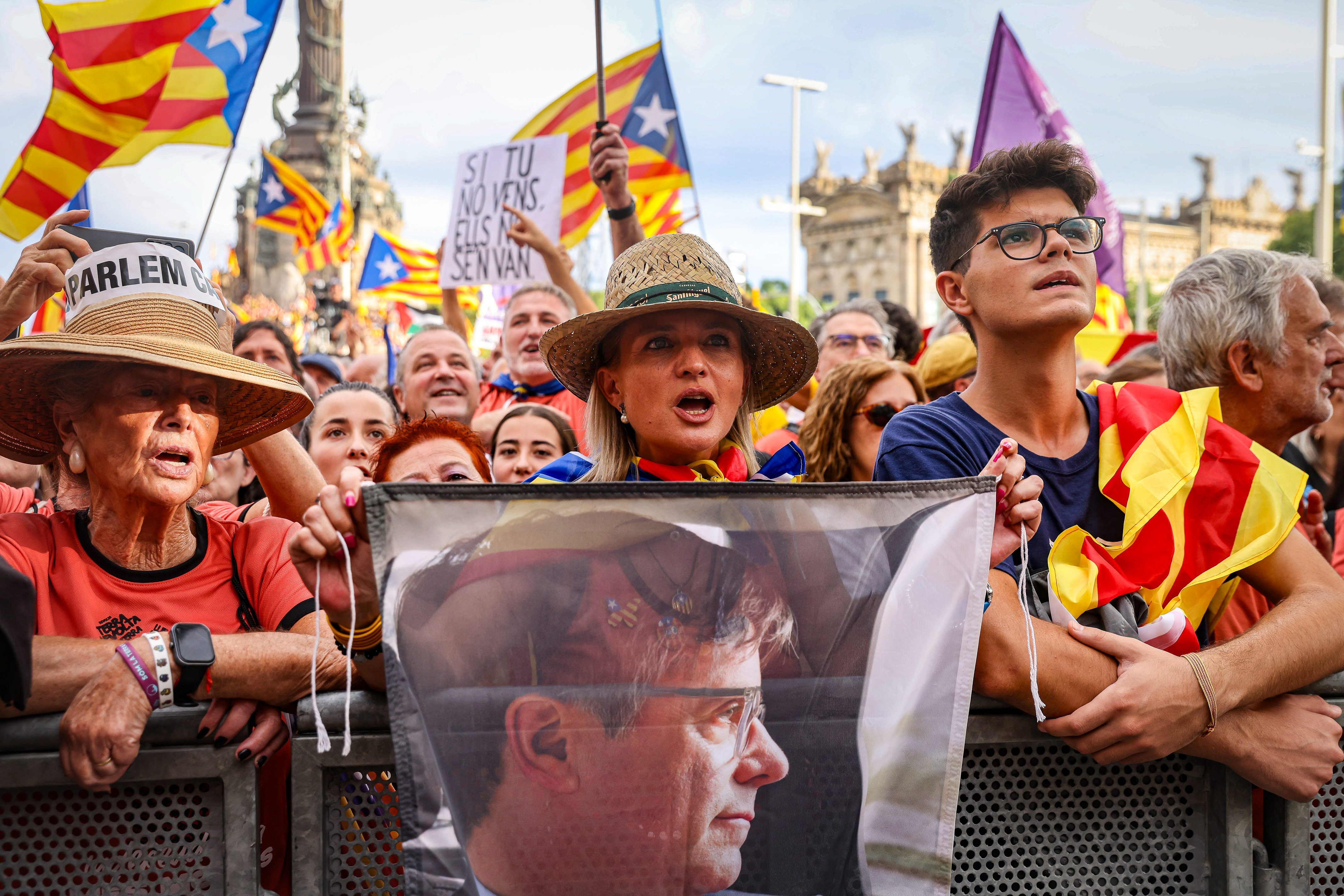
In July, the European Court of Justice backed the law, and Spain's Constitutional Court is due to begin deliberations on appeals on September 22.
The most high-profile figure awaiting a decision on the amnesty is Puigdemont, the former Catalan president and leader of Junts who moved to Belgium in the aftermath of the 2017 independence bid.
His possible return could reshape the political landscape.
Far-right tensions
The rise of the far right will be another theme of this year's Diada.
The pro-independence left has called a demonstration at Barcelona's Fossar de les Moreres on Thursday evening under the slogan "Antifascist unity for a land belonging to everyone." The protest is aimed at the presence there of Sílvia Orriols, leader of the far-right pro-independence party Aliança Catalana.
Spirit of 1976
Meanwhile, the Catalan government is drawing on the spirit of the 1976 Diada in Sant Boi de Llobregat, the first major public celebration of Catalonia's National Day held after the Franco dictatorship.
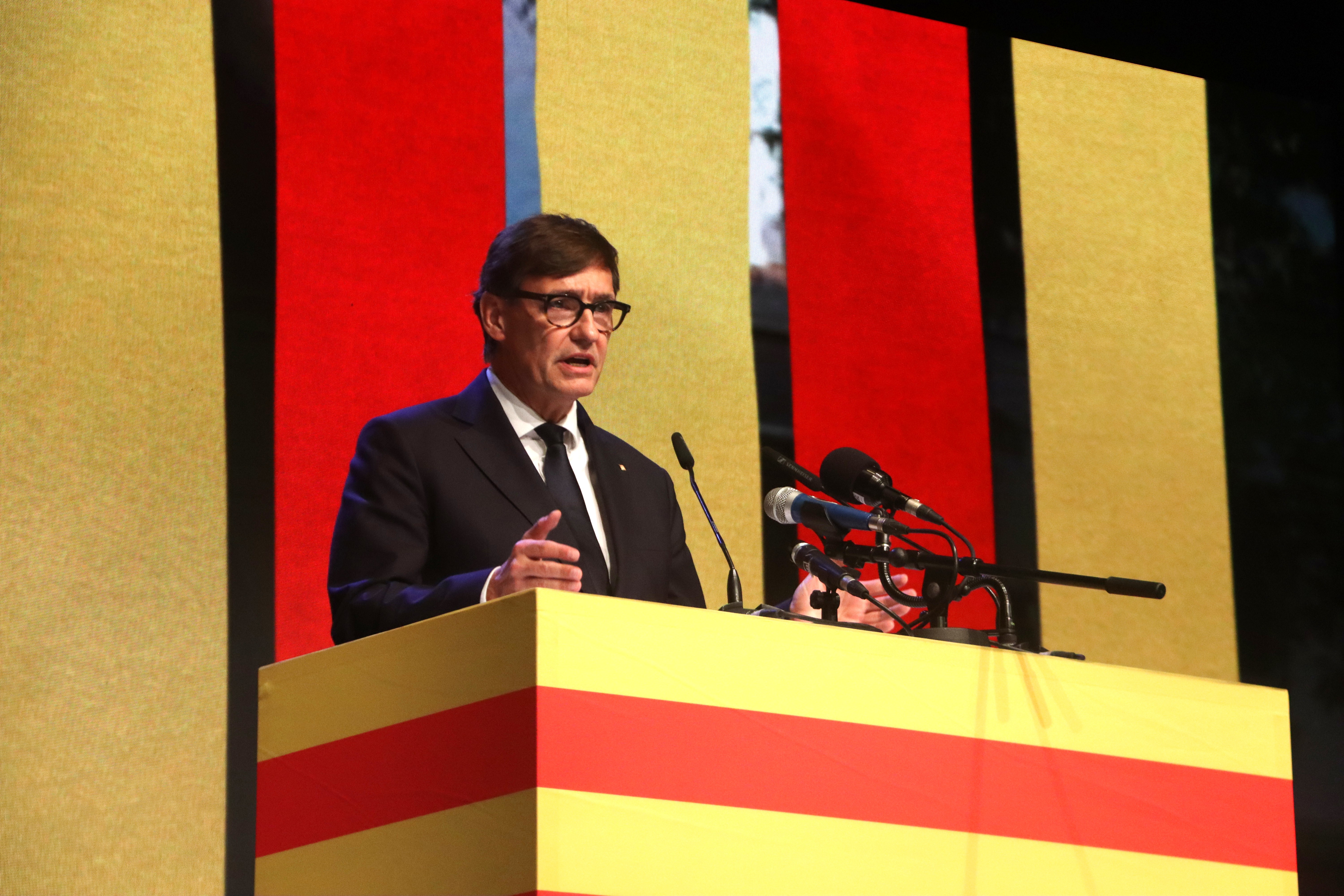
President Salvador Illa has appealed to its spirit of "unity within diversity." A ceremony marking its 50th anniversary was held in Sant Boi on Wednesday.
The government has also moved its traditional Diada event outside Catalonia from Madrid to Extremadura this year, saying it wants to highlight "the capacity for integration" and the contribution of the many people from Extremadura who moved to Catalonia in the 1960s and 1970s.
Illa will visit Extremadura on September 16 and 17.
Independence movement seeks comeback
The Catalan National Assembly (ANC), Òmnium Cultural and four other pro-independence organisations will stage simultaneous demonstrations in Barcelona, Girona and Amposta from around 5pm on Friday.
They say independence requires "individual commitment" and "active participation in the collective struggle."
In Barcelona, two columns representing the present and the future will set off from opposite sides of the city and converge at Plaça Catalunya, where speeches will be held. The "present" column will leave from Gran Via and Carrer de Casanova, while the "future" column will set off from Via Laietana.
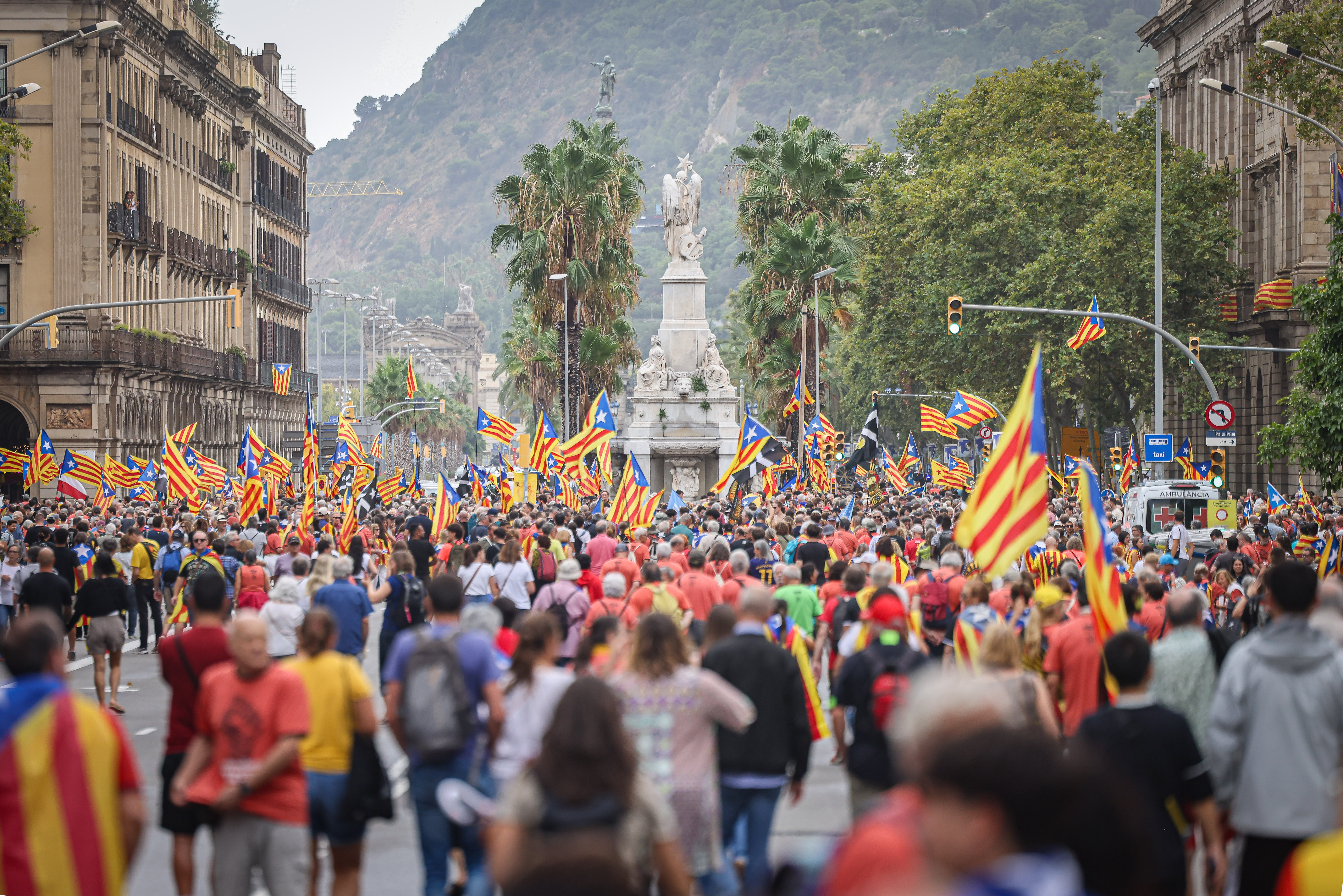
The organisers say the present represents a Catalonia that "refuses to resign itself, and its social and national demands," while the future represents the country they seek to build.
"A present and a future joined by a bridge, which is independence," they add.
Commemorations
Institutional events will include the traditional floral tribute to Rafael Casanova, a leading political figure in Barcelona during the 1714 siege, and a celebratory event at the National Theatre of Catalonia.
This year's official programme also marks several cultural anniversaries, including those of architect Antoni Gaudí, poet Clementina Arderiu, writer Josep Vallverdú and former president Josep Irla.
The Catalan Parliament will open its programme with a ceremonial raising of the senyera, the Catalan flag, focusing this year on the millennium of the medieval Assemblies of Peace and Truce.
Illa, Parliament speaker Josep Rull and Barcelona mayor Jaume Collboni are due to attend.
Historic buildings and museums across Catalonia will also open their doors to the public free of charge for the National Day.