Catalan farmers hail EU delay to Mercosur deal but call for it to be scrapped
After 25 years of negotiations, the trade agreement has been postponed again amid concerns it could lower EU standards and threaten local farming

After 25 years of negotiations, the trade agreement between the European Union and Mercosur, which includes Argentina, Brazil, Paraguay and Uruguay, has once again been postponed.
Late on Thursday, European Commission president Ursula von der Leyen delayed the signing of the deal after Italy, whose vote is crucial for approval, asked for more time.
To be approved, the agreement needs the backing of at least 15 EU member states. France, Poland and Hungary have opposed the deal, while Spain supports it, making Italy's position decisive.
If approved, the agreement would gradually remove tariffs on 91% of EU exports to Mercosur and 92% of Mercosur exports to the EU.
The EU says the deal would benefit sectors such as automotive, machinery, pharmaceuticals and textiles, which currently face tariffs of up to 35%.
It would also allow increased imports into the EU of products such as meat, sugar, rice and soy. This has raised concerns among European farmers, who fear lower standards and cheaper competition.
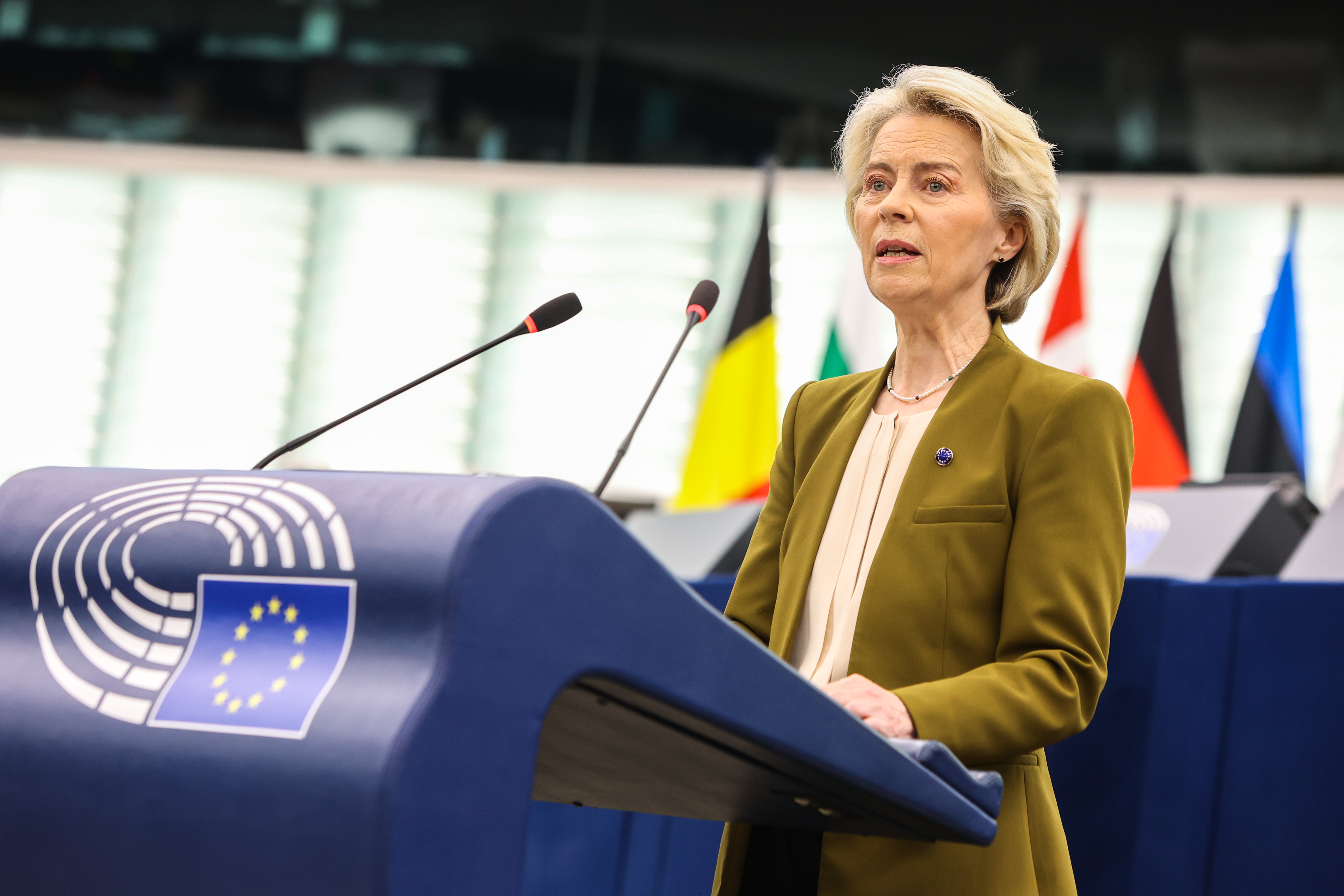
On Wednesday, at the last minute, the EU agreed on safeguard clauses aimed at protecting European farmers from the potential negative impact of a rise in Mercosur imports.
One of the mechanisms allows the EU to temporarily suspend certain sensitive products, such as beef, chicken, eggs or sugar, if European farmers are at risk of being harmed.
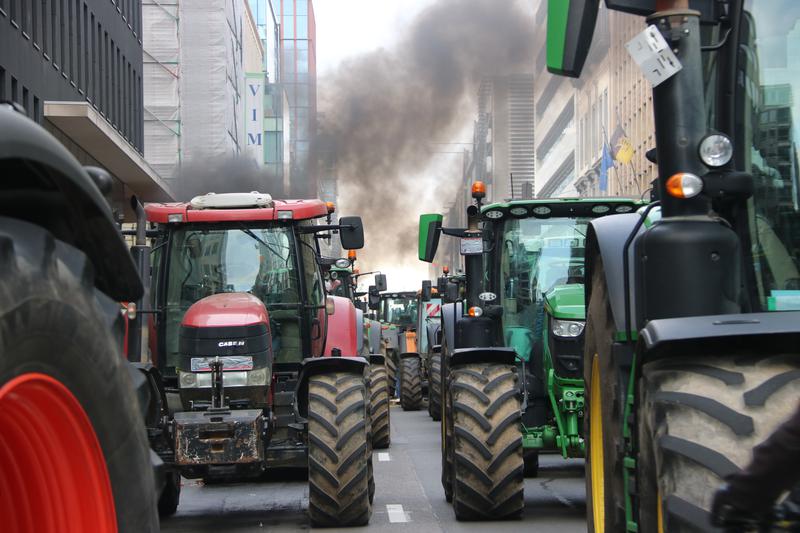
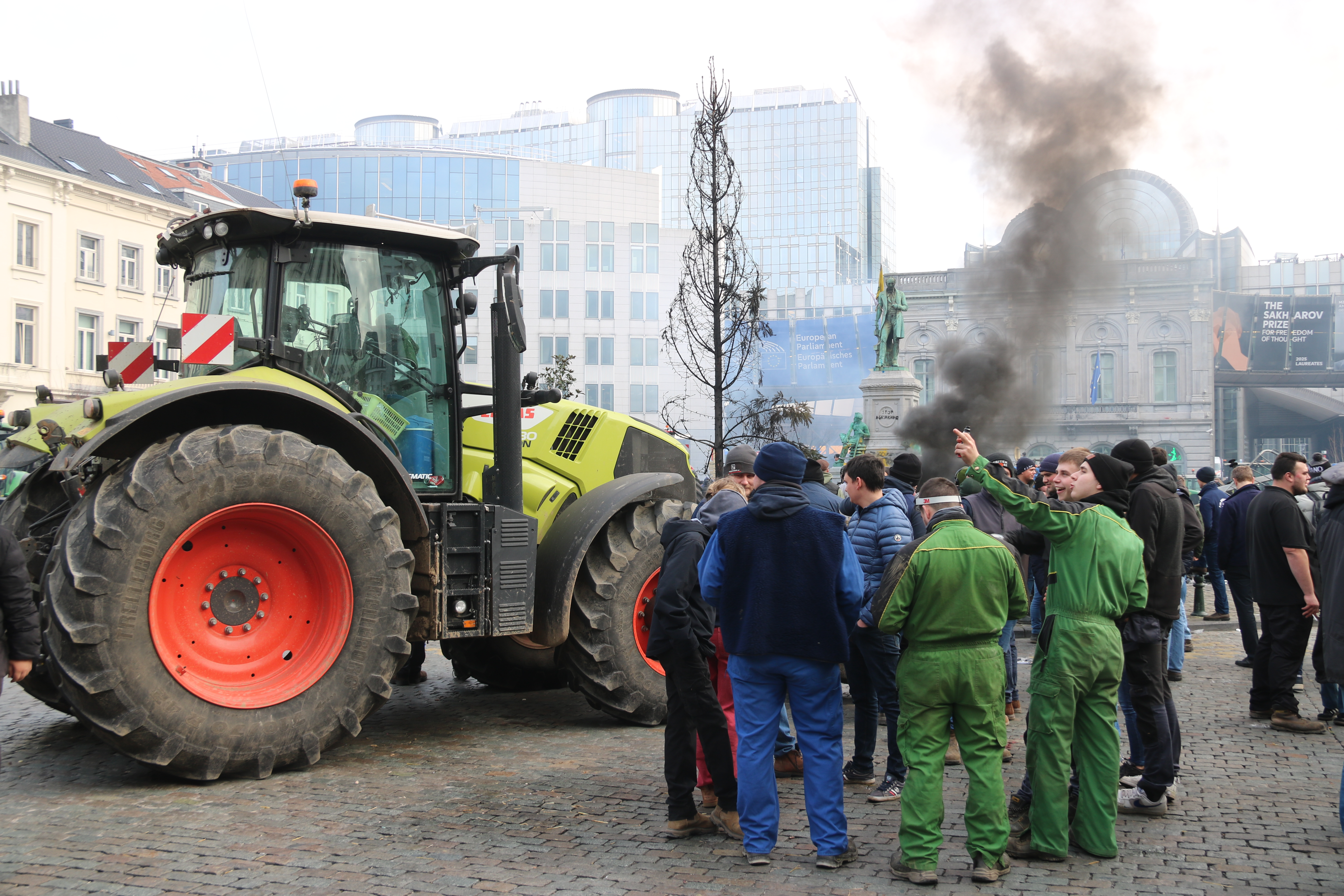
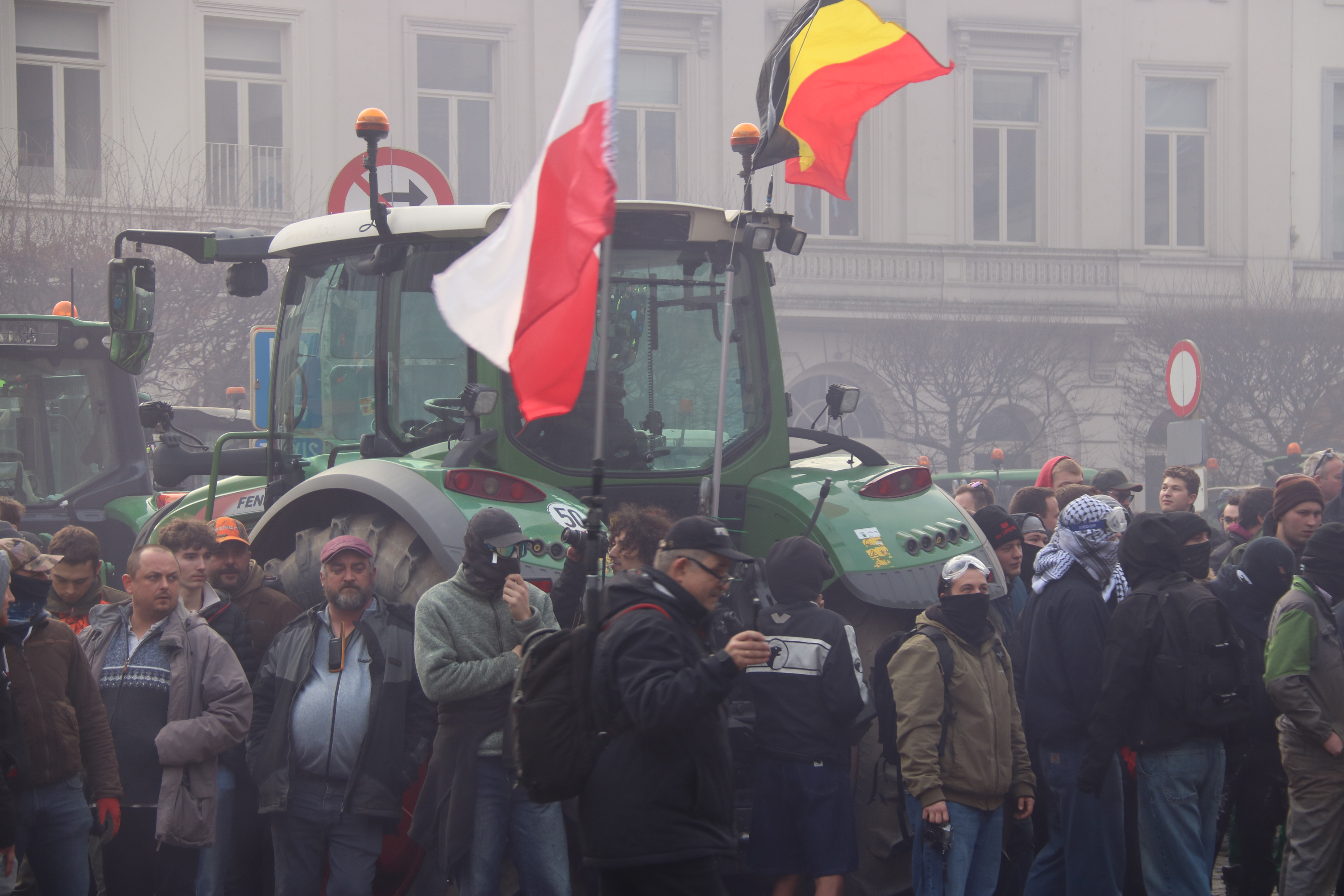
However, the safeguard clauses failed to convince farmers, who took to the streets this week, flooding Brussels with their tractors to protest the agreement.
One of their key demands, supported by France, was not included: mirror clauses that would require Mercosur countries to respect EU production standards.
Calls to scrap the deal
Reacting to the delay, Pere Roqué, president of the Agrarian Association of Young Farmers (ASAJA), called for an end to the negotiations, saying that Catalonia "cannot afford" the entry of products that do not meet EU standards.
"This has to be the endpoint. We cannot accept products produced in ways completely different from ours," he said.
Jaume Bernis, spokesperson for Young Farmers and Ranchers of Catalonia (JARC), hailed farmers' "feat" in halting the agreement, which, he said, highlighted "the abysmal differences between the conditions of Catalan farmers and those in these four countries."
The Farmers’ Union also demanded that the European Commission not sign the deal "unless there are stronger guarantees" to ensure Mercosur countries "fully comply" with mirror clauses on labour conditions, and allow independent inspection bodies to verify compliance.
"Neither the primary sector in Catalonia nor in Spain is ready to face a deal with Mercosur. For years we have been required to work socially, follow organic standards, and protect biodiversity. The rest of the world is not doing the same," spokesperson Carles Vicente added.
Spain remains in favour
But despite the farmers' complaints, Spain remains one of the countries in favour of the agreement.
Spanish PM Pedro Sánchez, a supporter of the deal, downplayed the delay but vowed that the EU would finalise the agreement.
"If we have waited 25 years, we can wait another one," he said. "Mercosur countries have shown enough patience. Now is the time to conclude the deal."
Pending Italy's decision, sources at the European Commission told the Catalan News Agency (ACN) that the deal is expected to be signed in January, with farmers vowing further protests if their conditions are not met.