Catalonia bans access to natural areas in 91 municipalities until December 14 over African swine fever
Entry to natural parks, forests, rivers, meadows, and farmland prohibited, though agricultural activity is allowed
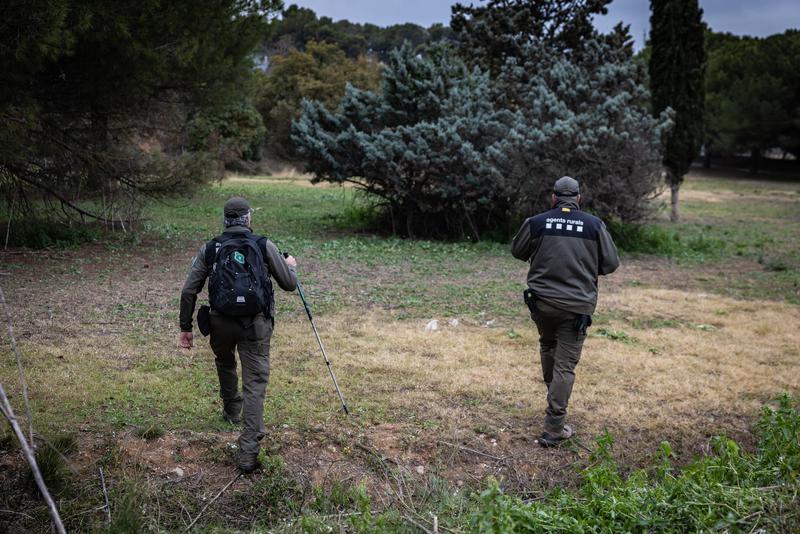

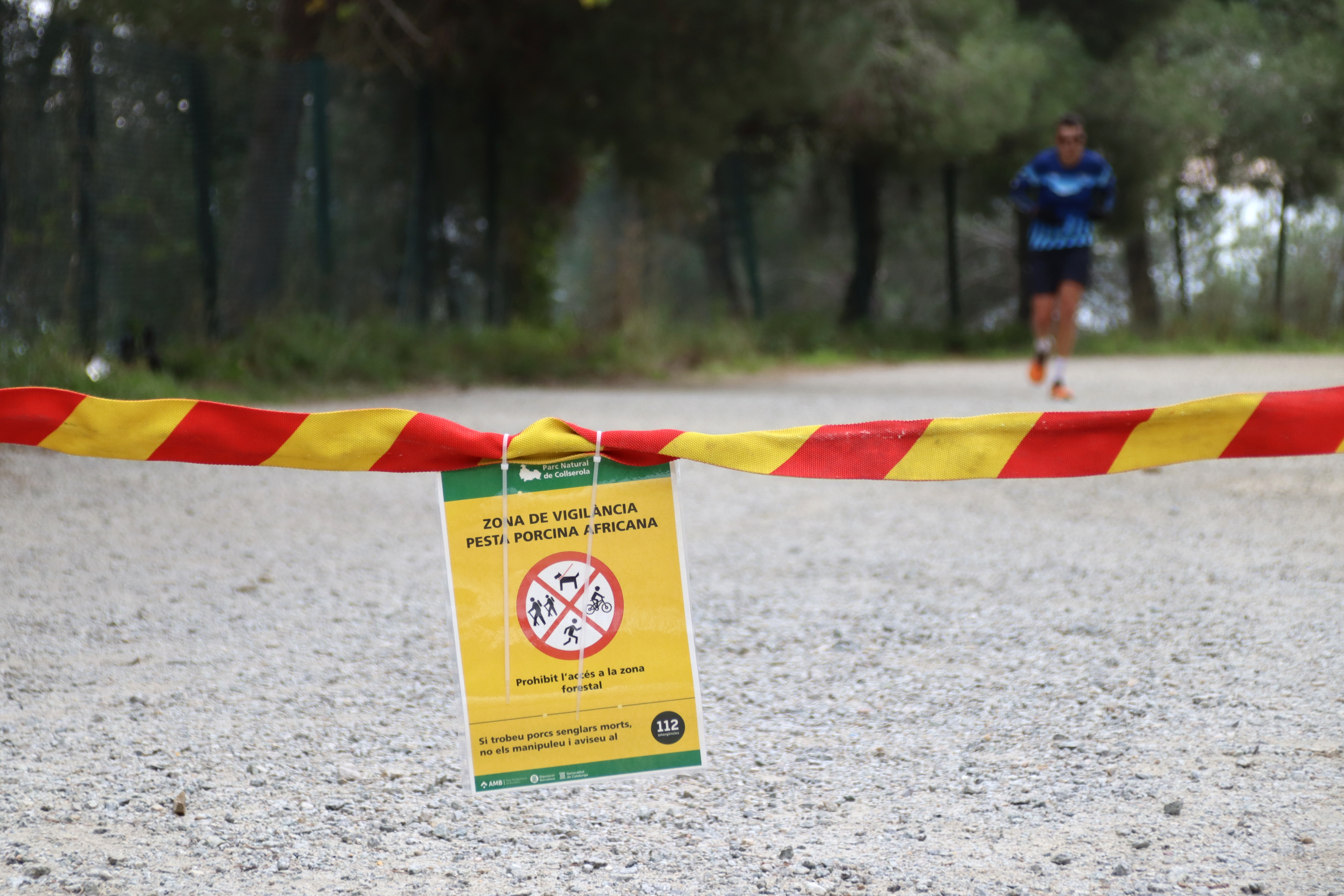
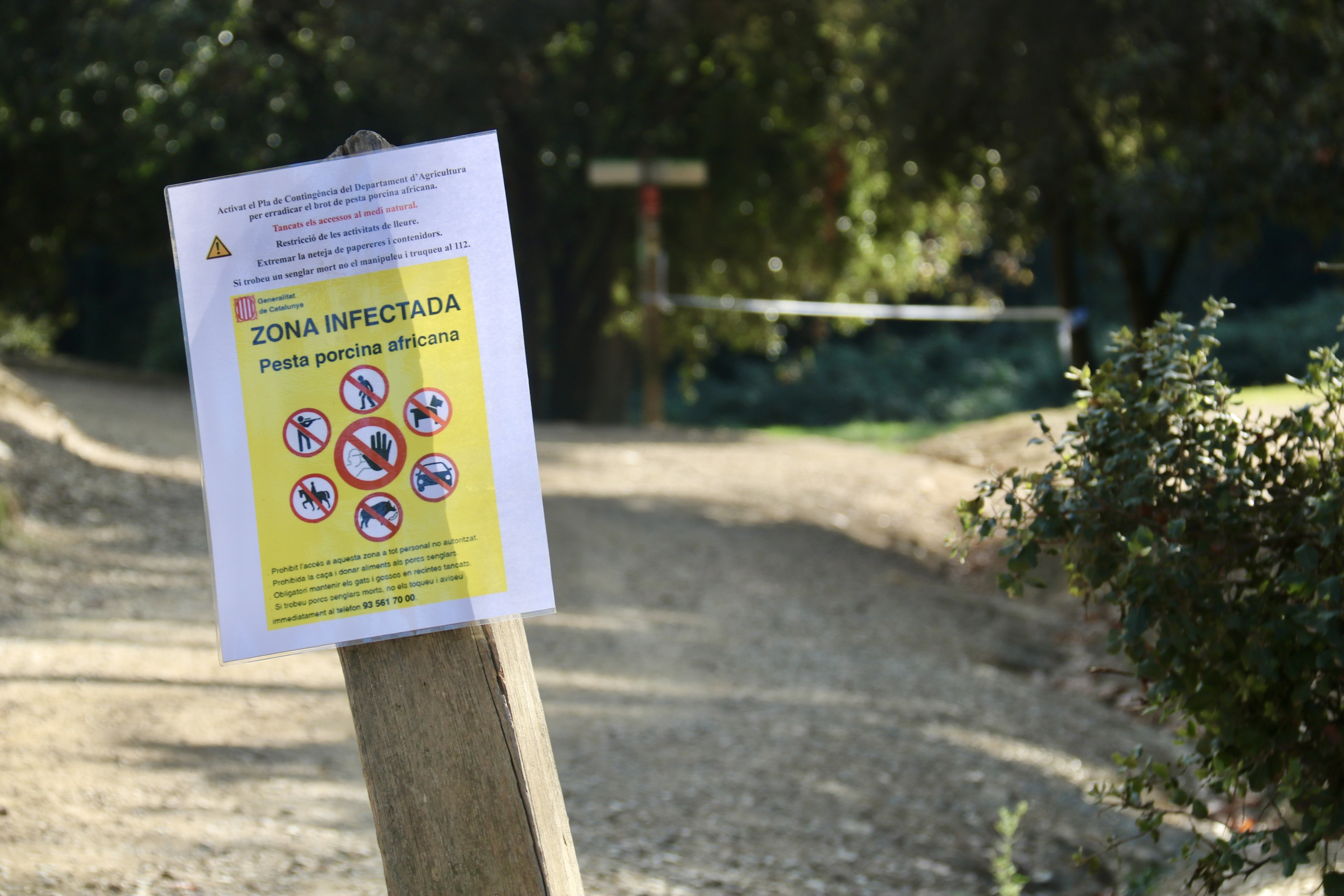
The Catalan government has extended a ban on access to natural areas affected by African swine fever until December 14.
The ban covers 91 municipalities listed by the European Commission – including Barcelona and the surrounding area.
Recreational activities, hunting, and forestry work are prohibited.
To clarify the new measures, authorities have replaced the previous radius-based system with high-risk and low-risk zones, encompassing 12 and 79 municipalities, respectively.
Access to natural parks, forests, rivers, meadows, and farmland outside urban areas is banned, though agricultural activity is still allowed.
Residents who need to pass through restricted areas to reach homes, restaurants, or sports facilities, such as riding schools, must disinfect their vehicles.
The Catalan government will provide disinfection points and guidance for businesses and residents to limit the spread of the disease.
Four further cases
One week after the first wild boar in Catalonia tested positive for African swine fever, authorities have confirmed four further cases, bringing the total to 13.
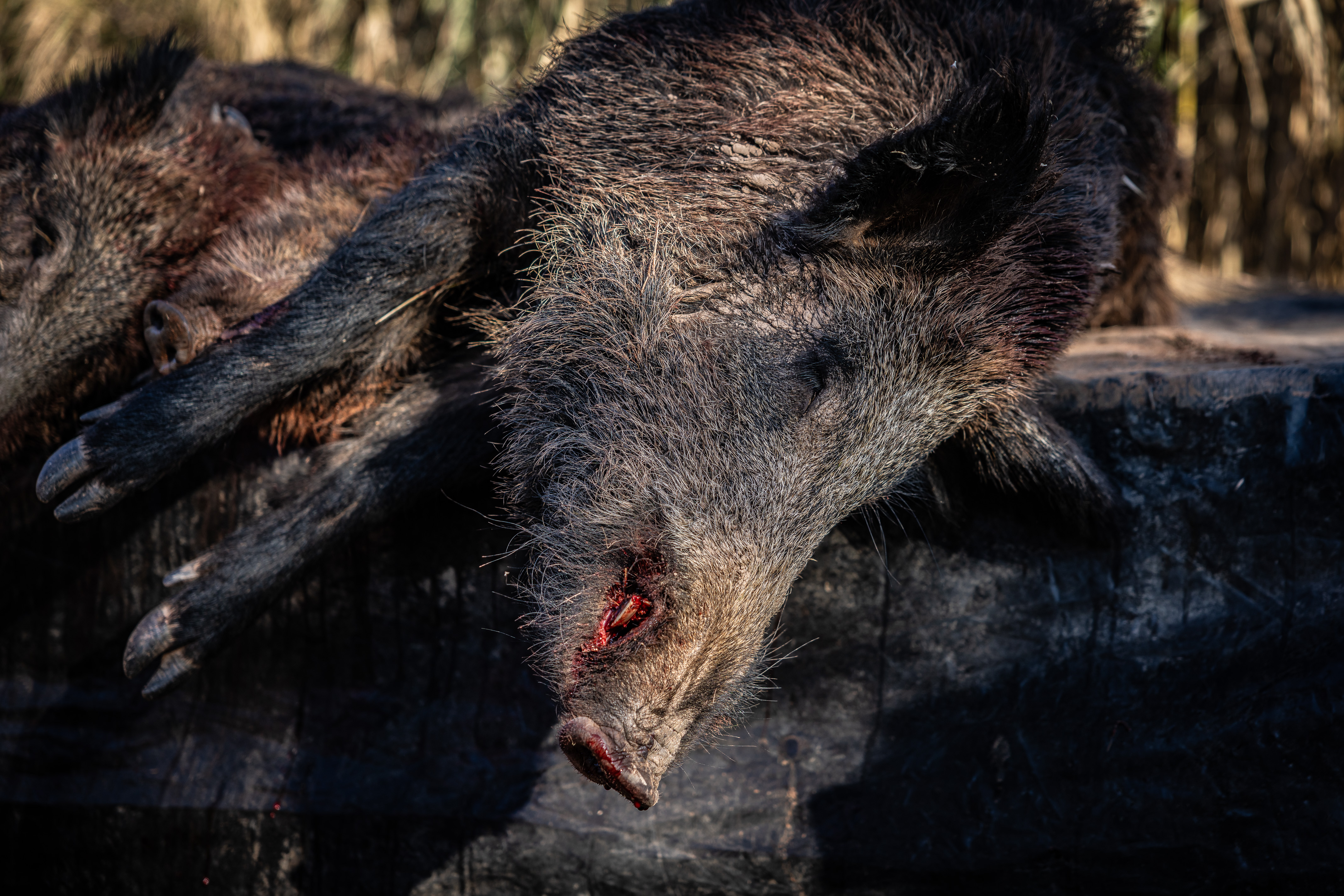
The new infections were all found within a six-kilometre radius of the initial detection zone in the municipality of Cerdanyola del Vallès.
Officials say they are encouraged that the outbreak remains confined to the original perimeter. "We are doing things well," said Catalan agriculture minister Òscar Ordeig.
More than 700 personnel have been working around the clock in the containment zone over the past week.
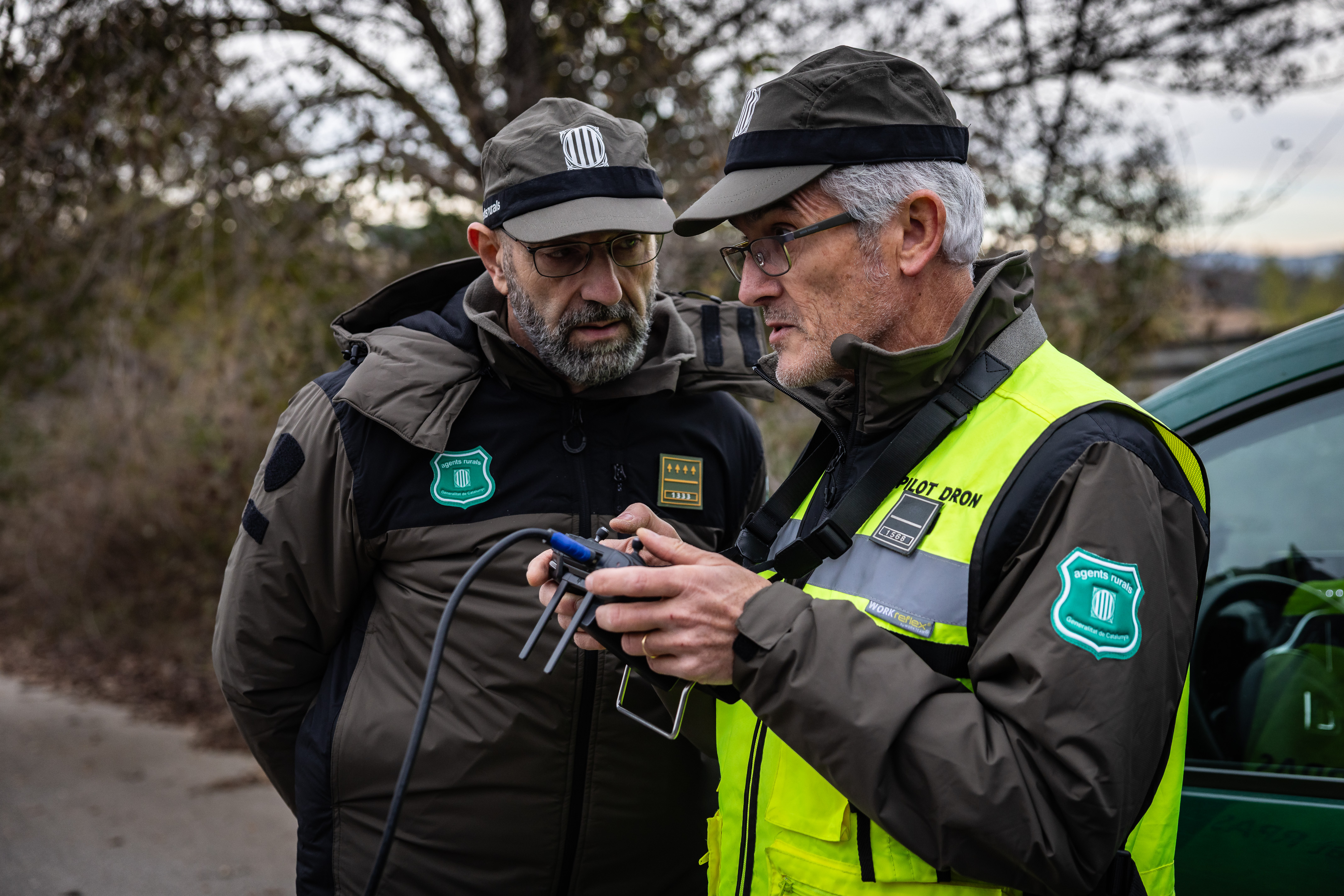
The 39 farms located there have undergone rigorous checks, and none has shown signs of infection. No domestic pigs, which is the authorities' main concern, have tested positive.
Ordeig said the number of infected wild boar carcasses found has "drastically decreased" in just a week, insisting that "the right measures" are being taken.
The minister explained that the European Commission has authorised the controlled culling of wild boars, carried out from elevated positions and using silencers.
This operation is taking place in the second containment zone, between 6km and 20km from the epicentre, as doing so within the inner zone could scare the animals and push them beyond the controlled perimeter.
"Wild boar have an excellent sense of smell and hearing, and any stress or threat can make them travel kilometres and kilometres," he warned.
Pork meat prices continue to fall
During the crisis, all eyes are on Mercolleida in Lleida, western Catalonia, Spain’s reference livestock market and one of the most important in Europe for fattening pigs and weaners.
Under normal circumstances, the weekly meeting at Mercolleida, which brings together the giants of the pork industry, already attracts widespread attention. Now, the focus is even sharper.
On Thursday, the market lowered pork meat prices by 10 cents per kilogram and warned that the situation "remains severe."
Although bilateral negotiations with countries like China have been successful, and imports were only halted from the Barcelona area, industry leaders remain concerned.

They are calling for the culling of all wild boars in the Collserola area and for the "emptying of all fattening farms," arguing that the entire sector supports this measure.
"We are all aware of the seriousness of the situation," said Mercolleida director general Miquel Àngel Bergés. "The only way to ensure the virus does not escape the area and spread to other regions is by culling the wild boars."
Bergés highlighted that one of the main challenges facing the pork sector is that the storage capacity for frozen meat at exporters, not just in Catalonia, but across Spain, is "reaching its limits."
He says it is a "matter of days" before freezers reach maximum capacity.
450 workers laid off
More than 450 employees in the pork sector in Sant Eugènia de Berga, central Catalonia, are set to be temporarily laid off due to the African swine fever outbreak.
According to the Catalan News Agency (ACN) and confirmed by the Work Department, the company GCT Plus has invoked force majeure to suspend 458 employees, with the decision now pending approval from the authorities.
The affected workers are employed by companies including Grupo Jorge, Le Porc, and Rivasam. This is so far the only temporary layoff filing received by the Work Department since the outbreak began, which now has five days to decide whether to approve the suspension.