EU expands African swine fever restriction zone in Catalonia to 91 municipalities
Restrictions prohibit exports from this area and require implementation of 'provisional emergency measures' to contain disease
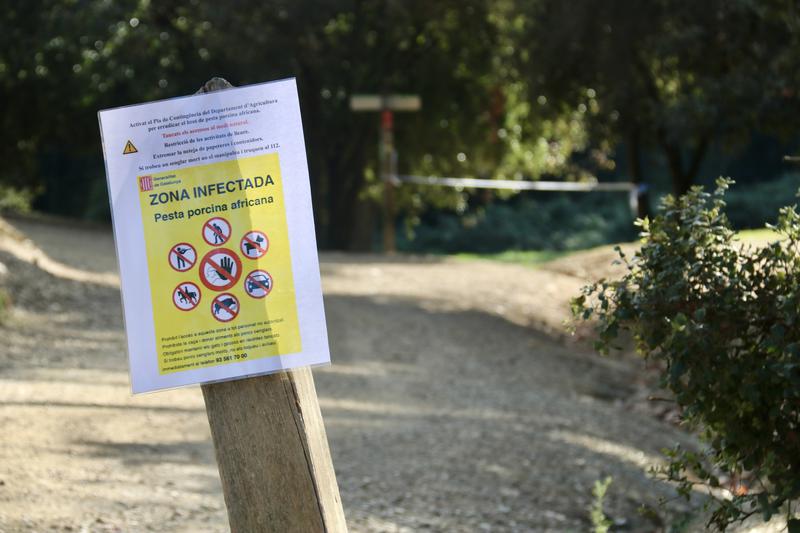

The European Commission announced on Thursday that it is expanding the restriction zone for African swine fever in Catalonia.
Until now, the restricted area covered a 20-kilometer radius around the locations where cases were detected near Collserola Natural Park, just outside Barcelona.
The EU has now widened this zone to 91 municipalities, nearly a third of all towns in the province of Barcelona and spanning eight counties.
The restrictions prohibit exports from this area and require the implementation of "provisional emergency measures" to contain the disease, to be in place until February 28.
The affected municipalities include 23 in Vallès Occidental, 20 in Vallès Oriental, 27 in Baix Llobregat, 5 in Barcelonès, 10 in Maresme, and 2 each in Alt Penedès, Anoia, and Bages.
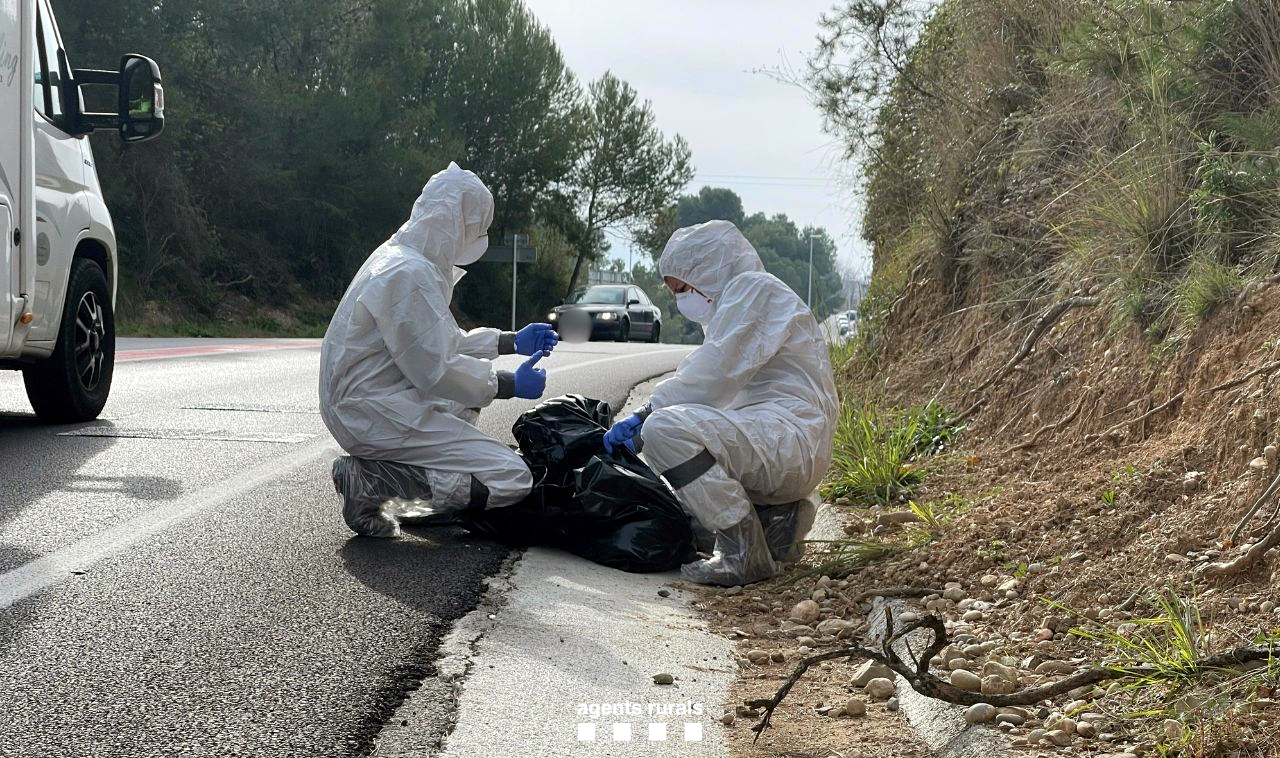
According to Òscar Ordeig, Catalonia's agriculture minister, the difference in criteria is due to Brussels choosing to include every municipality that falls even slightly within the radius, whereas the Catalan government only included those most affected.
Osona region excluded
Despite being part of the province of Barcelona, Osona, one of Catalonia’s most important pork-producing regions, has been excluded from the EU’s restriction zone.
This decision, aimed at making the restrictions as targeted as possible, was one of the main demands of the Catalan pork sector as it seeks to mitigate the economic impact of the crisis.
With this measure, farms in Osona, the second-largest county in Catalonia in number of pig farms, will still be able to export to other European countries.
The pork industry accounts for one third of the region’s economy, and when the entire production chain is factored in, it represents 55% of total turnover in the area.
€3 billion industry at risk
The EU’s decision is particularly significant because many non-EU countries with regionalization agreements apply the same restricted areas defined by Brussels, including the United Kingdom.
China, however, chose to ban imports from the entire province of Barcelona, affecting €206 million in sales that farms in the area export to the Asian giant.
Because of the outbreak near Collserola, Spain has lost its status as an African swine fever–free country. The status that can only be recovered 12 months after the last confirmed case.
All detected cases so far have been found in wild boars within the natural park, and none in pigs from the 39 nearby farms. Although around 50 wild boar carcasses have been discovered, only 9 cases have been confirmed.
From the start, authorities have warned that if the outbreak were to spread to domestic pig farms, the economic consequences for Catalonia could be severe, particularly for producers exporting outside the EU, whose sales exceed €1 billion.
Chile and Philippines accept EU zone
Ordeig said on Thursday that the European Commission's decision to expand the number of municipalities affected by African swine fever does not change the 20-kilometre containment radius, meaning the regionalization of pork exports to the European Union remains the same.
Catalonia's agriculture minister also announced that Chile and the Philippines have accepted the EU's regionalization criteria, and negotiations are ongoing with Serbia and South Korea.
Negotiations are proving most challenging with Japan, Vietnam, and Malaysia.
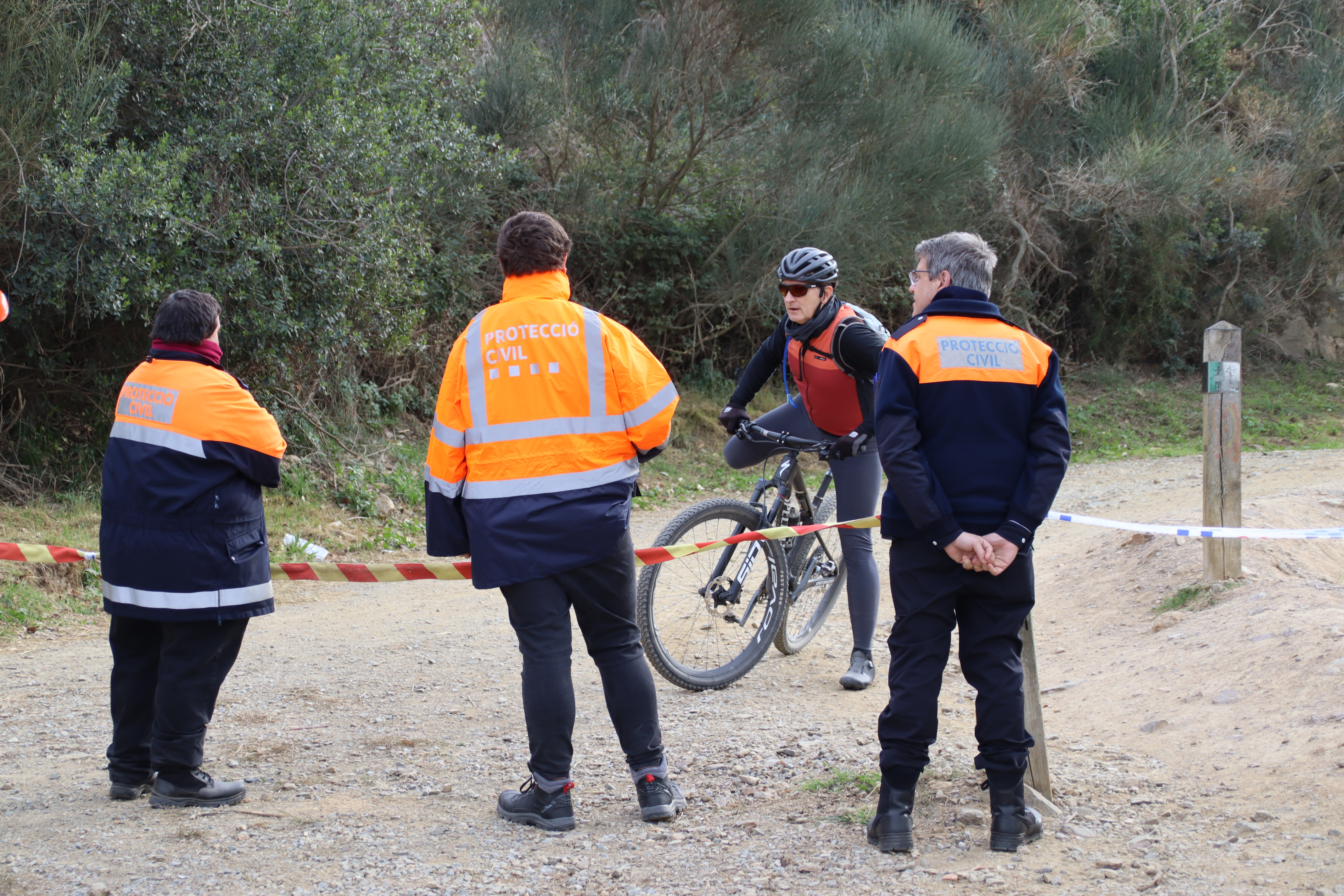
The number of personnel working on tasks within the affected radius has risen to around 1,000.
Ordeig said that European experts have given an overall "very positive" assessment of Catalonia's response and were "very surprised by the amount of resources" being deployed and the speed of the actions taken.
Drop in pork prices
The outbreak has already caused a drop in pork prices and put farms and slaughterhouses under strain. In fact, the meat company Jorge announced on Wednesday that it would lay off 300 temporary workers hired through an employment agency due to the impact of the crisis.
The Farmers Union (Unió de Pagesos) warned that the pork sector must be preserved "at all costs" because of its importance to the agri-food industry, while the CCOO union called for "urgent measures" to protect jobs, warning that thousands of pork sector positions are at risk.
Aid
In response to these demands from the sector affected by the outbreak, the Catalan government announced on Monday the launch of the first aid package, including a €10 million fund, expandable by another €10 million, to help farmers deal with the consequences of African swine fever.