Researchers suggest Catalonia may be an area conductive to long life
Manel Esteller says long life comes down to diet and a 'favorable climate'
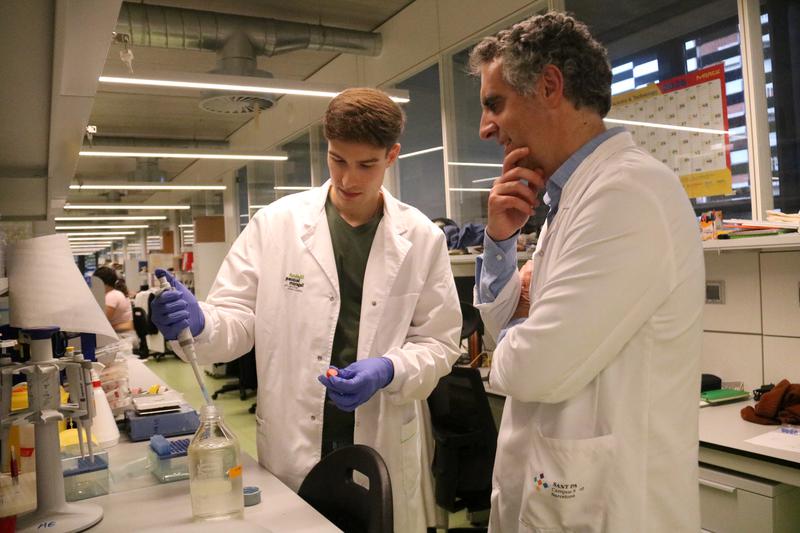

Researcher Manel Esteller speculates that central Catalonia might be an area particularly conducive to long life.
"Perhaps there is a 'blue zone' between Olot and Vic," said Esteller, head of the Cancer Epigenetics group at the Sant Pau Research Institute in Barcelona. ‘Blue zones’ are the half-dozen areas worldwide known for exceptionally high life expectancy.
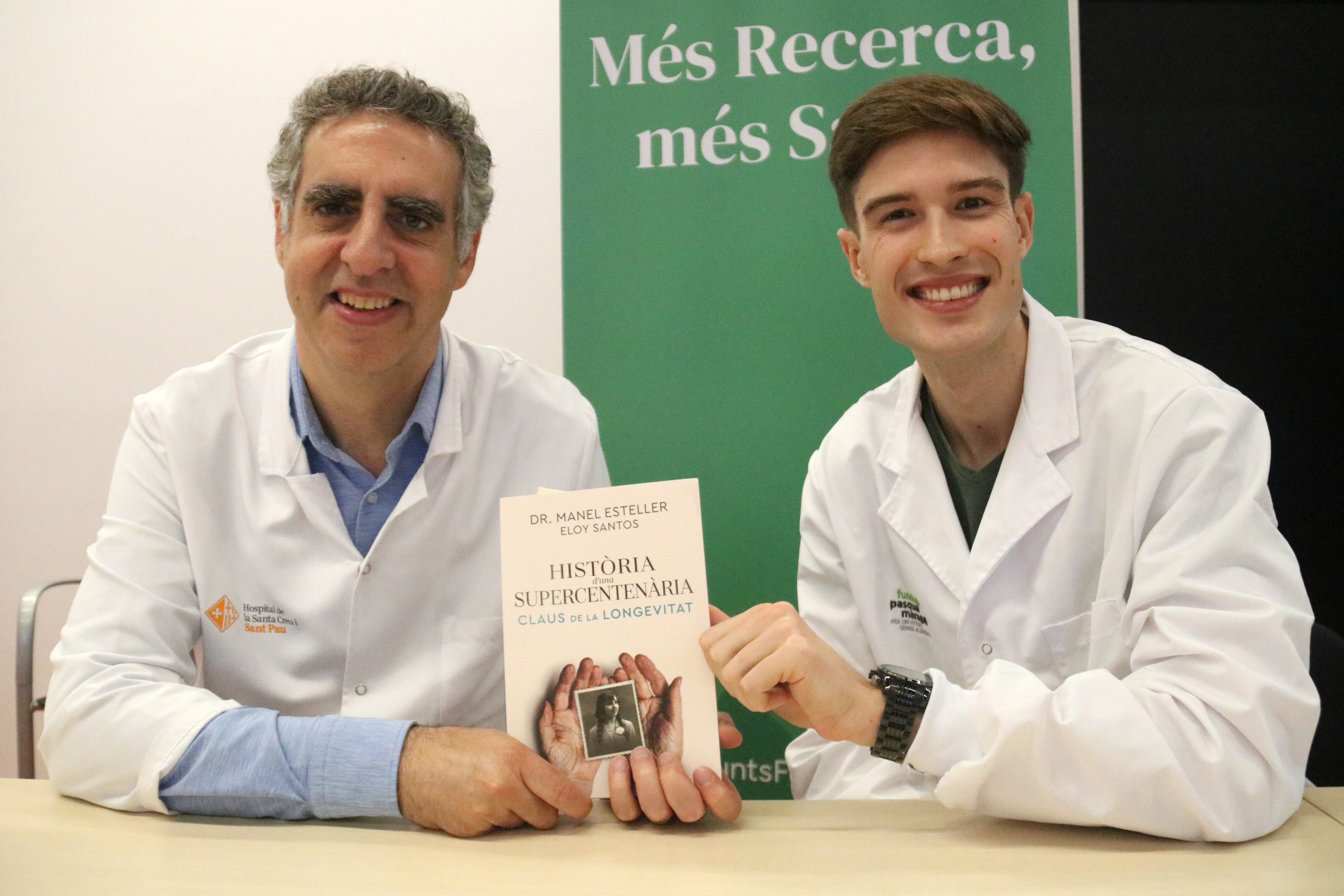
In an interview with the Catalan News Agency (ACN) about his book "Història d'una supercentenària" (RBA), a title that translates to "Story of a Supercentenarian," Esteller linked longevity to diet and a "favorable climate."
He co-wrote the book with researcher Eloy Santos and it details their study of Maria Branyas, who died at age 117 in 2024
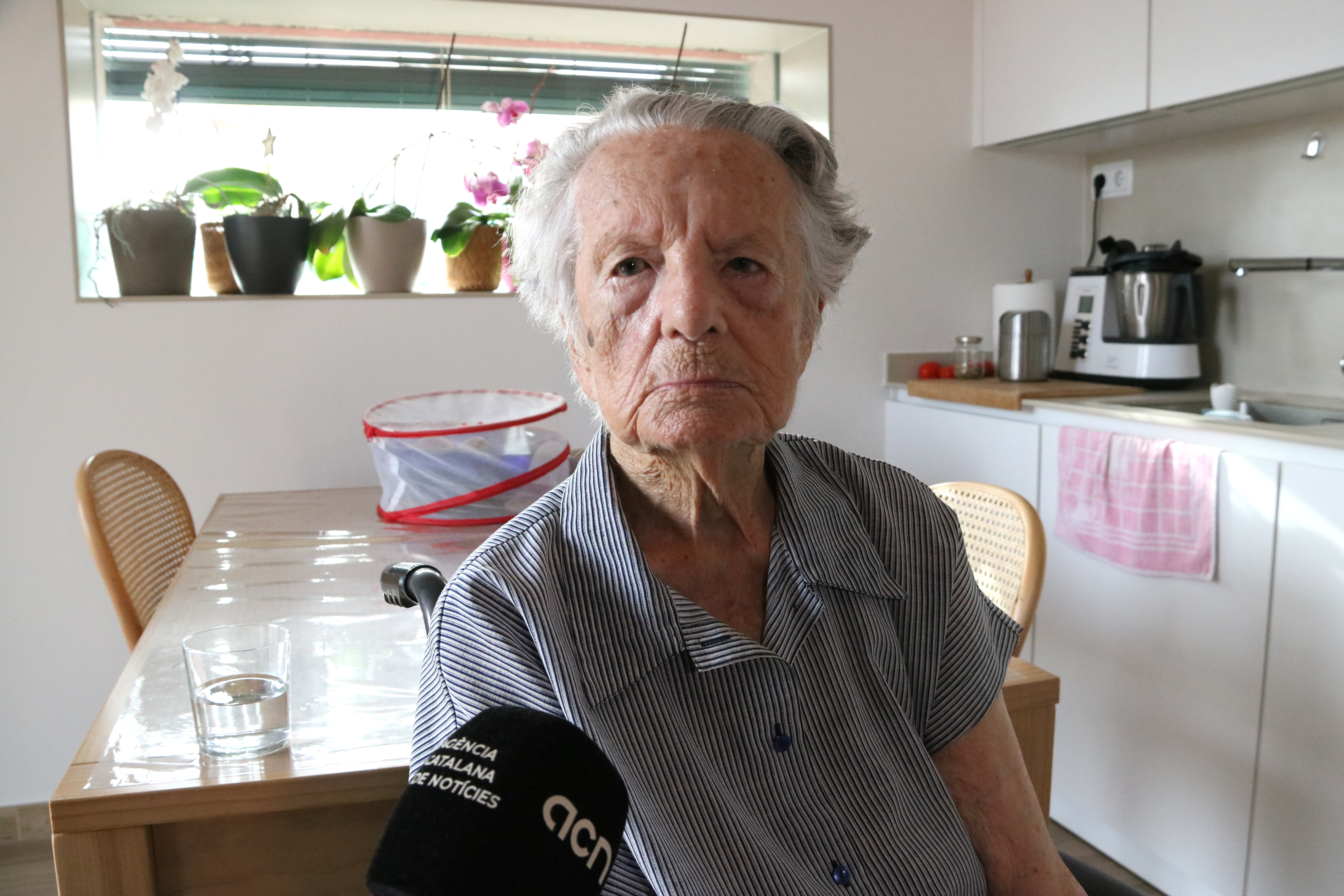
Branyas became the world's oldest person, and spent most of her life in the Girona region, including her final decades in Olot. Catalonia's current oldest living person, 112-year-old Carme Noguera, lives in Taradell, in the Osona region.
Habits that work in one's favor
The book chronicles Branyas's life: her birth in San Francisco in 1907, her return to Catalonia during World War I, her marriage and the children she raised, and finally her years in a care home in Olot.
Esteller and Santos said certain habits contributed to her longevity and her quality of life. They include playing the piano, reading, writing, crocheting, walking, staying physically agile and keeping in touch with nature and the sea.
"These are activities that foster greater connectivity between neurons," Esteller said. The book also notes that activities requiring concentration help promote a longer, healthier life.
A close, stable social circle also benefited her immune system and overall health, as did the resilience and adaptability to manage stress and grief and a balanced diet.
The scientists also found that Branyas had the gut microbiome of a young person, as well as low levels of lipid-related biomarkers often linked to poor health, such as certain fatty acids and cholesterol.
Esteller estimates that longevity is determined 50% by a person's genome and 50% by the habits cultivated through life.
About one in 10 people, he said, is born at a disadvantage. Because of their genes, they face poor life expectancy prospects no matter what their habits are. For everyone else, the length of life depends on "their environment, habits, or lifestyle."
Loneliness: a detrimental factor
The researchers said a close-knit family and social circle worked in Branyas's favor, helping her become the eighth longest-lived person in recorded history.
Living alone can be a negative factor, they said, because there is a greater risk of not keeping regular meal times or consistent sleep patterns, and regular routines are considered beneficial in general.
"Living alone can also mean that medical treatments are not followed as they should be," Esteller said, since there may be no one to remind a person when to take medication or attend doctor's appointments.
Santos added that it is not just a matter of "socializing; it is also about having someone to look after you, especially in the final stage of life."
Given the importance of care, Esteller said that "the effective implementation of the Dependency Law is a national necessity." The law is Spain's long-term care legislation. He called for more resources to go toward it instead of being "squandered" in other areas.
Adapting to bad news and stress
The scientists' work also highlights Branyas's ability to handle the inevitable bad news of life.
"She was quite chameleonic, depending on the life situation she found herself in, she knew how to adapt perfectly," Santos said. According to him, Branyas was able to "overcome" challenges such as the loss of her parents and of a child by always "looking for the practical side" of the situation.
Strength, adaptability and resilience are valuable assets, as is the ability to regulate stress and grief. When these are managed well, they have a smaller impact on the immune system and overall health, the book explains.
Nutrition as 'preventive medicine'
Diet also stands out as a decisive factor because it "alters the patterns of human disease."
Certain foods are linked to cancer, for example, while Branyas's light and varied diet worked in her favor. Esteller recommends a diet with a mix of components, such as vegetables and fish, and suggests "populating the gut microbiota with anti-inflammatory bacteria" by eating fermented foods like yogurt.