Film schools in Catalonia train talent behind major productions
Catalan cinema is thriving creatively, but still needs stronger commercial development


Local film schools are playing a growing role in the international success of Catalan cinema, training the filmmakers and technicians behind some of the industry's most acclaimed productions.
The recent Oscar nominations for the Catalan co-production 'Sirât' illustrate the trend. The movie will compete in Los Angeles for Best International Feature Film and Best Sound.
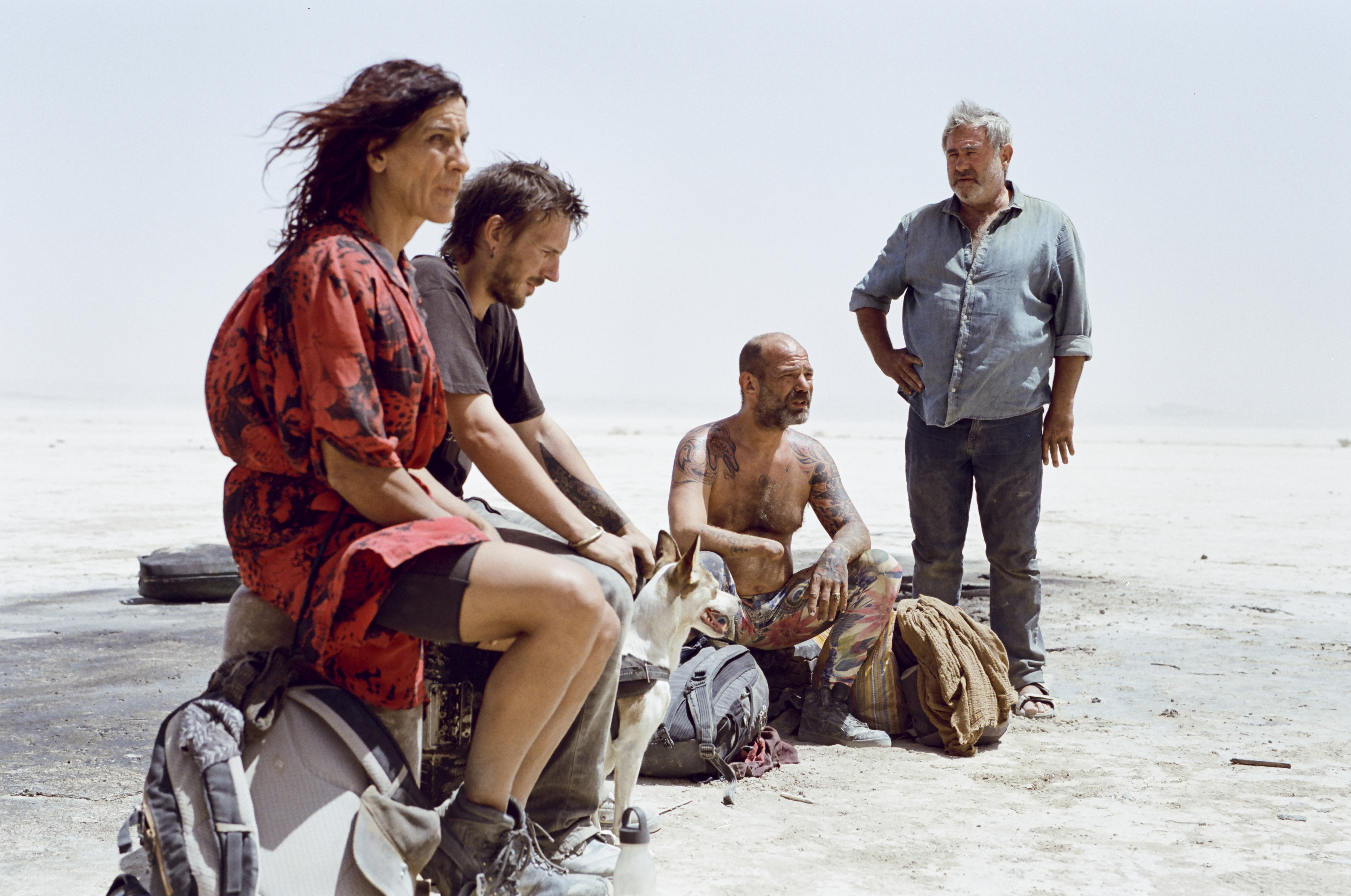
'Sirât' director Oliver Laxe studied audiovisual communication at Pompeu Fabra University (UPF) in Barcelona, while sound professionals Amanda Villavieja, Laia Casanovas, and Yasmina Pradera all trained at Catalan institutions including UPF, Catalonia Film and Audiovisual School (ESCAC), and the Center for Film Studies of Catalunya.
"The industry is structured and strengthened by technicians, not just directors," says ESCAC director Sergi Casamitjana citing the importance of sound in 'Sirât' as an example.
Alumni on the global stage
Catalonia's film schools have trained many professionals now working internationally.
One of the best-known alumni, J. A. Bayona, studied at ESCAC before directing major productions including 'The Impossible' and 'Jurassic World: Fallen Kingdom.'
'The Orphanage,' his debut feature, became an international success and launched his career abroad.
'Society of the Snow,' which tells the story of a 1972 plane crash in the Andes, picked up two Oscar nominations in 2024.

Mar Guerrero, director of audiovisual communication studies at UPF, says the success of many alumni is thanks to the strong creative community between students, faculty, and graduates.
She points to filmmakers such as Clara Roquet, Elena Martín, and Ariadna Dota as examples of the talent emerging from the university's ecosystem.
According to her, this ecosystem has helped foster a generation of filmmakers now gaining recognition both creatively and in the industry.
Catalan cinema's international moment
Titles such as 'Society of the Snow', 'Alcarràs', winner of the Berlin Film Festival's Golden Bear, and the box-office hit 'The 47' highlight the growing visibility of Catalan productions.
The 2026 Spain's Goya Awards saw a record number of Catalan productions among the nominees.
Industry experts say the next challenge is building a stronger economic base for the sector.
The director of ESCAC, Sergi Casamitjana, believes they are "weak when it comes to the more industrial side; there is a very high-quality film that is at A-list festivals and on streaming platforms, but we still need to understand this as an industry for making money. In other words, Catalan cinema still needs to make a lot more money than it does now."