Court sets 56-week deadline for MNAC to transfer Sixena murals to Aragon
Judge in Huesca shortens museum's proposed timeline, accepting prior technical studies carried out by Aragonese experts
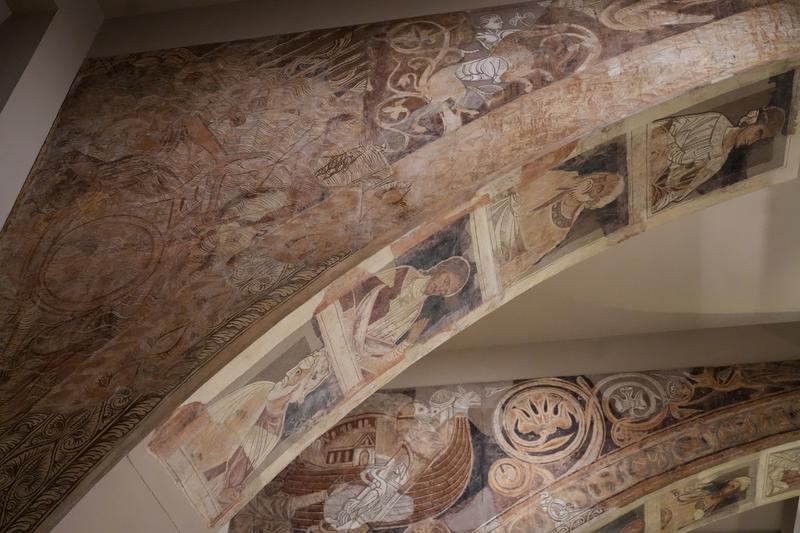

A court in Huesca has issued a ruling setting a 56-week deadline for the Catalan National Museum of Art Museu (MNAC) to transfer the Sixena murals to Catalonia's neighbouring region, Aragon.
The court also orders the Barcelona museum to provide ongoing and documented proof that it is complying with each stage of the transfer plan it submitted, which had set out a 64-week timetable for the operation.
The judge reduced the timeframe on the grounds that she accepts the validity of prior inspections of the paintings carried out by Aragonese technicians to prepare for the move.
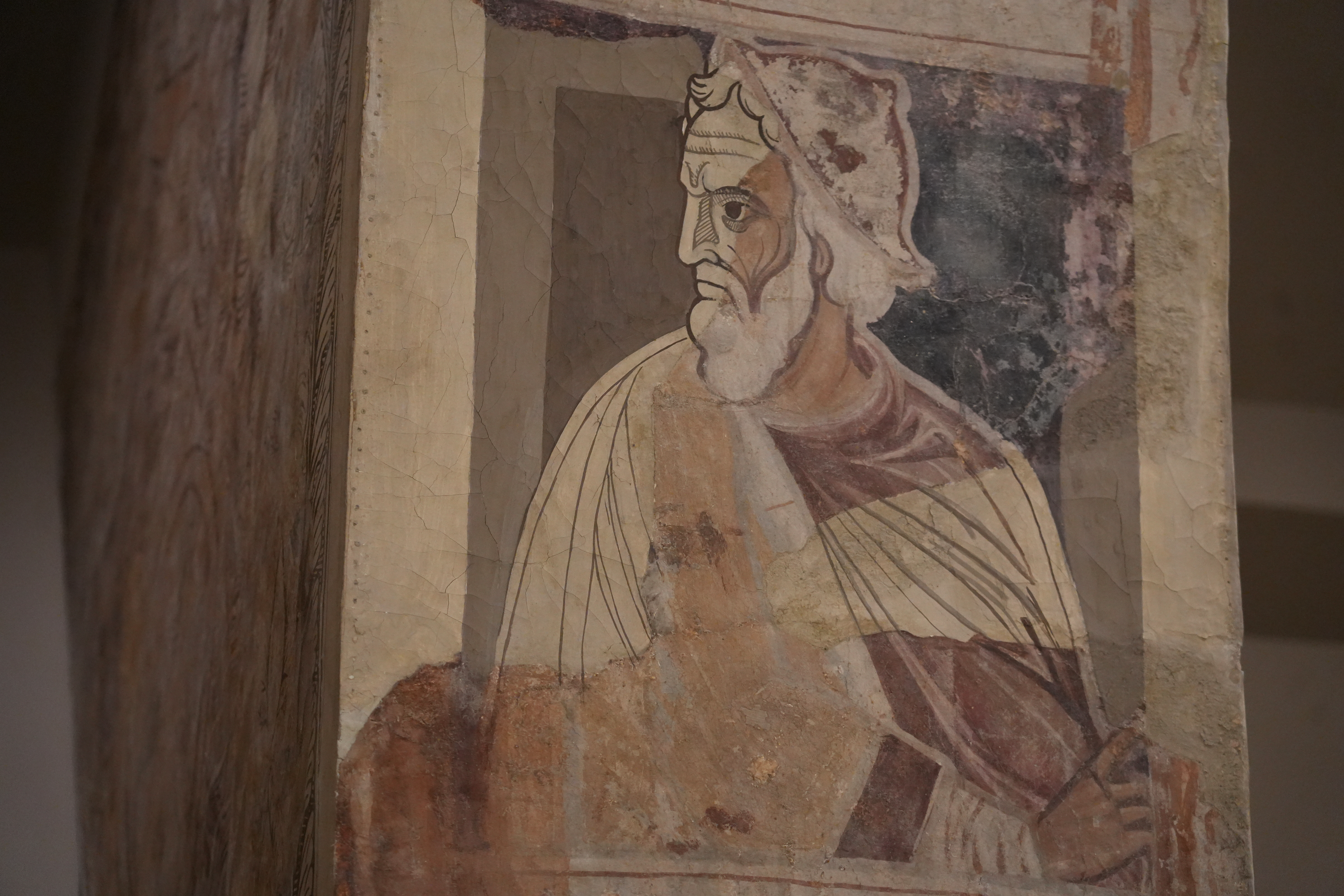
Aragon's director general of culture, Pedro Olloqui, said the ruling effectively opens the door to the enforcement of a Supreme Court judgment ordering the return of the Romanesque murals to the Monastery of Vilanova de Sixena.
The murals held at the MNAC must be delivered to Aragon no later than the week of May 10, 2027, according to the ruling issued on Monday by the Huesca court.
Sources at the MNAC said the museum was studying the decision.
The murals
The murals in question are from the Chapter House of the Sixena Monastery in Aragon and date back to the year 1200.
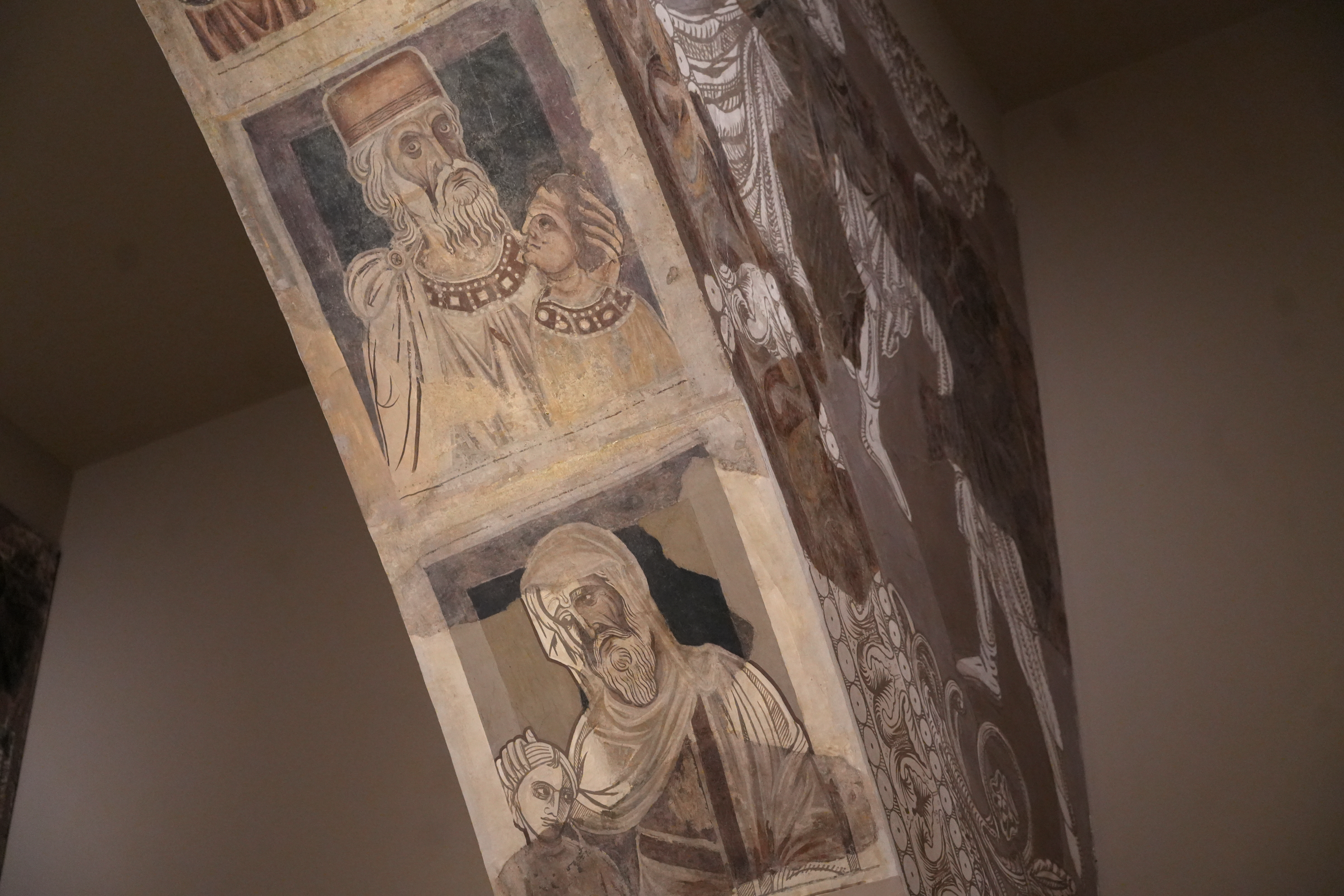
They are a "unique, most important example of medieval Hispanic art,” according to the MNAC, and depict scenes from the Old and the New Testament, including scenes of God showing Paradise to Adam and Eve, and the Resurrection of Christ.
All the Sixena artworks were part of a larger collection of more than a thousand items removed from the monastery during the Spanish Civil War and taken to Catalonia.
In 1936, the Sixena convent was set on fire, along with all the precious artifacts inside.
That very same year as the blaze, specialists took the art to Barcelona to safeguard and restore it. Some of the items were taken to the Lleida Museum, and others made it into the MNAC in 1940.
Press play below to listen to the Filling the Sink podcast on the Sixena frescos, or subscribe on Apple Podcasts, YouTube or Spotify.