Carnival 2026: your complete guide to the week-long celebrations
A week of parades, food fights, and festive fun arrives in Catalonia
Please note that some activities may be subject to change, as strong winds are affecting Catalonia.
Celebrated all over Catalonia, February 12-18, this year's Carnival will once again be an unmissable event. Barcelona, along with cities and villages across the country, will be filled with color, dancers, festive food, and music.
But why is it celebrated in the first place?
Carnival has its roots in the Christian calendar and the tradition of Lent, the period of fasting before Easter. Historically, it marked the last chance to enjoy food, festivity, and excess before the restrictive fasting. This is why it developed into a public celebration filled with parades, costumes, and satire.
In Spain, Carnival also carries a particular historical weight, as it was banned during the Franco dictatorship and later returned as a symbol of regained public celebration.
Thursday, February 12
It all begins on Thursday, February 12. This day is traditionally known as "Fat Thursday", or "Dijous Gras" in Catalan.
On this day, the Carnival King and/or Queen arrives in each town during the ‘L’Arribo’ (The Arrival) event to kick off the festivities, followed by lively parades with music and dancing.
The arrival of the kings and queens is not the only way to the Carnival festivities. Nearby towns like Vilanova i la Geltrú, a coastal town south of Barcelona, start the celebrations a bit differently.
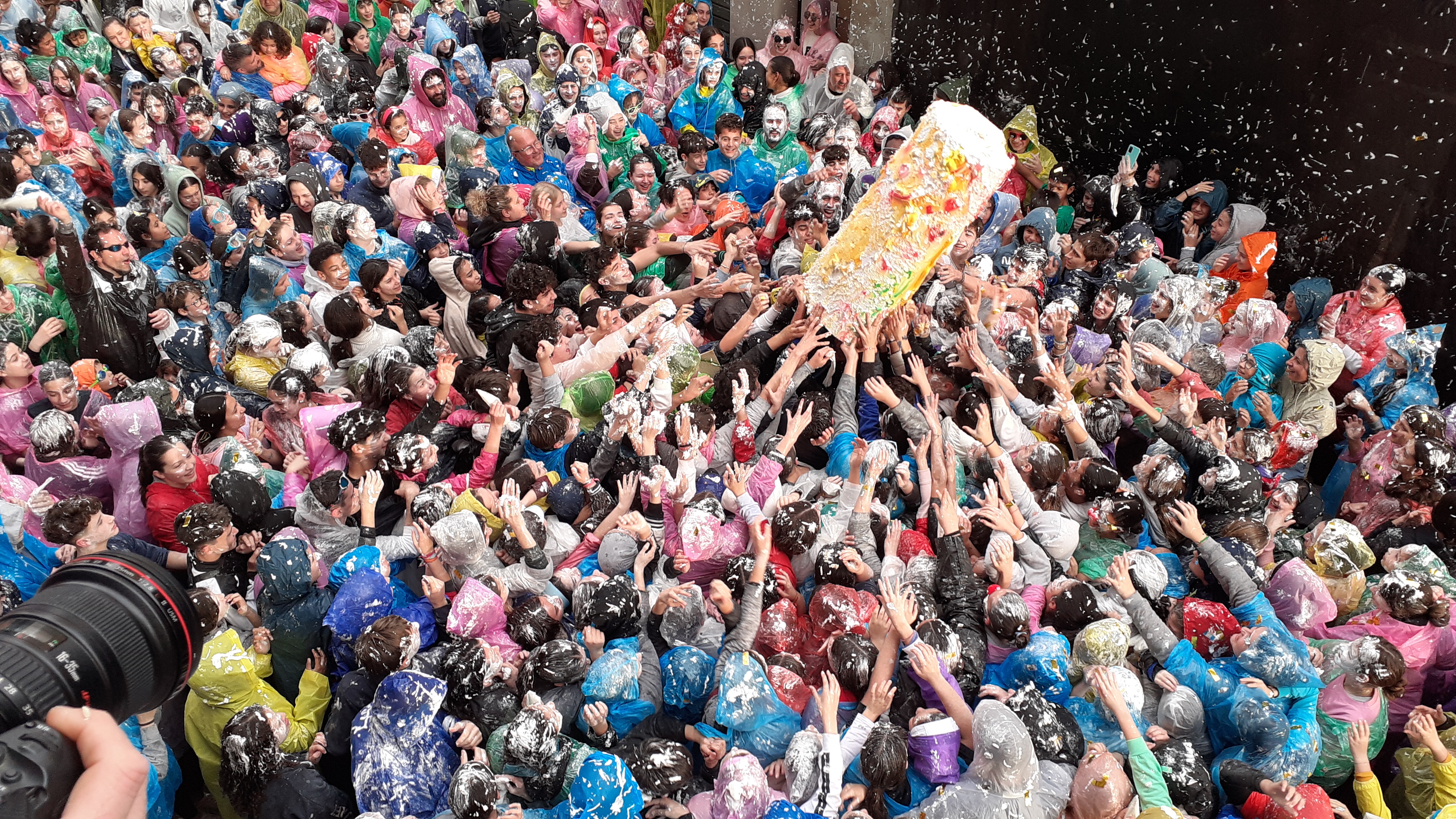
There , you'll find what locals call 'La Merengada' – a massive meringue food fight. Children (and more than a few adults) will gather at 5:30 pm in front of Blanch bakery on Avinguda Francesc Macià, 43, to partake in the annual sticky dessert hurling ritual.
Friday, February 13
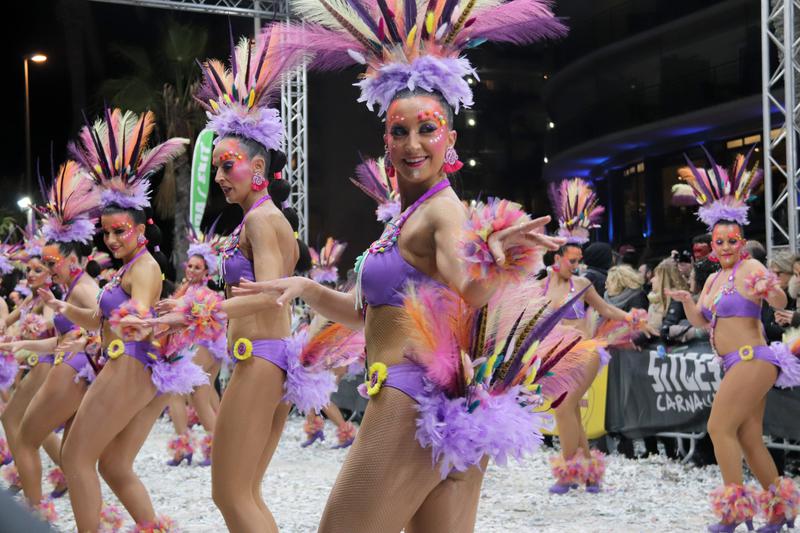
On Friday, Sitges, the coastal village south of Barcelona famous for its Carnival celebrations, kicks off the main weekend programme with the 'Rua d'Abans', or "the parade from before".
This is a colourful procession that focuses on how carnival used to be celebrated. Participants are encouraged to wear the first thing they find before heading out the door.
In Barcelona, different neighbourhoods continue with their own local parades and processions. In Raval, the parade 'Ravalstoltada' will start at 6pm at the Rambla de Raval.
Friday in particular is a big deal for schoolchildren in Catalonia as it is a day they'll be sure to dress up for parades in their hometowns. This comes, of course, after a week of very specific attire at school: pajama day, mismatched socks day… you get the picture.
Saturday, February 14
On Saturday, Sitges hosts the popular 'Bed Race', a playful event in which teams compete by pushing decorated beds through the town.
At the same time, Barcelona and other towns across Catalonia continue to celebrate with several parades and neighbourhood festivities.
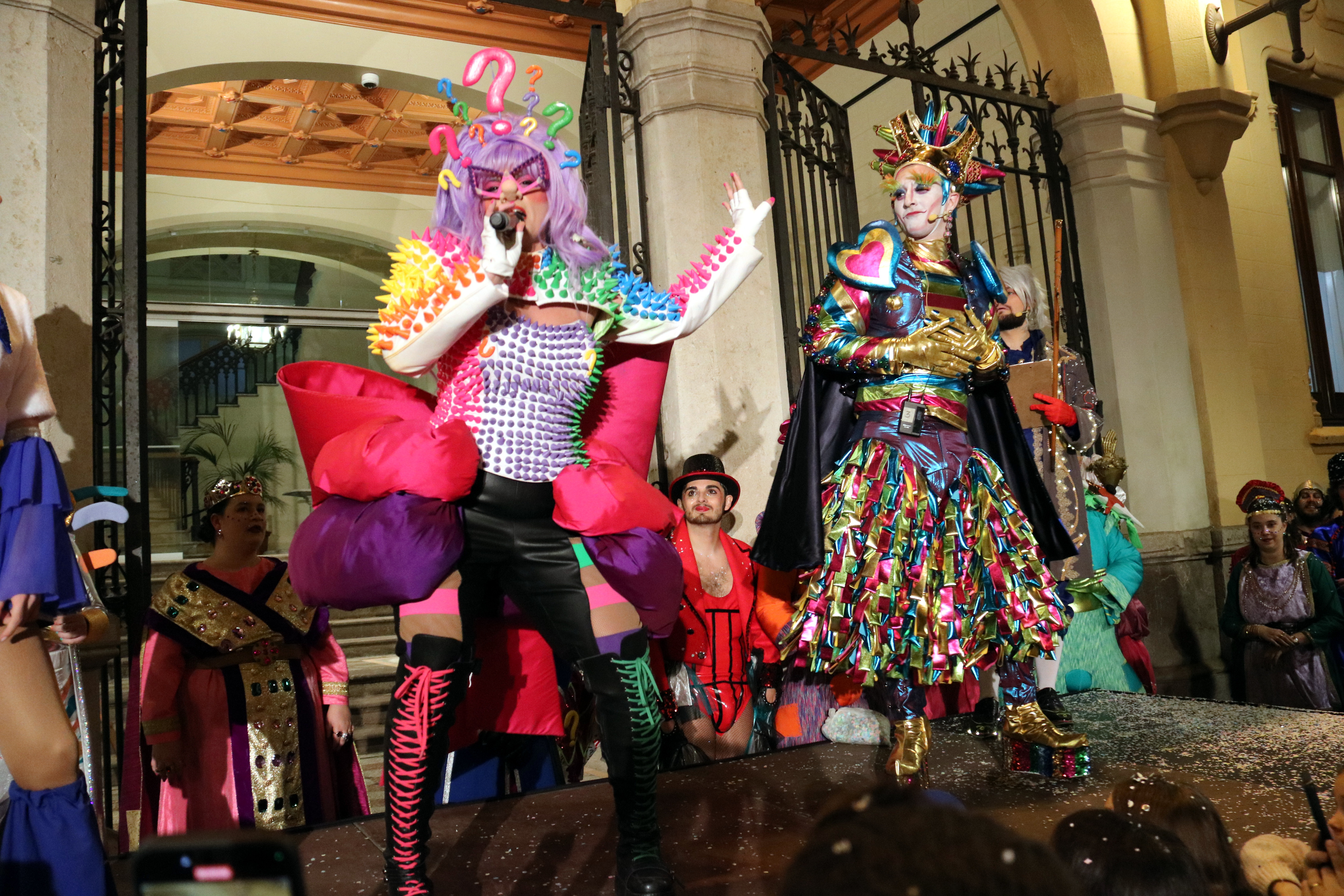
In the Catalan capital's Eixample district, the LGBTQ+ carnival celebrations will take place, with parades and festivities lasting long throughout the night.
The parade will be starting at the Plaça Universitat Square at 5:30 pm, but even during the day festivities will be taking place all over the neighbourhood. Be sure not to miss out the featured DJs and drag acts!
Sunday, February 15
Sunday marks one of the major highlights of the week in Sitges with the Rua de la Disbauxa, one of the carnival's main parades, featuring large floats, music, and adults and families dressed in elaborate costumes.
For those whose clothes didn't get dirty enough at 'la merengada', there will be a candy-throwing war known as 'la Comparsa' on Sunday in Vilanova i la Geltrú.
In Barcelona the traditional festivities and parades can be found all over the city. Amongst those are two dressing-up events: A costume contest and a mask contest.
At 12 pm, a costume contest will take place at Plaça de la Pau Square – where children, families, and sometimes adults compete individually or in groups, with a jury, prizes, and plenty of laughter.
At the same time at the community center casal de Barri Espai 210 close to La Sagrada Familia, the "Creative Masks from Around the World" event is to take place – an event where people showcase creative masks inspired by different countries or cultures.
Monday, February 16
Monday is usually the day of rest after a weekend of Carnival madness, but this is not always the case! In Roses, a town on the Costa Brava, it's actually the last day of Carnival. Unlike the rest of Catalonia's sardine burials, Roses' is on Monday. The town will also be hosting an 'arrossada popular' rice meal for the community.
Tuesday, February 17
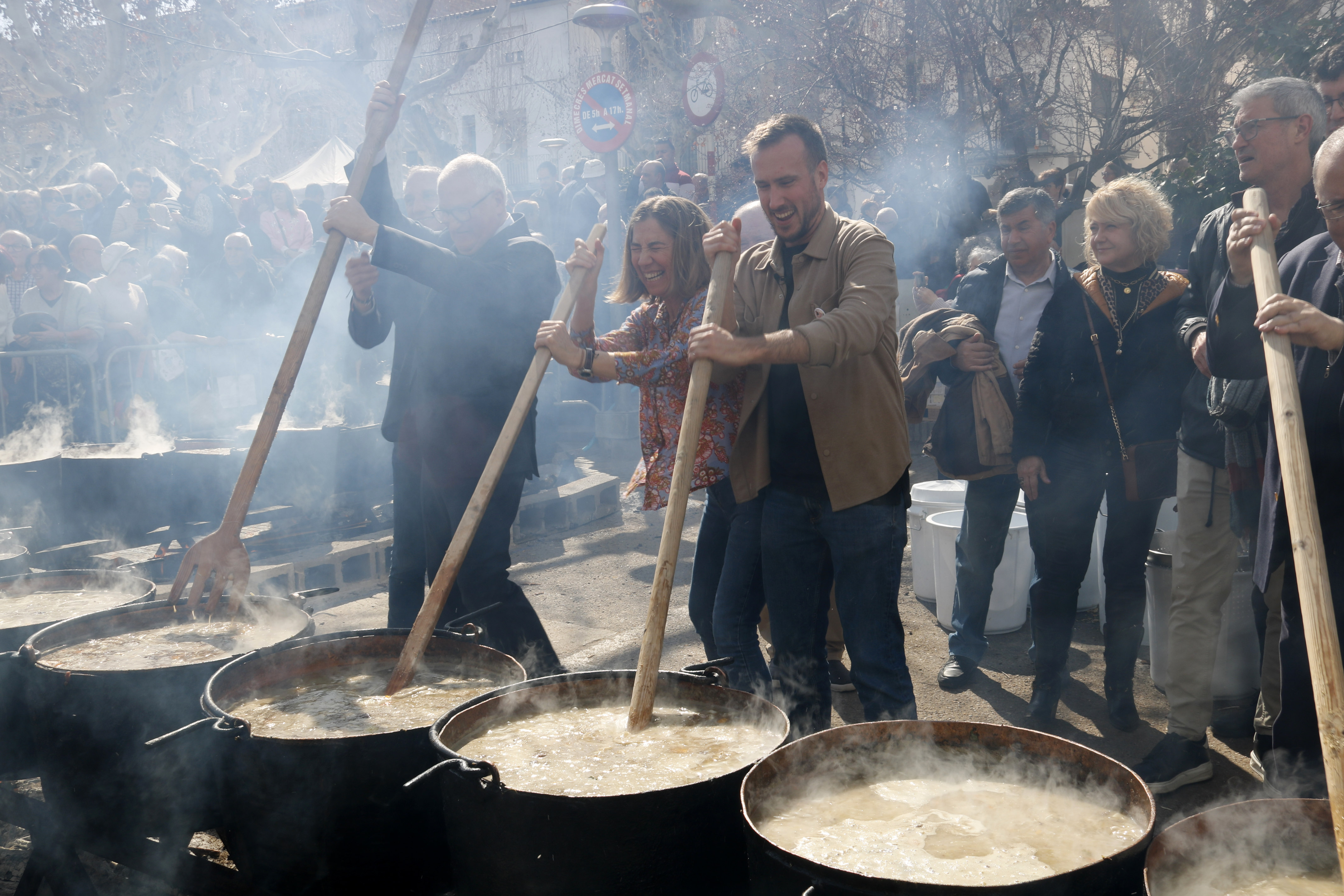
In some places, such as Vidreres near Girona and Ponts near Lleida, Tuesday ('Mardi Gras' in much of the Carnival-celebrating world but just Carnival Tuesday or 'Dimarts de Carnaval' here) is the day locals eat 'ranxo' stew, a special meat and vegetable stew made from the ingredients residents bring to the town square.
Also not to be missed is Sitges' Extermination parade on Tuesday night, one of Catalonia's most popular Carnival processions. Beginning at 9 pm, expect to party all night.
Wednesday, February 18
Carnival comes to a close with the symbolic burial of the sardine ('enterrament de la sardina') on Ash Wednesday, or 'Dimecres de Cendra', as revelers put an end to the period of excess before Lent.
In the Catalan capital alone, Ciutat Vella, Sants-Montjuïc, Les Corts, Horta-Guinardó, Nou Barris, Sant Andreu, Sant Martí and others will all be burying sardines – more than enough fish funerals for Barcelona residents and visitors to choose from!