Record summer for Catalan tourism comes with shorter stays
Extreme heat, eclipse and rising prices reshape tourism numbers
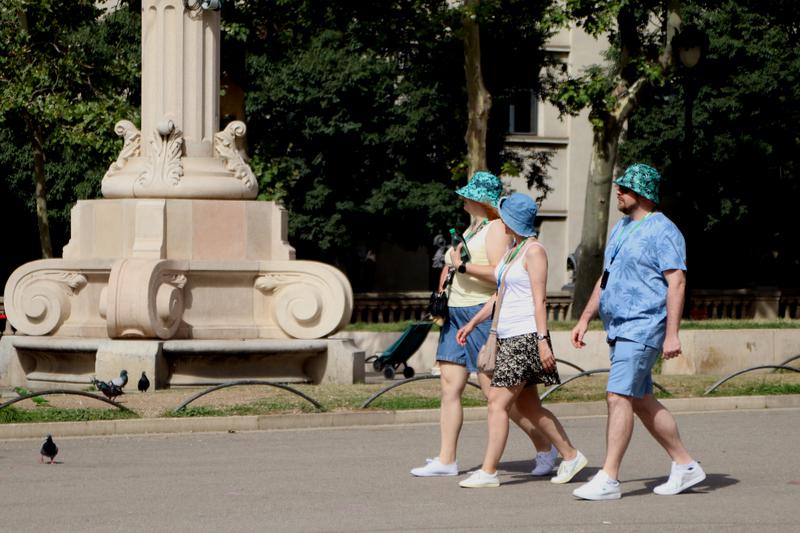

Catalonia closes the summer with a record in tourist spending and number of tourists, yet sees a drop in the average length of stay, which has fallen below three days, according to business association Pimec Turisme.
Inflation and geopolitical uncertainty have contributed to the decline, as tourists experience a climate that continues to get more expensive.
"People are weighing their options, and everyone has waited until the last minute, paying much closer attention to their household finances before setting out," said Daniel Brasé, vice-president of Pimec Turisme, at a press conference on Tuesday.
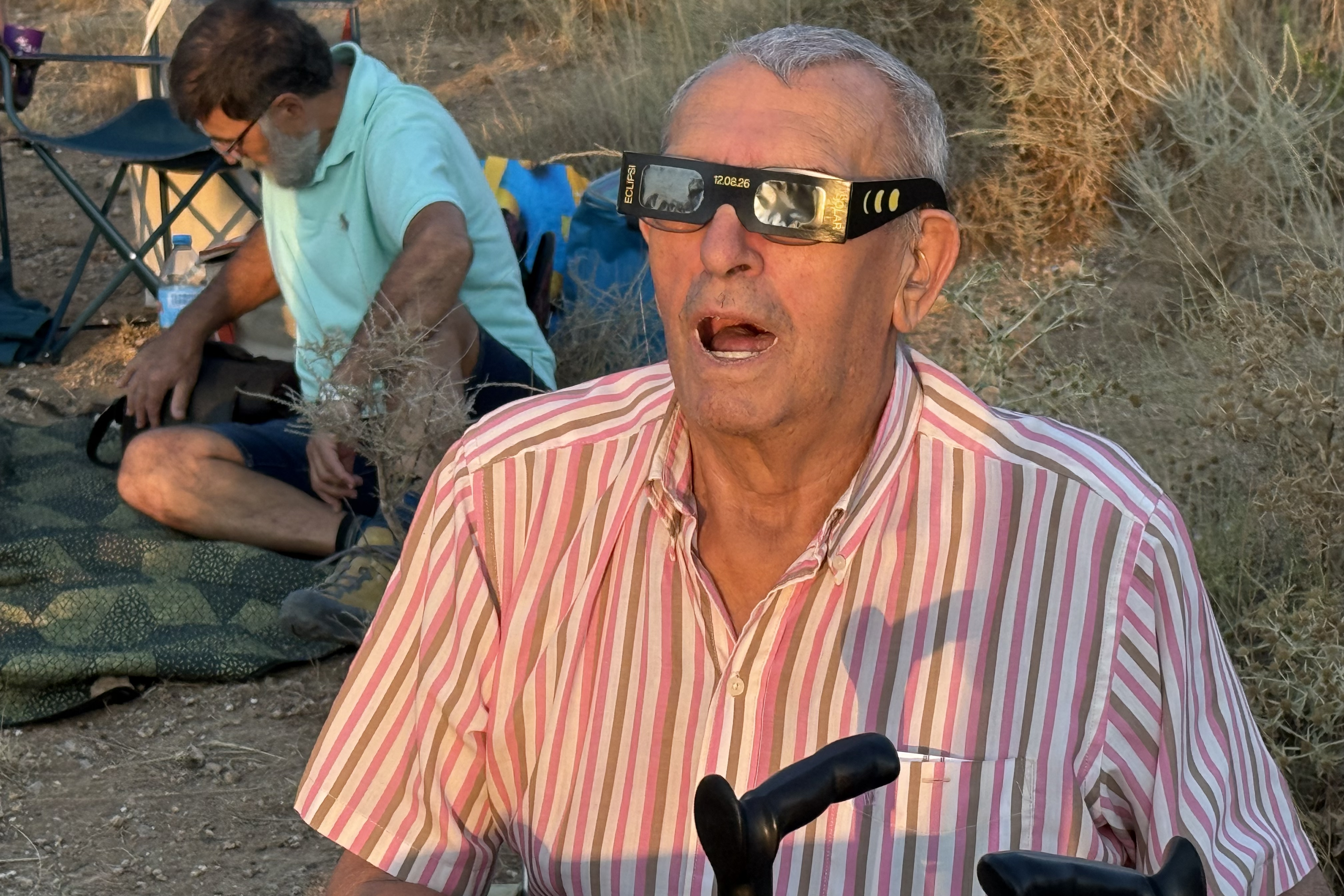
The summer was shaped by spectacular events, like the solar eclipse, which boosted the season in areas like Terres de l’Ebre. Extreme temperatures also contributed, as tourists looked for cooler destinations.
Rural tourism, for example, was one of the fastest-growing sectors, driven by domestic tourists (+24.8%). Similarly, interest in outdoor activities also surged, with 840,000 activities planned in Lleida, 44.5% of which were water-based.
On the flip side, coastal restaurants struggled to fill their tables during the hottest hours of the day, a challenge compounded by the fact that this was the hottest summer ever recorded in Catalonia.
Pimec has stated that this summer saw a consolidated "shift in habits" among tourists, who no longer venture out during periods of extreme heat, preferring instead to go out in the late afternoon and evening.
"We need to start shifting the paradigm regarding schedules, especially for tourist attractions and local activities," said Brasé.
A drop in overnight stays was noted in the most popular destinations, such as Barcelona, where the average length of stay fell from 2.61 nights last August to 2.49 this year.
Despite the length of stay for tourists, the number of international travelers visiting Catalonia rose by 3.9%, reaching 14.32 million people between January and August. In August alone, 2.89 million people visited Catalonia (an increase of 2.7%).
Carles Rabaneda, the president of Pimec Turisme, noted an increase in domestic tourism among those who opted not to take long-haul trips, choosing instead to stay within Catalonia or elsewhere in Spain.
Representatives from Pimec Turisme have called for greater efforts to reduce seasonality in the sector, noting that this year’s visitor growth in August was concentrated in Barcelona (up 10.1%) and the Costa Daurada (+9.9%).