September 2026 was Catalonia's hottest on record
Month adds to the hottest ever recorded summer in Catalonia
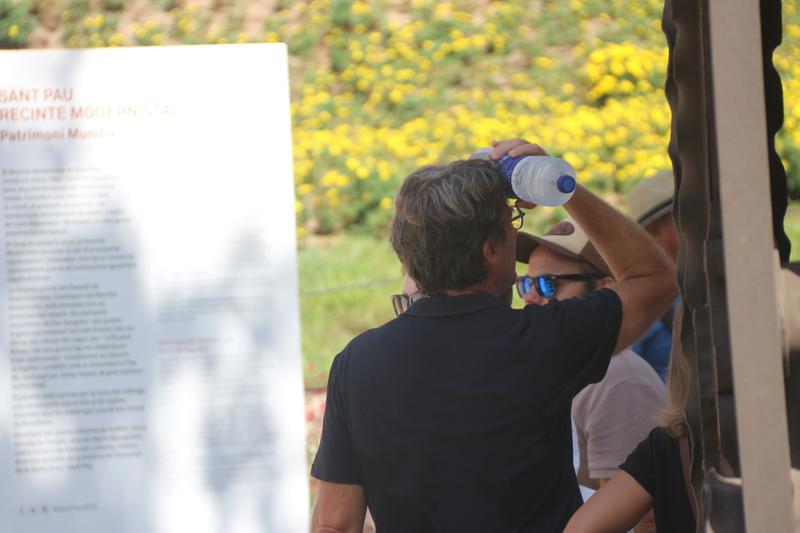

September 2026 was the hottest September on record in Catalonia, despite torrential storms in parts of the region, according to a climate analysis by the Meteorological Service of Catalonia (Meteocat).
The month was especially hot in Catalonia's higher-altitude areas, with variances of more than 5°C above the climate average.
The first week of the month was characterized by heatwave conditions where maximum temperatures topped 40°C on several days in the Ebre Valley and in western Catalonia.

September thus followed the trend of this summer (June, July and August), being the hottest ever recorded in Catalonia. According to Meteocat, the heat was driven by an extensive and persistent anticyclonic ridge, a large area of high pressure, over the western Mediterranean Sea, particularly between September 1-8.
The highest temperature of this episode was reached in the Ribera d'Ebre region, with 42.5°C recorded in Vinebre. It is also the highest temperature ever measured in Catalonia in September, surpassing the 41.6°C recorded at the same station in 2016.
Regarding long-term records, Barcelona's Fabra Observatory broke its previous September record, based on 112 years of data, on nine separate days. The new record high was recorded at 35.5°C.
The average temperature for the month was an unprecedented 25°C, exceeding the previous record of 23.6°C set in 1987.
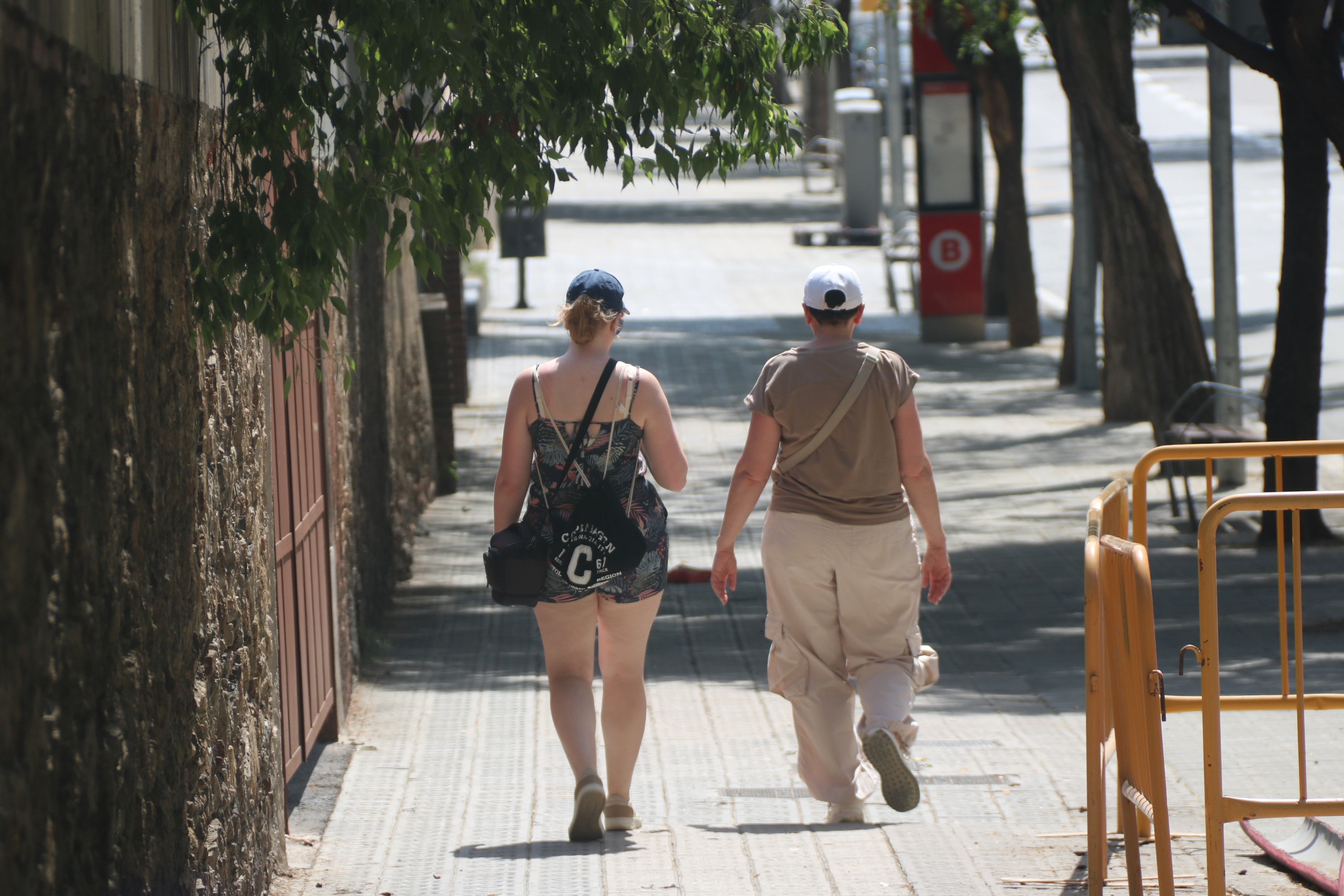
As is typical, the warmest nights were recorded in the city of Barcelona because of the urban heat island effect, with several nights seeing minimum temperatures that did not drop below 25°C.
Regarding precipitation, September was dry or very dry in the western half of Catalonia and normal or wet elsewhere, according to Meteocat. In fact, some stations in the Ponent and Pyrenees regions recorded their driest September on record.
That was the case in Raimat in Segrià, western Catalonia, where only 0.6mm of rain fell, making it the driest September in the station's 38-year history and surpassing the 5.0mm recorded in 2016.