Rodalies trains still not back to normal as 11 lines continue operating with bus alternatives
Commuter rail operator insists service is "guaranteed," as passengers show resignation and many give up on travelling, on the day the government said services would resume
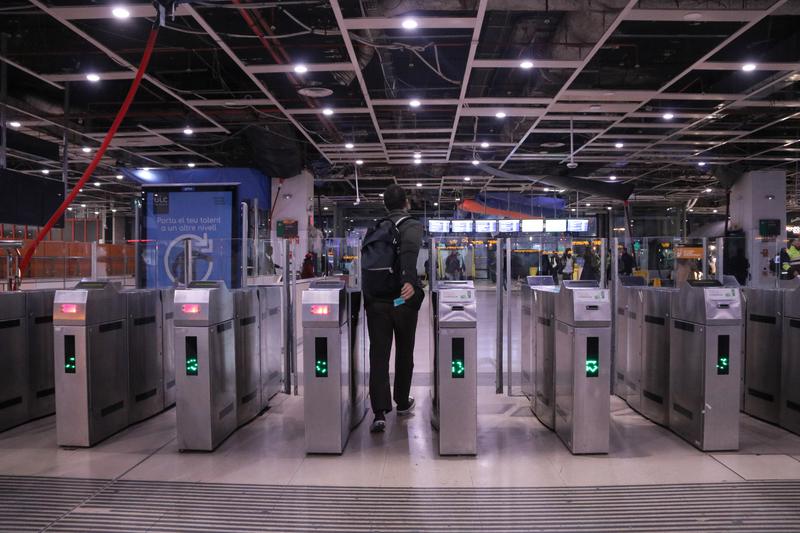

Rodalies commuter rail services in Catalonia were still not back to normal on Monday, nearly two weeks after the disruption began following an accident in Gelida that left the driver dead.
Despite government assurances that service would resume on Monday, the reality is that most lines, 11 in total, were still partially operating with bus alternatives.
The lines that continue to operate part of their routes by bus are R1, RG1, R3, R4, RL4, R7, R8, R13, R14, R15 and RT1. The lines running entirely by train are R2 North, R2 South, R11, R16 and R17.
Train operator Renfe said that despite the bus alternatives, service on all lines is "guaranteed," adding that around 150 buses have been deployed to cover the affected sections, with 700 staff present at stations to guide passengers.
Meanwhile, repair work on affected points of the network is still ongoing. Infrastructure manager Adif said it is continuing work at 31 locations across the network, which is why normal service has not yet been fully restored.
Exhaustion and resignation among passengers
Passengers across Catalonia have expressed resignation and anger as another Monday passed without a return to normal service, with many giving up and turning to other forms of transport to get to work.
At Barcelona's Sants station, some passengers told the Catalan News Agency (ACN) that over the past two weeks they have rented cars or sought temporary accommodation in order to reach their workplaces.
"We don’t know what normality is. Normality is trains being late," said one passenger travelling from Llinars del Vallès, who arrived with a delay of more than 30 minutes.
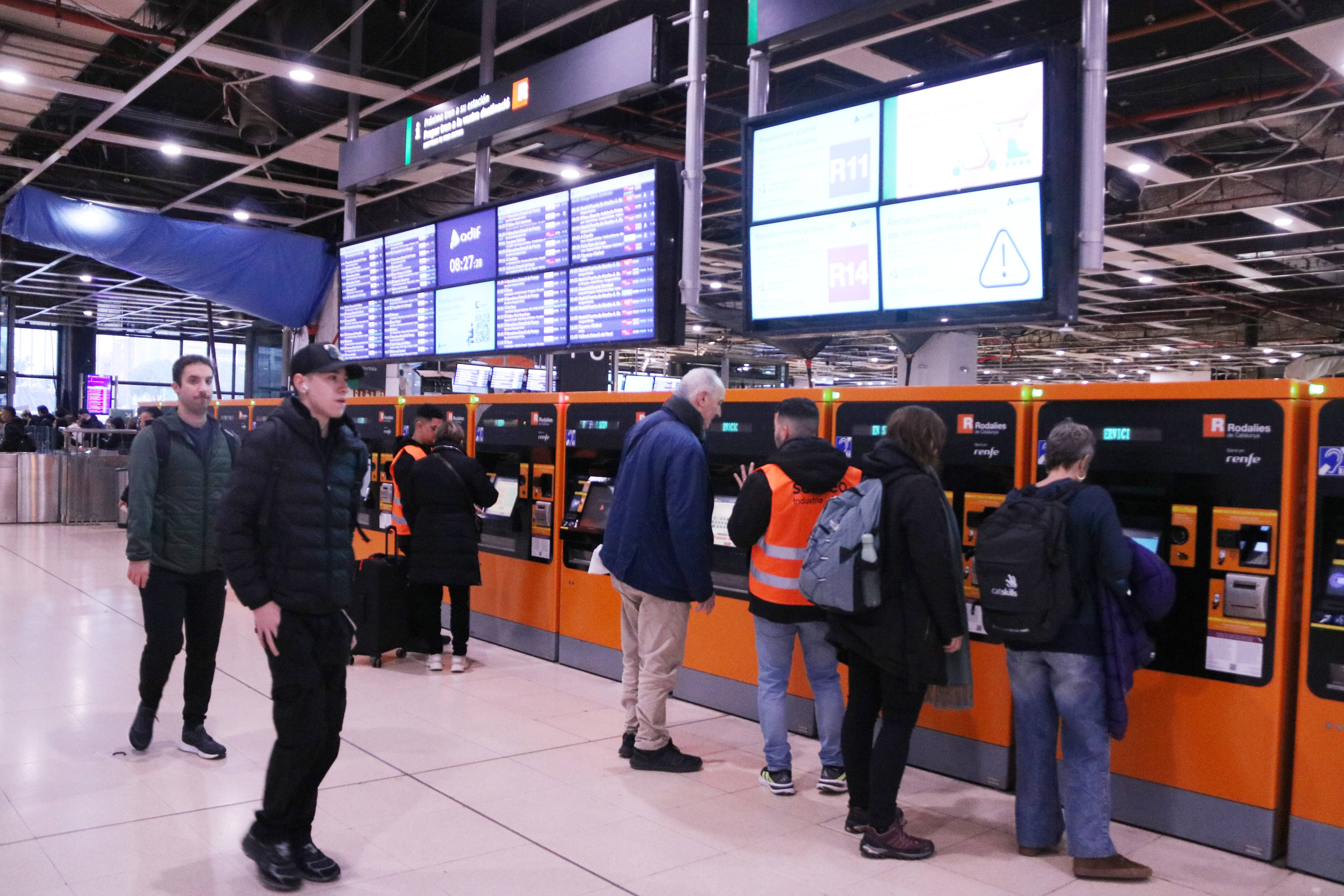
Carlos, another passenger, said he has rented an apartment for a month to avoid having to take the train every day from Vilafranca.
"They haven’t invested in the infrastructure for 20 years, and now they want to fix it in 10 days. It’s impossible," he said.
Meanwhile, another passenger, Miquel, expressed anger at screens displaying what he described as "fake and not updated information," adding that many trains "disappear" from the displays.
"What is normal service? Normality is going to the station and taking the first train without knowing whether it is the right one or not. That is the normality we have had for years," he said.
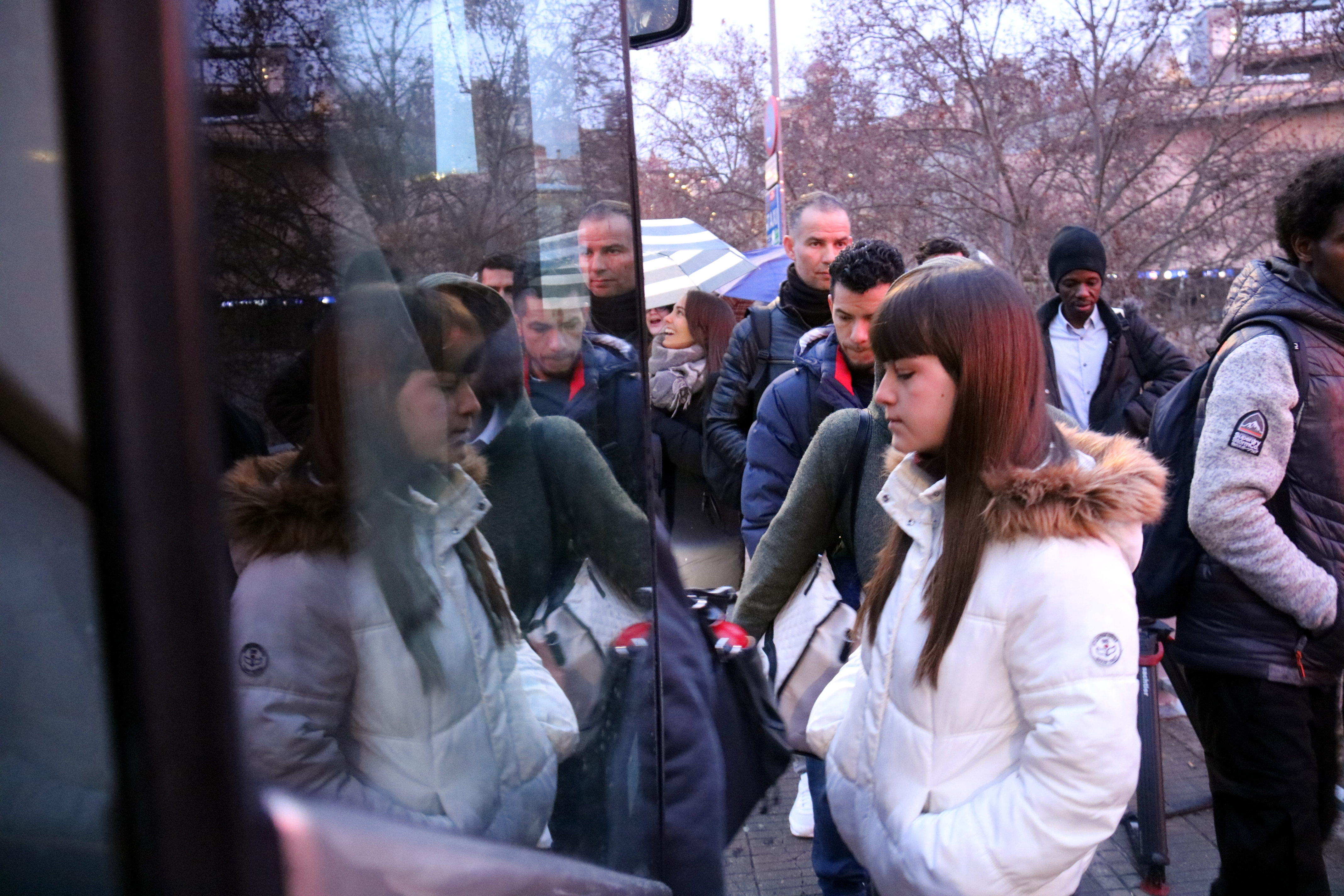
In Manresa, passengers have expressed exhaustion with the situation, particularly because of its impact on their jobs.
"At work they understand the situation, but they are already beginning to get tired; one day they will tell me to sort it out," says Maria, a regular user who says she has faced these problems for years.
The situation on several lines, such as the R4, is marked by constant uncertainty. "It feels like being in the film Jumanji: you don’t know whether you’ll arrive or be left stranded halfway along the route," she adds.
In fact, the alternative bus replacement service has proven to be fairly reliable, with many passengers praising it despite its lower frequency. "It's not punctual, but it works, and you know you will arrive," says another user.