Catalan High Court hears case over mass layoffs of Meta contractors in Barcelona
Workers' union estimates impact at around €90 million
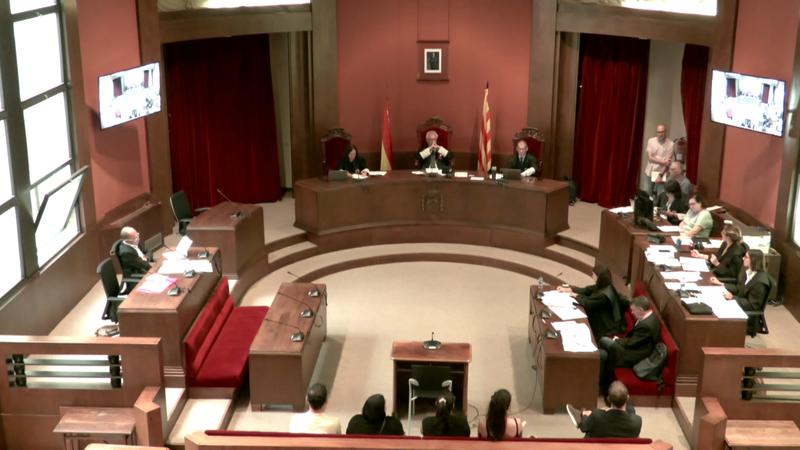

The Catalan High Court (TSJC) held a hearing on Tuesday in a case concerning the collective dismissal of more than 2,000 workers who provided Facebook and Instagram content-moderation services in Barcelona.
The FIST union (Força Independent i Sindical de Treballadors) is challenging the dismissal of the staff, who had been linked for years to Telus/CCC Barcelona and to services provided for Meta.
The proceedings name as defendants both the companies linked to Telus/CCC Barcelona and Meta itself. The defendant companies argue that Meta decided to terminate its contracts with them and that the dismissals were agreed upon with the works council. The lawsuit argues that Meta cannot be excluded from a decision that, according to the claim, affected practically the entire workforce providing these services in Barcelona.

The central issue is whether the collective dismissal was based on a legally valid cause or whether, as the plaintiff maintains, was an illegal measure intended to move production to other European countries.
The lawsuit argues that the companies decided to close the Barcelona operation and transfer equivalent services to Austria, Germany and Slovakia through Telus's international structure.
According to the claim, this reorganization was not based on a genuine business need, but on a strategy to get rid of the workforce and avoid the ongoing litigation in Spain.
The plaintiff maintains that, before the collective dismissal, there were more than 1,200 pending claims concerning, among other matters, wage discrimination based on working language.
Employees working with southern European languages were paid less than those working with northern European languages. The claims also included personal injury cases resulting from shortcomings in occupational risk and mental health.
The trial is expected to clarify whether the closure of the center and the transfer of its activity were legitimate business decisions, or whether intermediary companies and an international corporate structure were used to prevent or hinder workers from exercising their rights and pursue legal claims.
If the lawsuit is upheld, the dismissals could be declared null and void, and the affected workforce could be reinstated. The plaintiff estimates that the potential economic impact of such a ruling could exceed more than €90 million, without prejudice to the amount ultimately determined by the court.
The hearing is particularly relevant to the broader debate over the responsibility of companies that, despite operating through contractors or companies within a corporate group, intervene in or make decisions about the organization, continuity and international transfer of services.