New technique to remove inoperable tumor at Barcelona's Vall d'Hebron Hospital
Procedure allows organ to be kept alive while its blood circulation is temporarily disconnected
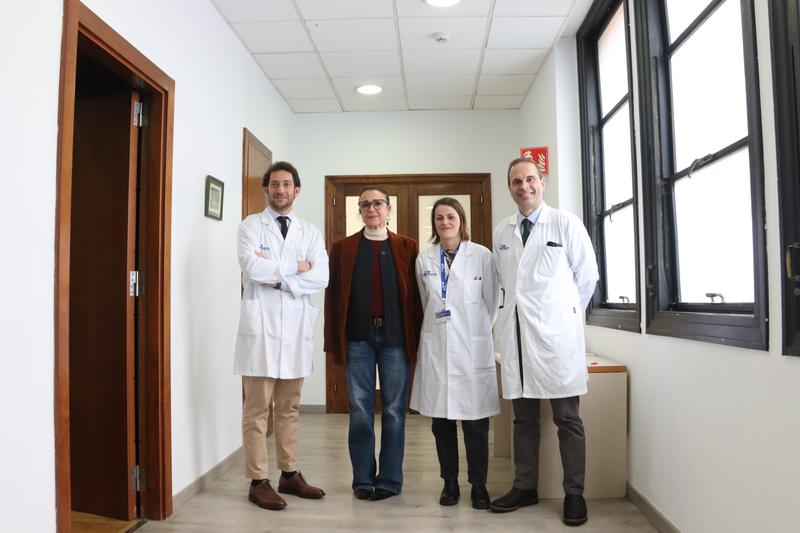

Vall d'Hebron University Hospital in Barcelona has performed a pioneering operation on a patient with a tumor in the bile ducts using a liver transplant technique.
The procedure keeps the liver alive while temporarily disconnecting its blood flow.
Without this approach, the tumor, about the size of a handball and wrapped around vital blood vessels, would have been considered inoperable.
This is the first time the technique has been used in Catalonia for oncological surgery, opening the door for patients who previously could only receive palliative care.
The operation was possible thanks to a new treatment combining chemotherapy and immunotherapy that shrank the tumor beforehand.
Complex case
The patient, a 58-year-old woman, had cholangiocarcinoma, a rare bile duct cancer.
Conventional surgery was impossible because at least one vein had to be preserved to ensure survival.
Dr. Gonzalo Sapisochin, head of General and Digestive Surgery at Vall d'Hebron, led the ten-hour operation, which involved a team of fifteen, including surgeons, anesthesiologists, and nurses.
A machine used to keep the liver alive
The surgical team used HOPE technology, short for hypothermic oxygenated perfusion.
Normally used in liver transplants, the machine preserves an organ between removal and implantation.
In this case, the liver was not removed. Instead, the machine was connected directly to the patient to supply oxygenated fluid while the blood supply was temporarily stopped.
For about 60 minutes, the liver was in a controlled metabolic pause at 4-10°C. This allowed surgeons to remove the tumor safely and reconnect the liver afterward.
The technique reduces inflammation and complications, minimizes bleeding, preserves metabolic function, and speeds recovery.
The patient underwent surgery in November, was home for Christmas, and returned to work and her gym routine by January.
Tumor shrinkage made surgery possible
The tumor was first shrunk with a combination of chemotherapy and durvalumab, a newly approved immunotherapy for cholangiocarcinoma, before surgery.
Vall d'Hebron Institute of Oncology (VHIO) will now study this approach further.
Dr. Jaume Capdevila, head of VHIO's Hepatobiliary and Pancreatic Tumor Group, said the technique "could offer more responses to patients with advanced disease or large, hard-to-operate tumors."
The study first started at the University of Toronto by Dr. Sapisochin and will now be launched in Barcelona.