Catalan university launches Spain's first real-world 6G testing infrastructure
UPC's 6GLabNet project aims to accelerate advanced connectivity, autonomous vehicles, and industrial applications

The Universitat Politècnica de Catalunya – Barcelona Tech (UPC) has unveiled Spain's first infrastructure enabling real-world testing of 6G technologies.
The initiative, known as 6GLabNet, allows researchers to experiment with and validate emerging connectivity solutions across two campuses simultaneously: Diagonal Nord in Barcelona and Baix Llobregat in Castelldefels.
Óscar López, Spain's Minister for Digital Transformation, said the project is designed "to revolutionize and democratize connectivity."
He added that it will also allow "testing of new 5G-Advanced applications."
López emphasized the initiative's role in creating "added value" for Spain, turning "a country just of users" of technology into a nation "of developers."
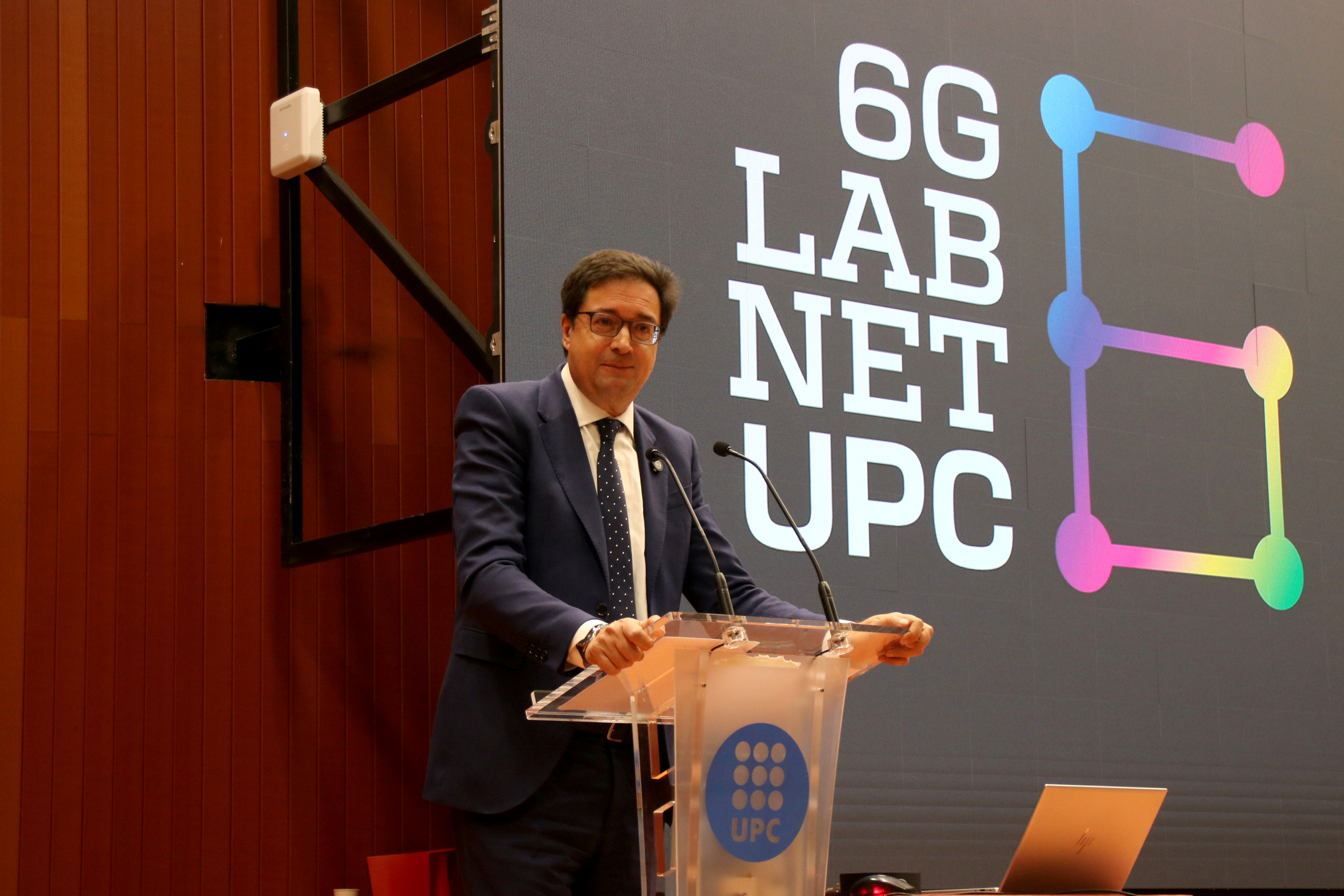
He highlighted that the UPC project will impact sectors such as "robotics, autonomous vehicles, augmented reality, and Industry 4.0."
Preparing for 6G
Anna Umbert, one of the project leads, explained that having the network amounts to having a "dedicated operator" capable of serving up to 100 clients.
The infrastructure, she said, provides higher bandwidth through four antennas – two in Barcelona and two in Castelldefels – that complement standard mobile services.
Umbert stressed that 6G "does not exist yet" beyond a framework document, and that the International Telecommunication Union has yet to approve it.
She noted that specifications are expected "around 2030," but research must begin in the meantime, while commercial deployment will take longer.
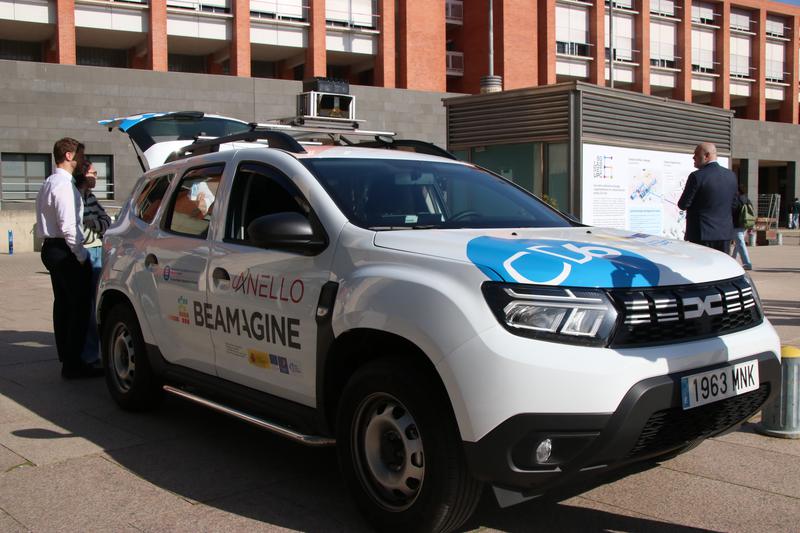
Despite this, 6GLabNet can already be used for guiding autonomous vehicles via AI. During the launch, a vehicle at the Castelldefels campus was activated remotely from the Barcelona campus.
The network also supports testing of industrial prototypes and agricultural applications, such as robots for crop management.
32 kilometers of fiber optic
6GLabNet connects the Diagonal Nord and Baix Llobregat campuses via 32 kilometers of fiber optic cable provided by the Catalan government.
The project has a total budget of €4 million, funded by the European Union.