Catalan-led expedition to feature first all-female scientific team in Arctic Mars simulation
The Hypatia III project, launching in summer 2027 on the uninhabited Devon Island, will aim to recreate the conditions of a mission to the Red Planet
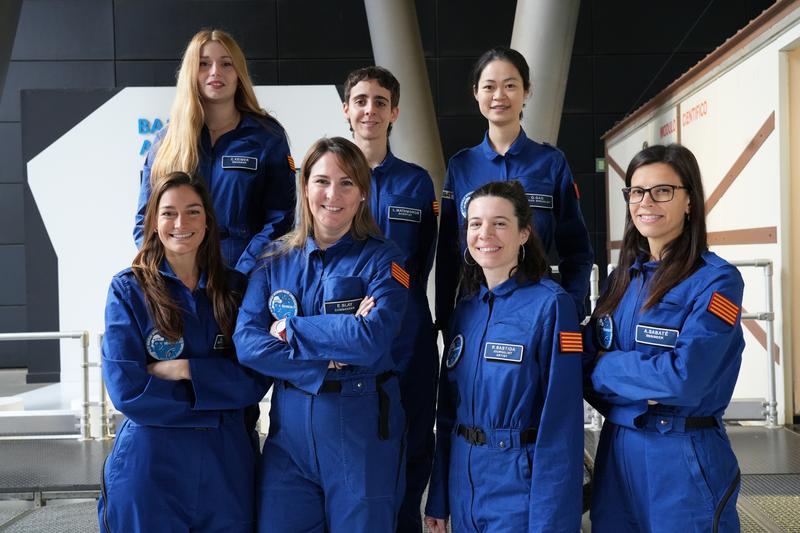

The first-ever mission made up entirely of female scientists in an Arctic research base will be led by a Catalan team.
The expedition, named Hypatia III, is set to begin in the summer of 2027 at the Flashline Mars Arctic Research Station (FMARS).
The station is located on Devon Island, an uninhabited, remote island in Canada’s Arctic archipelago.
The mission will recreate the conditions of a trip to Mars, with the goal of conducting research and promoting scientific outreach.
The expedition commander, Estel Blay Carreras, explained that the polar desert will add “complexity” to the mission, making it more similar to the Red Planet.
Blay also said that another main goal of the project is to inspire the next generation of women. She decided to join the project after her daughter told her she could never be a pirate because she was a girl. She wanted to contribute to change that.
"Showing ourselves as scientists and technologists in the flesh can encourage girls here to chase their dreams. We don’t want them to be scientists or technologists if it’s not their passion, but being a girl should never be a barrier to dreaming," she explained.
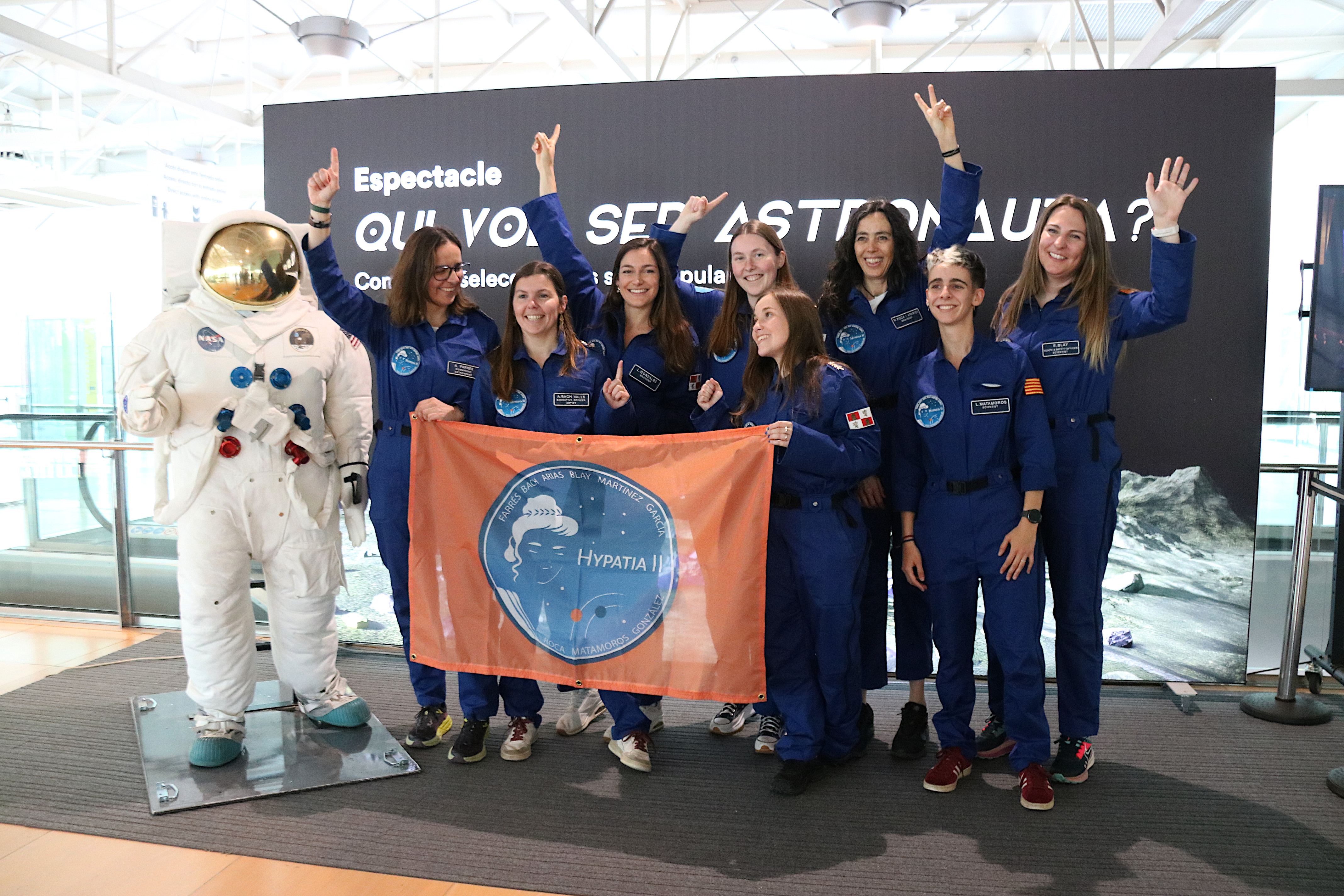
With the project now launched, the preparation phase begins. Over the next year and a half, the ten scientists will have to train physically and psychologically for the mission.
They will also need to negotiate with companies and institutions to make the expedition possible, which is highly complex due to the isolation and extreme cold.
The Flashline Mars Arctic Research Station, owned by the Mars Society, hosts only three missions each summer. Operating for 25 years, it has accommodated around twenty scientific missions in total.
This will be the third Hypatia mission in history, all with exclusively female crews. The previous two took place in the Utah desert, a much less extreme environment than the Arctic.