Barcelona hospital to create virtual patient replicas to predict disease progression and personalize treatments
"Digital twin" project in collaboration with tech companies the first of its kind in Europe
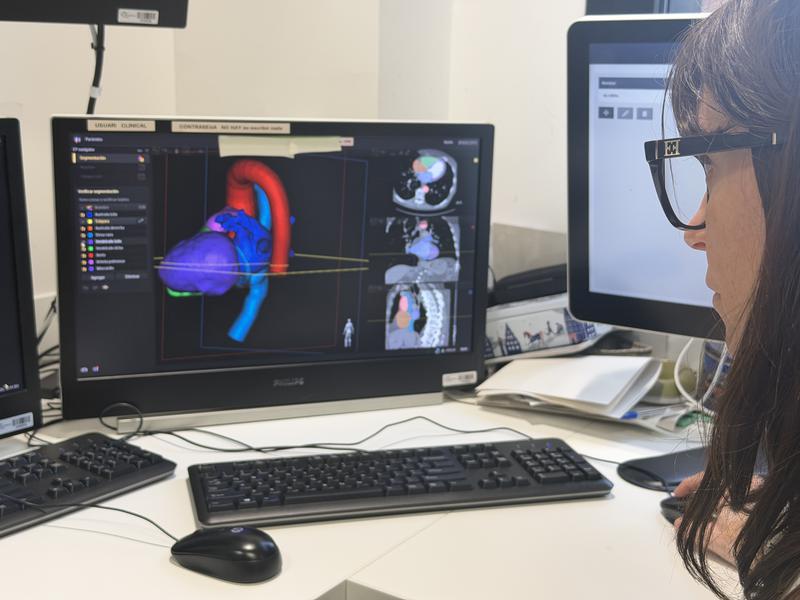

Vall d'Hebron Hospital in Barcelona will develop virtual replicas of patients' organs and biological processes to predict the progression of diseases and anticipate responses to treatments before they are administered.
The project, known as 'digital twins,' will allow for the testing of various therapies on personalized computer models.
"It’s a way to run tests on my heart without it actually being my heart," explains Isidre Barrachina, a 63-year-old patient with arrhythmias who hopes to benefit from this technology.
Vall d'Hebron expects to have the first models ready for clinical validation by the end of 2029.
The pioneering European initiative will receive €11.7 million in funding from the European Regional Development Fund (ERDF).
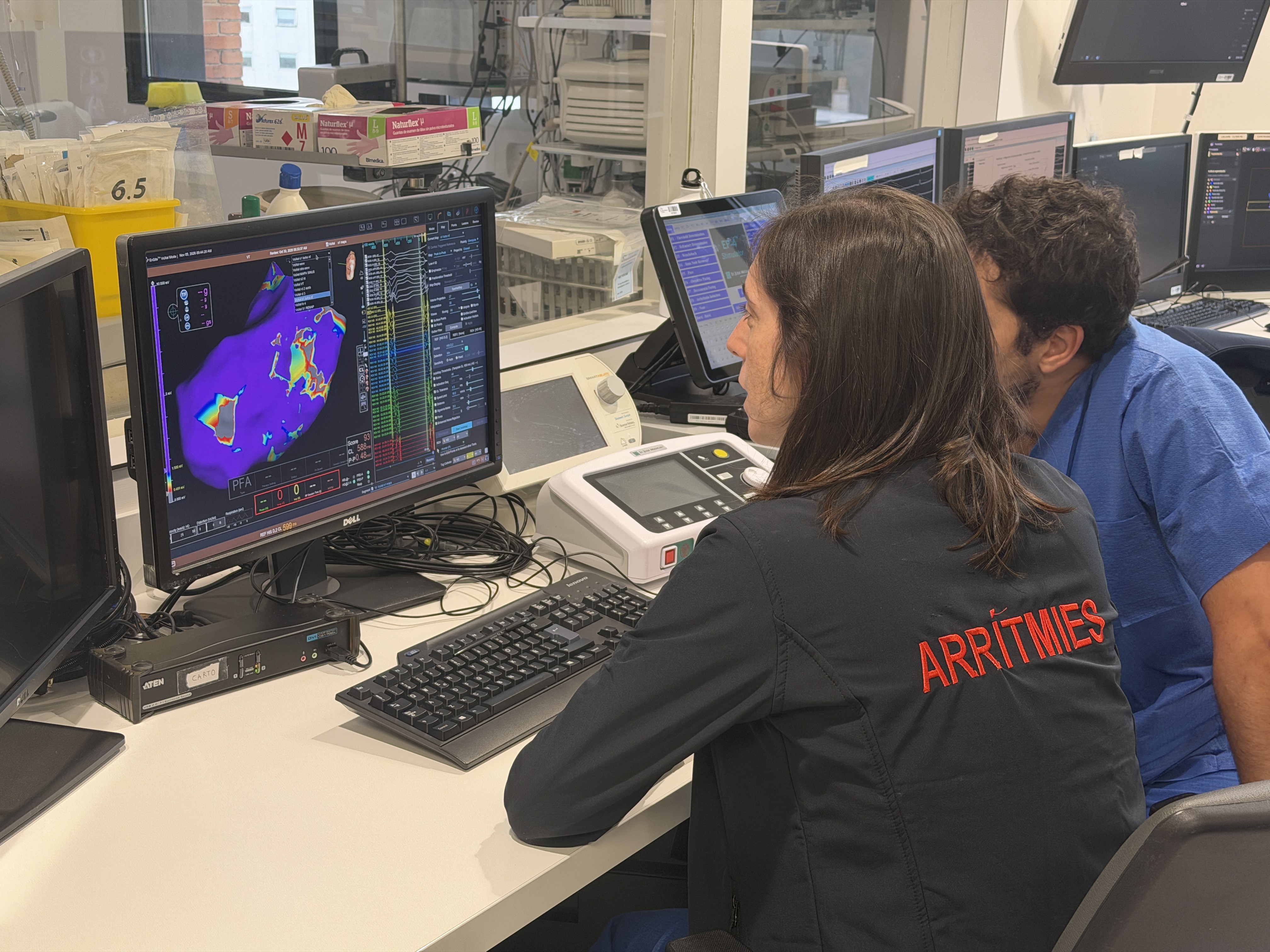
'Digital twins' are computer models created using real patient data, such as medical imaging, clinical records, and genomic information. They make it possible to virtually simulate the function of an organ or the progression of a disease.
Unlike conventional 3D representations, these models incorporate predictive capabilities and can simulate what would happen if a specific treatment were applied or a surgical intervention were performed.
Manel Escobar, Clinical Director of Diagnostic Radiology and Nuclear Medicine at Vall d'Hebron, explains that the goal is to create a "digital avatar" of the patient to anticipate both the progression of their disease and their response to various treatments.
This allows healthcare professionals to compare therapeutic options before implementing them, with the aim of improving efficacy and reducing complications.
Escobar cites the example of ten patients with migraines; despite having the same condition, they may experience different disease progression and responses to treatment. Digital twins will make it possible to study these differences and move toward more personalized medicine.