What does the return to the Camp Nou mean for FC Barcelona’s finances?
Club president estimates revenues of up to €400 million annually when new stadium is fully complete


FC Barcelona’s finances has been a major storyline in world football over the past number of years. Even the word ‘palancas’, or ‘levers’ in English, has entered the Anglosphere’s football lexicon, after club president Joan Laporta’s creative manner of generating much-needed cash has helped stabilize Barça economically while maintaining sporting competitiveness.
For much of the past ten years, Barça has been known as a club of decadent overspenders. The club, then run by Josep Martia Bartomeu, responded terribly to the Neymar transfer to PSG in 2017, paying out huge fees and massive wages for players who had limited impact on the pitch.
This unsustainable culture of massive spending was then met with the sudden shockwave of the pandemic, causing a perfect storm for the blaugrana. In the 2020/21 season, the club made pre-tax losses of €555.4 million, something described as the worst financial result ever recorded by a football club.
All this led to debts surpassing €1 billion by the time Laporta took over the presidency in 2021. By some estimates, club debts have risen to around €1.8 billion by 2024/25, the largest in world football, but this figure includes the loans for the stadium reconstruction project.
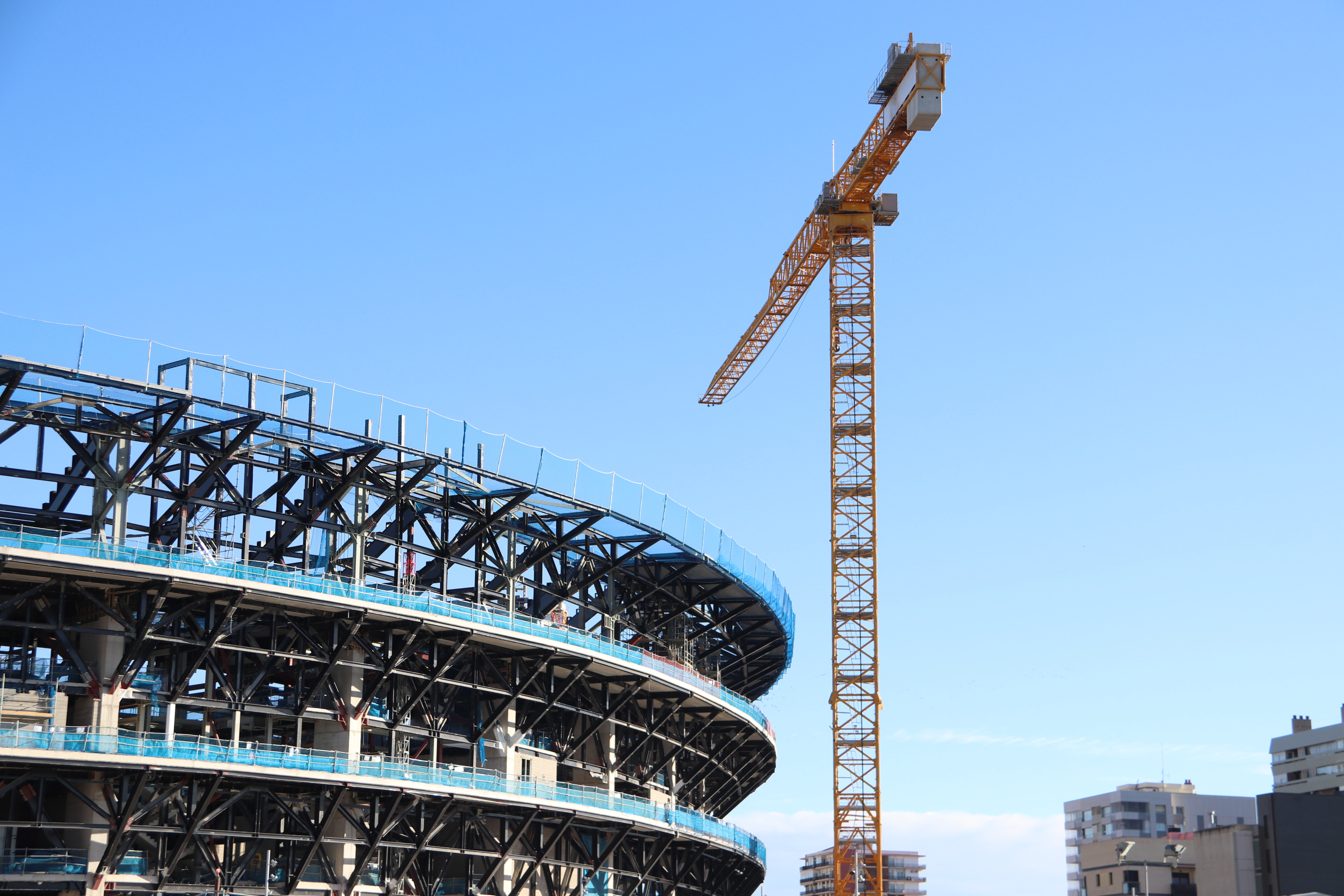
Now, the club are back in their home stadium, the Spotify Camp Nou, after spending more than two years playing in the Olympic Stadium in Montjuïc while renovation works were ongoing. Construction will still take place, in fact, for a number of years yet, while the club play in a reduced capacity stadium before full completion.
But what will the return to the Camp Nou mean for the club’s finances?
Loan
Ahead of the works, which started in 2023, FC Barcelona announced that they had secured financing with a total of 20 investors to the value of €1.45 billion, covering the cost of the works for ‘Espai Barça’, the term for the overall stadium renovation project which also includes works on the grounds surrounding the sporting arena.
The financing must be paid back progressively, with instalments due between five and 24 years from the date it was secured, although the club also pointed out that it came with “a flexible structure, including a grace period.”
The club will start to repay the operation once work has been completed on the stadium, using income generated by the Spotify Camp Nou hosting matches. When the loan deal was first announced, Barça said they expected to generate €247 million per year from their home stadium, even at a reduced capacity. The Camp Nou will be “crucial” to the club’s financial commitments to investors and sponsors as well.
In December, the club had to pay €44 million in interest on the €1.45 billion loan for the Espai Barça project.
Furthermore, the contract with Spotify requires a “full return” by July 1, 2026. Otherwise, revenue would be set to drop from €20 million to €5 million annually.
Road to completion
The stadium is expected to be completed in 2027, when it will have a capacity for 105,000 spectators. This will be when the club will really see the benefits of the stadium, with increased revenues, especially coming from the more than 9,000 VIP seats in the stadium.
Consulting firm Legends predicted that, once the Spotify Camp Nou is totally finished and operational, Barça would generate €346 million per year from it. Club president Joan Laporta, on the other hand, put the estimates at even higher, above €400 million annually.
The club expects to make €120 million annually from VIP seats alone, and around €80 million in the new museum.
VIP seats are already on sale for May’s clásico against Real Madrid, at the lofty sum of €4,000 a piece.
These VIP seats and corporate boxes come with full hospitality packages, with gourmet food and drinks available before, during, and after the matches.
Additionally, a return to the Camp Nou means Barça no longer have to rent the Olympic Stadium anymore, which they’ve spent about €25 million on so far. They will, however, move back to Montjuïc for a period once construction on the Camp Nou’s roof begins, but this phase of works isn’t expected to last anywhere near as long as their previous stay in their temporary home.
What will all this mean?
The club still has huge debts, but when Joan Laporta took over the reins in 2021, one of the first tasks on hand was to restructure that debt, pushing back the more immediate payments necessary, and the board devised the Camp Nou refurbishment plans as a means of generating long-term income to pay off those debts.
Additionally, the return to their iconic home stadium will be a massive step towards getting back to La Liga’s 1:1 financial fair play rule. La Liga’s spending rules say that clubs can only spend relative to what they earn, and the 1:1 rule states that a club can spend the same amount of money on signings as it earns, whether from sales or salary savings.
When a club’s proportion of expenditure and income is imbalanced, they are only able to invest €1 for every €2 they generate, with the aim of preventing clubs from accumulating too much debt.
La Liga prevent clubs from registering their players if they are in breach of these limits, leading to scenarios such as the one seen last year when Barça were unable to register Dani Olmo and Pau Víctor for some days – a saga that was eventually resolved after governmental interference.
The return to the Camp Nou will be a godsend for what FC Barcelona can spend on player signings and wages as well, potentially attracting more talent to Catalonia, launching another of Laporta’s virtuous cycles of spending leading to more and more income.