3D Incubator and Barcelona hospitals join forces to boost healthcare innovation
Printed parts will be used for patient care, training, and virtual simulation

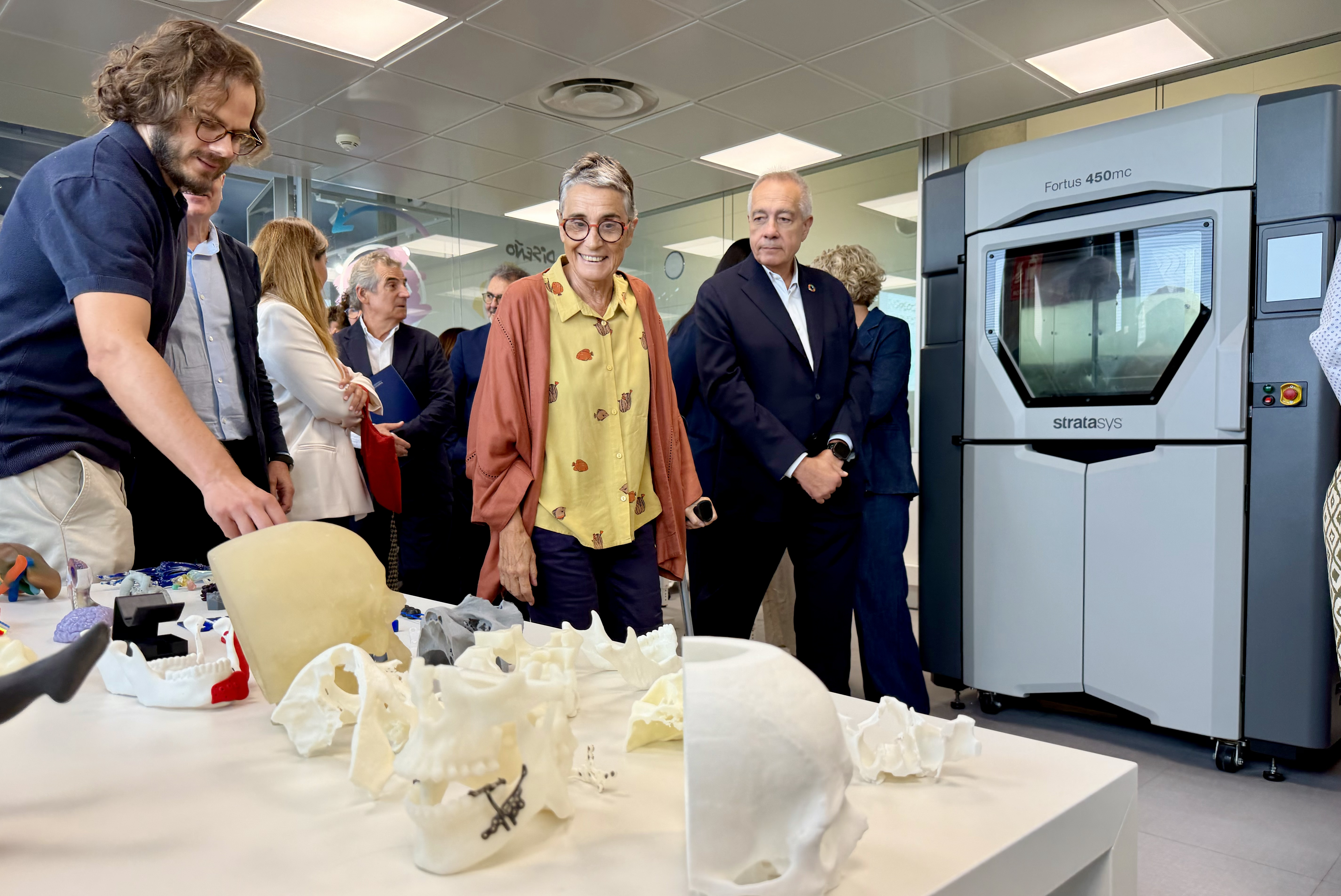
The Zona Franca Consortium, Hospital del Mar, and Hospital Clínic have signed a collaboration agreement to promote the use of 3D printing technology in the healthcare sector.
Supported by the Department of Health, these organizations have formed a pioneering partnership to develop 3D-printed components for patient care, training, and research.
Under the new project, the Zona Franca Consortium will make the 3D Incubator’s facilities, machinery, and engineers available to the hospitals. These engineers will work closely with the hospitals' bioengineers and innovation managers.
“Patient care takes place in the hospitals, while the factory will be located in the Zona Franca industrial park, equipped with high-tech machinery,” Jorge Fernández, Director of Innovation at Hospital Clínic, outlined.
He pointed out that “instead of having talent scattered across different locations, we are now forging a partnership to solve patient problems swiftly.”
While both Hospital Clínic and Hospital del Mar have used 3D technology for years, the goal now is to optimize resources.
Antoni Gilabert, Director of Innovation at the Hospital del Mar, predicted that this new alliance represents an “unprecedented boost for the centers, as well as for the Catalan healthcare system as a whole.”
Fernández also pointed out that the rate at which medical equipment becomes obsolete is becoming increasingly rapid. “Within 5 to 10 years, collaboration in the 3D field will drive the development of new tools," he predicted. "Competing in this area makes no sense, collaboration is the way forward.”
In practical terms, the agreement enables work across three areas: clinical care, particularly in surgery; training, through the creation of simulators; and planning and design, utilizing virtual and augmented reality.
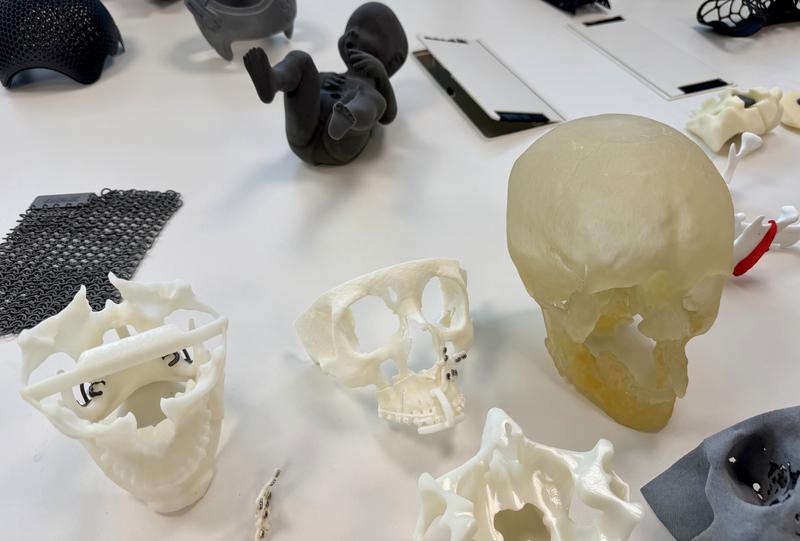
Some prototypes have already been developed, such as prosthetics, splints, and simulated infants, and these were put on display at the Incubator laboratory on Friday for the deal signing ceremony. However, they cannot yet be put into clinical use until they received European certification, which is expected to arrive in March 2027.