Watches and perfumes overtake tobacco as top contraband at Andorra border
Cash-sniffing dog Amy bolsters border controls as seizures of undeclared cash fall steadily from 2022 peak
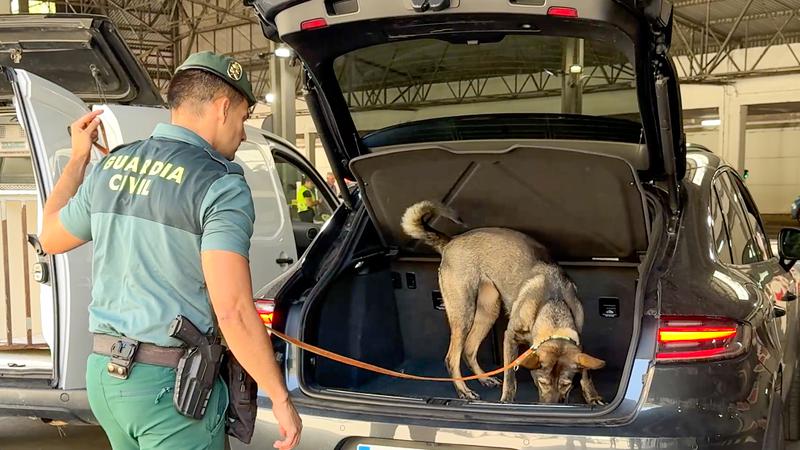

The value of seizures of luxury watches, perfumes, and other high-end goods at the Farga de Moles customs post in the Catalan Pyrenees have increased fivefold since 2021.
They have overtaken tobacco as the most commonly seized contraband at the Andorra border, according to Tax Agency data provided to the Catalan News Agency (ACN).
Meanwhile, the value of undeclared cash intercepted at the border has fallen steadily since peaking in 2022, when more than €1.3 million was seized.
By 2025, the figure had dropped to just over €289,000, around one-fifth of the peak.
The Fiscal Guard has recently added a new specially trained dog to detect banknotes.
The dog, Amy, has been stationed at Farga de Moles customs for five months after being trained by the Civil Guard's canine unit to detect the smell of banknotes.
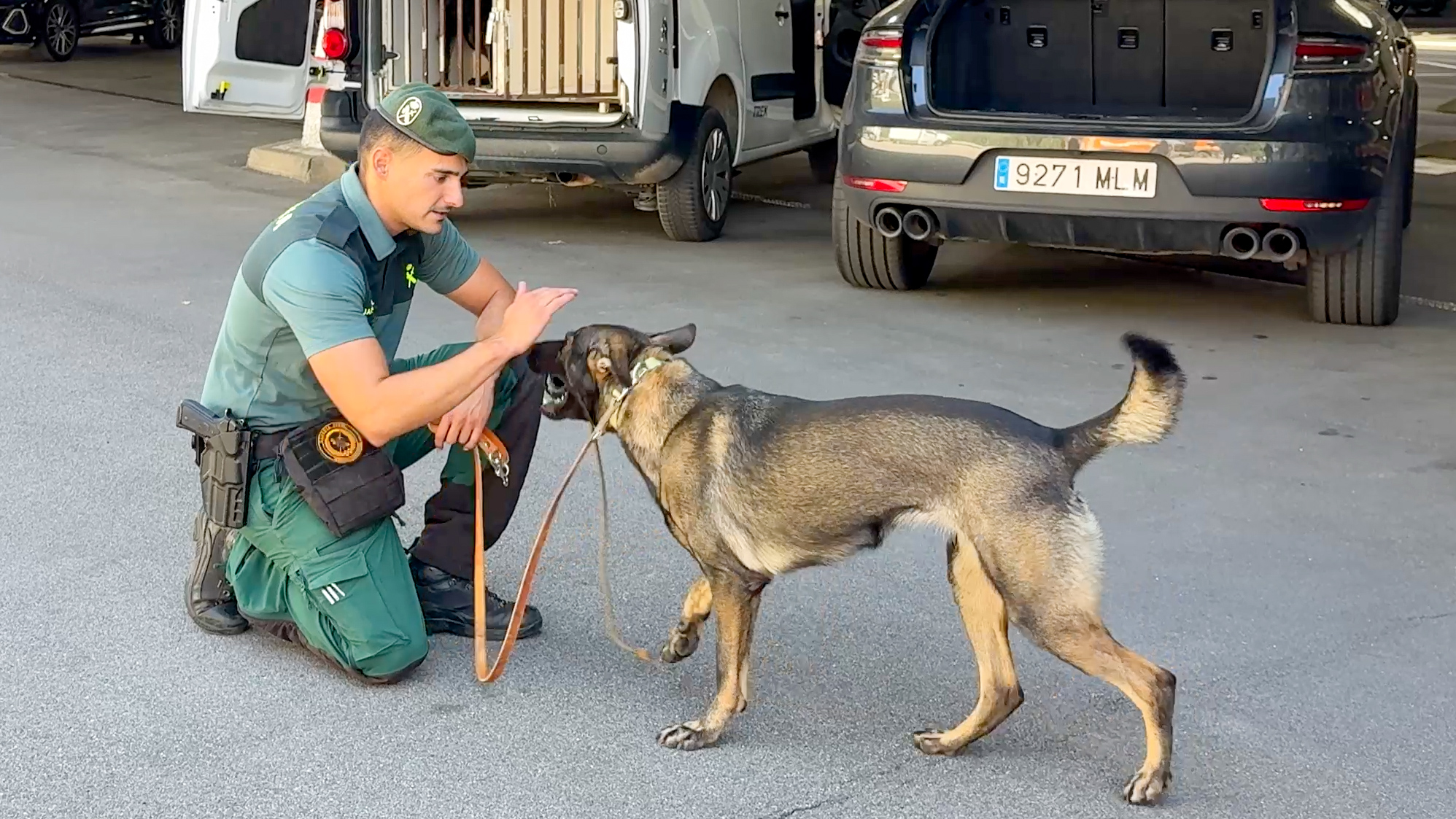
Her handler and trainer is officer Miguel Alaya, who works with her every day and also shares part of his personal and leisure time with her, including caring for her, playing with her and helping her socialise with other animals.
While Amy is trained to sniff out banknotes, another dog at the border specialises in detecting tobacco.
Amy serves as a support unit in customs operations. She is called in by fiscal officers for a final check of a car, bus or truck that has already undergone an initial visual or documentary inspection.
"They have the final say," Alaya says. "They're the ones who tell us whether everything is in order when it comes to cash or tobacco."
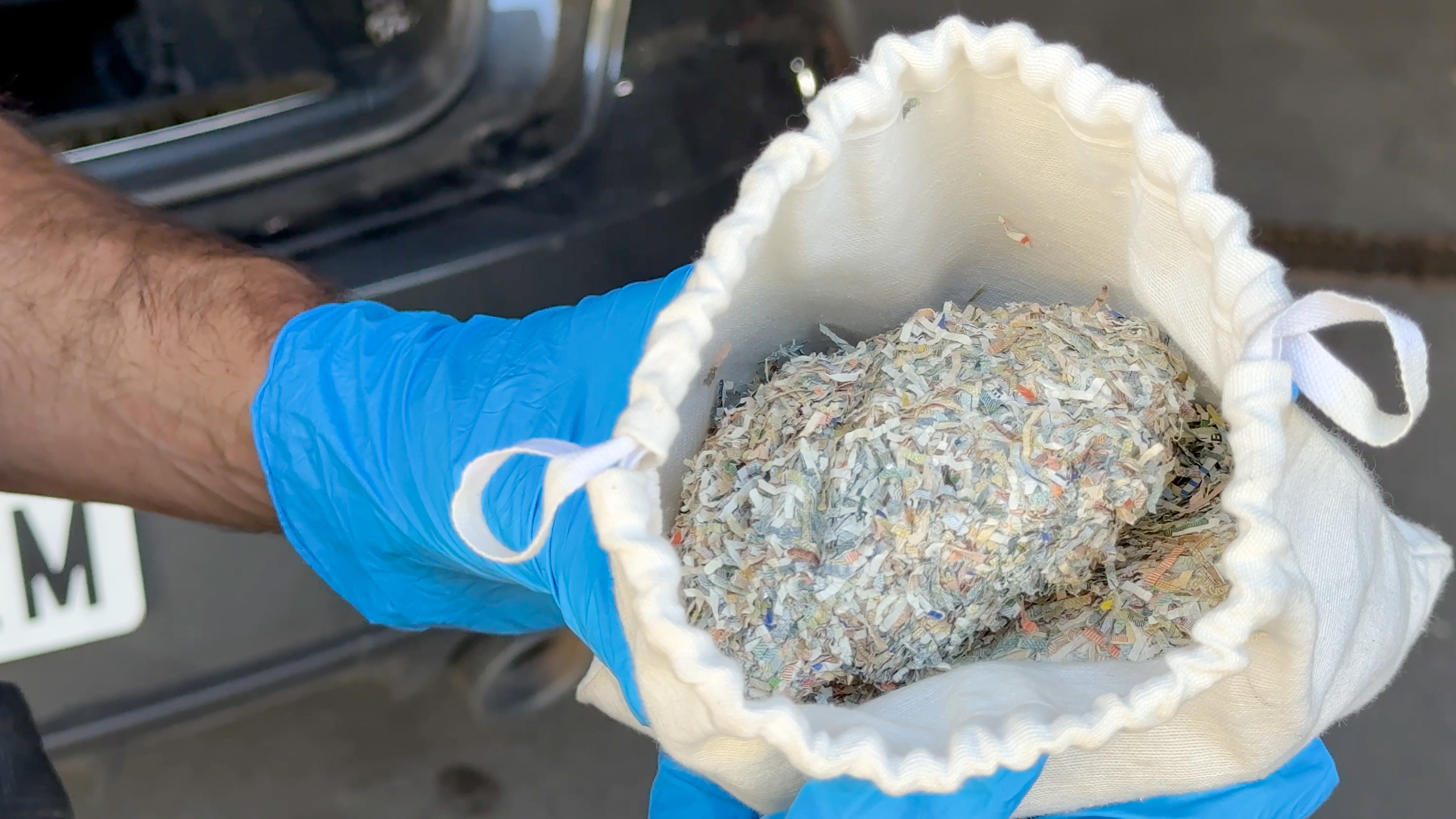
Before each shift, Amy warms up through play and practises with a bag containing shredded banknotes to familiarise herself with their smell.
EU border
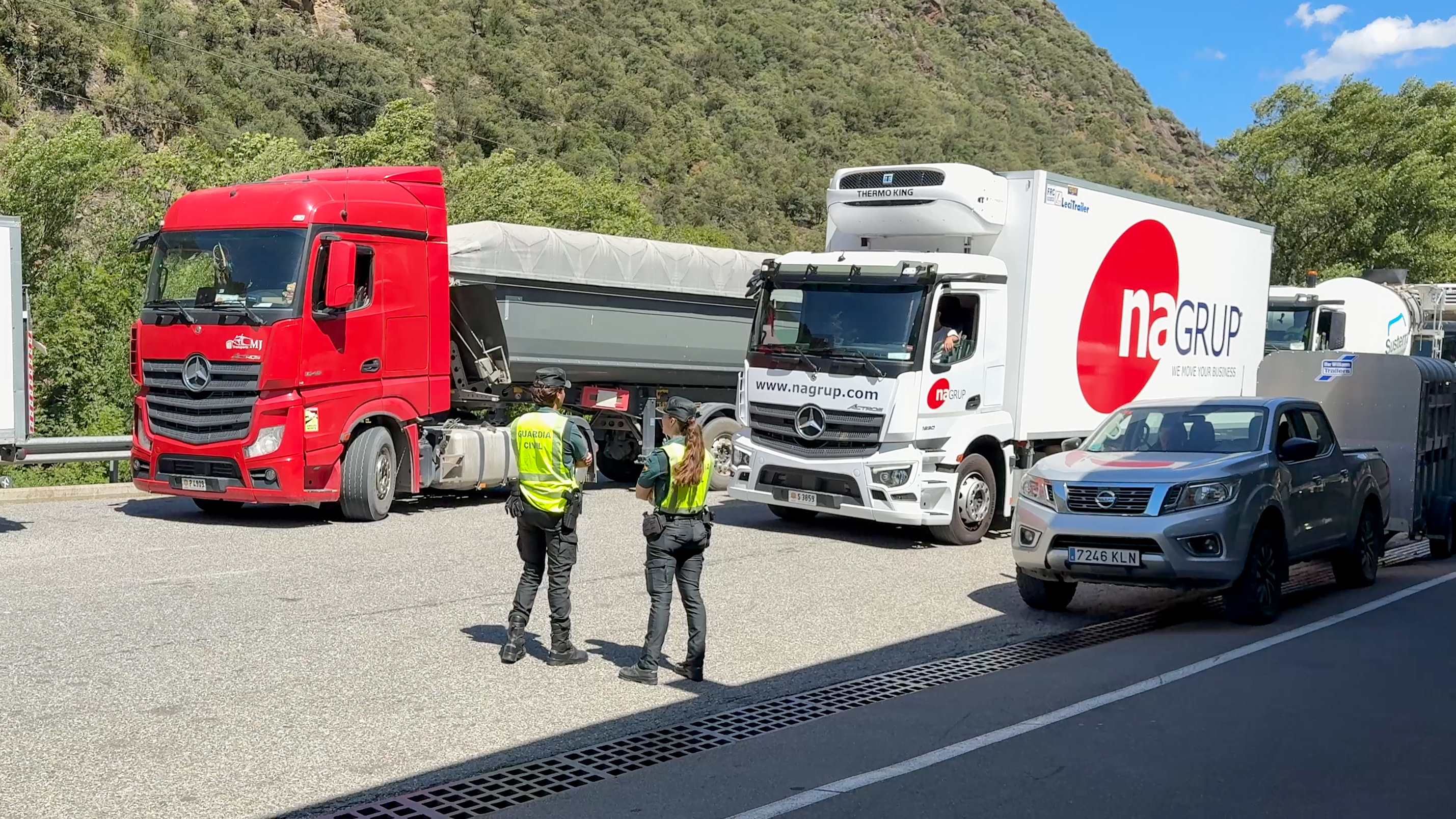
Farga de Moles is the only land border crossing in the Iberian Peninsula with a country outside the European Union.
Around seven million people pass through it each year, including about 12,000 light vehicles and 350 heavy vehicles a day.
That requires two parallel controls with different purposes.
Daniel Alaya, acting head of the Civil Guard's La Seu d'Urgell station, explains that "while the Schengen area regulates the free movement of people, the European Union is, above all, a customs and economic union, and what we regulate here is the movement of traffic, goods."
The border therefore has two services with separate roles: Spain's National Police checks people crossing the border, while the customs compound is staffed by the Civil Guard's Fiscal Guard, which works closely with the Tax Agency to check what those people or companies are carrying.
Smuggling
For decades, tobacco and alcohol dominated smuggling at Farga de Moles because of differences in indirect taxation – VAT and excise duties – between Andorra and Spain.
The figures bear this out. Between 2021 and 2025, tobacco generated between 73 and 117 cases a year, with seizures valued between €46,900 (first half of 2026) and €184,500 (2023), without a clear upward or downward trend.
What has changed is everything apart from tobacco. Under the "other goods" category – including watches, alcoholic drinks, cameras, lenses, mobile phones, medicines and perfumes – the value of seizures rose from €85,939 in 2021 to €416,192 in 2024 and remained above €370,000 in 2025.
That represents a fivefold increase in four years, while the number of cases more than doubled, from 49 to 114.
Daniel Alaya attributes the increase partly to growing interest in high-end watches.
"Because of their size and the ease of concealing them relative to their value, they are being smuggled," Alaya said, acknowledging that their value makes the risk worthwhile for some. In many cases, the potential profit on watches can exceed 20% if they are not declared.
He said customs officers had found watches costing between €50,000 and €100,000, making the potential financial gain "significant."
Less cash crossing the border
While goods smuggling is growing, the trend for cash is moving in the opposite direction.
In 2022, the Civil Guard filed 72 cases involving undeclared means of payment and seized €1,325,542. Those figures fell steadily in subsequent years: 38 cases in 2023, 28 in 2024 and 22 in 2025. The amount seized in 2025 was €289,468, one-fifth of the 2022 figure.
The legal limit for bringing cash into Spain is €10,000. When larger amounts are found, officers file an infringement report, seize the money and allow the suspected offender to continue their journey. Fines can reach up to 200% of the amount seized.
"We need to detect this illicit traffic to promote fair competition and prevent these means of payment from being moved clandestinely from one country to another," said Daniel Alaya.