V16 warning light: What drivers need to know
From January 1, vehicles in Spain are legally obliged to carry DGT-connected safety beacon to signal breakdowns and emergencies
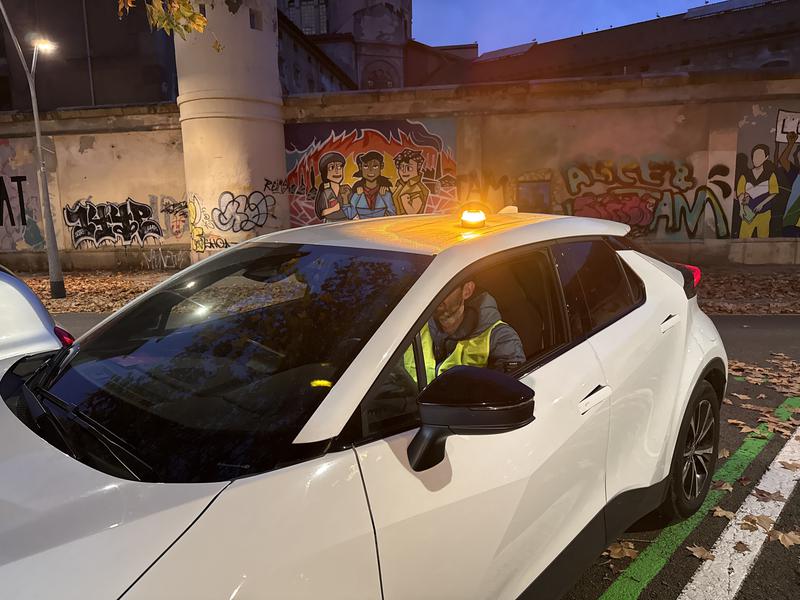

From January 1, 2026, vehicles registered in Spain will be legally obliged to carry a hazard warning device known as a V16.
Here's everything drivers need to know about the change.
What is the V16?
The V16 is an orange flashing light used to indicate a stationary vehicle, replacing the traditional red reflective warning triangles.
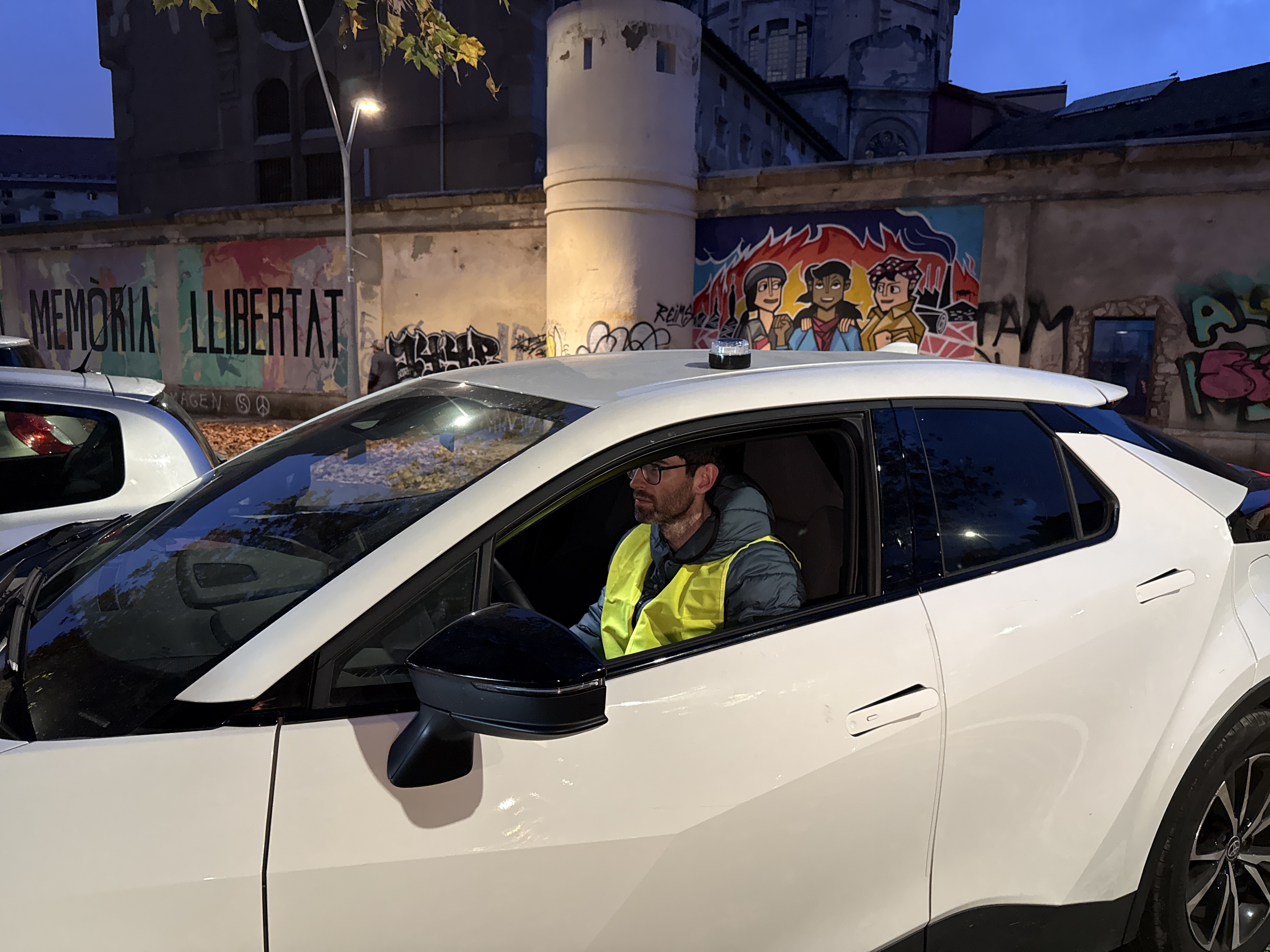
When a vehicle is immobilised on the road, the beacon should be placed as high as possible on the vehicle for maximum visibility.
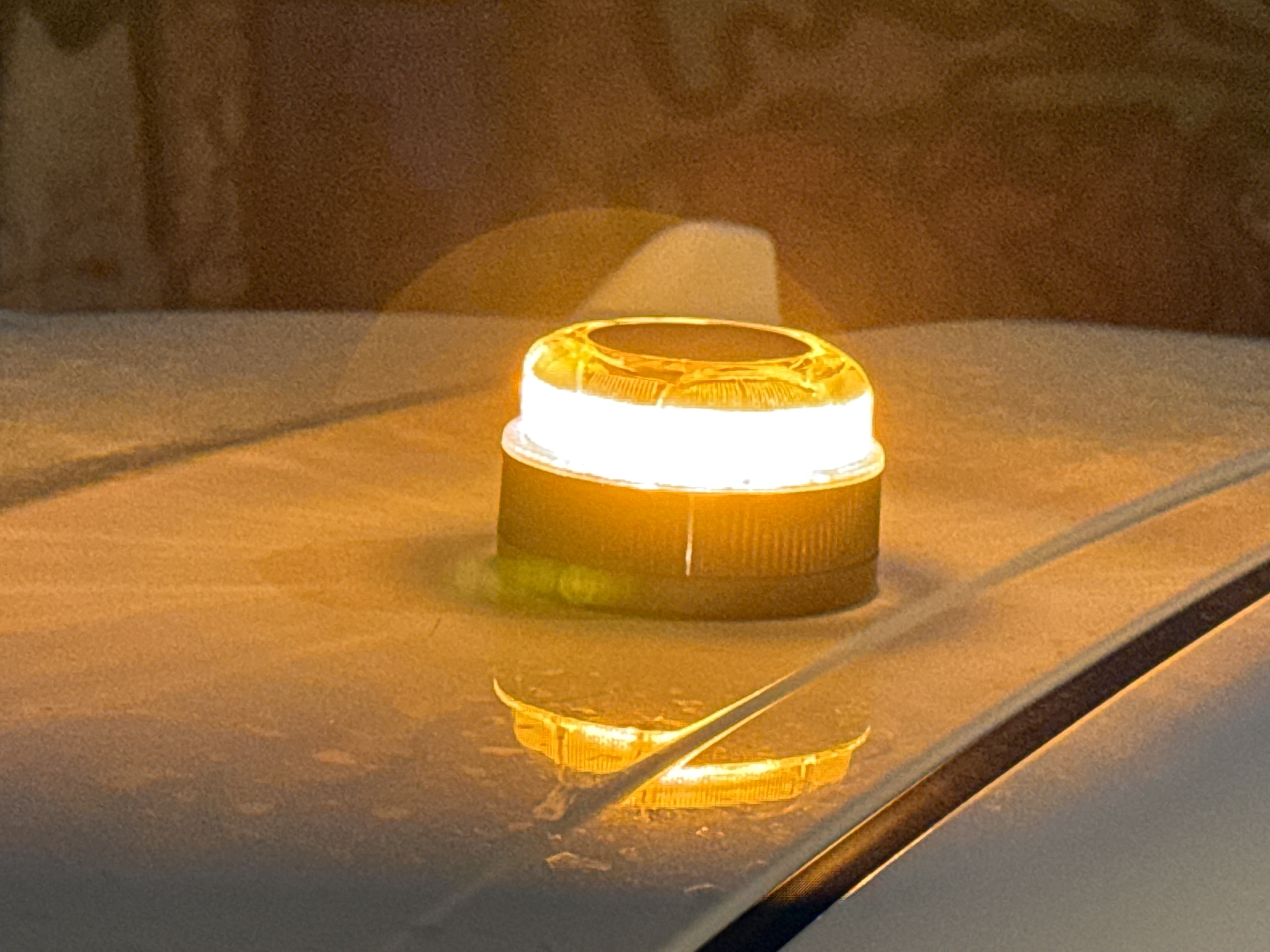
The new mandatory Connected V16 models automatically transmit their location to the DGT 3.0 system – Spain's official traffic information platform – so other drivers can be alerted, through sat navs, navigation apps, and electronic road signs.
Why is the law changing?
The law is being updated to reduce the risks drivers face when signalling a breakdown or accident.
With traditional warning triangles, drivers have to walk up to 200 metres on busy roads to place them, putting themselves at serious risk, especially on motorways, dual carriageways, or in poor weather and low visibility.
Triangles can also fall over in adverse conditions, making them ineffective.
Accident data from the DGT shows that a significant number of fatalities on high-capacity roads involve pedestrians leaving their vehicles.
Between 2018 and 2022, more than 100 pedestrians were killed in Spain after leaving their vehicles and being struck in a collision.
The new V16 beacon eliminates these risks, as it is placed on the vehicle and automatically transmits its location to the DGT.
How does the Connected V16 work?
The Connected V16 is simple to use. Each device contains all the necessary components, including a GPS chip and a non-removable SIM card. Approved Connected V16 devices come with a guarantee of at least 12 years of connectivity without any extra fees.
It's important to keep the device within easy reach, such as in the glove compartment.
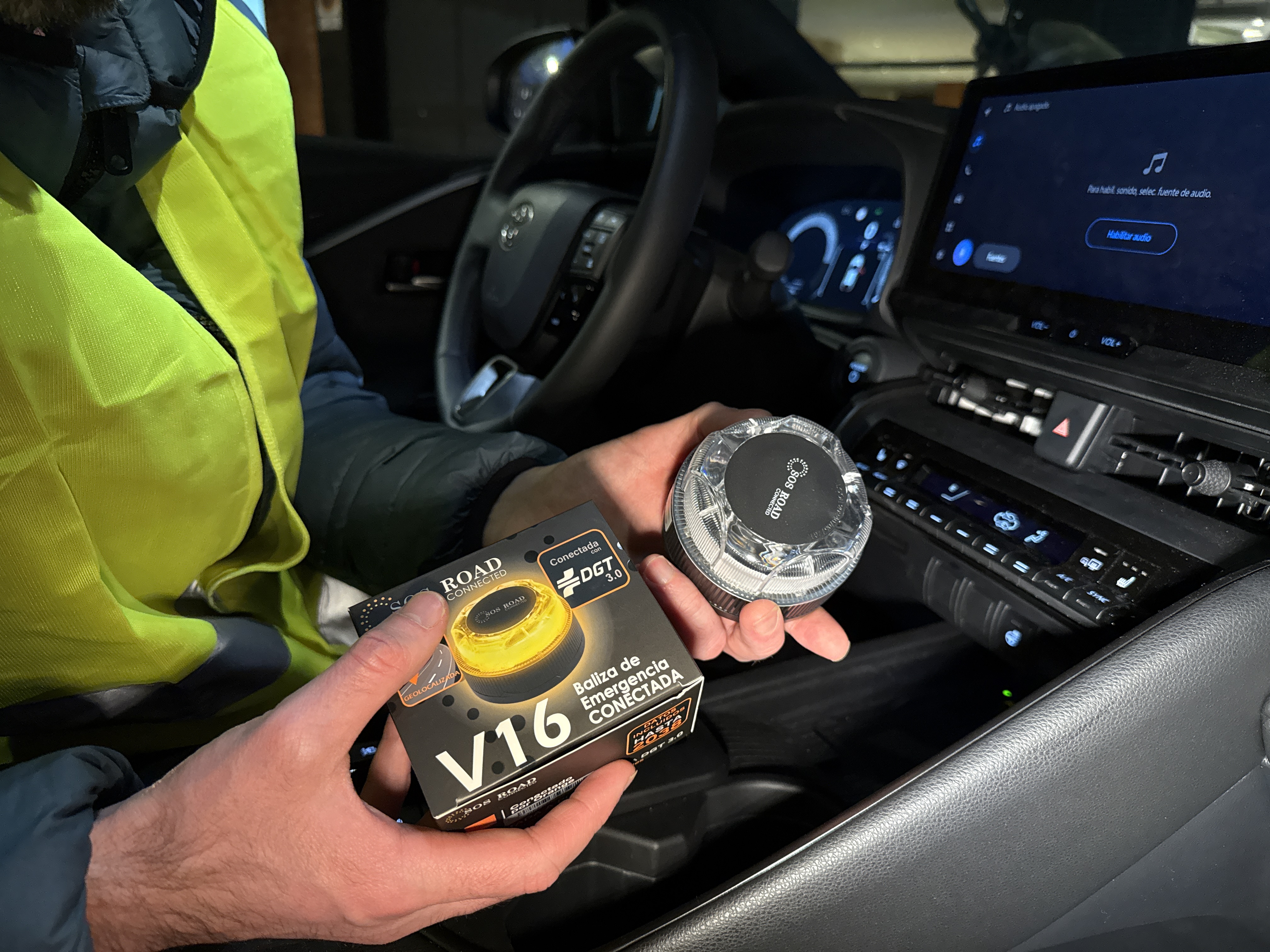
If your vehicle becomes immobilized on the road or hard shoulder, turn on the light and place it on the outside of the vehicle – on the roof if possible – without stepping out.
Each beacon includes a magnet, allowing it to be attached securely to any metallic part of the vehicle.
You should also ensure it is always charged, either via a built-in battery or replaceable batteries, depending on the model.
The V16 operates completely independently thanks to an integrated SIM card, without the need for a mobile phone or any external apps.
Is it really obligatory?
Yes – from January 1, 2026, it will be mandatory for all Spanish-registered vehicles, including cars, mixed-use vehicles, goods vehicles, and buses.
For motorcycles, using a V16 beacon is strongly recommended, although it is not mandatory.
Can the V16 beacon be used elsewhere in Europe?
Yes – the V16 beacon can be used outside Spain. According to the 1968 Vienna Convention on Road Traffic, vehicles traveling internationally must comply with the rules of the country in which they are registered.
Do foreign-registered vehicles need a V16 beacon in Spain?
Not necessarily – based on the provisions of the 1968 Vienna Convention on Road Traffic, vehicles registered in other countries that are driving in Spain under international rules are considered to comply with Spanish regulations if they carry warning triangles or any other similar device approved in their country of registration.
Which Connected V16 model should I buy?
There are more than 200 Connected V16 models on the market, with prices typically ranging from around €30 to €80.
A quick and easy way to check if the beacon you want to buy is approved and certified is to visit the V16 section of the DGT website, where all certified brands and models are listed.
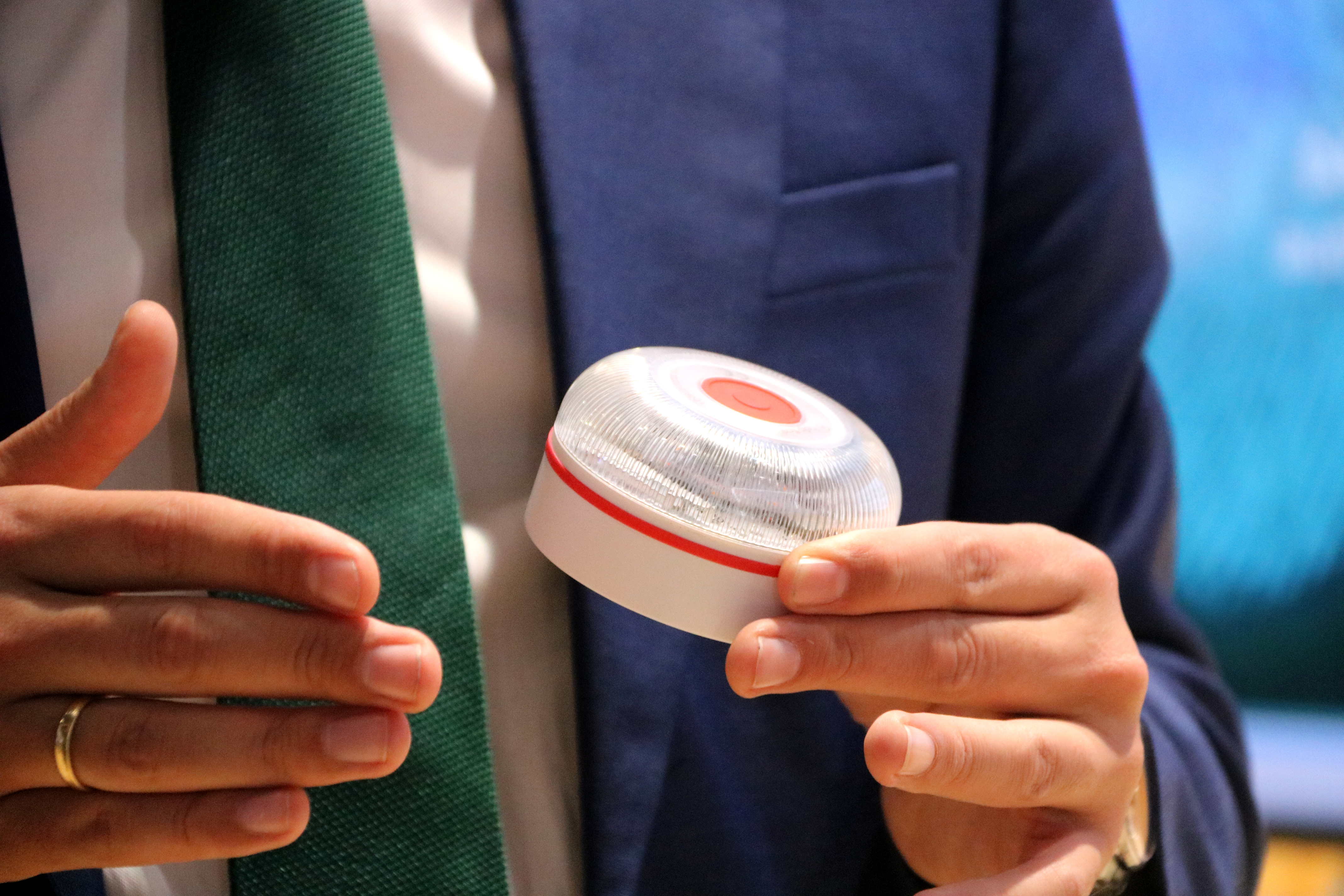
All approved models must be certified by IDIADA or LCOE, the authorized labs that confirm each model meets the required standards for safe and proper use.
Connected V16 beacons are available from most major retailers, online, and at service stations.
Always check the DGT website to ensure the model is certified before purchasing.
Does the V16 beacon track my personal data or vehicle information?
The V16 only transmits the vehicle's location when activated and solely for safety purposes.
It does not record speed or track the vehicle, nor does it transmit personal data or identify the license plate. The data received by the DGT is anonymized.
Recently, the Spanish Data Protection Agency confirmed that: "The beacon is not linked to a person or license plate, and there is no record connecting the device to the identity of its user."
The DGT also reminds users that no personal information is required when purchasing any of the approved Connected V16 beacons.
Does the V16 alert emergency services?
No. The V16 beacon only transmits the exact location of a stopped vehicle to improve road safety and prevent accidents.
It does not send any personal information or vehicle details, and it cannot contact emergency or medical services.
In the event of a breakdown or accident, it is still the responsibility of the vehicle occupants to call for help if possible.
What happens if I don't carry a V16?
Failing to carry a V16 beacon is considered a minor offense, with a fine of €80 – the same amount previously applied for not carrying warning triangles.