The supplement boom: Turnover up 18% since 2019 and doctors warn of overconsumption
Social media influencers are driving the growth, while health experts warn that the "miracle supplement" does not exist
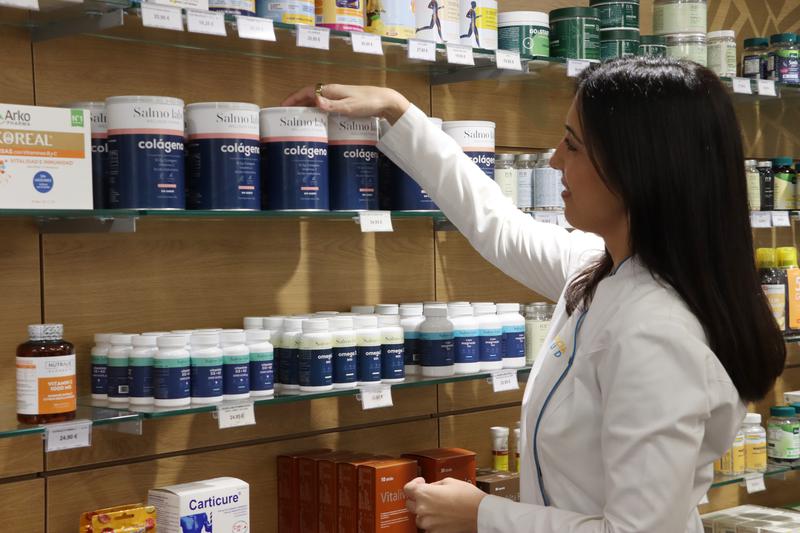

In recent years, the consumption of supplements has increased, and they are now highly visible in daily life: from Instagram influencers to entire sections in pharmacies and supermarkets.
According to Afepadi, the main association for manufacturers and distributors of supplements, turnover in the sector has grown 18% from 2019 to 2024, with studies showing that two-thirds of the population have consumed supplements at least once in the past year.
Doctor Clara Joaquín, from the Catalan Society of Endocrinology and Nutrition, speaks of a "boom" in consumption linked to social media, and warns against overconsumption.
"For the general population, if we eat a balanced diet, we don't need any supplementation. Especially here in the Mediterranean, with a diet rich in omega-3 fatty acids, which are anti-inflammatory, as well as nutrients and vitamins, supplementation is unnecessary," she explains.
The doctor also believes there is "little scientific evidence" of the benefits of supplements, and while they may not be harmful, "we end up spending money that is of no real use."
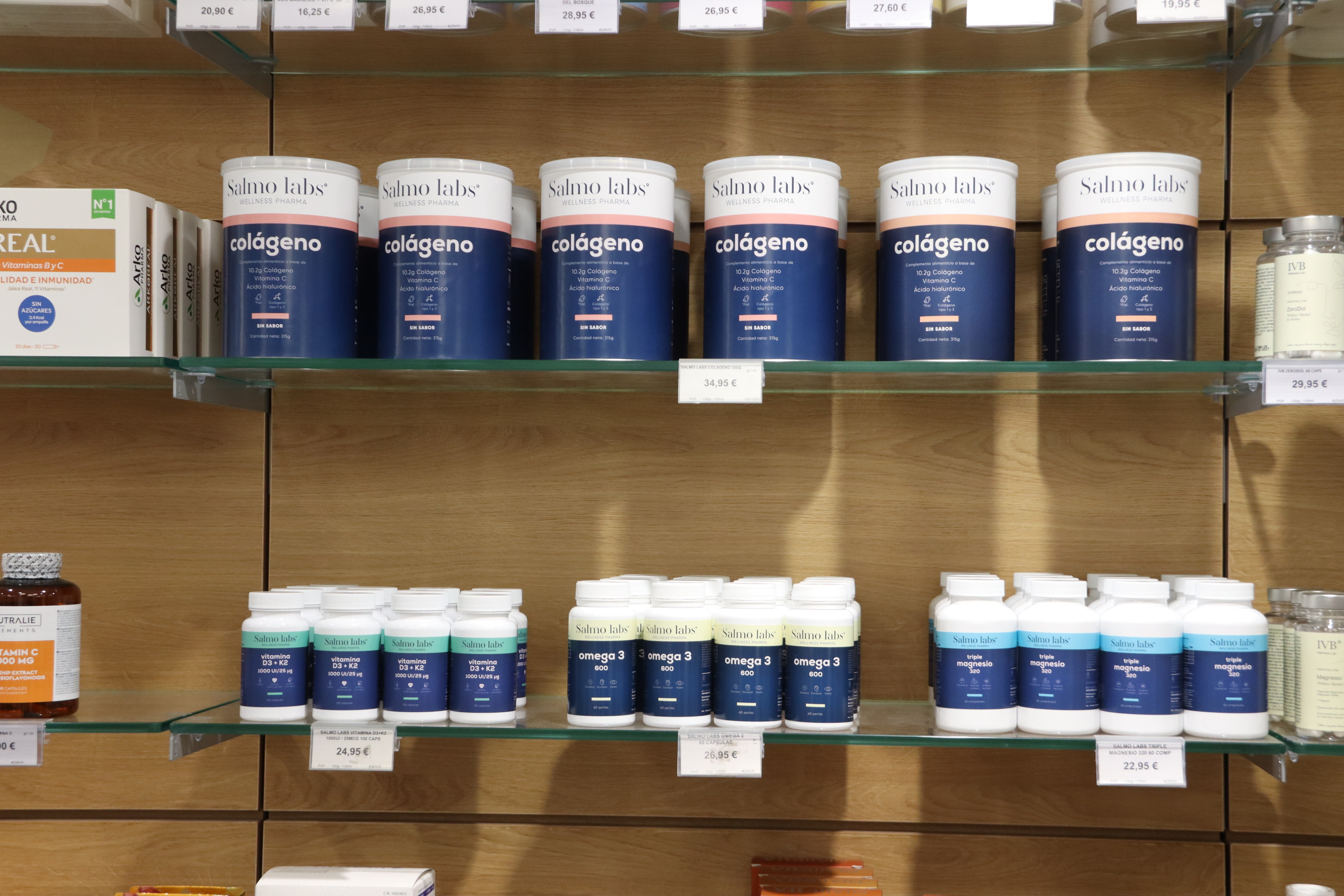
Pharmacist Laura Salud, however, stresses that supplements are safe to use.
"The benefits are much greater than the risks. For there to be any risk, we would have to supplement very poorly and excessively. In other words, there is a very wide safety margin," she explains.
Despite this, she warns against the "miracle supplement," which cannot fix issues that require specialist attention.
"Many people also have the habit or belief that taking a pill will solve everything. But often what lies behind this is a lifestyle, diet, or mental health issue that cannot be fixed with a pill or a supplement," she explains.
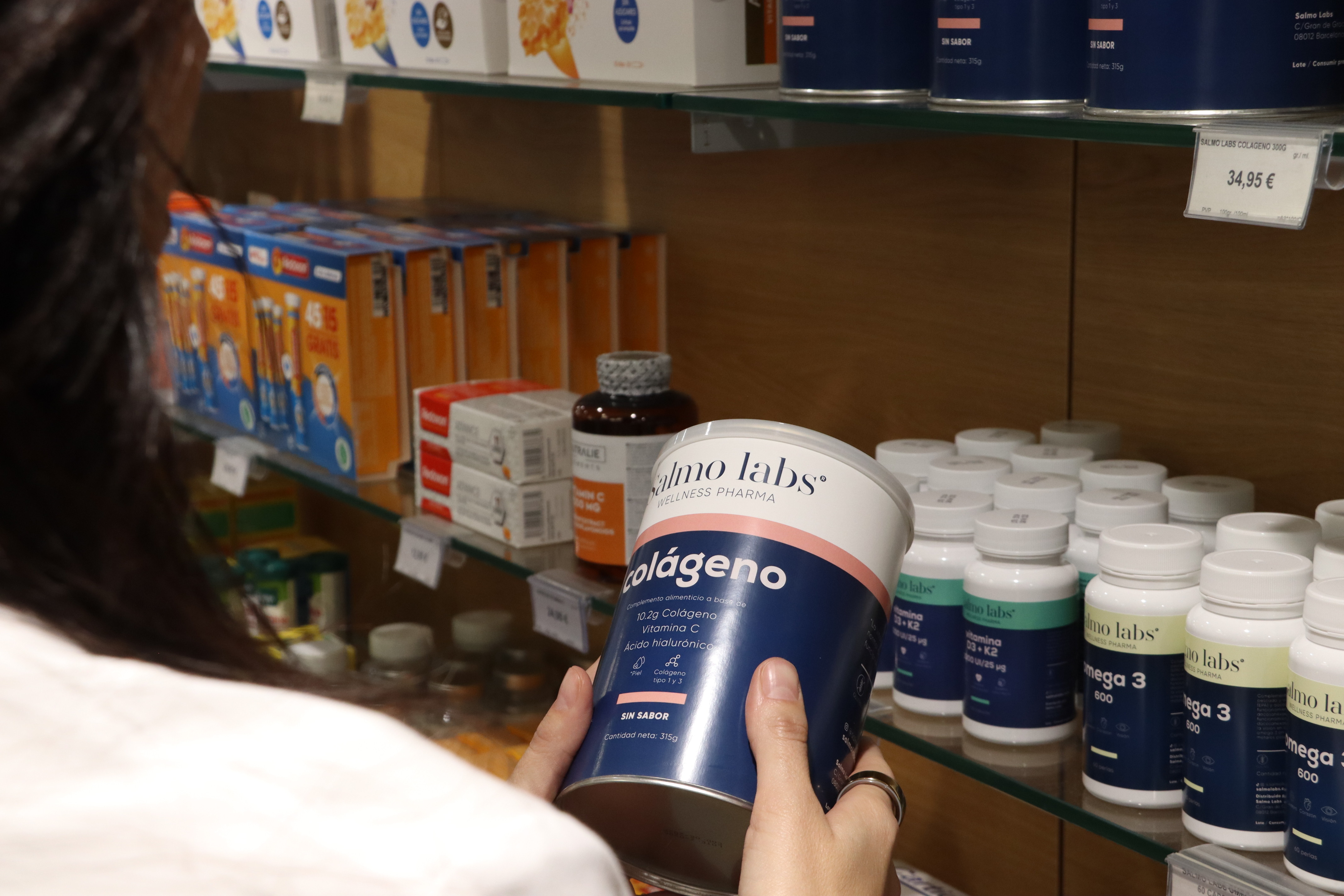
In the same vein, Afepadi president Mònica Gispert warns against substituting traditional medicine with supplements.
"Supplements are meant to help in specific situations. If someone is ill with a diagnosed condition, they obviously need to rely on medicine. That said, this does not mean that a doctor, nurse, or pharmacist, working with patients of varying degrees of illness, cannot also consider that a dietary supplement might be helpful," she says.
The boom in supplement consumption has been driven largely by women, pharmacists say, particularly from around age 30 and especially when women enter menopause.
According to Salud, many women experience abrupt changes and turn to supplements, especially when doctors tell them these changes are normal.